

How to Choose Sunday School Materials for Your Church


Define Needs Before Shopping: Clarify your church’s theological standards, available budget, and the capacity of your volunteer teachers and facilities.
Avoid Pitfalls Beyond Cost: Do not choose materials based solely on affordability, at the expense of quality or theological alignment.
Prioritize Theological Soundness: Ensure the materials point kids to Christ, rather than encouraging good behavior.
It’s no surprise for me to say that teaching kids from an early age is essential. It lays the foundation for their theology and remains with them into adulthood. Sunday School teachers are literally raising the church leaders of tomorrow. It is more than just babysitting, so that the grown-ups can learn what really matters in “big church”. It’s shaping the faith for the next generation. And it’s also way more fun!
I work as the Next Gen Ministry Director at my church. I take my job of choosing the materials for Sunday School very seriously. It’s a big decision, and it has a long-term impact. It shapes how children will grow in their faith each week. Buckle up, because I’m about to give you a crash course in how I choose the right materials for our kids.

Define Your Church’s Needs & Goals
First, you need to articulate the needs of your church and the goals you want to accomplish for your children.

Clarify your theological identity
Every church is different and will have doctrinal beliefs and theology that shape decisions regarding Sunday School materials. Make sure the curriculum aligns with your specific faith background and beliefs. Bear in mind that, unless you are willing and able to develop your own curriculum, it will be next to impossible to find materials that you can align with 100% of the time.
This is where I like to take the approach of “eat the meat, and throw away the bones.” I will select what is helpful and aligns with our church’s theology and omit the parts that don’t. When you do this, it becomes crucial that your Sunday School teachers have a good understanding of your church’s beliefs so they are equipped to make those decisions as they prepare for class.
Some other considerations when making these decisions are whether your church wants to prioritize the following:
- Evangelism
- Discipleship
- Social justice
- Liturgy: Decide whether to follow the liturgical calendar or the lectionary.
Assess your resources and constraints
If your church runs on a tight budget, then maybe the smoke and light show isn’t the way to go. Consider how much you can afford for the materials and proceed accordingly.
Next, you should assess the capacity of the volunteers available to you. If extensive preparation is required or the program requires many volunteers to run each week, this may not be the right fit, depending on your circumstances.
Lastly, think about the facilities you will be using:
- Do you have access to AV equipment for digital resources (eg, videos)?
- Do you need a lot of space to run around?
- Will you teach in small groups or in a single large class?
Consider attendance and class structure
Hopefully, you have a consistent idea of how many kids to expect each Sunday. In addition, you need to consider the age ranges of your kids who may have diverse abilities. Some may have diverse physical or learning needs.
Our church is relatively young, so for the first 6 years, we ran Sunday school for grades K-6. This was a huge age range and made choosing lessons a big challenge. How do you make the lesson accessible to 4-year-olds while also engaging 11- and 12-year-olds in the class?
Recently, we made the switch to two classes and have divided the groups for grades Kindergarten-Grade 3 and Grades 4-7. This has enabled us to expand our class to include an additional year of students while also facilitating planning for specific age ranges. At the same time, it has doubled our workload in choosing materials. We have materials for each classroom, tailored to each age group.

5 Criteria for Evaluating Curriculum
Here are the typical things you should look for when comparing different Sunday School materials:
1. Theological Soundness
First and foremost, your curriculum needs to have sound theology and align with the Bible and your church’s teaching. It is rare to find materials that match perfectly with your beliefs, but the closer you can get, the easier it will be for your teachers to follow without having to revise the lesson. Some considerations are:
- Does it teach the gospel clearly and in line with our church’s beliefs?
- Is it doctrinally consistent with core truths about God, Jesus, grace, and Scripture?
- Does it point kids to Christ—not just good behavior?
2. Relevance and Application
It doesn’t matter how sound the teaching is if the kids don’t relate to it. Consider whether the materials are age-appropriate and applicable to their daily lives. They don’t need to know what penal substitutionary atonement within the framework of infralapsarianism is. However, it would be beneficial for them to understand that difficult things happen in life, but God is always with them because He lives inside them. Here, you want to think about:
- Does this material connect biblical truth to situations kids actually face in daily life?
- Does it offer concrete, age-appropriate ways for kids to respond or live out what they’re learning?
- Does it help kids see why this truth matters for their relationship with Jesus right now—not just someday?
- Are there resources for family integration? (take-home pages, family devotions)
3. Teacher Support & Training
Your volunteers are not professional teachers (in most cases), so they need materials that are simple to use and share with your students. Look for materials that provide teaching guides, videos, and other resources that make the lesson engaging for students without requiring extensive preparation from your volunteers. Bible software can also help teachers research passages and prepare lessons more efficiently.
Some things to look for are:
- Do teachers feel confident using this curriculum?
- Are support resources available if needed?
- Is it realistic for volunteers’ time and skills?
4. Practical Logistics
If your church is like mine and 99% of other churches I know, you have a tight budget you need to adhere to. Make sure your materials are affordable and within the approved spending limit set by your board. Consider whether this is a one-time purchase or an ongoing subscription. Is it something you can reuse?
Consider what additional supplies or materials may be required to accompany the materials. Do you need craft supplies, Bibles, or handouts? Include this in your calculations so you don’t overspend.
5. Feedback & Proven Effectiveness
One of the best resources we have is each other. We are all part of the Church. Ask around to different churches you have a relationship with and find out what they’re using and whether they’re happy with it. You may be pleasantly surprised at what you find. Some publishers will let you try a sample lesson first. That’s a great way to try before you buy, so you can make sure it’s a good fit for your church.
DANGER: Don't Choose Materials Based Solely on Cost!
One of the pitfalls churches face is choosing materials solely on cost rather than quality or theological alignment. I firmly believe that we cannot underestimate the impact that we can have on the youngest members of our church. They are highly open and receptive to God’s truth.
What an opportunity we have to impact their walk with Jesus from such an early age!
Don’t compromise on the teaching to save on cost. (I don’t want you to break the budget either. I will outline a few affordable options below.)
Three super-common pitfalls :
- Overlooking teacher capacity:
Don’t forget that most of your teachers are volunteers with responsibilities throughout the week. They don’t have 20 hours to set aside to prepare for Sunday morning. Choose your materials accordingly. - Failing to account for church size or irregular attendance:
Some materials are designed to work only with small groups, whereas others are designed to work only with large groups. Or they are cumulative, so guests and irregular attendees might get lost. Ensure you check this before purchasing. - Ignoring theological mismatches:
Take what’s good, and throw away the bad (eat the meat, throw away the bones). Including minor mismatches that don't align with your church’s theology might go over their heads 1-2 times, but if it becomes a habit, over time, it can subtly shift your children's theology.
Recommended Sunday School Resources
These resources were chosen for their strong theological foundation, clear relevance to children’s lives, and age-appropriate presentation. Each one helps kids understand God’s truth in a way they can grasp and apply.
Together, they support gospel-centered teaching by pointing children to Jesus, reinforcing God’s grace, and encouraging real-life application of biblical truths both in Sunday school and at home.
1. Jesus Made You Just Right
In my years as a Christ-centered counselor, I saw the importance of growing up with a solid understanding of our identity in Christ. Without it, we are left believing we aren’t good enough and forced to strive for our significance and acceptance. This inspired me to write a children’s book (the first of many) that affirms that God loves us just as we are.
Jesus Made You Just Right (available in Canada at Amazon.ca) is a story about a little girl named Karis who is learning her identity in Christ in her everyday life. There is nothing she needs to do to be more loved or accepted than she already is. Its clear message of grace and identity in Christ makes it perfect for Sunday school or children’s ministry settings.
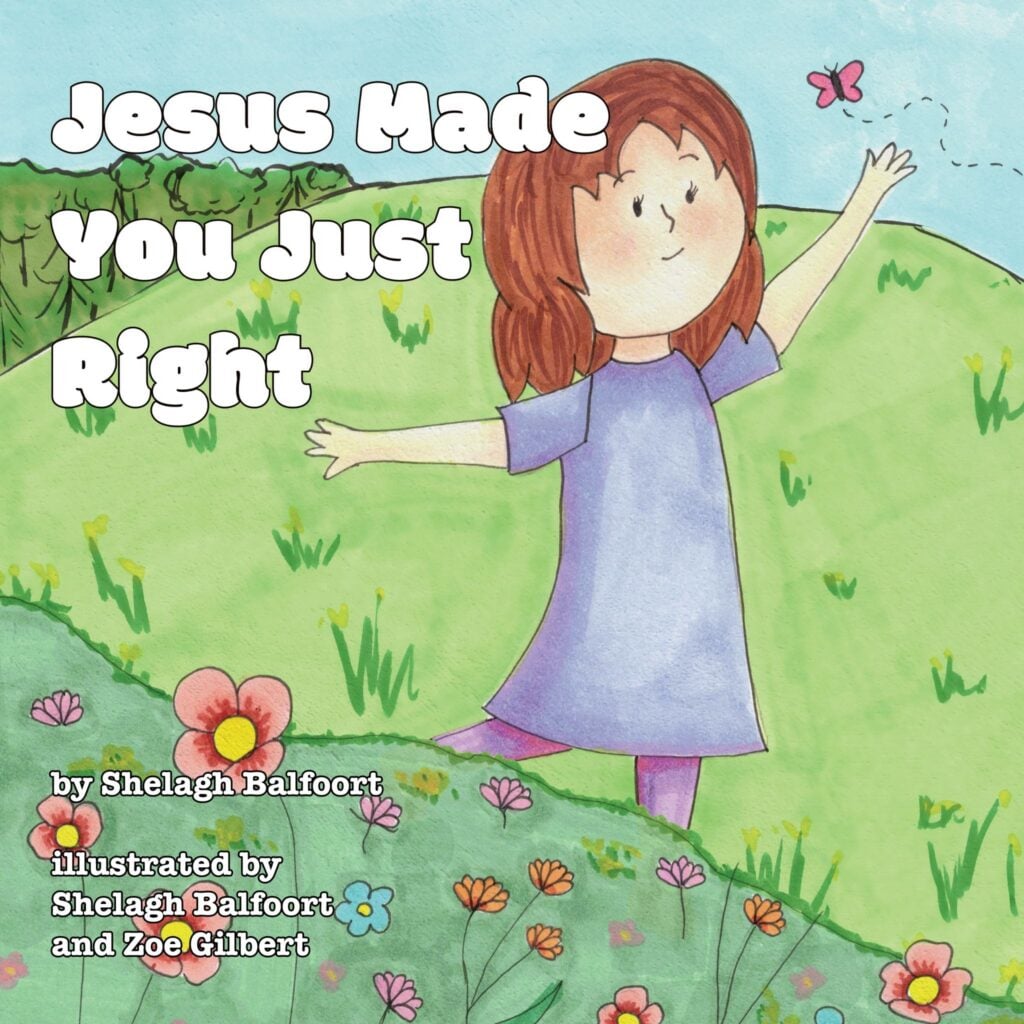
You can use the book in a variety of ways: as a lesson starter to introduce a theme, a read-aloud to capture attention, a springboard for discussion questions, or even paired with simple crafts or activities that reinforce the story’s message.
It’s an excellent resource for Sunday School classrooms, church libraries, and for use at home.
2. New Covenant Kids
New Covenant Kids from Our Resolute Hope is a bundle of books that teach children about grace, life, and their identity in Christ. It presents new covenant truths in simple, kid-friendly language.
It’s not a complete curriculum, but it works well as a read-aloud, discussion starter, or a resource to build a lesson around.
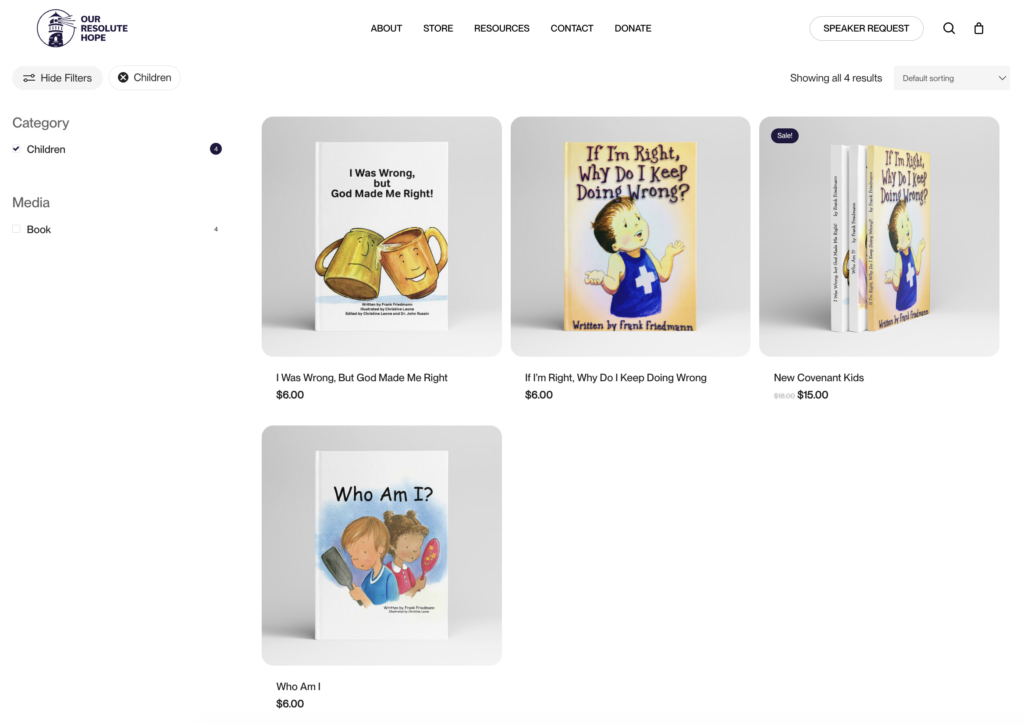
Ideal for elementary-aged children and also beneficial for older kids, the books are flexible and affordable. They’re suitable for Sunday school rooms, small groups, or family use, making gospel and New Covenant teaching accessible across multiple age groups.
3. Tru Digital Sunday School Curriculum
Tru is a digital, multi-age children’s curriculum that teaches the Bible chronologically, helping kids connect God’s story to their lives. Lessons include storytelling, songs, activities, memory verses, and family resources, making learning engaging both in class and at home.
One drawback I found in this curriculum is that there was sometimes too much material to cover. With the limited time we have to teach the kids each Sunday, I didn’t have time to use the entire lesson, so I had to spend time pulling out the parts I wanted to include. I sometimes found the abundance of material overwhelming to sift through.
It is ideal for ages 3 through middle school. Tru is purchased quarterly and covers the whole Bible over multiple years. Its strengths include flexibility across class sizes, a focus on spiritual formation, and tools that empower parents to reinforce lessons at home.
More Articles
- 10 Best Worship Conferences in 2026 for Inspiration and Growth
- 10 Best Church Leadership Training Programs In 2026
- The 15 Best Church Technology Conferences for 2026 Leaders and Teams
- Frank Friedmann: Pastoral Financial Pressure Is a Personal Identity Problem
- AI Policy for Churches: A Starting Point for Leadership Teams
4. Experiencing God at Home
This digital leader kit helps older children learn to experience God in everyday life.
Each session includes a Bible passage, life application, memory verse, and activities to help children respond, with a focus on walking with God rather than merely learning stories.
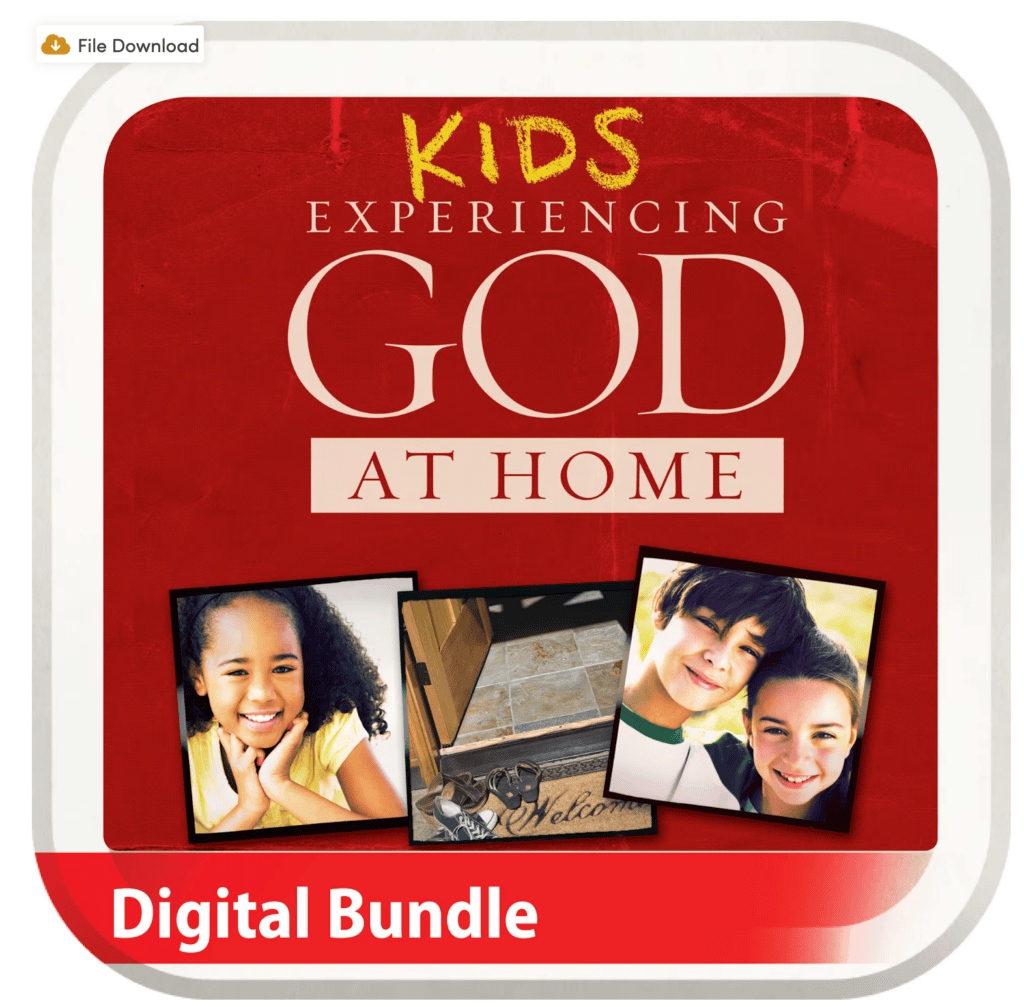
The material is advertised for ages 6–12, but I would say it’s more suited to older kids and not recommended for kids under 8. The curriculum is affordable, easy to use, and short-term, making it a practical option for churches that want a focused, manageable study with strong life-application content.
Supplemental Tools & Helps
Many curricula offer optional add-ons like memory verse cards, devotionals, storybook Bibles, or visual aids. These extras can make lessons more engaging and help reinforce key truths. Look for simple ways to weave them into your weekly flow. Use them as discussion starters, review activities, or take-home resources to extend learning beyond the classroom.
Choose Appropriate Sunday School Resources
This is important because it shapes children’s faith formation, discipleship, and understanding of God’s story. Thoughtful selection helps ensure they encounter the gospel clearly and grow in their relationship with Christ.
This process should be led by prayer, seeking God’s guidance for your teachers, children, and church. Take the next step by forming a curriculum team, reviewing sample lessons from your top choices, and prayerfully discussing which materials will best serve your students and ministry goals.


