

AI, the Church, & the Opportunity of a Lifetime, feat. Dan Zimbardi

For the church, AI represents the administrative opportunity of a lifetime... used WELL.
Thoughtful, strategic implementation is CRITICAL for churches adopting AI?.
AI Test Question: If your congregation knew exactly how you used AI this week, would their trust in you go up or down?
Interview Summary
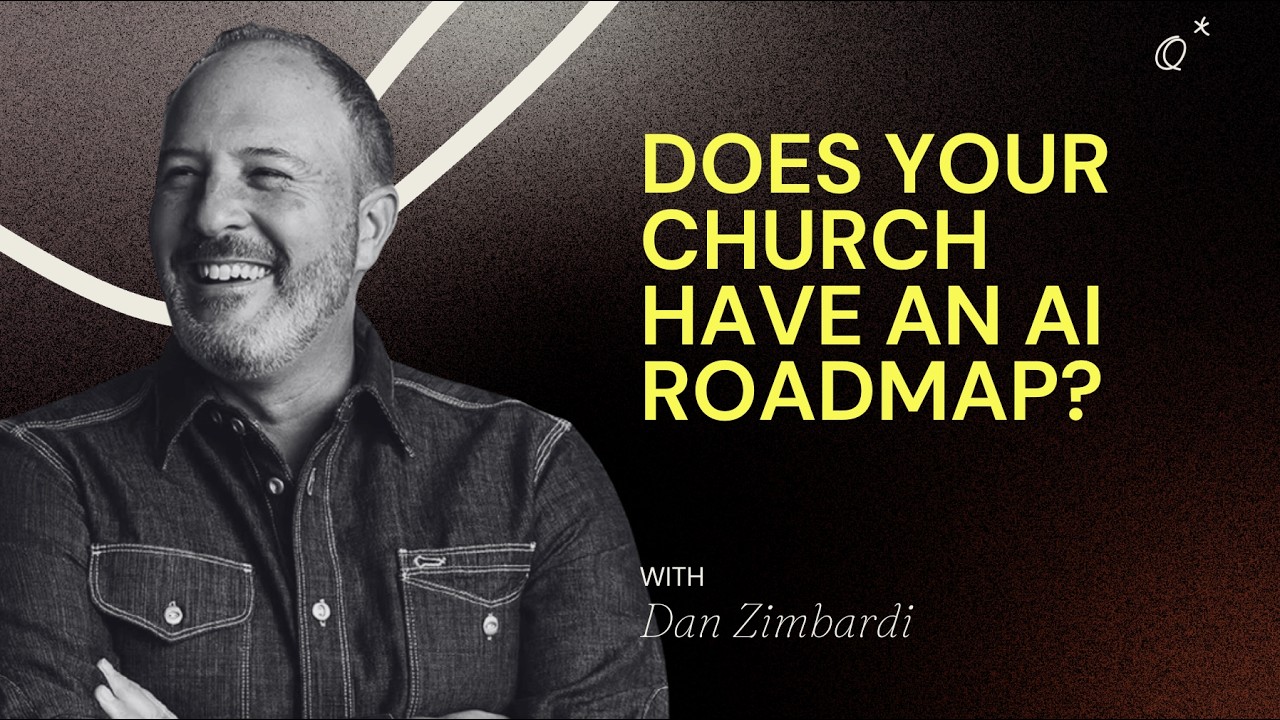
Dan Zimbardi brings a blend of executive leadership, ministry experience, and technological curiosity to the conversation around AI and the church.
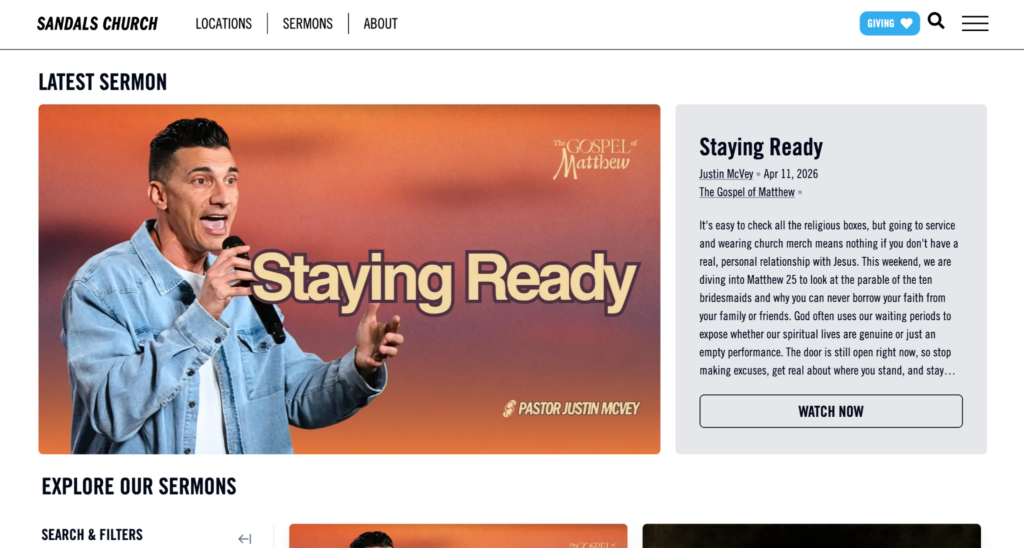
As executive pastor at Sandals Church, he supports a large multi-campus ministry across California, drawing on both his business background and more than a decade of church leadership. This combination gives him a unique perspective on how churches operate, where they struggle, and where new opportunities are emerging.
If your congregation knew exactly how you used AI this week, would their trust in you go up, or down?

Before entering full-time ministry, Dan Zimbardi spent years in the corporate world, including high-level work in supply chain management. That experience shaped his instincts around strategy, people development, and organizational effectiveness.

Since joining Sandals Church, he has helped lead significant growth, including expansion through mergers and partnerships, while developing a conviction that the church should lead through change with clarity and excellence.

On Opportunity & Vision (06:18–06:45)
Dan sees AI not primarily as a threat, but as a significant opportunity for the church. He believes these tools can help churches overcome limitations, improve execution, and better fulfill their mission. At the same time, his broader vision is not about technology alone, but about helping the church become better led, better equipped, and more faithful.
For him, the central question is not whether to use AI, but how to do so thoughtfully, strategically, and with integrity.
On Critical Gaps (13:10)
A key issue he identifies is the gap between adoption and intentionality. In one organization, one leader might refuse to use AI, another is vibe-coding and writing agents, and another uses ChatGPT to make sermon slides… but there’s no cohesion. Many churches are already using AI tools in fragmented ways, but few have developed a cohesive strategy or clear guidelines. This lack of alignment creates risk, particularly in areas of trust, leadership, and communication.
More Articles
On AI Leadership (14:24)
Dan Zimbardi emphasizes the need for structured leadership in this space. Churches, especially larger ones, should develop policies, roadmaps, and designated leadership to guide AI adoption. This conviction is part of what led to the creation of the AI Church Community, designed to help leaders navigate this shift with clarity and confidence.
On Healthy Application of AI(20:16)
His guidance to pastors is practical: think in three dimensions—personal growth, team development, and organizational planning. Leaders must first learn and experiment themselves, then create environments for their teams to grow, and finally develop a clear plan for how AI will be implemented across the church.


