
Pastoral Loneliness: 4 Steps to Break Isolation


Loneliness Epidemic: Most pastors lack deep, safe friendships.
Self Defense: For many of us, masking our personal struggles is safer than being open.
Steps to Health: Start with cultivating openness with one person you trust, then grow from there.
I'm a pastor's kid, and I was in my mid-20s when I first heard my dad introduce someone as a friend.
"Josh, this is my friend Ron."
My dad knew everyone. He loved people well. But in the twenty-plus years I'd watched him do ministry, I hadn't seen him have a friend the way I had friends. Someone he hung out with, called to talk. Someone who knew what was going on inside him. Someone whose relationship with him had nothing to do with the church.
Today, fifteen-some years later, I still remember that moment clearly. Not because it was dramatic, but because it was strange, at the time. I didn't have a category for it.
I've been thinking about that a lot lately. And I've come to believe the reason wasn't unique to my dad.
My dad, Jim Gordon, is the senior pastor of Elora Road Christian Fellowship today. He's been pastoring for nearly four decades.
For me, he's become one of the clearest voices on this topic of pastoral relationships. I've learned so much from him - not through formal teaching or pointed advice; mostly through watching how he's built friendships inside and outside the church.
For pastors, healthy personal community is not just about having people around. It’s about intentionally seeking out supportive peers and coaches, people who’ve been where you are, who can help you navigate the waters you find yourself in, and keep pointing you to the Lord. You can’t be an effective leader without walking in community of some sort. Just no doubt about it.

You may not have chosen loneliness.
What I've come to understand, partly through conversations with my dad, and partly through my own years in pastoral ministry, is that what I witnessed as a kid (my dad without a Ron) wasn't a personal quirk. It was the default setting for many pastors and churches.
And without deliberate effort, it's yours and mine too.

You probably didn't wake up one morning and decide to drift into isolation. But honesty demands we confront an uncomfortable truth.
We are active participants in our own loneliness.
Joshua Gordon, Pastor, New Life fellowship
One of the primary ways we do that is by learning to wear masks. We construct a false front of sorts to present ourselves more favorably. We make small, incremental decisions that, little by little, create separation between us and those close to us.
A guarded answer here. An avoided conversation there. A moment where it seems safer to be impressive than to be known.
Indeed, loneliness rarely sneaks up on pastors. Most often, we construct it slowly, in the name of survival. Over time, what began as protection becomes a prison.
We Use Masks Because They Work.
As pastors, it is SO easy to slip into 'performative mode', where we live a version of ourselves to those in our lives.
- We project competence, stability, and polish.
- We pretend we've got our marriage, finances, kids, doubts, or anxieties handled.
- We pretend we don't struggle
And honestly, it usually works.
The mask communicates authority. It protects our role. It keeps us in control of our own story. Nobody can challenge us where we're weak if nobody knows where we're weak.
Ed Underwood is a mentor of mine. He pastored for 40 years before founding Recentered Group. Ed mentors, supports, and coaches pastors, many of whom have been masking so long they've stopped noticing.
One of the first questions I ask pastors who mask,” Ed says, “is ‘When did you start lying? When did you start giving the impression that you were okay with things you weren’t okay with?’

How would you answer that question?
If you're like me, it happened so gradually I genuinely couldn't find the moment. That's how masking works. It doesn't start as deception. It starts as survival. And somewhere along the way, survival becomes identity.

Pastoral life has two features that make masking nearly inevitable.
It's not that we are any more deceptive or insecure than most other people. Rather, the structure of the pastoral role itself creates conditions where hiding feels safer than being known. Understanding those conditions is the first step to countering them.
First: most pastoral relationships are position-based.
Congregants relate to us as their pastor. Staff and volunteers relate to us as the person they report to. Even friendships formed inside the ministry carry the weight of the institution. The role doesn't just follow us into the room — it is the room. Strip it away, and it's often hard to find what's left.
Second: the people closest to our work control our livelihood.
Boards, even good, caring ones, hold power over compensation, tenure, and reputation. That power doesn't disappear because the relationship feels warm. What it creates is a predictable dynamic: we self-censor, not out of deception, but out of rational risk management.
Most of us, as pastors, are structurally incentivized not to be known by the people closest to us. So, often on an unconscious level, we begin masking as a way of protecting ourselves.
Masking is a self-defeating strategy.
Over the first 10 years of my ministry, I bought into masking full-bore, and today I still wear the scars. I spent a lot of years struggling, and a lot of years healing. A couple of years ago, my counselor said something that reframed all of this for me:
Josh, when you wear a mask, you can't receive love. When people affirm you, the mask whispers, 'If they knew the real you, they wouldn't say that.'
That 'trade identity-for-acceptance' isn't just costly. It's self-defeating. We sacrifice our real selves in order to be loved, and then the love we receive can't reach us. We perform connections while experiencing isolation.
Early in my ministry, I stuffed all of my issues, ignoring them so I could take care of everyone else. I would become whoever people wanted me to be. I didn’t see it then, but I see it now: I was looking for their acceptance and approval… and would attempt to be Jesus to them.

Chris describes what that arc looks like from the inside: he spent five years pouring out without being poured into. He nearly disappeared — not dramatically, but quietly.
I looked around one day and realized: If I quit or got fired from my church… I’d have no one.
Chris Long, Executive Pastor
Masking creates isolation. We can be surrounded by dozens, even hundreds of people who love us - and we still feel alone, because we're never showing our true selves. Do that long enough, and isolation becomes your norm.
Solitude is good. It’s healthy and healing. But isolation is different. Isolation is a tool used by the enemy. It causes us to lose touch with reality, cuts us off from relationships that give life, and exposes us to risks that would never surface in authentic community.

Four Things That Help
None of these is a quick fix, and none of them happens by accident. But they're also not complicated. Most of us know what we need — we just haven't made the move yet.
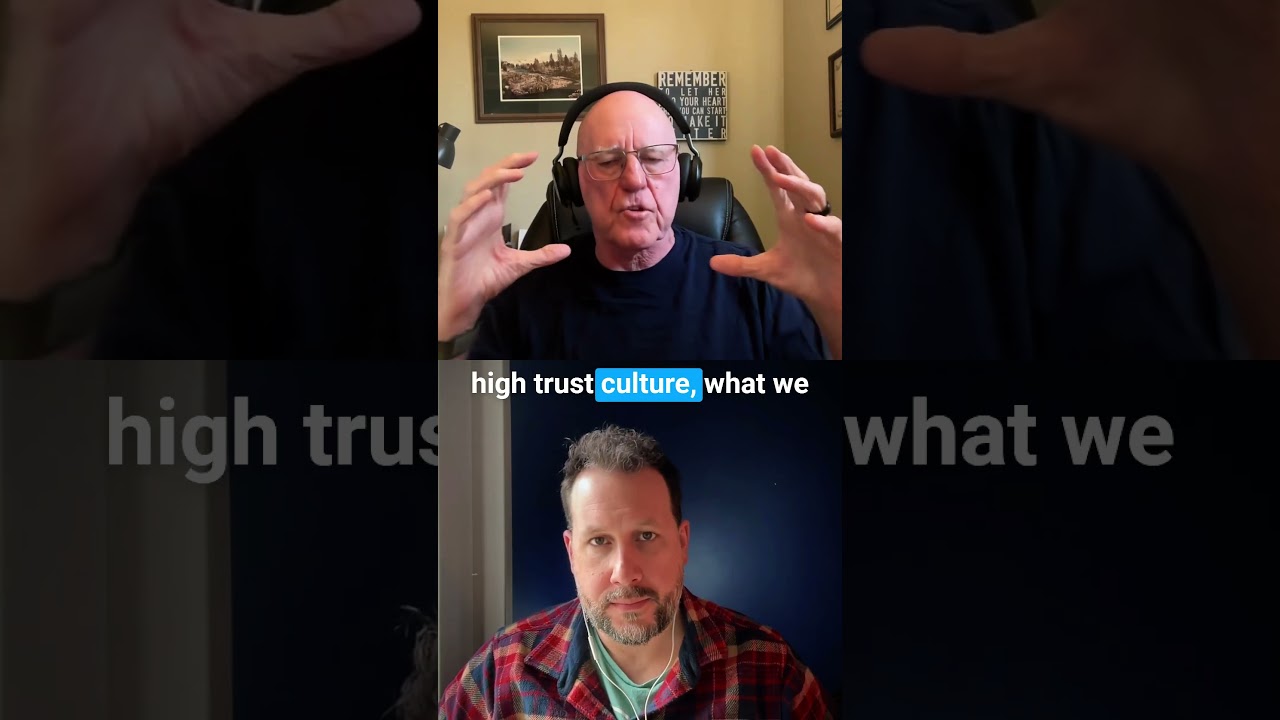
1) Take the temperature of your situation.
Before you build anything new, you need an honest read on where you are. Ed Underwood gives pastors a few simple diagnostic questions:
- Does your wife feel safe? Not comfortable - safe. She's often carrying things you've stopped seeing, and her honest answer will tell you more about where you actually are than anything else. Ed is direct: if she doesn't feel safe, you're likely leaving within 18 months, whether you plan to or not.
- Is 'the meeting' the meeting? In elder and staff meetings, are people saying what they think, or are they pre-aligning before they walk into the room and venting to their friends afterward? If the real conversations are happening everywhere except the room where decisions get made, that's a tough place to heal.
- Do problems get solved relationally, or structurally? When a pastor struggles, does someone sit down with them and ask what's going on, or does the church quietly build guardrails around their weaknesses? A culture that manages problems rather than addressing them will do the same to you.
2) Find a person who's been where you're going
Vulnerability builds trust. And trust, once you've experienced it, changes everything. Ed doesn't ask pastors to overhaul everything at once. He starts smaller than that:
I tell my guys, 'Give me one person you really trust. Just one.' You don't have to blow up your whole situation. Just find one person you can be honest with, and start there."
Ed Underwood, Founder of RecenteredGroup.com
That person doesn't have to be a formal mentor. Maybe it's not someone in your reporting structure. Look for someone who can tell you at 10 pm that what you're experiencing is normal (and mean it) because they've been there.

3) Build a peer group where you can leave your pastor hat at the door
My dad didn't hope this would happen. He designed for it. That decision was everything.
My wife and I started a small group with people we trusted – inside and outside our home church. We were careful with who we invited, and designed it so that we wouldn’t be seen as “the pastors” in the group. We’re on a peer level. And that has been so good for us.
Unless you intentionally build a group where you're not the de facto leader, the pastoral role follows you into the room. Ed built something similar about thirty years ago, and for the same reason.
I told my wife Judy: I am just so tired of being alone. So we pulled together a collection of friends we’d known for decades — we didn’t know if they’d all get along. But this has been a thirty-year thing now. This is our group where we get down and dirty and they tell me things about myself.
4) Find someone with no stake in your performance
Sometimes the most important relationship isn't a pastoral peer at all. After a hard crash, Chris Long describes the safety net he discovered in a family that welcomed him into their home. They had no ulterior motives. They didn't care about his résumé or his church history. They just loved him with nothing to protect. Think of one person right now who meets that last description. If you can name them, reach out this week. Not with an agenda. Just contact.
Ed and his wife Judy do this intentionally — they invite pastors and their spouses into their home, away from the church context, just to be with them. No program, no agenda.
Redemptive stories build hope," Ed says. "So I'll be vulnerable with them, tell them the mistakes I made, the problems I'm having now. And you can just see it begin to dawn on them... 'This guy is real. Maybe I can trust him.'


If this resonates, you might find a home at TheLeadPastor.com.
Maybe you recognized yourself in Chris's five years. Maybe Ed's question — when did you start lying? — is still sitting with you. Maybe you're thinking about your wife's answer to the safety question (and you're not sure you want to ask it).
That's not a bad place to be. Awareness is where things start to change.
One of the reasons I do what I do at TheLeadPastor.com is because I know what it costs to do ministry alone, and I know there's a better way. The Lead Pastor exists to be an honest, practical, peer-level community for pastors who are done pretending they've got it all handled.
Here's what you'll find inside:
- Pastor-to-pastor wisdom rooted in real experience, not consultant theory
- Practical tools, resources, and workflows to help you reclaim margin for prayer, teaching, and discipleship
- A peer community of leaders facing the same challenges you are
- Newsletters, podcasts, and video content focused on helping you lead faithfully — not just efficiently
We're not trying to turn pastors into executives. Our goal is to help pastors lead faithfully and cultivate thriving churches.
Join free at TheLeadPastor.com/membership.
In Christ, Who is our life,
Josh