
What 40 Years of Church Board Experience Taught Jim Brown About Healthy Churches

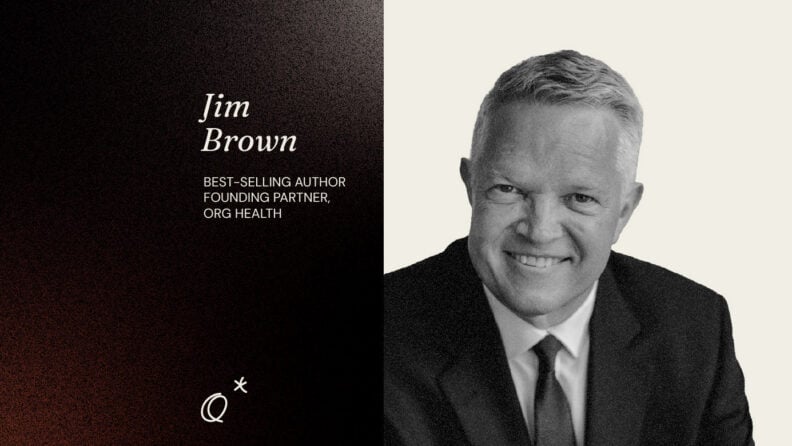
Jim Brown has been working with pastors and church boards for a long time: forty years serving on church boards. Two decades consulting CEOs and major organizations. One conclusion he keeps coming back to: most leadership problems aren't strategy problems. They're relationship and clarity problems.
I sat down with him recently. If you lead a church and you have a board, keep reading.
The Problem Isn't Conflict. It's Fake Peace.
The most common issue Jim sees between pastors and their boards isn't hostility or power struggles. It's niceness.
Board members tell the pastor things are going well in the meeting, then say something completely different to each other afterward. Concerns stay in the parking lot. Feedback that could help never gets said.
In the name of love, we treat people nicely, but don’t actually tell the truth. And that means the real conversations, the hard but necessary conversations, often don’t happen till just a little bit too late.



If your board isn't telling you what they're actually seeing, you lose the feedback loop you need to lead well.
In that world, problems compound quietly until something blows up and you're left wondering how you missed it. Honest boards practice truth-telling in love; boards that prioritize comfort over church health choose nice.
Board Members Have One Job.
Your board might be called elders, deacons, trustees, or a leadership council. The titles matter less than knowing which role each person is playing, and whether they're actually playing it.
NOTE: board dysfunction doesn't start with bad intentions. It starts with confusion about roles.
The role of the board is to direct and protect, Jim says. Direct the organization, the ministry, and protect the best interests of the owners of the organization.
Jim identifies three levels of ownership:
- God as ultimate Owner
- The legally defined owners your bylaws name
- The broader congregation and surrounding community.
The board's job is to carry out the interests of the legally defined owners. It's not running committees. Not manage the pastor's schedule. And definitely not advocating for their favorite programs.

The Wrong Hat Problem
Many church board members come to the table with a second identity. They're also the Christian education chair, the worship team leader, the stewardship committee head. Slowly, without anyone planning it, they stop asking "What's best for the whole church?" and start asking "What's best for my area?"
If during a board meeting a sitting member can't make sure they're only wearing their board member hat, they should step down.
Jim Brown, Founder Org Health
In some churches Jim has worked with, people chose to focus on their committee rather than stay on the board, and step down.
He considers that a healthy decision.
Q: Who's REALLY Running Your Church?
Many churches load their governance structure with committees, and every committee reports to the board: property, finance, young adults, kids ministry, worship. Then, because they report to the board, they think they have the pastor's ear. So the pastor ends up attending three committee meetings a week, leaving each one with a new to-do list that has nothing to do with his actual priorities.
Jim's distinction is simple: some committees are board committees (like an audit committee or risk assessment committee). Most are operating committees and should report to staff, not the board.
When that line blurs, the pastor ends up accountable to everyone and clearly directed by no one.
Whoever Controls the Budget Controls the Church.
How a church spends its money is a statement of where it believes God is leading.
In a healthy church, spiritual leadership sets direction and priorities. Staff build the budget to support those priorities. Then spiritual leadership, not the finance team, signs off on the final version.
If your finance committee has ultimate control over the budget, your spiritual leadership is a figurehead. That's not a finance problem. It's a governance problem.

Jim's first book was The Imperfect Board Member. His next is The Imperfect CEO, releasing May 2026. Both titles point at something most leaders need to hear.
Perfection is a red herring. You were never meant to have all the answers.
Connect with Jim on LinkedIn and DM him the word 'CHURCH' to receive a special 40 page resource "Leading a Healthy Church"
Healthy Leaders Accept Their Own Imperfection.
Early in his career, Jim felt enormous pressure to show up to board meetings fully prepared. No gaps. No uncertainty. Just confidence.
What he believes now is almost the opposite:
No one actually expects us to be perfect. The beautiful thing about God's design is that there are people around us, and the question for us is: are we gonna invite them into our circle so that we can let their strengths cover our weaknesses?
This isn't just good leadership psychology. It's what the body of Christ is actually for.
A Board That Knows You
Most pastors carry things that affect their leadership, and the default is to hide them. A struggling marriage. A kid in crisis. A financial pressure that feels embarrassing.
We show up performing fine. The people around us never get the chance to actually care for us.
Jim said something I think a lot of pastors need to hear: "I really do love the idea that a board can care for the person, not just oversee them."
Not a board that manages you. A board that knows you, loves you enough to have the hard conversations, and has your back when things aren't fine.
It's Never Too Late.
Jim told me about a church that had been quietly shrinking for fifty years. One member a year, for five decades. The sitting pastor made a gutsy call: he'd resign, on one condition. Two leaders in their twenties would be appointed to take the church in an entirely different direction, in close partnership with another congregation.
The board said yes. That church is now ten times the size it was.
Jim has seen the opposite play out too. Boards that couldn't humble themselves to make the hard call. Churches that protected the way things had always been done, right until the lights went out.
The difference wasn't strategy. It was humility.
The churches that move forward are led by people humble enough to tell the truth, receive it, and act on it. That kind of leadership is formed over time, in community, with the right voices around you.
Don't try to lead alone.
The Lead Pastor exists to support you, with practical insight, real conversations, and resources built for the realities you're actually facing.
Join free and start getting access right away.