

MIP Accounting Review: Pros, Cons, Features & Pricing
MIP Accounting empowers your team with robust financial management tools tailored for churches, setting it apart from generic accounting software.

We review tools independently, and commissions help fund our testing. See our transparency policy, our methodology, or suggest a tool.
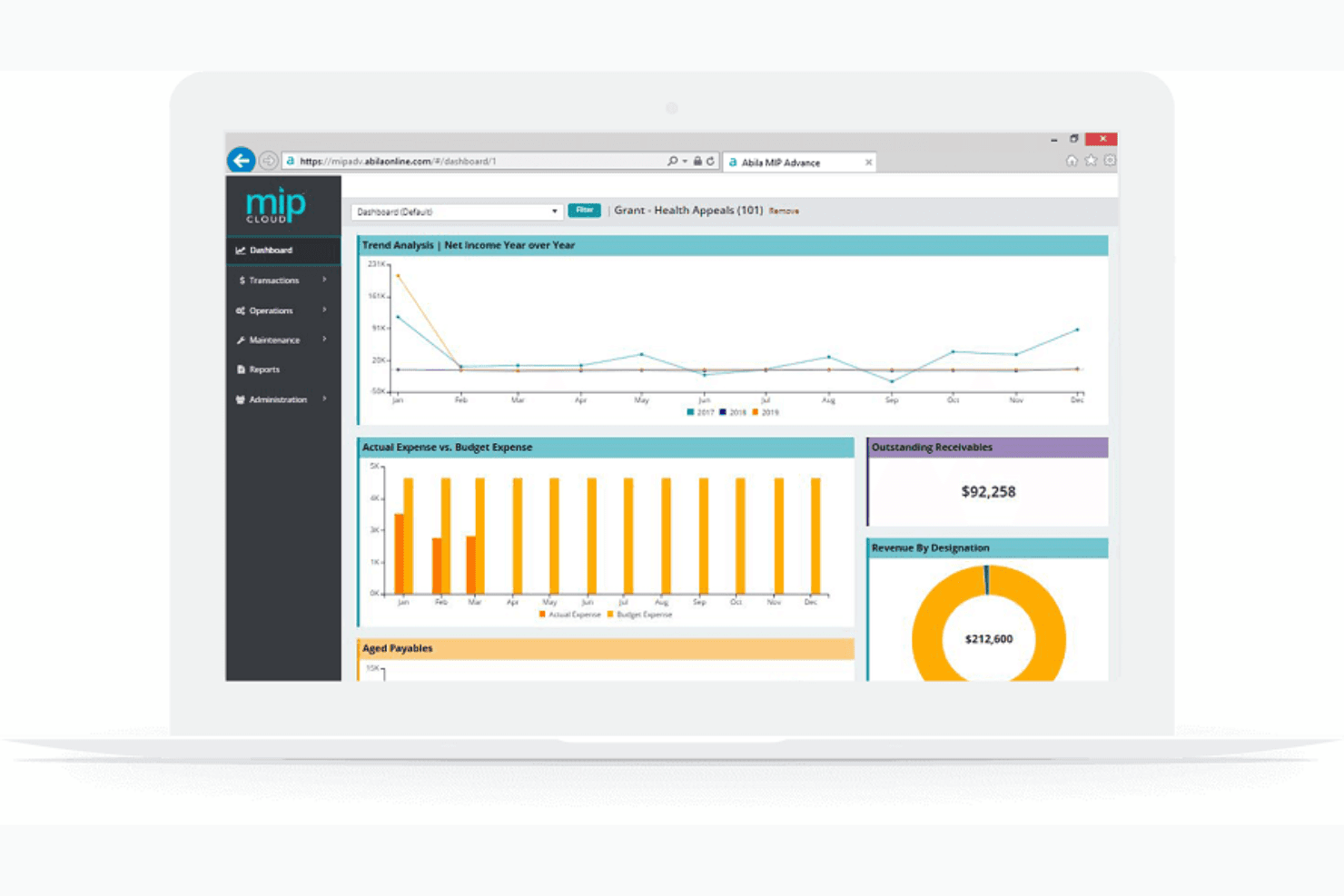
MIP Fund Accounting is a church accounting software built for churches and nonprofits that need true fund accounting—tracking restricted and unrestricted funds, managing budgets, and generating reports that reflect how ministry dollars actually move. I'd consider it over something like QuickBooks if your church manages multiple funds or grant compliance, since MIP is purpose-built for that financial complexity rather than adapted from for-profit bookkeeping.
MIP Fund Accounting Evaluation Summary
0/5
- Pricing upon request
- Free demo available
Why Trust Our Software Recommendations
6,700+
Reviews
20
Industry experts
16+
Evaluation factors
14
Years
Our team has been testing and reviewing software since 2012. As church leaders ourselves, we know how difficult—and important—it is to choose the right software.
For this guide, we evaluated tools using hands-on testing and independent research, scoring tools using our selection criteria.
Our reviews reflect our human editorial judgment, not a sales pitch.
MIP Fund Accounting Overview
In my opinion, MIP Accounting stands as a strong contender in the church accounting software market. It excels with its robust financial tools tailored for church-specific needs, offering a balance of features that cater well to mid to large-sized congregations. Compared to others, its customer support and onboarding are commendable, making the transition smoother for new users. However, its pricing might not be as attractive for smaller churches with limited budgets. This software is best suited for churches seeking comprehensive financial oversight and management capabilities.
Pros
- You get detailed financial reporting tailored for church needs.
- The budgeting tools help your team manage funds effectively.
- Customer support is responsive and helpful when you need it.
Cons
- You'll face a learning curve with its initial setup.
- The user interface can feel outdated compared to newer tools.
- Advanced features may overwhelm small church teams.
Is MIP Fund Accounting Right For Your Needs?
Who Would Be a Good Fit for MIP Accounting?
MIP Accounting is ideal for churches with complex financial needs, such as those managing multiple campuses or large congregations. If your team needs robust budgeting and detailed financial reporting, you'll find MIP's tools very helpful. Its features are designed to assist church finance teams in tracking, planning, and reporting with precision. For pastors and administrators who value responsive customer support and comprehensive financial oversight, MIP Accounting offers the right solutions.
- Large ChurchesYour large congregation will benefit from MIP's detailed financial reporting and budget management tools.
- Multi-Campus ChurchesManaging multiple locations becomes easier with MIP's centralized financial management features.
- Church Finance TeamsYour team will appreciate the robust budgeting tools that help manage funds effectively.
- Church AdministratorsYou'll find MIP's customer support responsive and helpful for any setup challenges.
- Non-Profit OrganizationsMIP's financial oversight can assist your non-profit in maintaining accountability and transparency.
- Religious DenominationsIf you're overseeing a network of churches, MIP's comprehensive tools can streamline your financial operations.
Who Would Be a Bad Fit for MIP Accounting?
MIP Accounting isn't the best choice for small churches or organizations with simple financial needs. If your team prefers a straightforward, minimal setup, the learning curve and advanced features of MIP might overwhelm you. Churches with limited budgets might find MIP's comprehensive tools excessive for their needs, and the interface may not appeal to users looking for modern, intuitive design.
- Small ChurchesYour small congregation might find MIP's advanced tools more than you need.
- StartupsIf you're a startup, the complexity of MIP could slow down your initial operations.
- FreelancersAs a freelancer, you won't need the extensive financial management features MIP offers.
- Simple OrganizationsYour simple financial operations don't require MIP's robust budgeting and reporting tools.
- Minimalist TeamsIf your team prefers a basic setup, MIP's detailed features might not suit your style.
- Budget-Conscious EntitiesYour limited budget could be better spent on more affordable, simpler solutions.
How We Test & Score Tools
We’ve spent years building, refining, and improving our software testing and scoring system. The rubric is designed to capture the nuances of software selection and what makes a tool effective, focusing on critical aspects of the decision-making process.
Below, you can see exactly how our testing and scoring works across seven criteria. It allows us to provide an unbiased evaluation of the software based on core functionality, standout features, ease of use, onboarding, customer support, integrations, customer reviews, and value for money.
Core Functionality (25% of final scoring)
The starting point of our evaluation is always the core functionality of the tool. Does it have the basic features and functions that a user would expect to see? Are any of those core features locked to higher-tiered pricing plans? At its core, we expect a tool to stand up against the baseline capabilities of its competitors.
Standout Features (25% of final scoring)
Next, we evaluate uncommon standout features that go above and beyond the core functionality typically found in tools of its kind. A high score reflects specialized or unique features that make the product faster, more efficient, or offer additional value to the user.
We also evaluate how easy it is to integrate with other tools typically found in the tech stack to expand the functionality and utility of the software. Tools offering plentiful native integrations, 3rd party connections, and API access to build custom integrations score best.
Ease of Use (10% of final scoring)
We consider how quick and easy it is to execute the tasks defined in the core functionality using the tool. High scoring software is well designed, intuitive to use, offers mobile apps, provides templates, and makes relatively complex tasks seem simple.
Onboarding (10% of final scoring)
We know how important rapid team adoption is for a new platform, so we evaluate how easy it is to learn and use a tool with minimal training. We evaluate how quickly a team member can get set up and start using the tool with no experience. High scoring solutions indicate little or no support is required.
Customer Support (10% of final scoring)
We review how quick and easy it is to get unstuck and find help by phone, live chat, or knowledge base. Tools and companies that provide real-time support score best, while chatbots score worst.
Customer Reviews (10% of final scoring)
Beyond our own testing and evaluation, we consider the net promoter score from current and past customers. We review their likelihood, given the option, to choose the tool again for the core functionality. A high scoring software reflects a high net promoter score from current or past customers.
Value for Money (10% of final scoring)
Lastly, in consideration of all the other criteria, we review the average price of entry level plans against the core features and consider the value of the other evaluation criteria. Software that delivers more, for less, will score higher.
Core Features
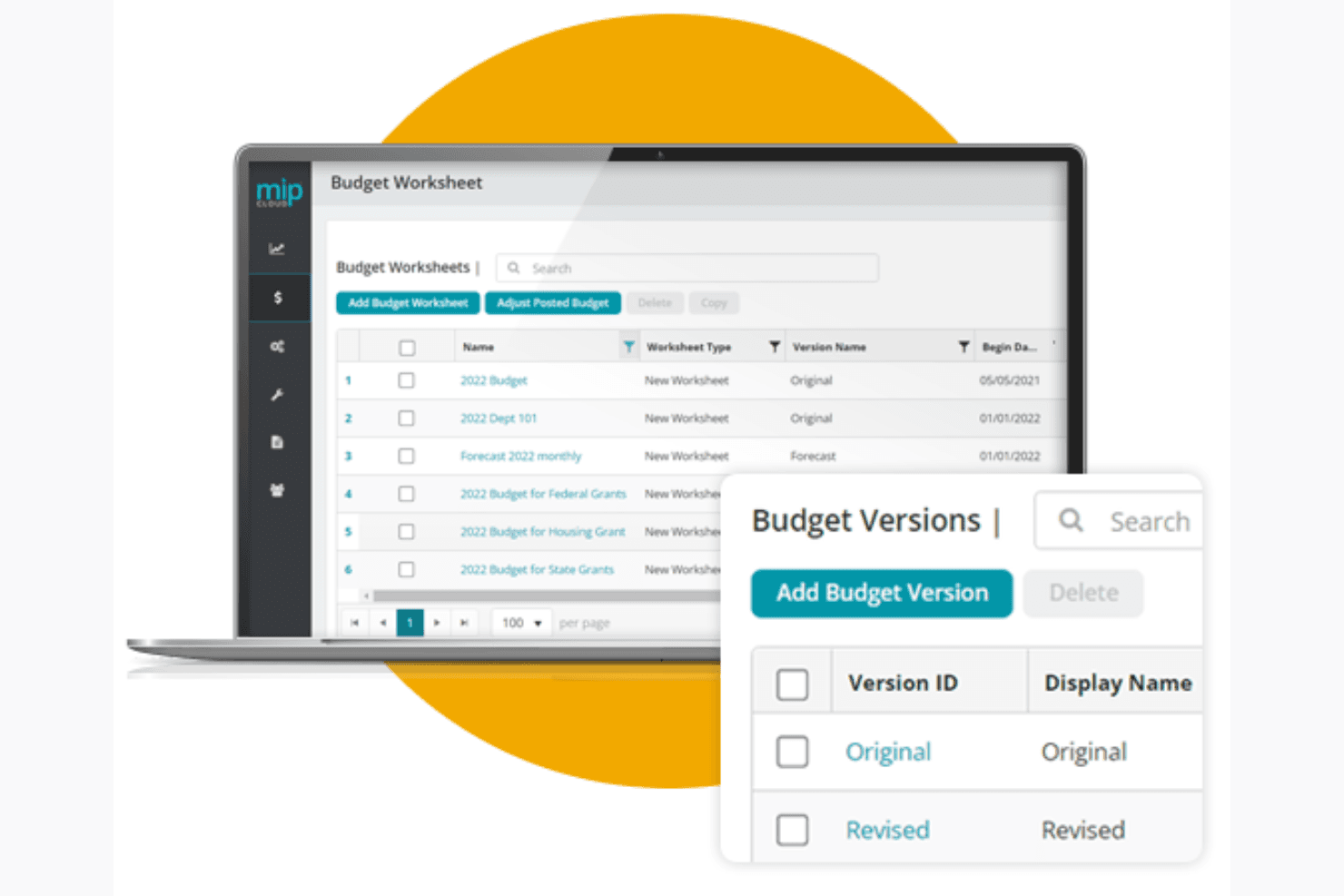
Budget Management:
You can plan and track your church's budget with precision, ensuring funds are allocated appropriately. This feature helps your team stay financially organized and accountable.
Financial Reporting:
Generate detailed reports that give you insights into your church's financial health. These reports are customizable, allowing you to focus on the data that matters most to your work.
Accounts Payable:
Manage your church's bills and payments efficiently with this feature. It simplifies tracking expenses and ensures your vendors are paid on time.
Accounts Receivable:
Track donations and other income sources easily, helping you manage incoming funds. This feature ensures your records are accurate and up-to-date.
Payroll Management:
Handle your church staff's payroll seamlessly within the system. This feature calculates taxes and deductions, making payroll processing straightforward.
Fund Accounting:
You’ll find managing restricted and unrestricted funds is straightforward with MIP's fund accounting. It ensures your church complies with financial regulations and donor requirements.
Standout Features
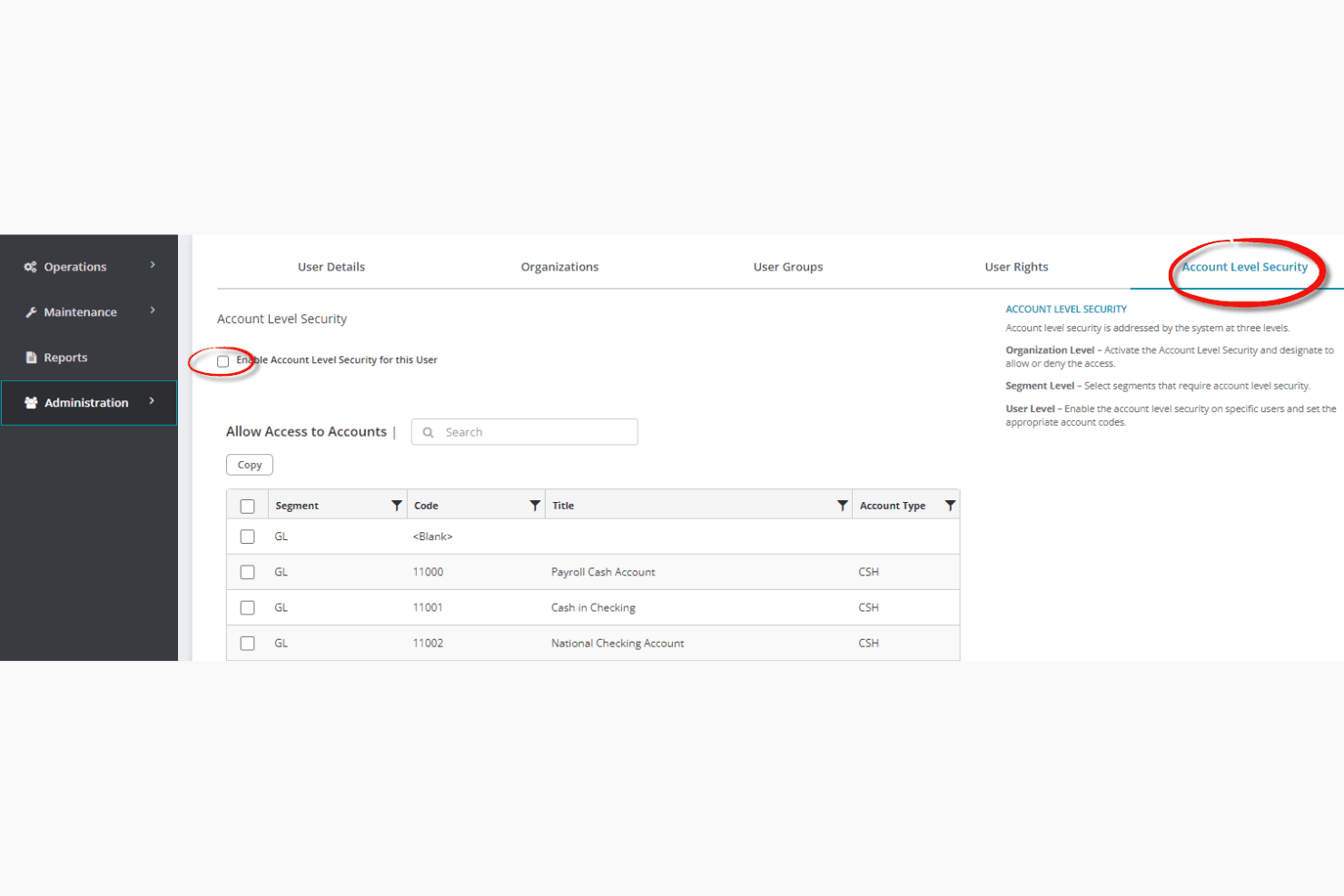
Advanced Security:
MIP Accounting provides robust security features to protect your sensitive financial data. This ensures your church's information remains confidential and secure.
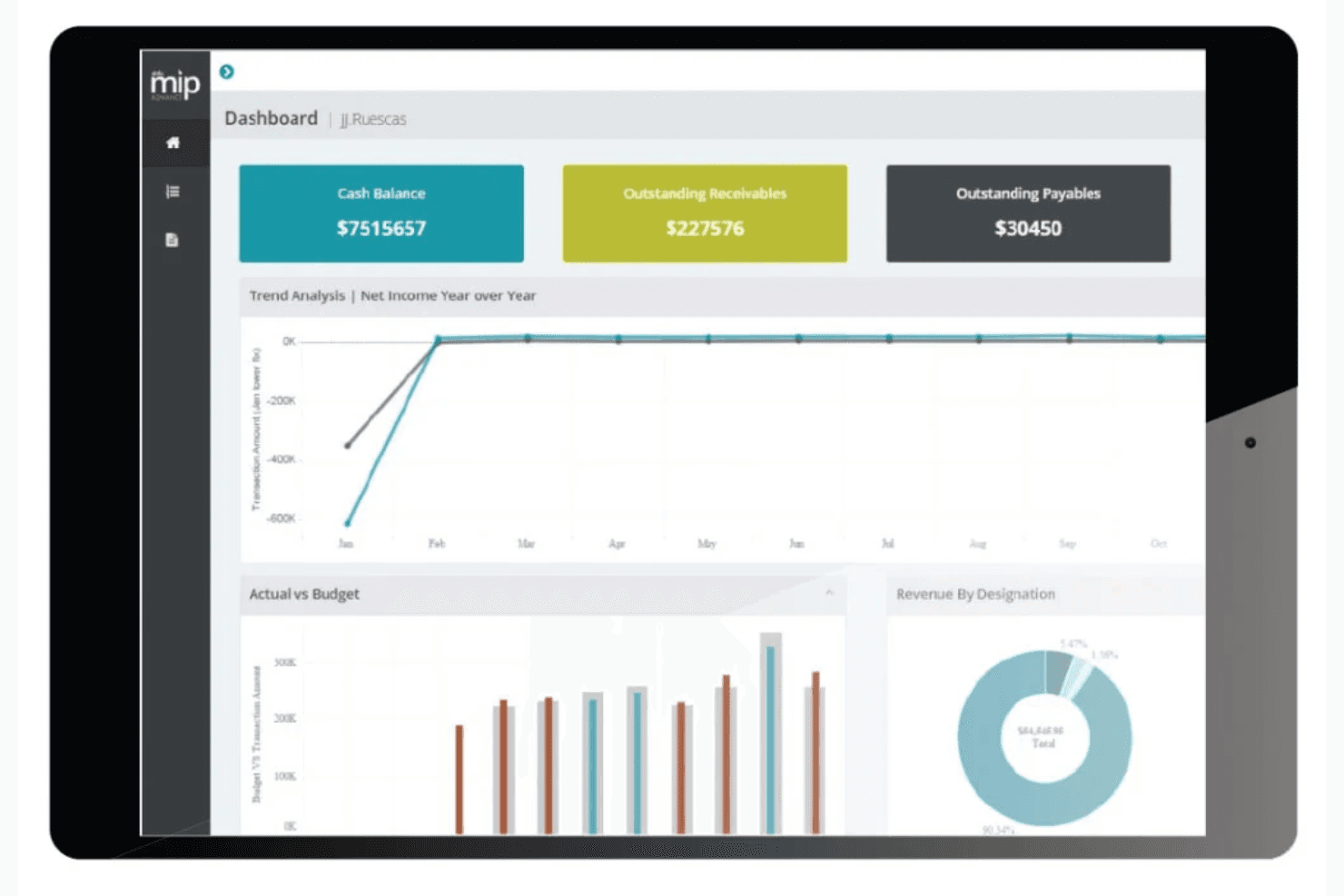
Customizable Dashboards:
You can tailor dashboards to display the data most relevant to your church's operations. This feature allows you to quickly access key financial metrics and insights.
Ease of Use
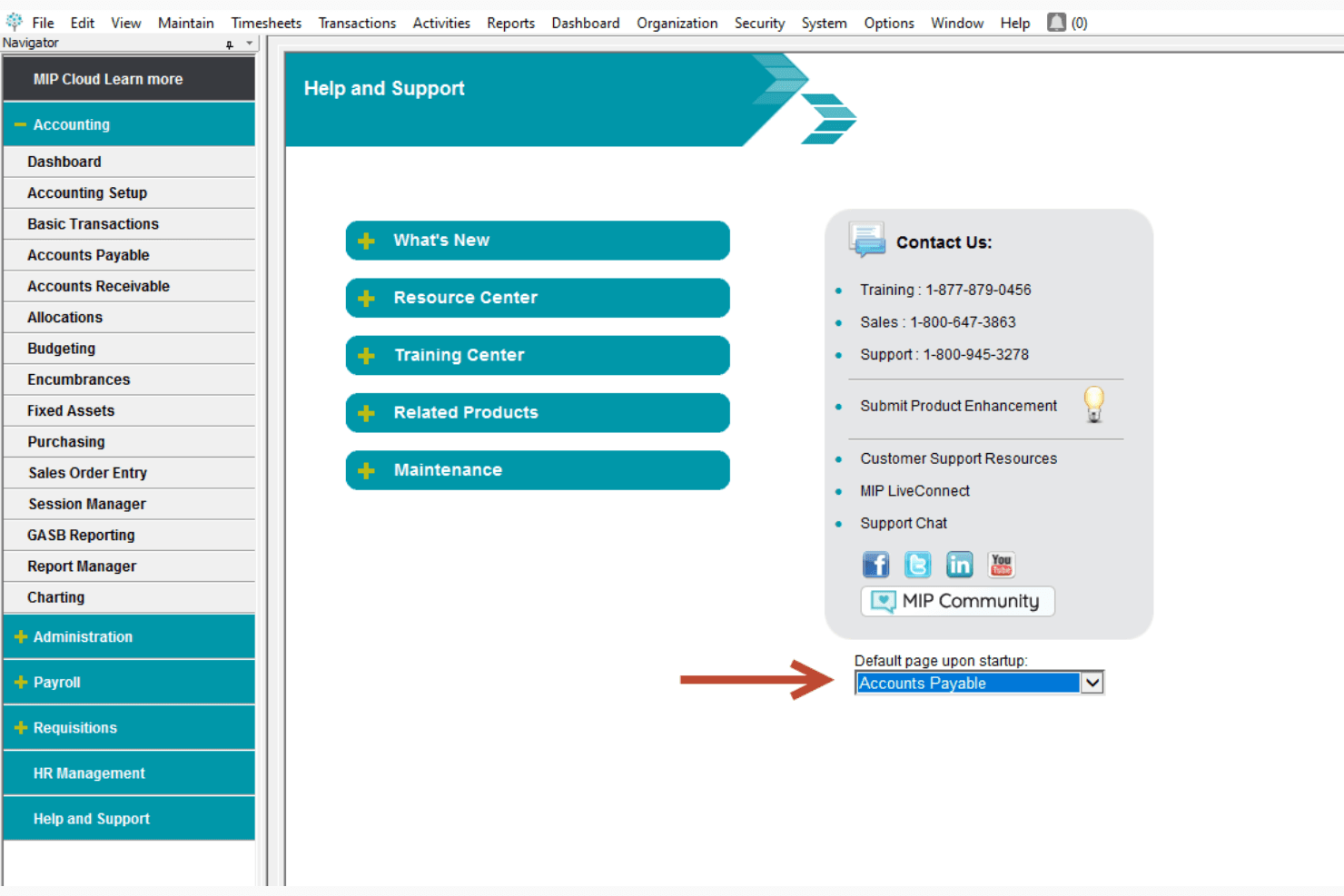
MIP Accounting offers a user-friendly experience, but you'll need time to get comfortable with its features. The interface might seem dated, yet it provides comprehensive tools that benefit your financial management. The learning curve is moderate, with detailed functionalities that require some exploration. Once you and your team are familiar with the system, you'll find it supports your church's financial tasks effectively, making everyday operations smoother.
Onboarding
MIP Accounting provides a solid onboarding experience with helpful resources and support. You'll appreciate the comprehensive guides and responsive customer service that assist in setting up the software. While the process might take some time, the support ensures you're never stuck. The available training materials help your team get up to speed, allowing you to quickly realize the benefits of MIP's robust financial tools for your church.
Customer Support
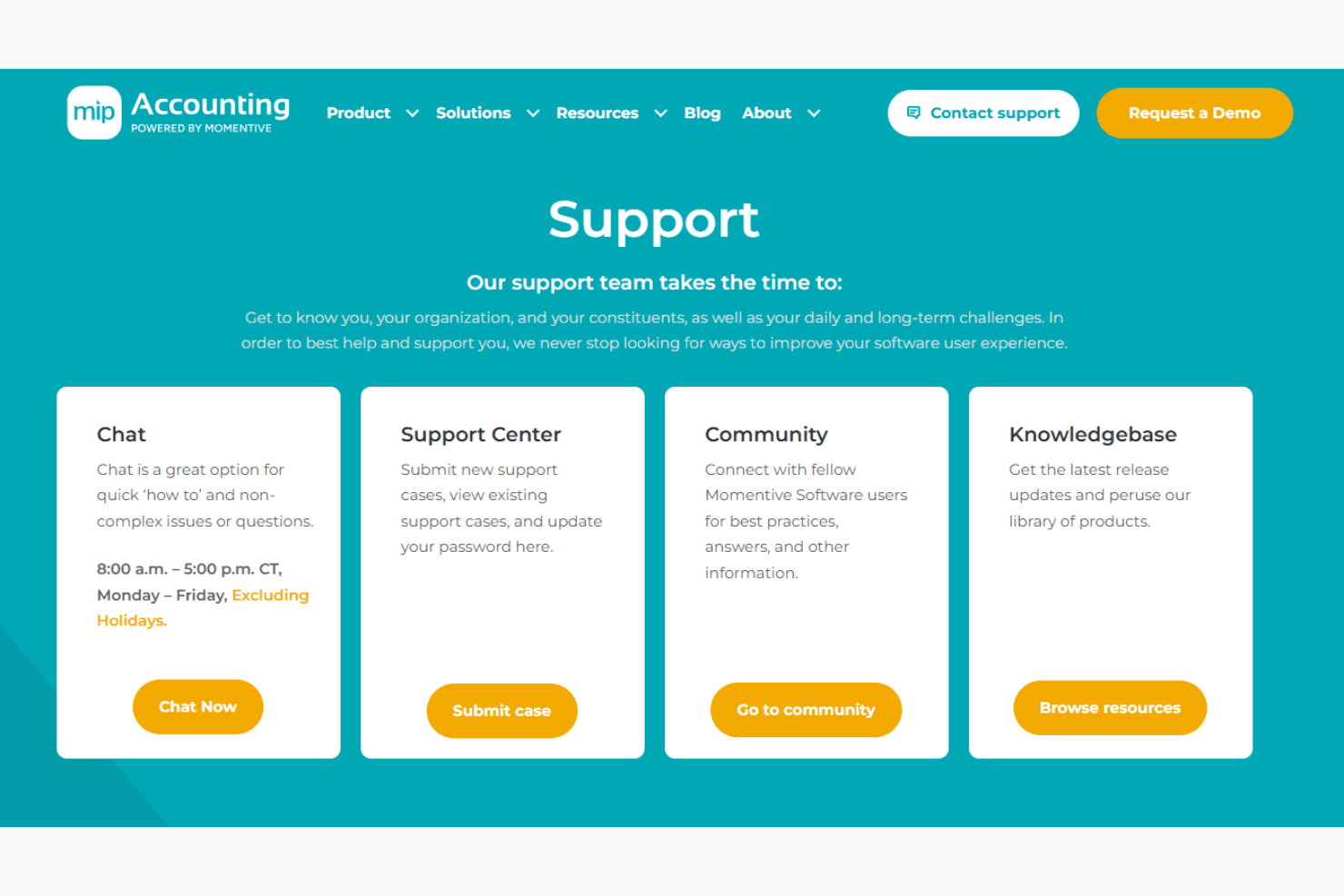
MIP Accounting offers reliable customer support that users find responsive and helpful. You'll benefit from multiple support channels, including phone and email assistance, which ensure your questions get timely answers. The support team is knowledgeable about church-specific needs, providing solutions that work for your unique situations. With a focus on user satisfaction, MIP's support helps your team make the most of the software's capabilities, easing any challenges you might face.
Value for Money
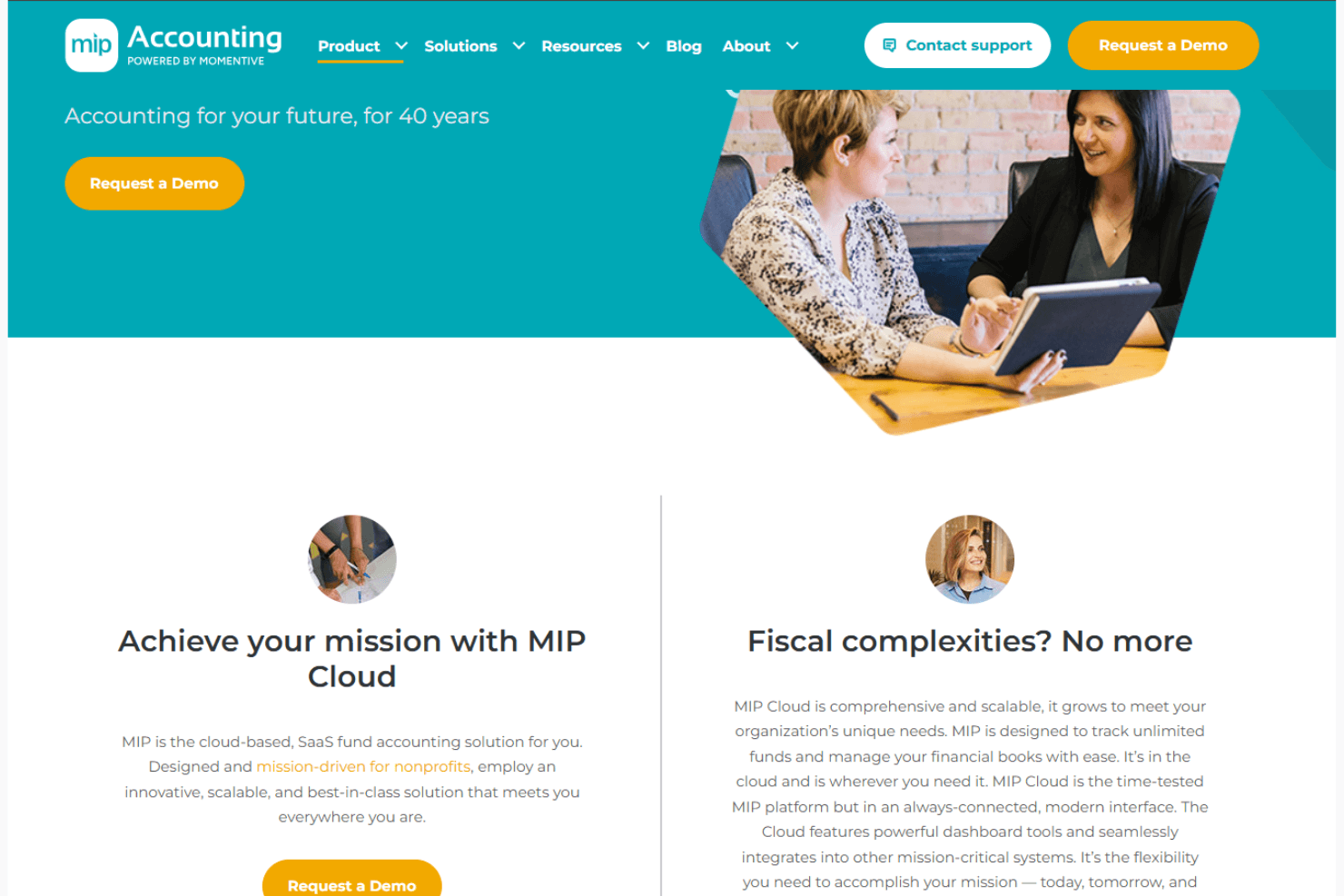
MIP Accounting pricing offers reasonable value considering its feature-rich platform. The software's pricing tiers cater to various church sizes, providing flexibility and scalability. While the cost might be a concern for smaller churches, the comprehensive financial management tools justify the investment for larger congregations seeking detailed oversight.
MIP Fund Accounting Specs
- API: No
- Calendar Management: No
- Contact Management: No
- Dashboards: No
- Data Export: No
- Data Import: No
- Document Management: No
- External Integrations: No
- Multi-User: No
- Notifications: No
- Payment Gateway Integration: No
- Scheduling: No
- Workflow Management: No
MIP Fund Accounting FAQs
MIP Fund Accounting Company Overview & History
MIP Accounting, founded in 1982 in Austin, Texas, is a part of Momentive Software and focuses on cloud-based accounting solutions for nonprofits, schools, and government entities. The company, with a workforce of around 2,000 employees, serves over 100,000 clients globally. Known for its strong customer support and usability, MIP Accounting has a rich history of innovation in financial management software.
MIP Accounting Major Milestones
- 1982: Founded in Austin, Texas, as Micro Information Products.
- 1996: Launched MIP Accounting for Windows.
- 2015: Introduced MIP Cloud, enhancing cloud-based solutions.
- 2017: Acquired by Momentive Software, expanding its reach and capabilities.
What's Next?
Subscribe to our newsletter to get the latest resources, best practices, and insights on managing churches from expert pastors and church leaders.