


Aboundant Review: Pros, Cons, Features, and Pricing


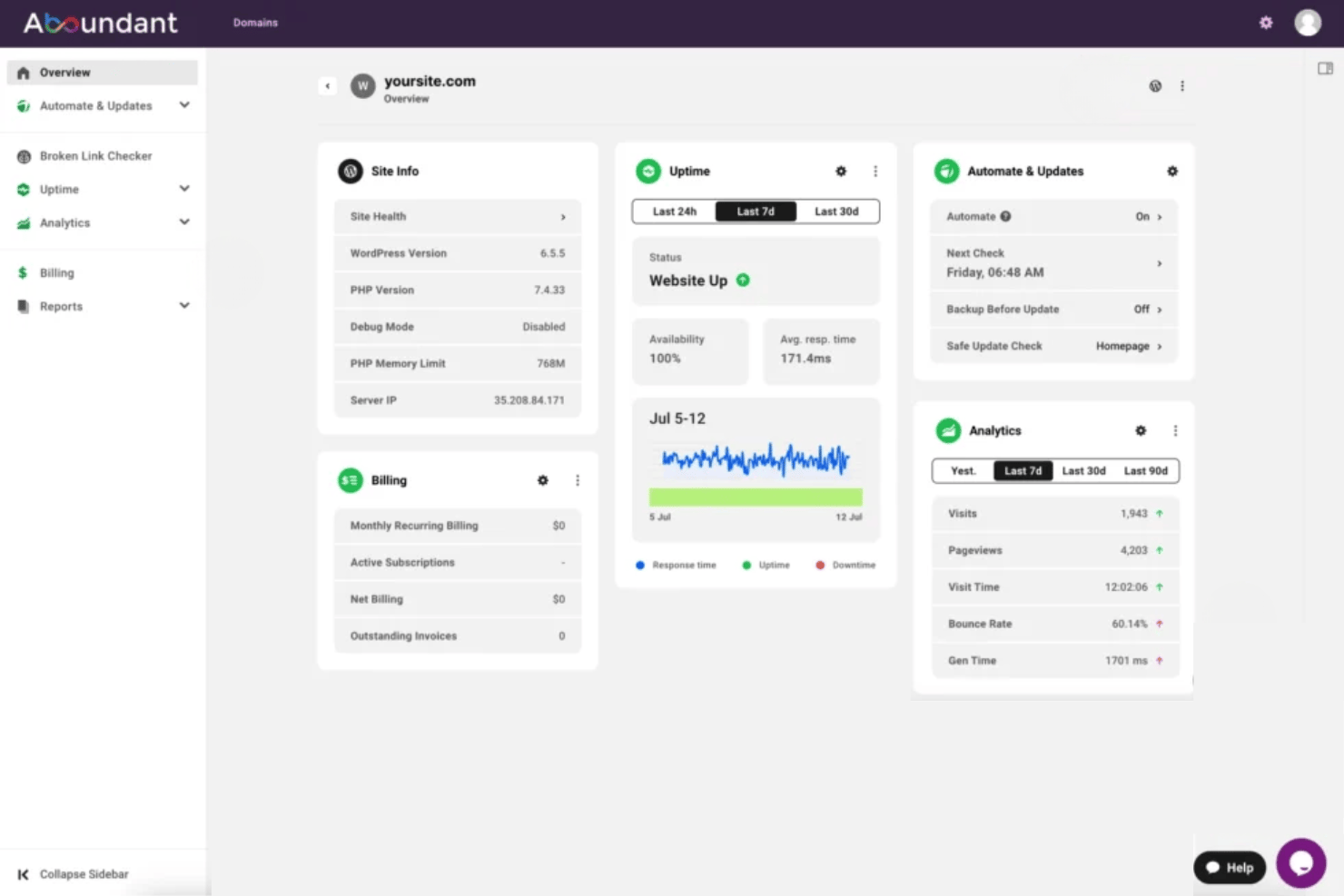
Aboundant is a church website builder built for churches that need a ministry-ready website without hiring a developer. I'd consider it if your congregation needs sermon libraries, event calendars, and online giving tools that work together from day one. If you've been looking at a general builder like Squarespace, Aboundant is the better fit. Its templates and features are designed around church workflows, not repurposed from business use cases.
Aboundant Evaluation Summary
- From $180/year
- 30-day free trial
Why Trust Our Software Recommendations
Our team has been testing and reviewing software since 2012. As church leaders ourselves, we know how difficult—and important—it is to choose the right software.
For this guide, we evaluated tools using hands-on testing and independent research, scoring tools using our selection criteria.
Our reviews reflect our human editorial judgment, not a sales pitch.
Aboundant Overview
When I compare Aboundant to other church website options, I notice its strengths in ready-to-use templates, built-in giving tools, and simple pricing plans. I think its support team understands church needs better than most, and the admin interface is easy enough for volunteers to manage. You might choose Aboundant if you want quick onboarding and don’t need complex integrations. For small to midsize congregations looking to unite their digital presence without tech stress, I’d say Aboundant deserves serious consideration. It may underperform if you want deep customization or advanced event features, but for most churches, it checks the right boxes.
pros
-
Built-in church calendar with event management tools
-
Online giving forms included at all pricing tiers
-
Ministry-specific content widgets simplify update
cons
-
No native mobile app for member access
-
Limited options for advanced sermon media organization
-
Fewer pre-built integrations than other platforms
-

AskMyChurch
Visit Website -
ChMeetings
Visit WebsiteThis rating combines scores from multiple user review sites to reflect overall customer sentiment about the product.4.9 -
Subsplash
Visit WebsiteThis rating combines scores from multiple user review sites to reflect overall customer sentiment about the product.4.5





How We Test & Score Tools
We’ve spent years building, refining, and improving our software testing and scoring system. The rubric is designed to capture the nuances of software selection and what makes a tool effective, focusing on critical aspects of the decision-making process.
Below, you can see exactly how our testing and scoring works across seven criteria. It allows us to provide an unbiased evaluation of the software based on core functionality, standout features, ease of use, onboarding, customer support, integrations, customer reviews, and value for money.
Core Functionality (25% of final scoring)
The starting point of our evaluation is always the core functionality of the tool. Does it have the basic features and functions that a user would expect to see? Are any of those core features locked to higher-tiered pricing plans? At its core, we expect a tool to stand up against the baseline capabilities of its competitors.
Standout Features (25% of final scoring)
Next, we evaluate uncommon standout features that go above and beyond the core functionality typically found in tools of its kind. A high score reflects specialized or unique features that make the product faster, more efficient, or offer additional value to the user.
We also evaluate how easy it is to integrate with other tools typically found in the tech stack to expand the functionality and utility of the software. Tools offering plentiful native integrations, 3rd party connections, and API access to build custom integrations score best.
Ease of Use (10% of final scoring)
We consider how quick and easy it is to execute the tasks defined in the core functionality using the tool. High scoring software is well designed, intuitive to use, offers mobile apps, provides templates, and makes relatively complex tasks seem simple.
Onboarding (10% of final scoring)
We know how important rapid team adoption is for a new platform, so we evaluate how easy it is to learn and use a tool with minimal training. We evaluate how quickly a team member can get set up and start using the tool with no experience. High scoring solutions indicate little or no support is required.
Customer Support (10% of final scoring)
We review how quick and easy it is to get unstuck and find help by phone, live chat, or knowledge base. Tools and companies that provide real-time support score best, while chatbots score worst.
Customer Reviews (10% of final scoring)
Beyond our own testing and evaluation, we consider the net promoter score from current and past customers. We review their likelihood, given the option, to choose the tool again for the core functionality. A high scoring software reflects a high net promoter score from current or past customers.
Value for Money (10% of final scoring)
Lastly, in consideration of all the other criteria, we review the average price of entry level plans against the core features and consider the value of the other evaluation criteria. Software that delivers more, for less, will score higher.
Core Features
Drag-and-Drop Page Builder
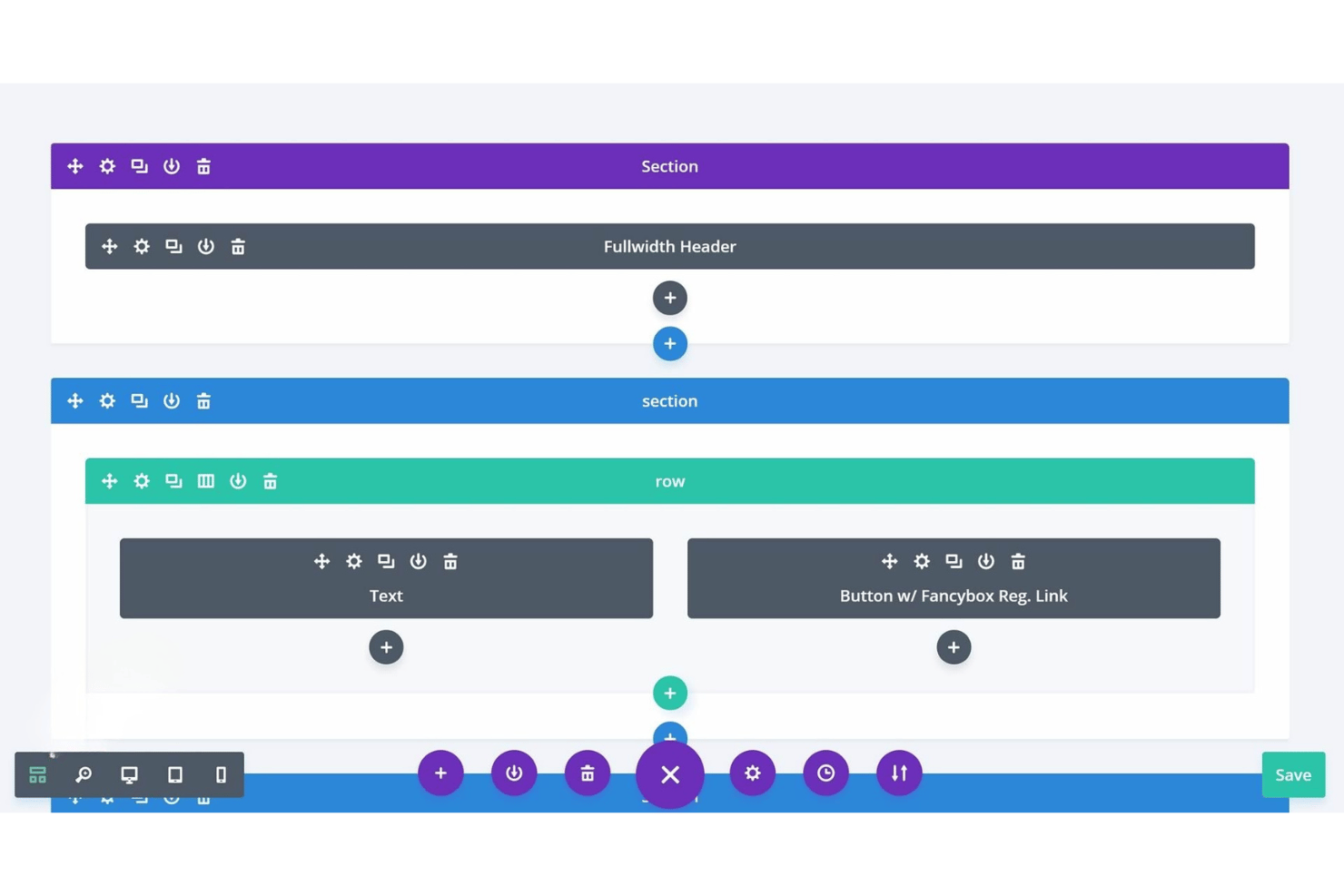
Create pages visually with intuitive drag-and-drop tools. This lets any staff or volunteer quickly update content without coding.
Church Calendar and Event Tools
Publish upcoming services, group meetings, and community events in a unified calendar. Members can view details or RSVP with a click.
Online Giving and Donation Forms
Embed branded giving forms on any page for easy contributions. All pricing plans include donation tracking and recurring gift options.
Sermon Media Library
Organize and display sermons by date, topic, or preacher. Users can watch media directly on your site or download sermon files.
Built-In Blog and News Feed
Share updates, devotionals, or ministry stories with a built-in blogging tool. Scheduled publishing keeps your congregation in the loop.
Ministry-Focused Content Widgets
Add content blocks like staff bios, prayer requests, or scripture easily. Pre-built widgets help churches display ministry-specific information in seconds.
Ease of Use
Aboundant stands out for its genuinely accessible interface—most church volunteers can build pages or update events with minimal tech skills. Its drag-and-drop builder, clear navigation, and pre-made ministry widgets reduce confusion and rework.
Users mention fast setup, while built-in tutorials guide you through common site tasks, making it one of the more approachable options available.
Integrations
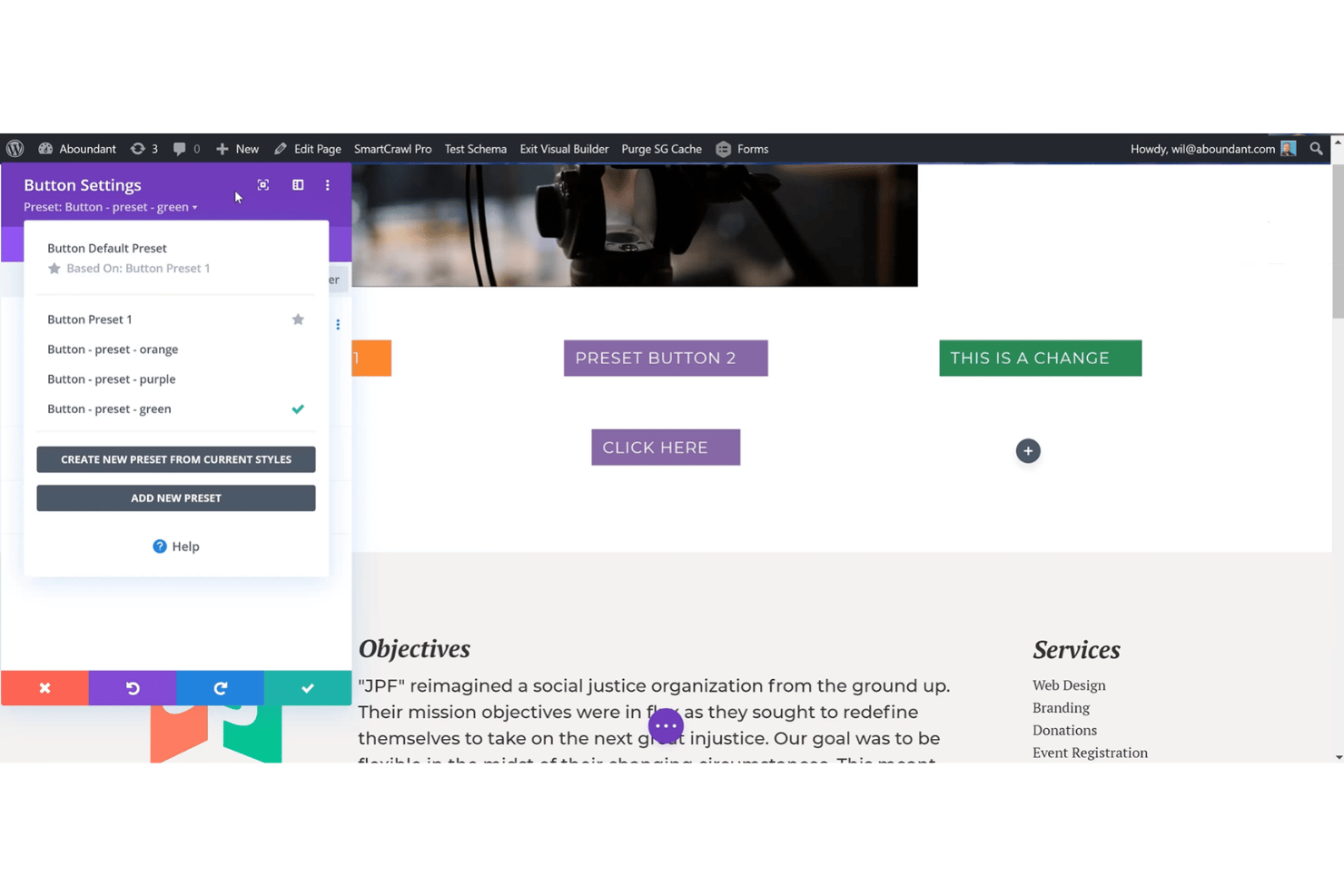
Aboundant integrates with PayPal, Stripe, Google Analytics, Mailchimp, Vimeo, YouTube, Facebook, Twitter, Google Maps, and Google Calendar.
Aboundant does not currently offer an open API or direct connections with third-party integration platforms.
Aboundant Specs
- API
- Calendar Management
- Contact Management
- Dashboards
- Data Export
- Data Import
- Document Management
- External Integrations
- Multi-User
- Notifications
- Payment Gateway Integration
- Scheduling
- Workflow Management

