Recensione di Calendly: Vantaggi, Svantaggi, Funzionalità e Prezzi Spiegati


Calendly is a church scheduling software built around automated appointment booking and calendar management. It's worth considering if your team is coordinating pastoral counseling sessions, volunteer onboarding, or staff meetings—and you want people to book time without the back-and-forth. I'd choose it over Planning Center Scheduling if scheduling is your primary need, since Calendly keeps the setup simple and doesn't bundle you into a broader church management system you may not need.
Calendly Evaluation Summary
- From $10/seat/month (billed annually)
- 14-day free trial + free plan + free demo available
Perché fidarsi dei nostri consigli sui software
Il nostro team testa e recensisce software dal 2012. In quanto leader ecclesiastici noi stessi, sappiamo quanto sia difficile — e importante — scegliere il software giusto.
Per questa guida, abbiamo valutato gli strumenti attraverso test pratici e ricerche indipendenti, assegnando un punteggio agli strumenti in base ai nostri criteri di selezione.
Le nostre recensioni riflettono il nostro giudizio editoriale umano, non un discorso di vendita.
Calendly Overview
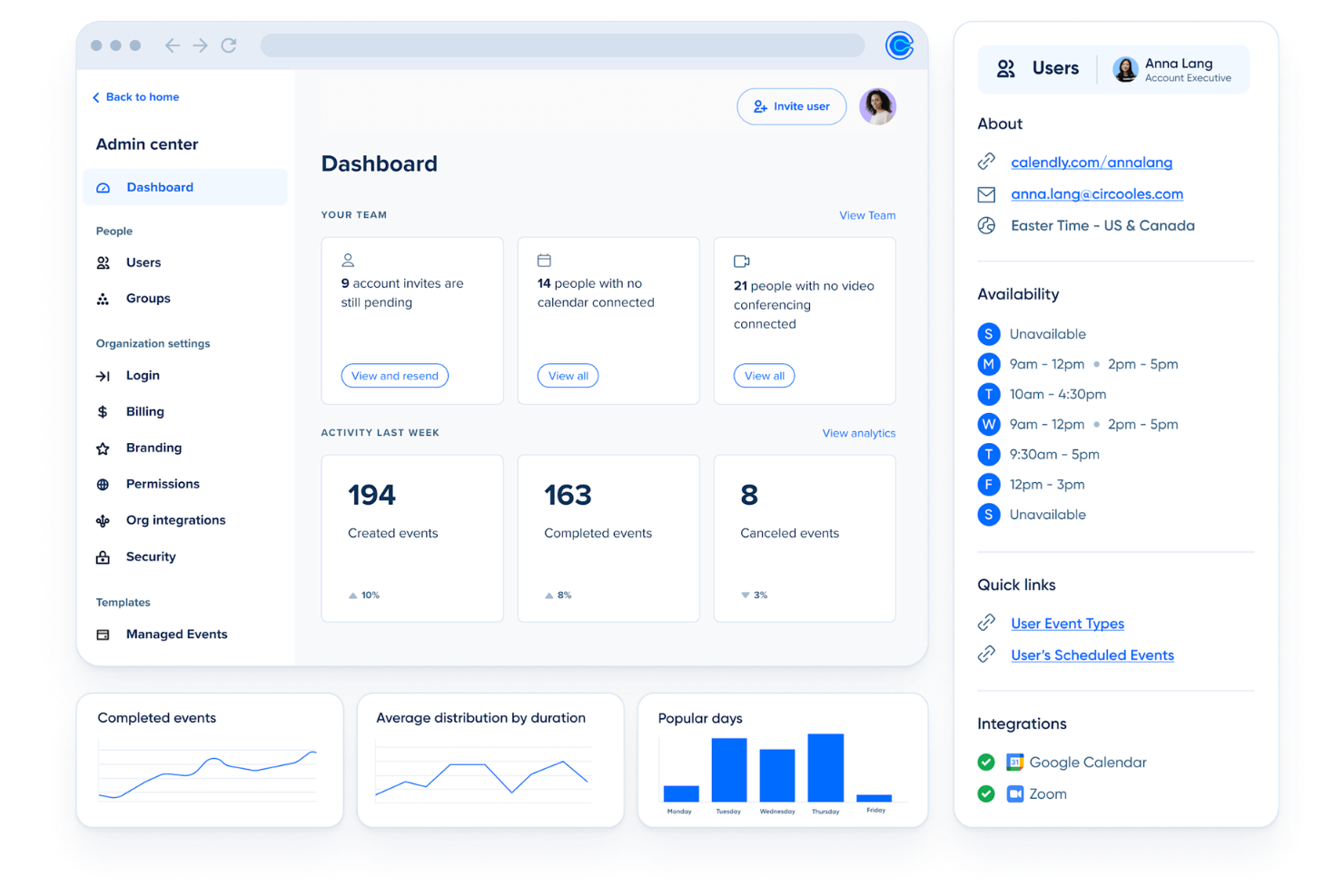
When judging Calendly as a church scheduling software, its clean interface, quick onboarding, and strong calendar integrations set it apart for churches needing simple, automated bookings. While it lacks built-in tools for room management or volunteer coordination, its pricing is transparent and its overall functionality is solid. If you’re selecting a solution for basic meeting scheduling—like pastoral appointments or small group sign-ups—Calendly excels. However, for complex event planning, you may find its features limited compared to more specialized options. Overall, it’s a top pick for churches prioritizing ease of use and straightforward scheduling.
pros
-
Syncs with Google and Outlook calendars to prevent double.
-
Automates email and text reminders for scheduled meetings.
-
Offers meeting polls to find the best group time.
cons
-
Lacks built-in tools for room or resource management.
-
No volunteer scheduling or rotation features.
-
Free plan restricts advanced scheduling options and branding.
-

AskMyChurch
Visit Website -
ChMeetings
Visit WebsiteThis rating combines scores from multiple user review sites to reflect overall customer sentiment about the product.4.9 -
Subsplash
Visit WebsiteThis rating combines scores from multiple user review sites to reflect overall customer sentiment about the product.4.5





Come Testiamo e Valutiamo gli Strumenti
Abbiamo trascorso anni a costruire, perfezionare e migliorare il nostro sistema di test e valutazione dei software. Il nostro metodo è progettato per cogliere tutte le sfumature della selezione software e ciò che rende uno strumento efficace, concentrandosi sugli aspetti critici del processo decisionale. Qui sotto puoi vedere esattamente come funzionano i nostri test e valutazioni in base a sette criteri. Questo ci permette di offrire una valutazione imparziale dei software considerando funzionalità di base, caratteristiche distintive, facilità d’uso, onboarding, supporto clienti, integrazioni, recensioni dei clienti e rapporto qualità-prezzo.
Funzionalità di Base (25% del punteggio finale)
Il punto di partenza della nostra valutazione è sempre la funzionalità di base dello strumento. Dispone delle funzionalità e caratteristiche essenziali che un utente si aspetterebbe di trovare? Alcune di queste funzioni di base sono limitate a piani con prezzi superiori? In sostanza, ci aspettiamo che uno strumento sia all’altezza delle capacità minime offerte dai concorrenti.
Caratteristiche Distintive (25% del punteggio finale)
Successivamente analizziamo le caratteristiche distintive che vanno oltre la funzionalità base tipica degli strumenti di questa tipologia. Un punteggio alto riflette funzioni specializzate o uniche che rendono il prodotto più veloce, efficiente o offrono valore aggiunto all’utente. Valutiamo anche quanto sia semplice integrare altri strumenti comunemente presenti nello stack tecnologico per espandere la funzionalità e l’utilità del software. Gli strumenti che offrono numerose integrazioni native, connessioni di terze parti e accesso API per creare integrazioni personalizzate ottengono il punteggio migliore.
Facilità d’Uso (10% del punteggio finale)
Consideriamo quanto sia veloce e facile eseguire i compiti principali definiti usando lo strumento. I software con punteggi elevati sono ben progettati, intuitivi, offrono app mobili, mettono a disposizione modelli e rendono semplici anche i compiti più complessi.
Onboarding (10% del punteggio finale)
Sappiamo quanto sia importante adottare rapidamente una nuova piattaforma, quindi valutiamo quanto sia semplice imparare e utilizzare uno strumento con il minimo training. Esaminiamo quanto rapidamente un membro del team possa essere operativo senza esperienza precedente. Le soluzioni con punteggio alto richiedono poco o nessun supporto.
Supporto Clienti (10% del punteggio finale)
Valutiamo quanto sia rapido e semplice risolvere i problemi e ottenere assistenza tramite telefono, chat dal vivo o knowledge base. Gli strumenti e le aziende che forniscono supporto in tempo reale ottengono il punteggio migliore, mentre i chatbot ottengono la valutazione più bassa.
Recensioni dei Clienti (10% del punteggio finale)
Oltre ai nostri test e valutazioni, prendiamo in considerazione il net promoter score di clienti attuali e passati. Esaminiamo la loro propensione, data la scelta, a selezionare nuovamente lo strumento per le funzioni principali. Un software con punteggio alto riflette un net promoter score elevato da parte dei clienti attuali o precedenti.
Rapporto Qualità-Prezzo (10% del punteggio finale)
Infine, considerando tutti gli altri criteri, esaminiamo il prezzo medio dei piani base rispetto alle funzionalità principali e valutiamo il valore degli altri indicatori. I software che offrono di più, a meno, ottengono un punteggio superiore.
Core Features
Calendar Syncing
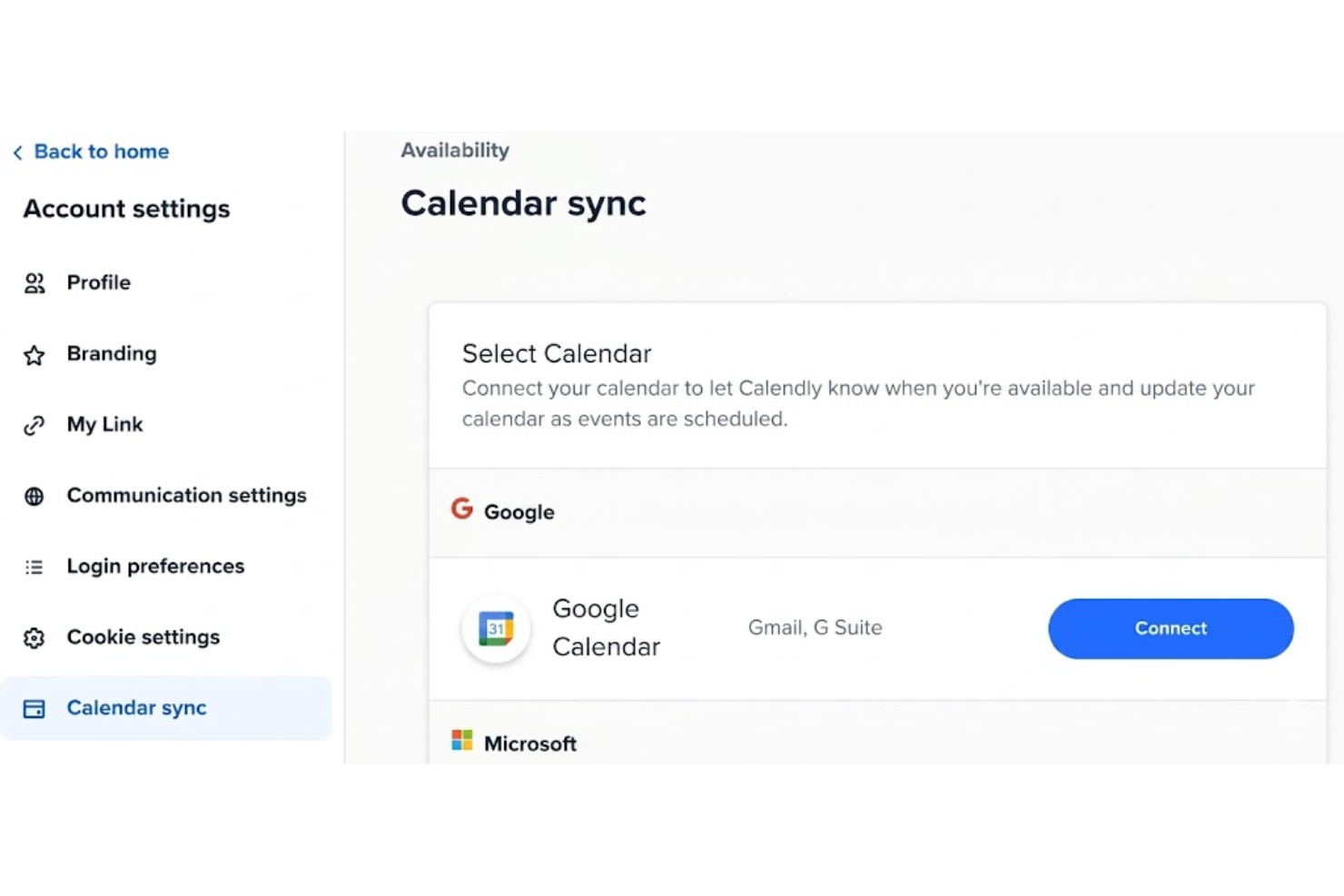
Calendly connects with Google, Outlook, and Exchange calendars to prevent double-booking and keep schedules up to date.
Custom Event Types
Create different meeting types, such as one-on-ones or group sessions, each with unique durations and settings.
Automated Reminders
Send automatic email and text reminders to reduce no-shows and keep attendees informed.
Meeting Polls
Allow groups to vote on the best meeting time, then automatically book the most popular slot.
Availability Management
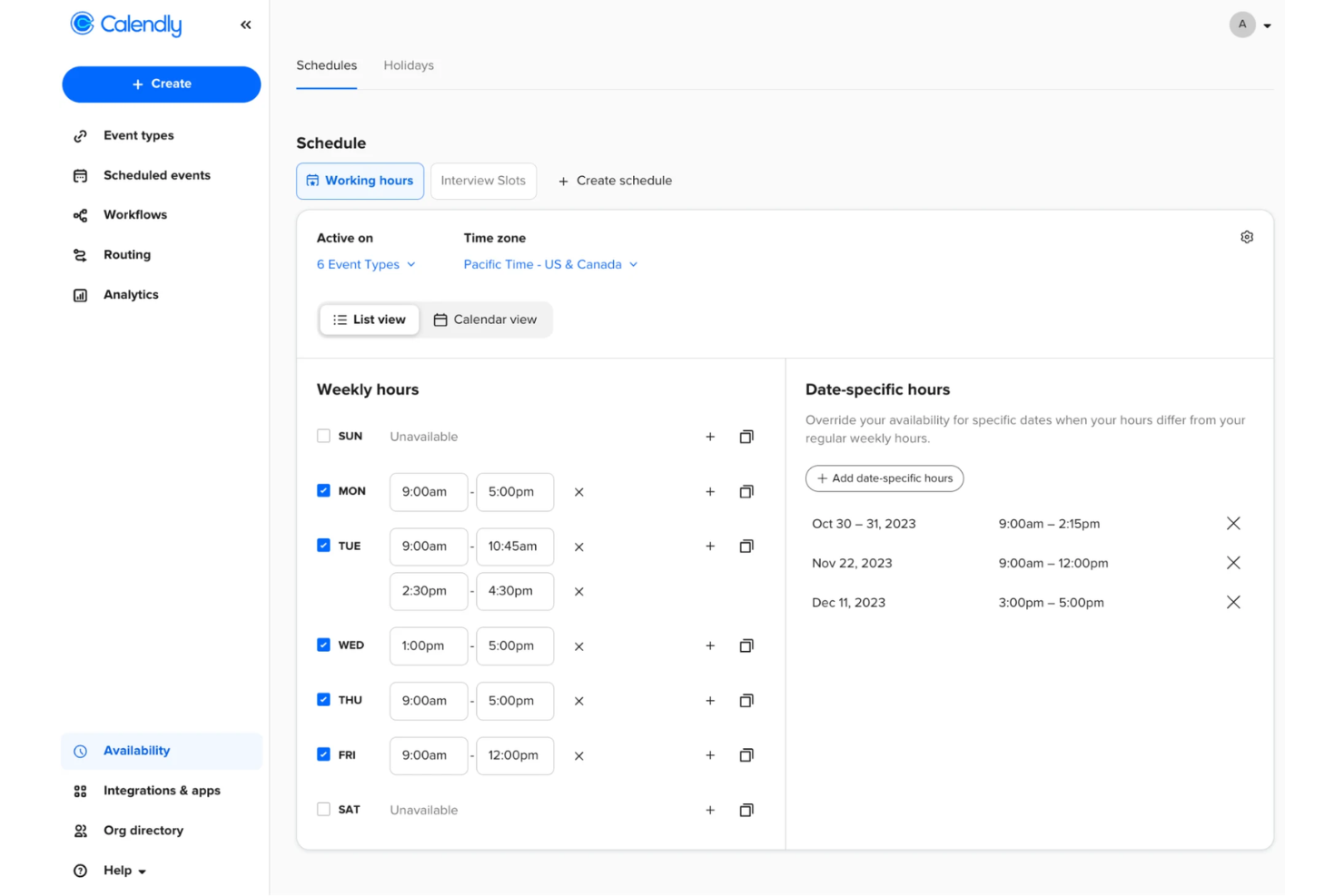
Set your available times, add buffers between meetings, and limit the number of daily bookings, ensuring smooth scheduling in real-time.
Routing Forms
Collect information from invitees before booking and direct them to the right scheduling page based on their responses.
Ease of Use
Calendly stands out for its clean interface and quick setup, making it approachable for church staff and volunteers with varying tech skills. Users consistently mention how easy it is to create booking links, adjust availability, and manage appointments without training. The platform’s intuitive design reduces administrative headaches and helps prevent scheduling mistakes. While it doesn’t offer advanced event management, its simplicity is a major advantage for churches focused on straightforward scheduling and seamless user experience.
Integrations
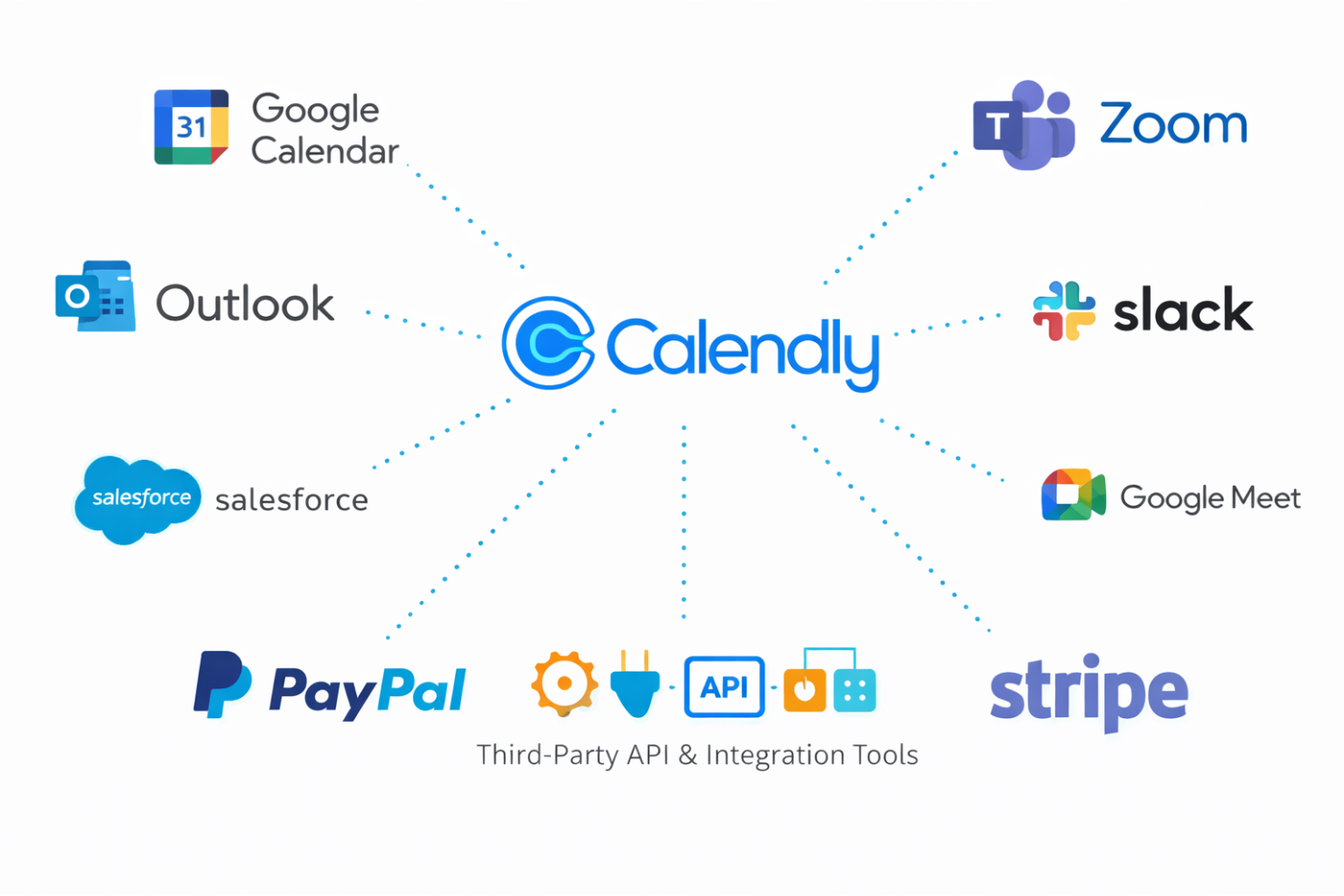
Calendly integrates with Google Calendar, Outlook, Microsoft Teams, Zoom, Slack, Salesforce, HubSpot, PayPal, Stripe, and Google Meet, among others.
Calendly also offers an API and connects with third-party integration tools like Zapier for expanded automation and connectivity.
Calendly Specs
- API
- Appointment Scheduling
- Attendance Tracking
- Calendar Management
- Contact Management
- Contact Sharing
- Dashboards
- Email Integration
- External Integrations
- Google Apps Integration
- Mobile App
- Multi-User
- Notifications
- Project Management
- Reports
- Resource Management
- Scheduling
- Task Scheduling/Tracking
- Time Management
- Vacation & Absence Calendar