

10 migliori alternative a QuickBooks recensite nel 2026

10 Elenco delle migliori alternative a QuickBooks


Le migliori alternative a QuickBooks aiutano le chiese a semplificare la contabilità dei fondi, generare rendiconti accurati per i donatori e formare i non esperti senza frustrazioni. Questi strumenti sono progettati pensando al ministero, così il vostro gruppo può operare in conformità, con sicurezza e concentrarsi sulle persone, non sui fogli di calcolo.
Dopo aver ricoperto ruoli di leadership in chiesa per oltre 20 anni (e aver esaminato più di 30 strumenti per la contabilità e le donazioni), ho visto ripetersi più volte lo stesso problema: QuickBooks semplicemente non è progettato per le chiese. In una chiesa in cui ho prestato servizio, le donazioni venivano registrate manualmente in Excel perché QuickBooks non riusciva a generare i rendiconti delle donazioni. Un'altra ha dovuto coinvolgere un commercialista solo per formare un tesoriere volontario. Quando finalmente sono passati a uno strumento specifico per le chiese, il gruppo riusciva a eseguire i rendiconti in pochi minuti e le ricevute per i donatori venivano automatizzate. Il tempo che dedicavamo alle attività amministrative è crollato.
QuickBooks spesso costringe le chiese a ricorrere a soluzioni alternative, componenti aggiuntivi o assistenza esterna solo per gestire le attività ministeriali di base. Un'alternativa migliore può allineare le vostre finanze alla vostra missione, offrire al gruppo strumenti che possa realmente utilizzare e permettervi di servire con integrità e trasparenza. Ecco perché questo elenco è importante.
Che cos'è QuickBooks?
QuickBooks è un software per la gestione finanziaria delle chiese che aiuta le organizzazioni a gestire le proprie operazioni finanziarie. È comunemente utilizzato dai responsabili delle chiese, dai contabili e dai proprietari di piccole imprese che cercano un modo efficiente per gestire le finanze.
Le funzioni di monitoraggio del budget, fatturazione e gestione delle buste paga aiutano a organizzare i dati finanziari e a prendere decisioni informate. Nel complesso, QuickBooks offre una soluzione affidabile per gestire le esigenze finanziarie della vostra chiesa.
Perché fidarsi dei nostri consigli sui software
Il nostro team testa e recensisce software dal 2012. In quanto leader ecclesiastici noi stessi, sappiamo quanto sia difficile — e importante — scegliere il software giusto.
Per questa guida, abbiamo valutato gli strumenti attraverso test pratici e ricerche indipendenti, assegnando un punteggio agli strumenti in base ai nostri criteri di selezione.
Le nostre recensioni riflettono il nostro giudizio editoriale umano, non un discorso di vendita.
Tabella comparativa delle alternative a QuickBooks
Questa tabella comparativa riassume i dettagli sui prezzi delle mie migliori alternative a QuickBooks:
| Tool | Best For | Trial Info | Price | ||
|---|---|---|---|---|---|
| 1 | Ideale per moduli di gestione integrati per chiese | Piano gratuito disponibile | Da $12/mese (fatturazione mensile) | Website | |
| 2 | Ideale per input manuale minimo | Demo gratuita disponibile | Prezzo su richiesta | Website | |
| 3 | Ideale per la rendicontazione automatica delle spese | Piano gratuito disponibile + prova gratuita di 30 giorni | Da $15/utente/mese | Website | |
| 4 | Ideale per il monitoraggio dei progetti | Prova gratuita di 30 giorni disponibile | Da $2.50/mese | Website | |
| 5 | Ideale per la contabilità gratuita | Prova gratuita di 30 giorni + piano gratuito disponibile | Da $15/mese | Website | |
| 6 | Ideale per la contabilità sicura delle organizzazioni non profit | Piano gratuito + demo gratuita disponibile | Da $15/mese (fatturazione annuale) | Website | |
| 7 | Ideale per la contabilità gratuita | Prova gratuita di 30 giorni + demo gratuita disponibile | Da $20/mese | Website | |
| 8 | Ideale per contabilità gratuita | Piano gratuito disponibile | A partire da $19/mese | Website | |
| 9 | Ideale per le esigenze specifiche delle chiese | Demo gratuita disponibile | Prezzi su richiesta | Website | |
| 10 | Ideale per la contabilità per fondo specifico | Demo gratuita disponibile | Prezzo su richiesta | Website |
Recensioni delle migliori alternative a QuickBooks
Di seguito sono riportati i miei riepiloghi dettagliati delle migliori alternative a QuickBooks incluse nel mio elenco. Le mie recensioni offrono un’analisi approfondita delle funzionalità principali, dei pro e contro, delle integrazioni e dei casi d’uso ideali di ogni strumento, per aiutarvi a trovare quello più adatto a voi.

Ideale per moduli di gestione integrati per chiese
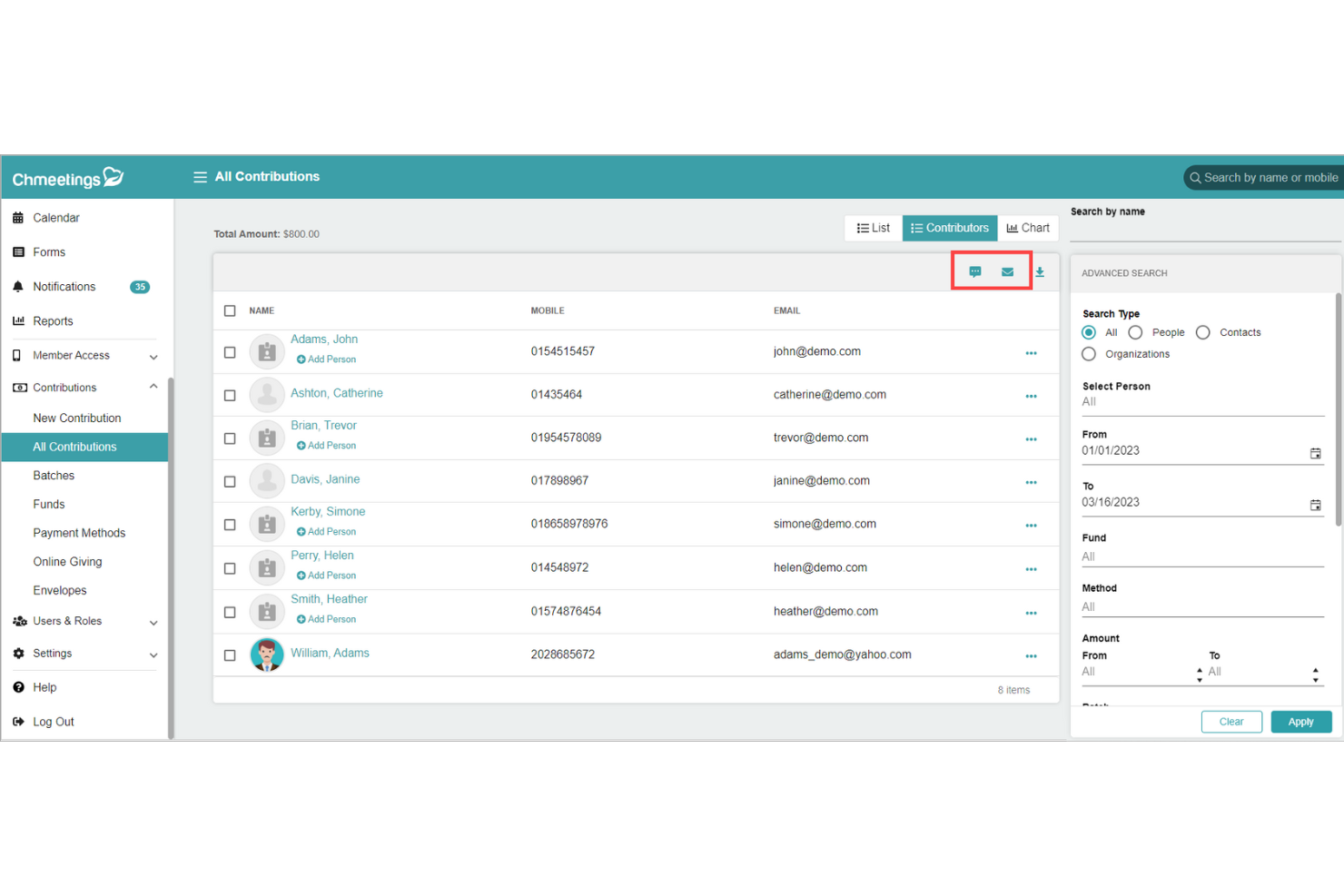
ChMeetings è una piattaforma di gestione e contabilità pensata appositamente per chiese, ministeri e organizzazioni religiose. Unisce contabilità per fondi, budgeting e monitoraggio delle donazioni in un unico sistema semplice e intuitivo, creato per tesorieri di chiesa e volontari, piuttosto che per contabili aziendali.
Perché è una valida alternativa a Quickbooks: Ho scelto ChMeetings perché è progettato su misura per le chiese e non per le aziende, rendendo molto più semplice gestire donazioni, budget e fondi vincolati senza ricorrere agli stratagemmi spesso necessari con QuickBooks. Offre monitoraggio specifico per fondi, reportistica donatori e report finanziari già pronti per chiese, promuovendo trasparenza e fiducia. Con migrazione gratuita e accurata dei dati, sincronizzazione bancaria e un'interfaccia intuitiva e adatta ai volontari, ChMeetings aiuta i ministeri a mantenere l’organizzazione finanziaria, dedicando più tempo alla propria missione e meno alla contabilità.
Funzionalità principali e integrazioni:
Le funzionalità includono potenti strumenti di contabilità per fondi che permettono di allocare entrate e spese a fondi specifici, mantenere la trasparenza e garantire una corretta amministrazione delle risorse della chiesa. Il modulo di budgeting e controllo delle spese aiuta i ministeri a monitorare la spesa in tempo reale e a confrontare budget preventivi e consuntivi. Grazie alla sincronizzazione bancaria e alle importazioni intelligenti, è possibile collegare in modo sicuro i conti bancari della chiesa, automatizzare la categorizzazione delle transazioni e risparmiare ore di inserimento manuale dei dati.
Le integrazioni comprendono Stripe, PayPal, BlueSnap, Paystack, Twilio, MailChimp, SMS Global, Zeffy e Clickatell.
Pros and Cons
Pros:
- Progettato specificamente per la contabilità delle chiese
- Integrazione con moduli di gestione della chiesa
- Intuitivo/accessibile anche ai non contabili
Cons:
- Assenza di funzionalità avanzate di contabilità e caratteristiche di nicchia
- Integrazione nativa limitata con strumenti esterni avanzati di reportistica/BI
New Product Updates from ChMeetings

ChMeetings Improves Reconciliation and Adds Fund By Month Report
ChMeetings adds a direct Reconcile button, improved save-for-later support, and a new Fund By Month report. These updates make reconciliation easier to resume and give teams clearer month-by-month fund visibility. For more information, visit ChMeetings’ official site.
 .
.
Ideale per input manuale minimo
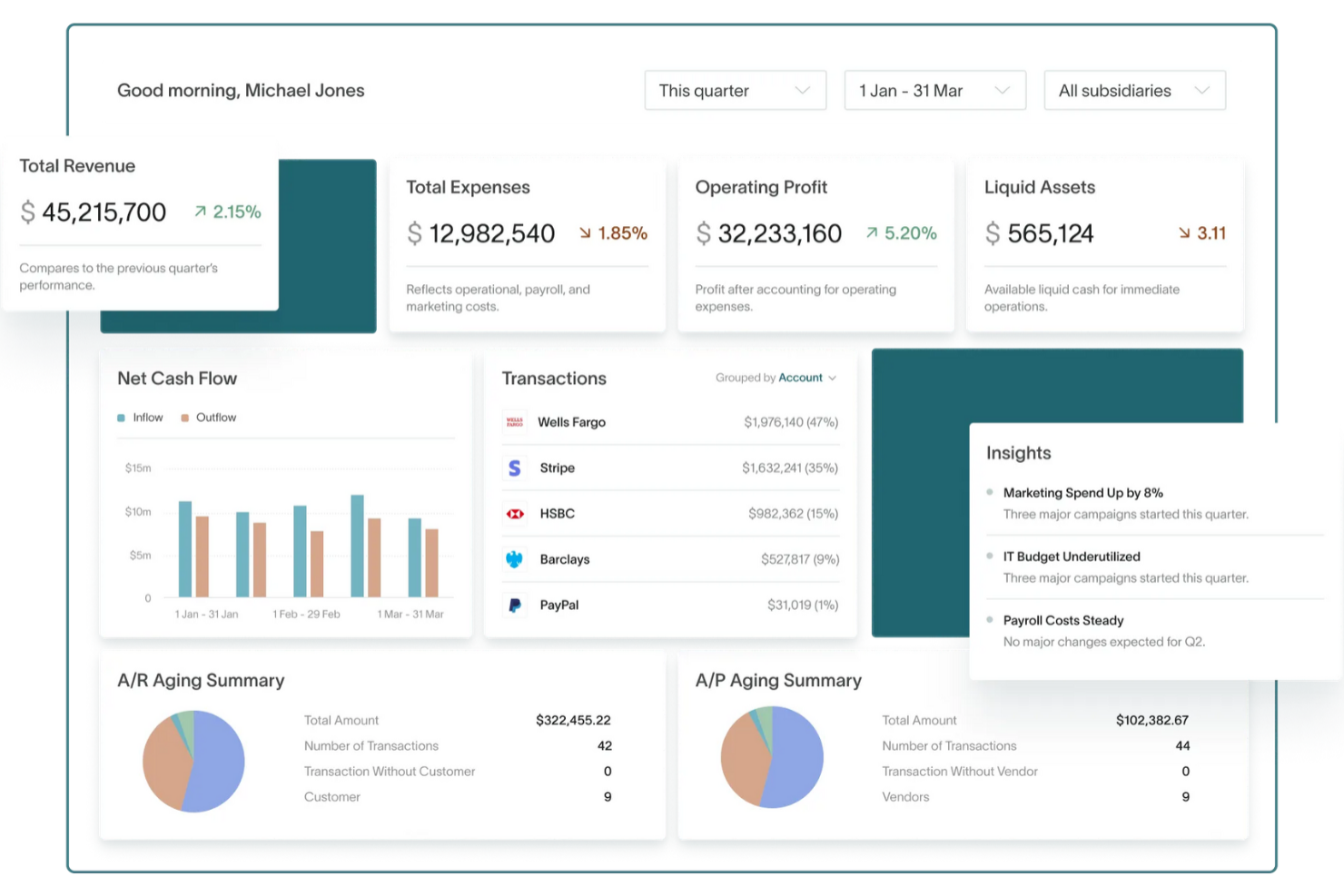
DualEntry è una piattaforma contabile potenziata dall'IA progettata per organizzazioni in crescita che necessitano di funzionalità avanzate. È ideale per chiese o ministeri di grandi dimensioni che gestiscono volumi elevati di transazioni e desiderano automatizzare le attività contabili ripetitive.
Perché è una buona alternativa a Quickbooks: Ho scelto DualEntry perché è pensato per gestire flussi di lavoro contabili complessi con un intervento manuale minimo. Può abbinare automaticamente le transazioni, categorizzare le registrazioni e persino gestire complessi processi di riconoscimento dei ricavi. Per le chiese che si occupano di operazioni multi-ente o donazioni internazionali, il supporto di DualEntry per valute multiple e i collegamenti bancari in tempo reale possono offrire flessibilità aggiuntiva.
Funzionalità e integrazioni principali:
Le funzionalità includono abbinamento delle transazioni tramite IA, strutture personalizzabili del libro mastro generale e dashboard finanziarie in tempo reale che ti tengono aggiornato sulla salute finanziaria della tua chiesa. DualEntry offre anche supporto diretto di esperti contabili e un'implementazione rapida guidata da un CPA.
Le integrazioni includono BambooHR, Bill.com, Brex, Deel, Google SSO, Gusto, HubSpot, Ramp, Rippling, Salesforce, Stripe Billing e Stripe Invoicing.
Pros and Cons
Pros:
- Il riconoscimento automatico dei ricavi garantisce la conformità agli standard
- Supporta operazioni multi-ente e multi-valuta
- Funzionalità avanzate basate su IA aiutano nelle attività contabili complesse
Cons:
- Essendo un ERP, può offrire più funzioni del necessario per esigenze contabili più semplici
- Le opzioni di personalizzazione richiedono un'attenta configurazione

Ramp
Ideale per la rendicontazione automatica delle spese

Ramp è una piattaforma di gestione delle spese che offre carte aziendali, gestione delle spese e soluzioni per la contabilità fornitori. È progettata per aiutare le aziende a gestire le proprie finanze automatizzando le attività e fornendo dati approfonditi.
Perché è una buona alternativa a Quickbooks: Ho scelto Ramp perché automatizza la rendicontazione delle spese: non devi inserire o categorizzare nulla manualmente. Puoi impostare flussi di approvazione che si adattano alle tue politiche e gestire tutte le tue fatture e pagamenti in un unico posto. Mi piace anche come l’AI di Ramp ti aiuti a individuare le spese eccessive, così puoi mantenere le tue finanze sotto controllo.
Funzionalità principali e integrazioni:
Le funzionalità includono la possibilità di gestire carte aziendali, che ti permette di emettere carte ai tuoi dipendenti con limiti di spesa specifici e monitorare il loro utilizzo in tempo reale. Un’altra funzionalità chiave è la soluzione per la contabilità fornitori, che consolida tutte le tue fatture e pagamenti in un unico posto per una gestione più semplice. Inoltre, le analisi guidate dall’intelligenza artificiale di Ramp ti aiutano a identificare le aree in cui potresti spendere troppo, fornendoti i dati per decisioni finanziarie consapevoli.
Le integrazioni includono NetSuite, QuickBooks, Xero, Amazon Business, American Airlines AAdvantage Business, Egencia, Gmail, Bank of America, US Bank, Microsoft Azure AD, Workday e Okta.
Pros and Cons
Pros:
- Rendicontazione delle spese e abbinamento delle ricevute automatizzati
- Possibilità di emettere più carte virtuali con controlli personalizzabili
- Funzionalità di reportistica complete
Cons:
- Potrebbe offrire funzionalità contabili più avanzate
- Si concentra principalmente su contabilità fornitori e gestione delle spese
New Product Updates from Ramp

Ramp Adds VAT-Compliant Reimbursement Statements
Ramp added VAT and entity address details to reimbursement statements, helping teams in the EU, UK, and Canada reclaim VAT with less manual paperwork. For more information, visit Ramp’s official site.
 .
.
Xero
Ideale per il monitoraggio dei progetti
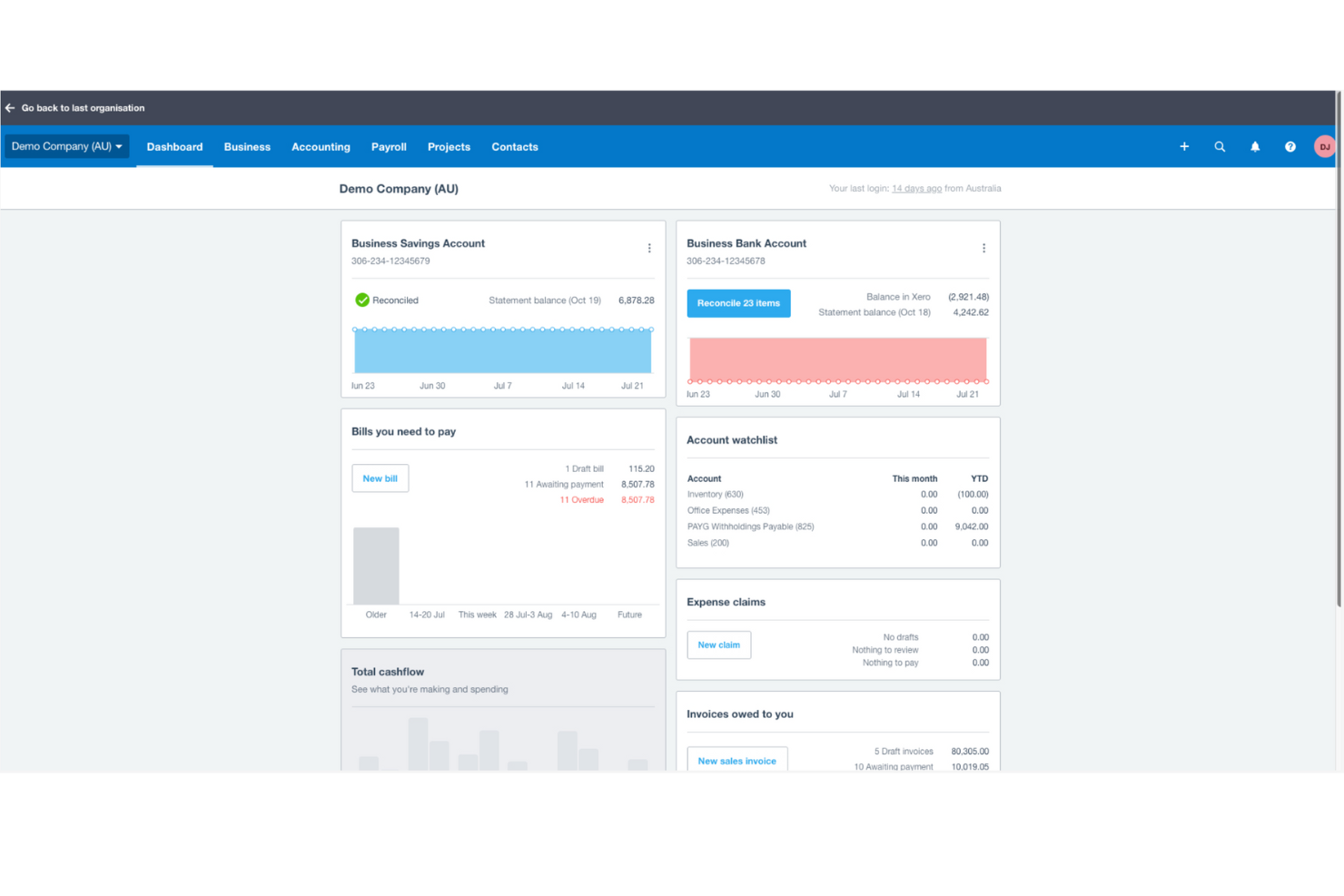
Xero è una piattaforma di contabilità basata su cloud progettata per aiutare le piccole imprese a gestire le proprie finanze. Offre un set completo di strumenti che rendono semplici le attività contabili, posizionandosi come una solida alternativa a QuickBooks.
Perché l'ho scelto
Ho scelto Xero come alternativa a QuickBooks per le sue capacità di monitoraggio dei progetti. Questa funzione permette di tenere sotto controllo le spese e la redditività dei progetti, particolarmente utile se gestisci più progetti e hai bisogno di monitorare le tue performance finanziarie. Inoltre, la gestione dell'inventario di Xero aiuta a tenere d'occhio i livelli di stock e a gestire gli ordini, un vero punto di svolta per le aziende che trattano prodotti fisici.
Un altro motivo per cui ho scelto Xero è il supporto multivaluta, un grande vantaggio se la tua azienda opera a livello internazionale. Puoi gestire le valute estere senza complicazioni, facilitando la gestione delle transazioni globali. La funzionalità di gestione paghe, integrata con Gusto, assicura che il tuo team venga pagato con precisione e in tempo, eliminando la necessità di un software paghe separato.
Caratteristiche principali
Le funzionalità includono report personalizzabili che forniscono approfondimenti sui tuoi dati finanziari, aiutandoti a prendere decisioni aziendali informate. Xero offre anche un'app mobile che ti consente di gestire le tue finanze ovunque ti trovi, ideale per imprenditori sempre in movimento. La funzione di riconciliazione bancaria del software ti assicura che i tuoi registri finanziari siano sempre aggiornati, riducendo il rischio di errori.
Integrazioni
Le integrazioni includono Syft, Hubdoc, Stripe, Xero Inventory Plus, Integrazione Shopify da Xero, Xero Practice Manager, HubSpot, Xero Analytics Plus, Amazon, Shopify e PayPal.
Pros and Cons
Pros:
- Interfaccia intuitiva: Semplifica le attività contabili ed è facile da usare
- Funzionalità complete: Include fatturazione, paghe e reportistica
- Solide capacità d'integrazione: Si collega a varie applicazioni di terze parti
Cons:
- Opzioni di personalizzazione limitate: Rispetto ai concorrenti
- Occasionali problemi di performance: Segnalati bug e rallentamenti

ZipBooks
Ideale per la contabilità gratuita
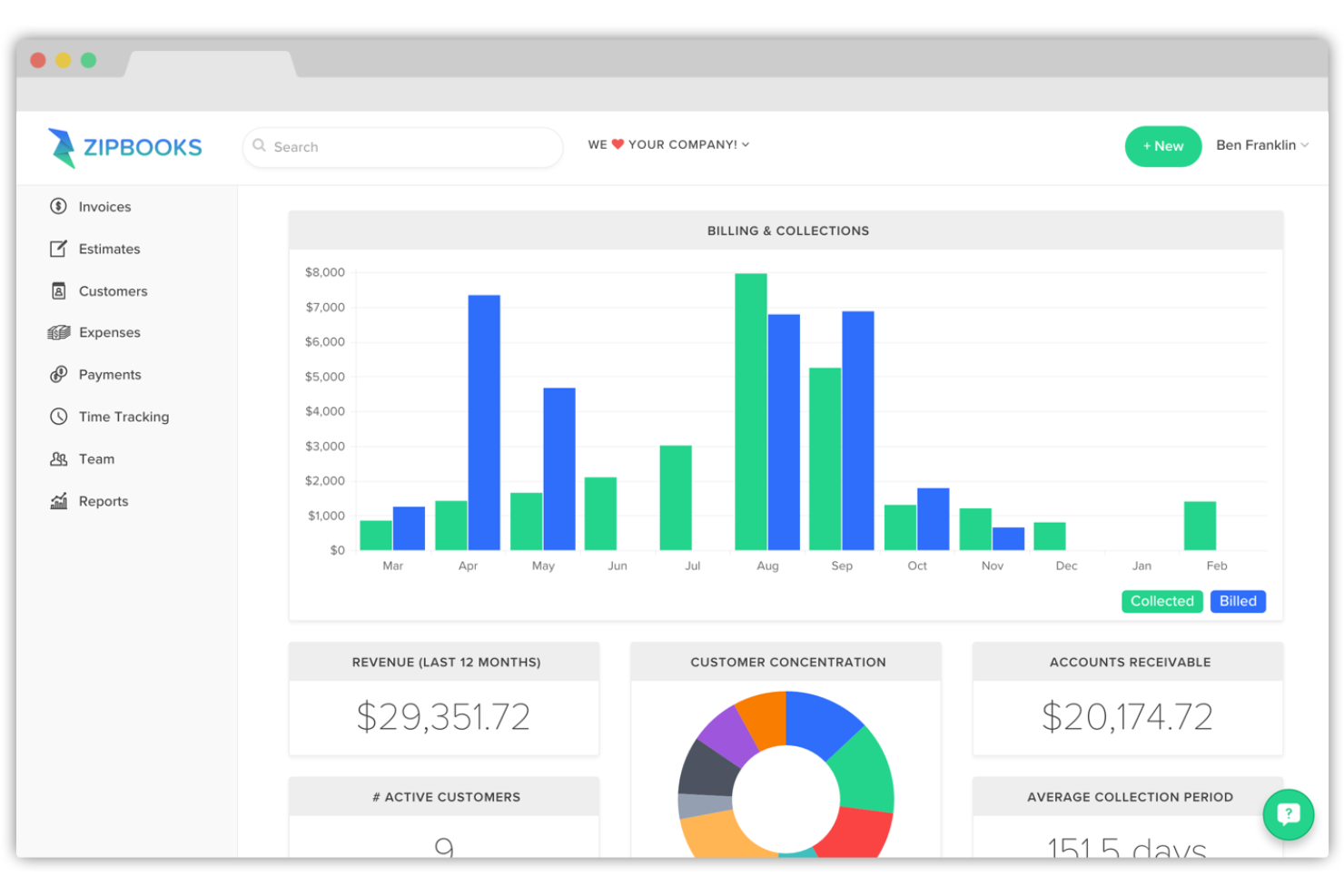
Zipbooks è un software di contabilità online progettato per chiese e piccole imprese, che offre strumenti per la fatturazione, il monitoraggio delle spese e la rendicontazione finanziaria. È utilizzato dagli amministratori di chiesa per gestire le finanze in modo efficiente e monitorare le donazioni.
Perché è una buona alternativa a Quickbooks: Zipbooks offre soluzioni di contabilità gratuite, rendendolo una scelta interessante per le chiese con budget limitati. Fornisce funzionalità come fatturazione e monitoraggio delle spese senza la necessità di un piano a pagamento. Con il sistema di smart tagging, puoi organizzare facilmente le transazioni. La semplicità e la convenienza economica del software si adattano perfettamente alle esigenze finanziarie delle piccole organizzazioni ecclesiastiche.
Funzionalità e integrazioni di spicco:
Le funzionalità includono smart tagging per categorizzare le transazioni, strumenti di gestione dei progetti per supervisionare le attività della chiesa e il monitoraggio del tempo per una fatturazione accurata. La riconciliazione bancaria automatica assicura che i tuoi conti siano sempre aggiornati, mentre report dettagliati offrono una panoramica sulla salute finanziaria della tua chiesa.
Le integrazioni includono PayPal, Square, Stripe, Gusto, Google Drive, Slack, Trello, Zapier, Google Sheets e Asana.
Pros and Cons
Pros:
- Accesso gratuito alla contabilità
- Sistema di smart tagging
- Interfaccia utente semplice
- Riconciliazione automatica
- Report finanziari dettagliati
Cons:
- Funzionalità avanzate limitate
- Gestione dei progetti di base
- Nessun accesso offline
- Curva di apprendimento per i principianti
- Opzioni di personalizzazione limitate

Ideale per la contabilità sicura delle organizzazioni non profit
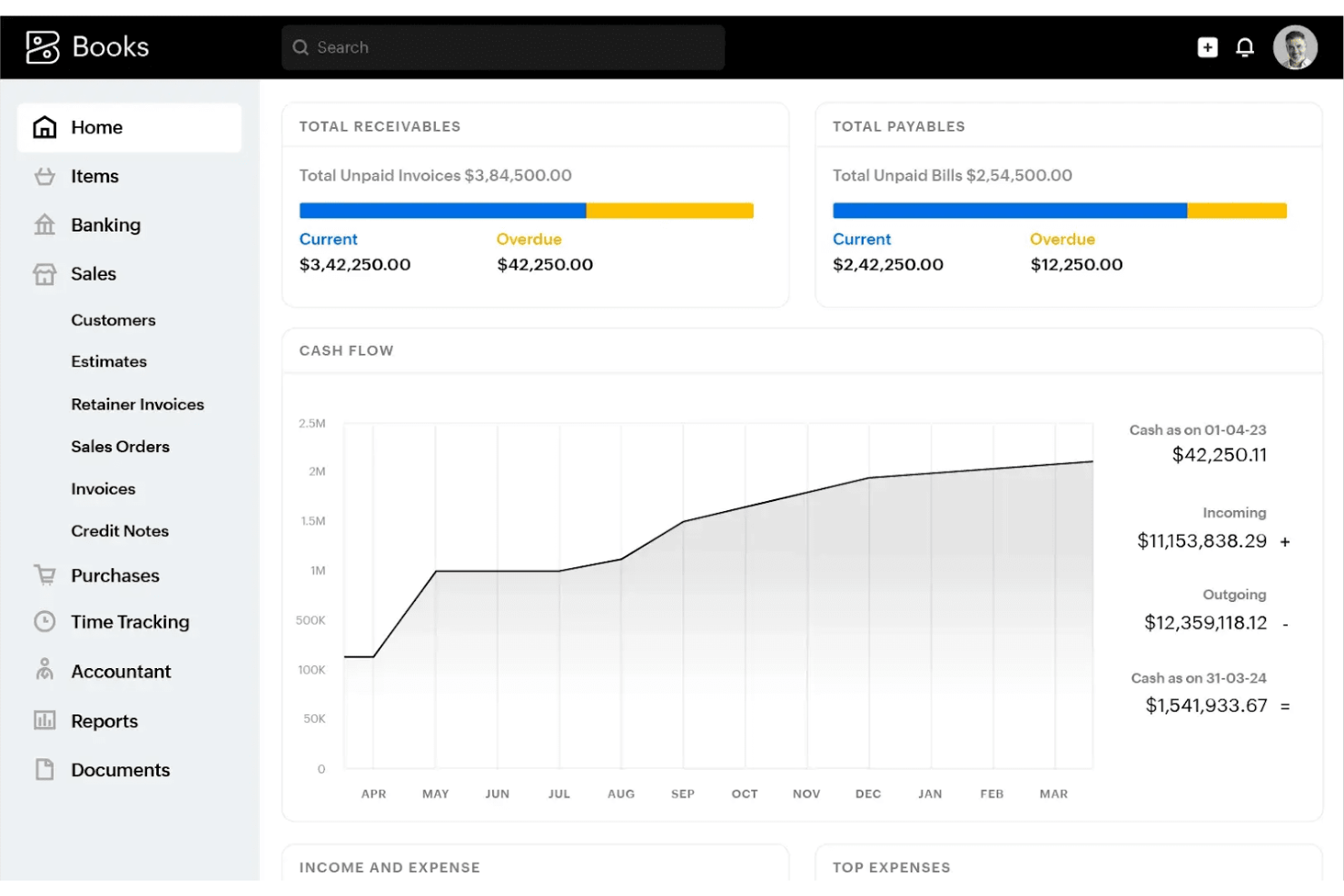
Zoho Books è pensato per le organizzazioni non profit che necessitano di un controllo finanziario rigoroso senza rinunciare alla semplicità d’uso. Se gestisci donazioni, monitori fondi multipli e collabori con team remoti, questa piattaforma offre una contabilità incentrata sulla privacy insieme a strumenti di collaborazione progettati per il lavoro orientato alla missione.
Perché ho scelto Zoho Books
Ho scelto Zoho Books perché offre strumenti adatti alle organizzazioni non profit come l’accesso multiutente e i permessi basati sui ruoli, così il tuo team può collaborare in sicurezza mentre mantieni il controllo su chi vede cosa. Puoi categorizzare le donazioni, sincronizzare le spese per progetto e generare report dettagliati — ciò significa che hai gli strumenti per mostrare ai finanziatori dove vengono destinati i fondi e prendere decisioni informate. Mi piace anche che si integri con gateway di pagamento, permettendo di ricevere donazioni e acquisire automaticamente quei dati nel registro contabile.
Caratteristiche principali di Zoho Books
- Monitoraggio fondi e progetti: Assegna entrate e spese a specifiche campagne o progetti per vedere la reale performance dei fondi.
- Fatture ricorrenti e flussi di ricevute automatizzati: Preimposta ricevute per i donatori o donazioni ricorrenti per ridurre la gestione manuale della contabilità.
- Collaborazione multiutente basata sui ruoli: Aggiungi membri del team o volontari, imposta i permessi di accesso e mantieni il controllo sui file.
- Dashboard dettagliata e report finanziari: Visualizza flusso di cassa, principali spese e dati finanziari per progetto da un’unica dashboard, favorendo trasparenza e controllo.
Integrazioni di Zoho Books
Include integrazioni con PayPal, Stripe, Square, Zoho CRM, Zoho Inventory, Zoho Projects, Mailchimp, Microsoft Office 365
Pros and Cons
Pros:
- Accesso multiutente sicuro riduce il rischio di modifiche finanziarie non autorizzate
- Strumenti di categorizzazione di donazioni e progetti migliorano la chiarezza nella gestione dei fondi
- Dashboard trasparenti facilitano la rendicontazione agli stakeholder
Cons:
- Le funzionalità specifiche per il monitoraggio delle sovvenzioni sono limitate o richiedono soluzioni alternative
- Alcuni utenti segnalano una curva di apprendimento per il personale non contabile

ZarMoney
Ideale per la contabilità gratuita
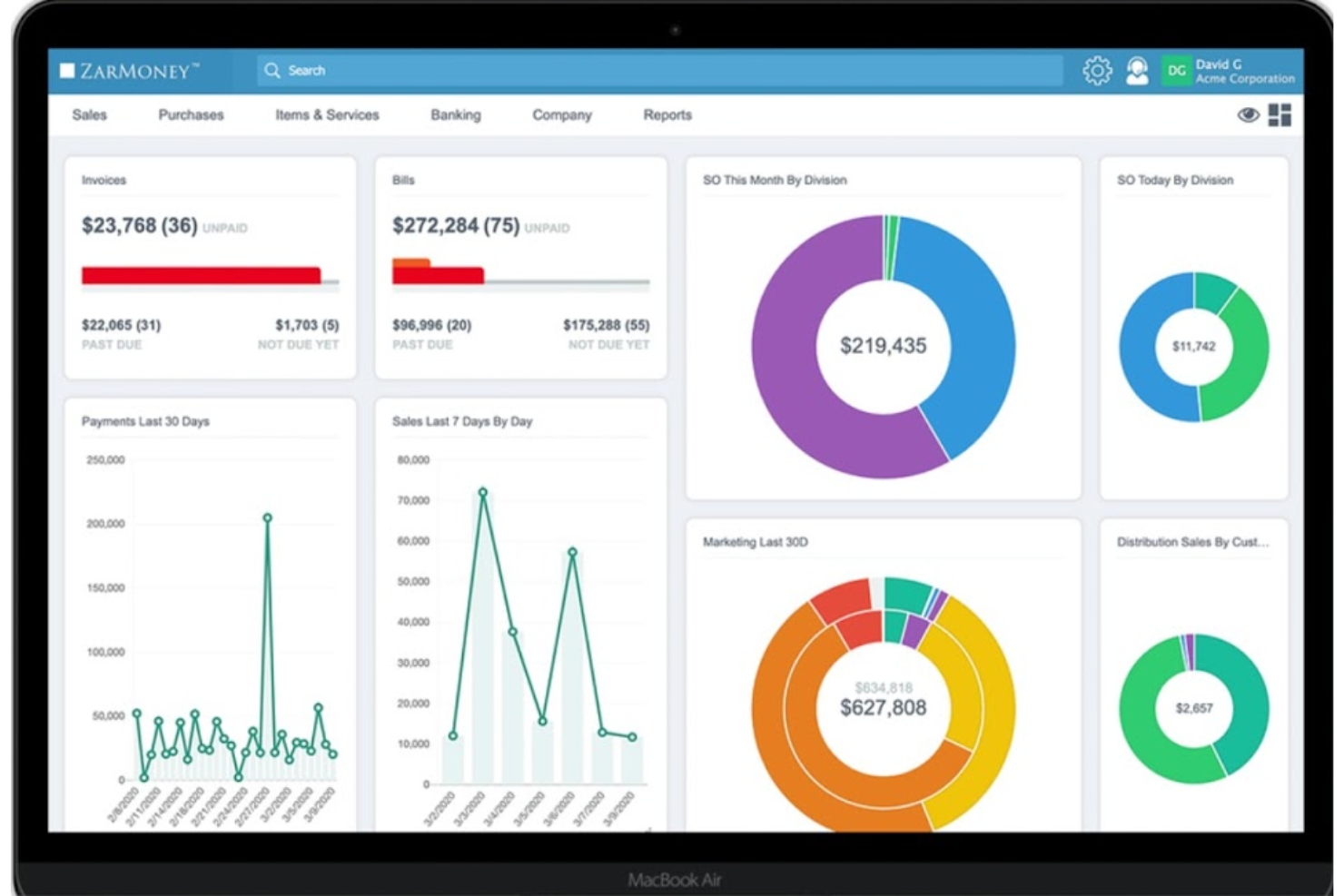
ZarMoney è un software di contabilità basato su cloud progettato per chiese e istituzioni religiose, offrendo una soluzione completa per la gestione finanziaria. È utilizzato da organizzazioni non profit, piccole imprese e aziende per gestire la contabilità, la fatturazione e l'elaborazione dei pagamenti.
Perché è una buona alternativa a QuickBooks: ZarMoney offre funzionalità di contabilità gratuite, rendendolo accessibile alle chiese con budget limitati. La fatturazione automatica e i pagamenti online semplificano le attività finanziarie. I report finanziari dettagliati offrono una panoramica sulla salute finanziaria della tua chiesa. L'accesso multiutente basato sui ruoli garantisce la sicurezza dei dati e la protezione delle informazioni.
Funzionalità e integrazioni principali:
Le funzionalità includono fatturazione automatica per ridurre le attività manuali, pagamenti online per transazioni comode e report finanziari dettagliati per monitorare le finanze della chiesa. Propone anche la gestione dell'inventario per tracciare le forniture e misure di sicurezza robuste per proteggere i dati.
Le integrazioni includono QuickBooks, PayPal, Stripe, Shopify, Magento, WooCommerce, Amazon, eBay, Square e Xero.
Pros and Cons
Pros:
- Funzionalità di contabilità gratuite
- Fatturazione automatica
- Report dettagliati
- Permessi basati sui ruoli
- Protezione sicura dei dati
Cons:
- Opzioni di personalizzazione limitate
- Funzionalità di inventario basilari
- Nessuna app mobile
- Curva di apprendimento per i nuovi utenti
- Accesso limitato offline

Wave
Ideale per contabilità gratuita
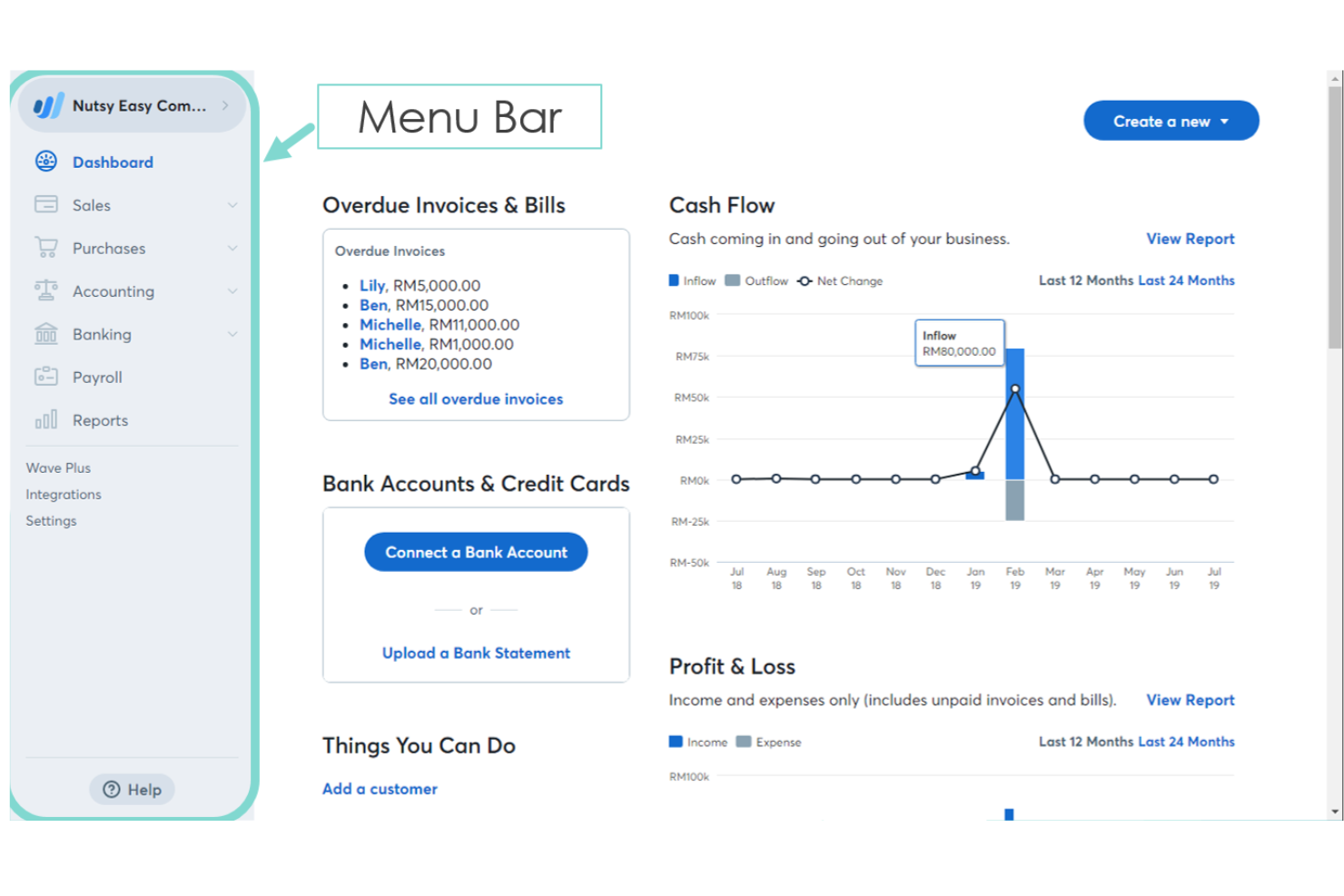
Wave Accounting è un software di contabilità basato su cloud progettato per le chiese, che offre un'interfaccia facile da usare e funzionalità personalizzabili. Viene utilizzato principalmente dalle organizzazioni religiose per gestire in modo efficiente le attività finanziarie.
Perché è una buona alternativa a Quickbooks: Wave Accounting offre soluzioni contabili gratuite, rendendolo accessibile alle chiese con budget limitati. Fornisce fatturazione, servizi di gestione stipendi e l'elaborazione delle donazioni online senza bisogno di impostazioni complesse. Le funzionalità di monitoraggio delle spese e di reportistica finanziaria garantiscono trasparenza nella gestione dei fondi della chiesa. Queste capacità aiutano le chiese a concentrarsi sul servizio alla comunità piuttosto che sulla gestione finanziaria.
Funzionalità e integrazioni principali:
Le funzionalità includono la fatturazione per una gestione agevole dei pagamenti, servizi di gestione stipendi per il personale e la gestione delle donazioni online per ricevere i contributi. Il monitoraggio delle spese mantiene le finanze organizzate, mentre la reportistica finanziaria fornisce una panoramica della salute economica della chiesa.
Le integrazioni comprendono PayPal, Etsy, Shoeboxed, Zapier, Google Sheets, Stripe, Mailchimp, Etsy e Shopify.
Pros and Cons
Pros:
- Gratuito da usare
- Configurazione semplice
- Interfaccia facile da usare
- Funzionalità personalizzabili
- Accesso basato su cloud
Cons:
- Funzionalità avanzate limitate
- Nessun supporto telefonico
- Reportistica di base
- Integrazioni limitate
- Non adatto a chiese di grandi dimensioni

IconCMO
Ideale per le esigenze specifiche delle chiese
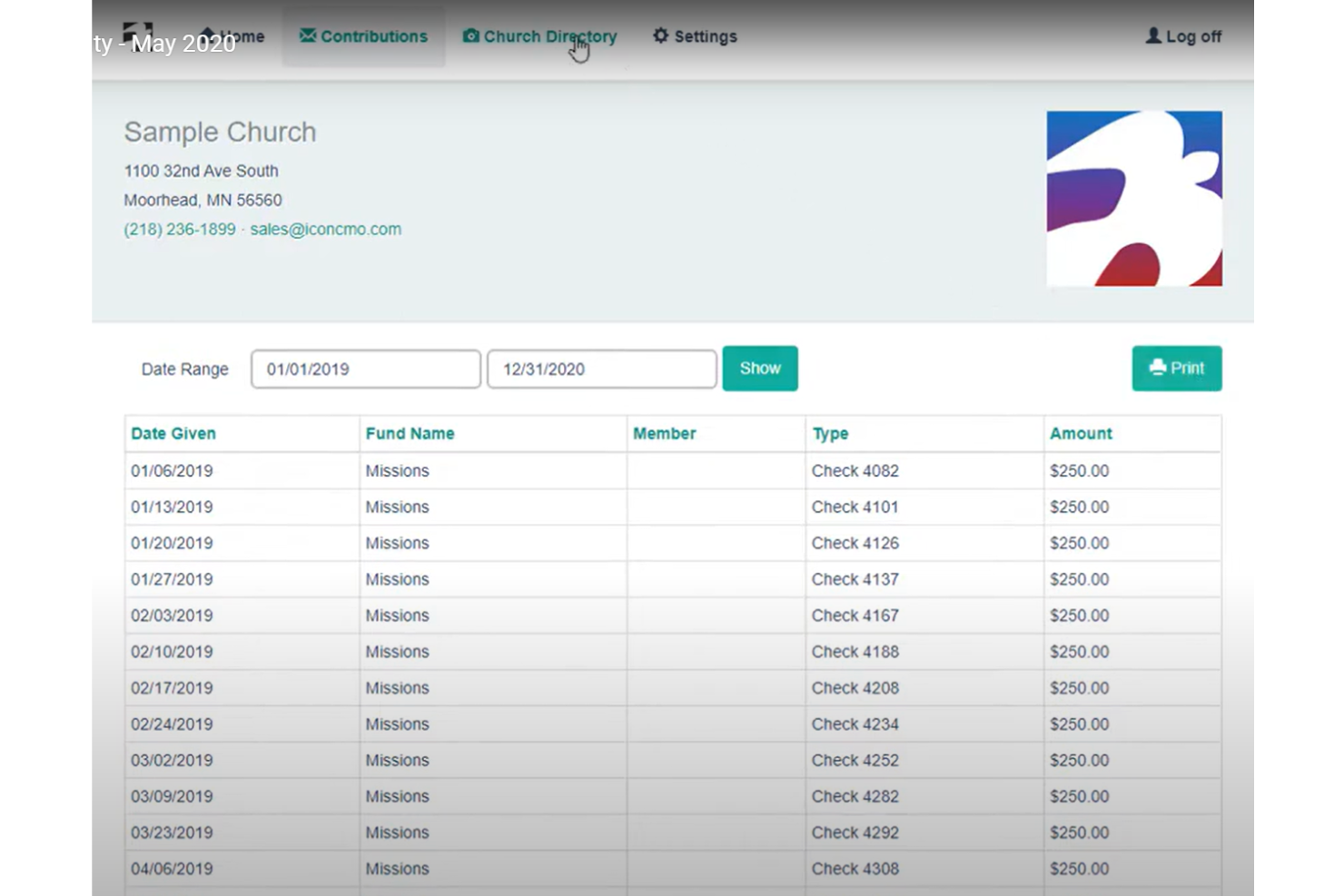
IconCMO è un software di gestione per chiese che serve le organizzazioni religiose offrendo strumenti per l'amministrazione e la contabilità. Viene utilizzato principalmente dallo staff della chiesa per gestire i membri, i contributi e la comunicazione.
Perché è una buona alternativa a Quickbooks: IconCMO offre funzionalità specifiche per le chiese come la gestione dei membri, il monitoraggio delle donazioni e la programmazione degli eventi, tutte adattate alle esigenze operative delle chiese. Il suo sistema contabile è progettato per gestire la contabilità dei fondi, fondamentale per le organizzazioni religiose. La piattaforma fornisce una panoramica in tempo reale delle finanze della chiesa, aiutando a prendere decisioni informate. Questo lo rende una scelta pratica per le chiese che cercano una soluzione allineata alle loro necessità specifiche.
Funzionalità principali e integrazioni:
Le funzionalità includono una directory dei membri per una gestione agevole, monitoraggio della partecipazione per tenere traccia della presenza e gestione delle donazioni per semplificare i contributi. La programmazione degli eventi aiuta a organizzare le attività della chiesa, mentre la contabilità dei fondi assicura una gestione finanziaria precisa.
Le integrazioni includono QuickBooks, PayPal, Vanco, Constant Contact, Pushpay, Tithe.ly, Planning Center, Mailchimp e Stripe.
Pros and Cons
Pros:
- Funzionalità specifiche per le chiese
- Analisi finanziarie in tempo reale
- Programmazione eventi facilitata
- Supporto per la contabilità dei fondi
- Gestione completa dei membri
Cons:
- Opzioni di personalizzazione limitate
- Alcune funzionalità possono essere complesse
- Nessuna app mobile
- Curva di apprendimento per i nuovi utenti
- Funzionalità di reportistica di base

ACS
Ideale per la contabilità per fondo specifico
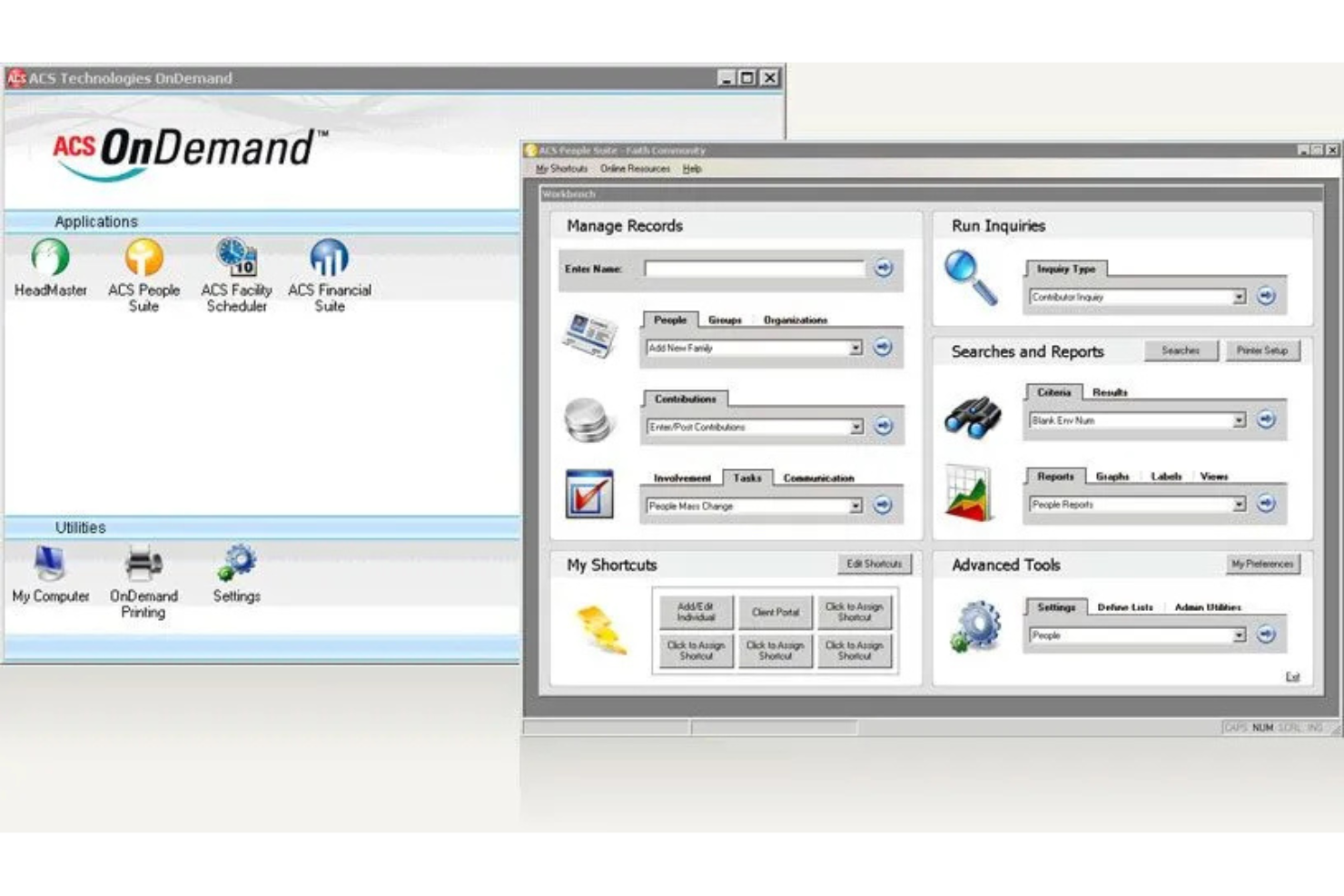
ACS Technologies offre una suite completa di soluzioni per la gestione delle chiese, realizzata specificamente per le organizzazioni religiose. I suoi strumenti sono progettati per migliorare le operazioni ecclesiastiche, dalla gestione finanziaria al coinvolgimento dei membri, rendendolo una risorsa preziosa per chiese di qualsiasi dimensione.
Perché l'ho scelto
Uno dei motivi per cui ho scelto ACS come alternativa a QuickBooks è la sua attenzione alla contabilità per fondo specifico. Questa funzione permette di gestire e tracciare separatamente i fondi designati, aspetto cruciale per le chiese che gestiscono diversi flussi di donazioni. Garantisce che ogni dollaro sia rendicontato e si allinea alle specifiche necessità di rendicontazione finanziaria delle organizzazioni religiose. Inoltre, ACS offre opzioni di reportistica dettagliate e personalizzabili, permettendo la generazione di rendiconti finanziari per fondo, vantaggio rispetto a QuickBooks nelle operazioni finanziarie ecclesiastiche.
Un’altra caratteristica di rilievo di ACS è l’integrazione con il software di gestione delle chiese, creando un sistema unificato per la gestione dei dati finanziari e dei membri. Questa integrazione supporta le particolari esigenze operative delle chiese, facilitando la gestione di compiti finanziari e di coinvolgimento della comunità su un’unica piattaforma. Inoltre, enfatizza la sicurezza grazie a controlli rigorosi per mantenere una traccia di controllo sicura, riducendo il rischio di frode, elemento essenziale per mantenere fiducia e trasparenza nei rendiconti finanziari della chiesa.
Funzionalità Degne di Nota
Le funzionalità includono una gestione completa dei donatori, che consente di monitorare le modalità di donazione e interagire più efficacemente con la congregazione. La piattaforma offre anche la gestione delle missioni, permettendo di organizzare e tracciare attività missionarie e di volontariato senza difficoltà. Inoltre, ACS fornisce strumenti di analisi della comunità che aiutano a ottenere approfondimenti sul coinvolgimento della congregazione, facilitando decisioni e pianificazioni più informate.
Integrazioni
Le integrazioni includono Realm Accounting, Verified First, BIS, Protect My Ministry, MinistrySafe, Intulse VoIP, Twilio, PocketPlatform, MortarStone Basic Analytics, SendGrid, eSPACE, ed Events2HVAC.
Pros and Cons
Pros:
- Assistenza Clienti: Gli utenti spesso elogiano la disponibilità e la reattività del team di assistenza clienti di ACS, aspetto cruciale per risolvere rapidamente i problemi.
- Funzionalità Specifiche per le Chiese: ACS è progettato con funzionalità che rispondono specificamente alle esigenze di gestione delle chiese, rendendolo una scelta valida per le organizzazioni religiose.
- Reportistica Completa: Il software offre robuste capacità di reportistica che gli utenti trovano utili per ottenere approfondimenti sulle operazioni della chiesa.
Cons:
- Interfaccia Obsoleta: Gli utenti riferiscono spesso che l’interfaccia risulta datata, rendendo la navigazione difficoltosa.
- Configurazione Complessa: La configurazione iniziale può essere complessa e richiede tempo, come indicato da diversi utenti.
Quando utilizzare un'alternativa a QuickBooks
Le alternative a QuickBooks includono software contabili specifici per le chiese, progettati per gestire la contabilità dei fondi, il monitoraggio dei donatori e i budget ministeriali in modi che QuickBooks non riesce a offrire di serie. Lo strumento giusto mantiene in ordine le vostre finanze, informa la congregazione e libera il gruppo dal caos dei fogli di calcolo. Se una delle situazioni seguenti vi è familiare, probabilmente è arrivato il momento di cambiare:
- I vostri volontari si sono persi in QuickBooks: supponiamo che il tesoriere della vostra chiesa si sia appena dimesso e che il nuovo tesoriere non abbia alcuna esperienza contabile. L'interfaccia a partita doppia di QuickBooks può richiedere mesi per essere appresa senza formazione. Gli strumenti specifici per le chiese come Aplos o ChMeetings utilizzano semplici interfacce da "libretto degli assegni", così i volontari possono gestire la contabilità in pochi giorni, non in mesi.
- La gestione dei fondi vincolati è caotica: avete ricevuto una donazione di $10,000 per un fondo destinato alla costruzione, ma tracciarla separatamente in QuickBooks richiede procedure manuali alternative e categorie aggiuntive. Una piattaforma dedicata alle chiese gestisce la contabilità dei fondi in modo nativo, mantenendo ogni dollaro vincolato tracciabile e pronto per i rendiconti.
- La preparazione dei rendiconti per i donatori richiede giorni: ogni gennaio compilate manualmente i dati per le ricevute fiscali, consultando fogli di calcolo ed esportazioni QBO. Il software di contabilità per le chiese genera automaticamente rendiconti per i donatori conformi ai requisiti dell'IRS, riducendo questo processo da giorni a minuti.
- State impiegando troppo tempo per monitorare le spese ministeriali: cercate di scoprire quanto ha speso il ministero giovanile nell'ultimo trimestre, ma i dati sono distribuiti tra più conti e categorie. Gli strumenti per le chiese consentono di contrassegnare le spese per ministero o evento, così i rendiconti sul budget sono a pochi clic di distanza.
- State pagando per funzioni che la vostra chiesa non utilizzerà mai: QuickBooks addebita costi per strumenti aziendali come la gestione dell'inventario, di cui le chiese non hanno bisogno. Alternative come IconCMO o ChurchTrac offrono funzioni specifiche per le chiese a un prezzo inferiore, progettate per il modo in cui i ministeri spendono realmente.
Altre alternative a Quickbooks
Ecco alcune ulteriori alternative a Quickbooks che non sono entrate nella mia selezione, ma che vale comunque la pena prendere in considerazione:
- NetSuite
Ideale per chiese complesse e in crescita
- Sage 50
Ideale per la contabilità avanzata dei fondi
- Aplos
Ideale per funzionalità nonprofit
- Elexio
Ideale per soluzioni integrate
- FlockBase
Ideale per prezzi accessibili
- PowerChurch Plus
Ideale per soluzioni integrate
- ChurchTrac
Ideale per la contabilità per fondi
- Sage Expense Management (formerly Fyle)
Ideale per la gestione in tempo reale delle ricevute


Come valuto le alternative a QuickBooks
Divido la mia valutazione in criteri di base, come la contabilità per fondi e i rendiconti delle donazioni, e fattori distintivi che differenziano una piattaforma dall'altra per i team finanziari delle chiese.
Funzionalità principali (requisiti fondamentali per questo elenco)
Quando seleziono gli strumenti da inserire nel mio elenco, assegno a ciascuno un punteggio su una scala da 0 (la funzionalità non è disponibile) a 5 (eccelle in quest'area) per ogni funzionalità principale elencata di seguito. Quindi, calcolo il punteggio totale dello strumento trasformandolo in una percentuale. Ogni strumento deve raggiungere un punteggio totale minimo del 55% per essere preso in considerazione.
- Contabilità per fondi: verifico se uno strumento tiene separati i fondi vincolati, designati e non vincolati, come un fondo per una campagna edilizia distinto dalle decime generali.
- Gestione di contributi e donatori: ogni piattaforma dovrebbe consentire di registrare le donazioni individuali, gestire gli impegni di donazione e generare per i membri rendiconti annuali delle donazioni conformi ai requisiti dell'IRS.
- Libro mastro e rendicontazione finanziaria: cerco una contabilità a partita doppia con budget e report, come un Rendiconto delle attività che il consiglio della chiesa possa esaminare durante le riunioni mensili.
- Debiti verso fornitori e riconciliazione: in questo ambito sono importanti il monitoraggio delle fatture dei fornitori, la stampa degli assegni e la riconciliazione bancaria: ad esempio, per pagare un partner impegnato nelle missioni o riconciliare una carta di credito della chiesa.
- Supporto per le buste paga del clero: le piattaforme dovrebbero gestire le indennità abitative, il doppio status fiscale e le relative esigenze retributive specifiche del clero, nativamente o tramite un'integrazione efficace.
- Integrazioni con i sistemi per chiese: valuto le connessioni con le piattaforme ChMS e gli strumenti per le donazioni online, come Planning Center, Breeze o Tithe.ly, per mantenere sincronizzati i dati dei membri e quelli finanziari.
Una volta ottenuto un elenco di strumenti che soddisfano questi criteri, considero ciò che distingue ciascuna piattaforma.
Fattori distintivi (ciò che differenzia i fornitori)
Ecco come confronto e metto in contrasto i diversi fornitori:
Funzionalità distintive
Le interfacce facili da usare per i volontari sono molto importanti in questo caso. Molte chiese si affidano a tesorieri non retribuiti che non sono contabili professionisti, quindi cerco accessi basati sui ruoli e cruscotti semplificati che consentano loro di inserire dati senza dover interagire con l'intero piano dei conti. Il supporto per più sedi è un altro fattore distintivo: le chiese con più sedi hanno bisogno di una rendicontazione consolidata senza dover gestire libri contabili separati. Valuto inoltre se una piattaforma include un portale nativo per le donazioni online, poiché sincronizzare direttamente i contributi ricorrenti e le donazioni tramite messaggio di testo con i conti dei fondi fa risparmiare ore di riconciliazione manuale ogni settimana.
Oltre le funzionalità
Il supporto alla migrazione è un aspetto importante. Passare da QuickBooks durante l'anno fiscale è stressante, quindi verifico se una piattaforma offre una migrazione guidata dei dati per il piano dei conti, gli elenchi dei fornitori e i registri storici delle donazioni. Anche la struttura dei prezzi è importante: le chiese operano con fondi donati, quindi cerco piani a livelli proporzionati alle dimensioni della congregazione, anziché prezzi fissi per le aziende. Infine, valuto l'assetto relativo alla conformità, in particolare la conformità allo standard PCI DSS per le donazioni online e i tracciati di audit che soddisfino sia la supervisione del consiglio sia i revisori esterni durante le verifiche annuali.
Perché cercare un'alternativa a Quickbooks?
Sebbene Quickbooks sia una buona scelta per la contabilità di una chiesa, ci sono diversi motivi per cui alcuni utenti cercano soluzioni alternative. Potresti essere alla ricerca di un'alternativa a Quickbooks perché…
- Hai bisogno di un monitoraggio migliore delle donazioni
- Il tuo team richiede una maggiore personalizzazione
- Vuoi una gestione integrata degli eventi
- Cerchi l'accesso tramite app mobile
- Hai bisogno del supporto per più campus
- Il tuo budget è limitato
Se ti riconosci in una di queste situazioni, sei nel posto giusto. La mia lista include diverse opzioni di software per la gestione delle chiese più adatte ai team che affrontano queste difficoltà con Quickbooks e cercano soluzioni alternative.
Funzionalità principali di Quickbooks
Funzionalità delle alternative a Quickbooks
Quando scegli le alternative a Quickbooks, presta attenzione alle seguenti funzionalità principali:
Strumenti contabili completi: Ottieni una serie di strumenti per gestire fatture, spese, debiti e crediti, tutto in un unico posto, così quei fogli di calcolo possono finalmente prendersi una vacanza.
Integrazione bancaria: Collega direttamente i conti bancari della tua azienda, consentendo la sincronizzazione automatica delle transazioni e facendoti risparmiare ore di inserimento manuale dei dati (oltre a ridurre gli errori di battitura dovuti al troppo caffè).
Report personalizzabili: Genera report finanziari e gestionali dettagliati che puoi usare davvero, come conti economici, bilanci o rendiconti dei flussi di cassa adattati alle peculiarità della tua azienda.
Accesso multiutente: Invita il tuo team o il tuo commercialista a collaborare, impostando diversi livelli di autorizzazione affinché ciascuno possa accedere a ciò di cui ha bisogno, senza condividere eccessivamente quei dati sensibili.
Gestione fiscale: Automatizza i calcoli delle imposte sulle vendite, monitora le detrazioni e organizza i documenti in vista della dichiarazione dei redditi, perché nessuno ha tempo per una scatola da scarpe piena di ricevute.
Integrazione con altre app: Collegati senza problemi a strumenti aziendali diffusi come sistemi di pagamento, sistemi CRM o piattaforme di commercio elettronico, semplificando i flussi di lavoro ed eliminando i grattacapi tecnologici.
Accessibilità da dispositivi mobili: Accedi ai tuoi dati finanziari ed esegui le attività essenziali da uno smartphone o un tablet, così puoi gestire la tua azienda sia in treno sia in pigiama.
Gestione dell'inventario: Monitora i livelli delle scorte, gestisci gli ordini e ricevi notifiche quando è il momento di rifornirti, avendo così una cosa in meno da tenere a mente.
Funzionalità comuni di intelligenza artificiale nelle alternative a Quickbooks
Oltre alle funzionalità standard delle alternative a Quickbooks elencate sopra, molte di queste soluzioni stanno integrando l'intelligenza artificiale con funzionalità come:
Categorizzazione automatica delle transazioni: L'intelligenza artificiale apprende i tuoi modelli di spesa e di reddito, ordinando automaticamente le transazioni per una contabilità rapida e accurata e liberando il tuo tempo per decisioni più importanti.
Abbinamento intelligente delle fatture: Utilizzando il riconoscimento dei modelli, l'intelligenza artificiale abbina automaticamente le fatture ai pagamenti, riducendo gli errori e mantenendo in ordine i conti senza dover fare congetture.
Previsione delle spese: L'intelligenza artificiale analizza il comportamento finanziario passato per prevedere le spese imminenti, permettendoti di pianificare meglio il budget ed evitare sorprese spiacevoli.
Rilevamento delle anomalie: Invece di giocare a fare il detective, l'intelligenza artificiale controlla le transazioni insolite, avvisandoti immediatamente di possibili frodi o errori.
Analisi finanziarie basate sull'intelligenza artificiale: Ottieni suggerimenti personalizzati per risparmiare, migliorare il flusso di cassa o cogliere opportunità di crescita, così puoi prendere decisioni più intelligenti con meno fatica.