

10 migliori software per la gestione delle sovvenzioni recensiti nel 2026

Elenco ristretto dei migliori software di gestione delle sovvenzioni


Il miglior software di gestione delle sovvenzioni aiuta i pastori a trovare finanziamenti esterni per i progetti, monitorare le scadenze delle domande e assicurarsi che ogni euro venga utilizzato al meglio. Con lo strumento giusto, tu e il tuo team dirigenziale potete candidarvi con fiducia a più sovvenzioni, evitare errori costosi e dedicare meno tempo alla gestione delle pratiche.
Ho ricoperto ruoli dirigenziali in chiesa per oltre 20 anni. Nel mio primo incarico retribuito, la chiesa presso cui svolgevo il tirocinio ricevette una sovvenzione che ci permise di organizzare un progetto comunitario estivo per le famiglie di una zona residenziale locale a basso reddito. Abbiamo utilizzato un software di gestione delle sovvenzioni per organizzare la domanda, monitorare le spese e riferire al finanziatore. Grazie a quello strumento, abbiamo rispettato ogni scadenza e soddisfatto tutti i requisiti, senza esaurire le energie del nostro piccolo team.
Da allora, il mio team e io abbiamo trascorso centinaia di ore a esaminare software. Ho constatato in prima persona che scegliere il software di gestione delle sovvenzioni giusto non significa soltanto comodità. Il sistema sbagliato rende facile non rispettare le scadenze, perdere traccia dei fondi o rimanere indietro con la rendicontazione. Quello giusto porta chiarezza, responsabilità e tempo prezioso al tuo staff.
Questa guida ti aiuterà a trovare una soluzione affidabile, così la tua chiesa potrà concentrarsi sul ministero, non sulle pratiche burocratiche.
Perché fidarsi dei nostri consigli sui software
Il nostro team testa e recensisce software dal 2012. In quanto leader ecclesiastici noi stessi, sappiamo quanto sia difficile — e importante — scegliere il software giusto.
Per questa guida, abbiamo valutato gli strumenti attraverso test pratici e ricerche indipendenti, assegnando un punteggio agli strumenti in base ai nostri criteri di selezione.
Le nostre recensioni riflettono il nostro giudizio editoriale umano, non un discorso di vendita.
Riepilogo dei migliori software di gestione delle sovvenzioni
Questa tabella di riferimento rapido presenta i prezzi e le caratteristiche principali delle migliori opzioni di software di gestione delle sovvenzioni che ho esaminato. È pensata per aiutare pastori e dirigenti di chiesa a trovare la soluzione più adatta alle esigenze e al budget del proprio ministero, senza perdersi in gergo tecnico o modelli di prezzo eccessivamente complessi.
| Tool | Best For | Trial Info | Price | ||
|---|---|---|---|---|---|
| 1 | Ideale per la fidelizzazione dei donatori | Demo gratuita disponibile | A partire da $40/mese (fatturati annualmente) | Website | |
| 2 | Ideale per organizzare i percorsi dei donatori | Prova gratuita di 30 giorni | Da $45/mese (fatturato annualmente) | Website | |
| 3 | Ideale per l'automazione dei flussi di lavoro | Piano gratuito disponibile | A partire da $30/utente/mese (fatturato annualmente) | Website | |
| 4 | Ideale per l'uso globale | Demo gratuita disponibile | Prezzo su richiesta | Website | |
| 5 | Ideale per la gestione completa del ciclo di vita delle sovvenzioni | Demo gratuita disponibile | Prezzi su richiesta | Website | |
| 6 | Ideale per piccole organizzazioni non profit | Demo gratuita + prova gratuita di 15 giorni disponibile | Da $79/mese | Website | |
| 7 | Ideale per l'elaborazione automatica dei pagamenti | Dimostrazione gratuita disponibile. | Prezzo su richiesta. | Website | |
| 8 | Ideale per il coinvolgimento dei dipendenti | Demo gratuita disponibile | Prezzo su richiesta | Website | |
| 9 | Ideale per gestire le richieste di sovvenzione | Demo gratuita disponibile | A partire da $99/mese | Website | |
| 10 | Ideale per campagne peer-to-peer | Piano gratuito disponibile | A partire da $0/mese | Website |
Recensioni dei migliori software di gestione delle sovvenzioni
Di seguito trovi gli strumenti di gestione delle sovvenzioni che ritengo meritino il tuo tempo. Ogni riepilogo offre una panoramica chiara delle caratteristiche, dei pro e dei contro, delle opzioni di integrazione e dei casi in cui ogni strumento è più adatto. Che tu gestisca direttamente le domande di sovvenzione o ti affidi a un membro dello staff per seguire il processo, questa guida ti aiuterà a trovare la soluzione giusta per la tua chiesa.

Ideale per la fidelizzazione dei donatori

Bloomerang è un software di gestione dei donatori progettato per organizzazioni nonprofit di tutte le dimensioni, con un focus sul miglioramento del coinvolgimento e della fidelizzazione dei donatori. Offre strumenti per gestire le relazioni con i donatori, tracciare le donazioni e organizzare campagne di raccolta fondi.
Perché ho scelto Bloomerang: Eccelle nella fidelizzazione dei donatori, rendendolo ideale per le organizzazioni nonprofit che desiderano mantenere attivi i propri sostenitori. Il software include funzionalità come la misurazione del coinvolgimento dei donatori e il monitoraggio della fidelizzazione, aiutandoti a comprendere e migliorare le tue relazioni con loro. Sono inoltre disponibili dashboard personalizzabili e report per analizzare la performance della raccolta fondi. Questi strumenti facilitano la focalizzazione su strategie che rafforzano la fedeltà dei donatori.
Funzionalità principali & integrazioni:
Le funzionalità includono email marketing, donazioni online e gestione di eventi. Gli strumenti di email marketing ti aiutano a comunicare efficacemente con i tuoi donatori. Le funzionalità per le donazioni online rendono il processo semplice e accessibile. Gli strumenti di gestione degli eventi ti assistono nella pianificazione e nell’organizzazione di eventi di raccolta fondi di successo.
Le integrazioni comprendono QuickBooks, Mailchimp, Zapier, Eventbrite, Double the Donation, DonorSearch, WealthEngine, Kindful, Qgiv e Stripe.
Pros and Cons
Pros:
- Forte attenzione alla fidelizzazione dei donatori
- Opzioni di reportistica personalizzabili
- Strumenti visivi per il coinvolgimento dei donatori
- Assistenza clienti efficiente
- Aggiornamenti software regolari
Cons:
- Funzionalità avanzate limitate
- Occasionali rallentamenti del sistema
- Gestione eventi di base
- Curva di apprendimento per i nuovi utenti
- Opzioni di personalizzazione limitate

Ideale per organizzare i percorsi dei donatori

Se gestisci i rapporti con i donatori tramite fogli di calcolo, email accumulate o sistemi isolati, Little Green Light ti offre un luogo unico dove tracciare ogni sostenitore, donazione, evento e attività. Progettato per organizzazioni nonprofit di piccole e medie dimensioni, ti aiuta a passare dal caos dei dati a una chiara visione d’insieme, così puoi approfondire le relazioni, raccogliere fondi in modo più costante e liberare tempo per attività ad alto impatto.
Perché ho scelto Little Green Light
Ho scelto Little Green Light perché risolve il vero problema dei dati sui donatori sparsi in più strumenti, offrendo profili completi dei contatti: informazioni, cronologia delle donazioni, ore di volontariato—così hai ogni persona nel suo contesto. Lo strumento di importazione integrato rende facile migrare dai fogli di calcolo senza una curva di apprendimento impegnativa. Mi piace anche che puoi programmare report personalizzati e gli avvisi che ti servono—così il tuo team resta proattivo invece che reattivo. La forte integrazione con strumenti di contabilità e email marketing significa che non costruisci da zero, ma connetti ciò che già usi.
Funzionalità chiave di Little Green Light
Ecco alcuni modi in cui supporta il lavoro con donatori e raccolta fondi:
- Gestione dei contatti: Conserva donatori, volontari e soci in una sola dashboard, tracciando la cronologia e le relazioni.
- Monitoraggio donazioni ed eventi: Registra donazioni in denaro, in natura, memoriali, matching; collegale a eventi e attività.
- Report personalizzati e avvisi programmati: Crea report, eseguili automaticamente, inviali al tuo team.
- Moduli di donazione online e sincronizzazione: Ricevi donazioni online sicure tramite il tuo sito web e sincronizzale nel database.
Integrazioni di Little Green Light
Le integrazioni includono Gusto, Bloomerang, Church Community Builder, DonorElf, Raisely, Keela, PEX e FACTS Management. È possibile realizzare connessioni personalizzate tramite Aplos Open API.
Pros and Cons
Pros:
- Facile da apprendere
- Solido tracciamento dei donatori
- Opzioni di reportistica flessibili
- Assistenza clienti reattiva
- Aggiornamenti frequenti
Cons:
- Personalizzazione limitata
- Gestione eventi basilare
- Occasionali problemi di sincronizzazione dati
- Funzionalità mobile limitata
- Nessuna funzione contabile integrata

Ideale per l'automazione dei flussi di lavoro
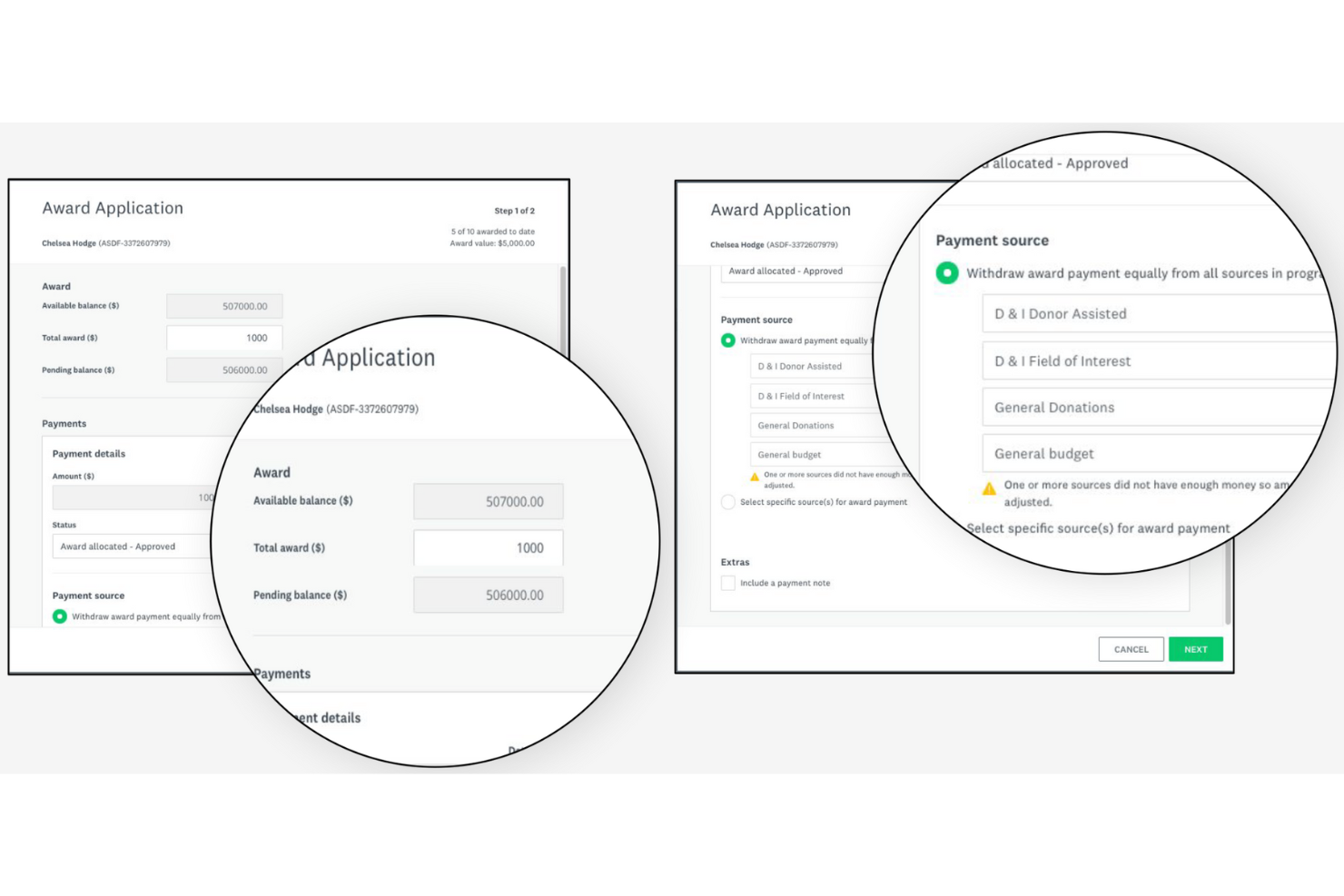
SurveyMonkey è uno strumento di sondaggi online versatile, progettato per raccogliere informazioni e feedback tramite sondaggi e moduli personalizzabili. È una piattaforma che si rivolge ad aziende, istituti educativi e organizzazioni non profit, aiutandoli a prendere decisioni informate sulla base dei dati raccolti.
Perché l'ho scelto
Ho scelto SurveyMonkey come un buon software per la gestione delle sovvenzioni perché offre un'automazione completa del flusso di lavoro, fondamentale per gestire compiti ripetitivi nella gestione dei bandi. Questa funzionalità consente al tuo team di impostare processi che spostano automaticamente le domande tra le diverse fasi, assicurando che nulla venga trascurato. Inoltre, SurveyMonkey offre strumenti di reportistica dettagliati che forniscono informazioni in tempo reale sulle domande di sovvenzione, aiutandoti a prendere decisioni rapide e precise basate sui dati.
Un altro motivo è la sua capacità di gestire i dati in modo sicuro, fondamentale quando si tratta di informazioni sensibili legate ai bandi. SurveyMonkey archivia i dati in centri dati accreditati SOC 2, assicurando che le tue informazioni siano sicure e conformi agli standard del settore. Puoi inoltre personalizzare permessi e ruoli, controllando chi può accedere a determinati dati, il che è essenziale per mantenere la riservatezza nella gestione delle sovvenzioni.
Funzionalità principali
Le funzionalità includono una logica avanzata per i sondaggi che ti consente di creare moduli dinamici in base alle risposte dei compilatori, garantendo la raccolta delle informazioni più rilevanti per ogni domanda di finanziamento. SurveyMonkey offre anche strumenti di collaborazione robusti, che permettono al tuo team di lavorare efficientemente insieme condividendo informazioni e feedback direttamente sulla piattaforma. In più, puoi sfruttare le capacità API per creare integrazioni personalizzate, adattando la piattaforma alle tue specifiche esigenze di gestione dei bandi.
Integrazioni
Le integrazioni includono Salesforce, HubSpot, Google Drive, Slack, Mailchimp, Zoom, Microsoft Power BI, Tableau, Constant Contact, Microsoft Teams, monday.com e ActiveCampaign.
Pros and Cons
Pros:
- Tutte le richieste di finanziamento e le scadenze sono raccolte in un’unica dashboard
- Permette di riutilizzare informazioni chiave (come la missione o i dettagli di budget) su più domande di finanziamento
- Più membri del team possono modificare, commentare e revisionare le bozze insieme prima dell’invio
Cons:
- È necessario personalizzare moduli e processi per adattarli ai requisiti dei bandi orientati al ministero
- Non progettato nativamente per chiese o ministeri... potrebbe essere difficile adattarlo a flussi di lavoro specifici per queste realtà.

Ideale per l'uso globale
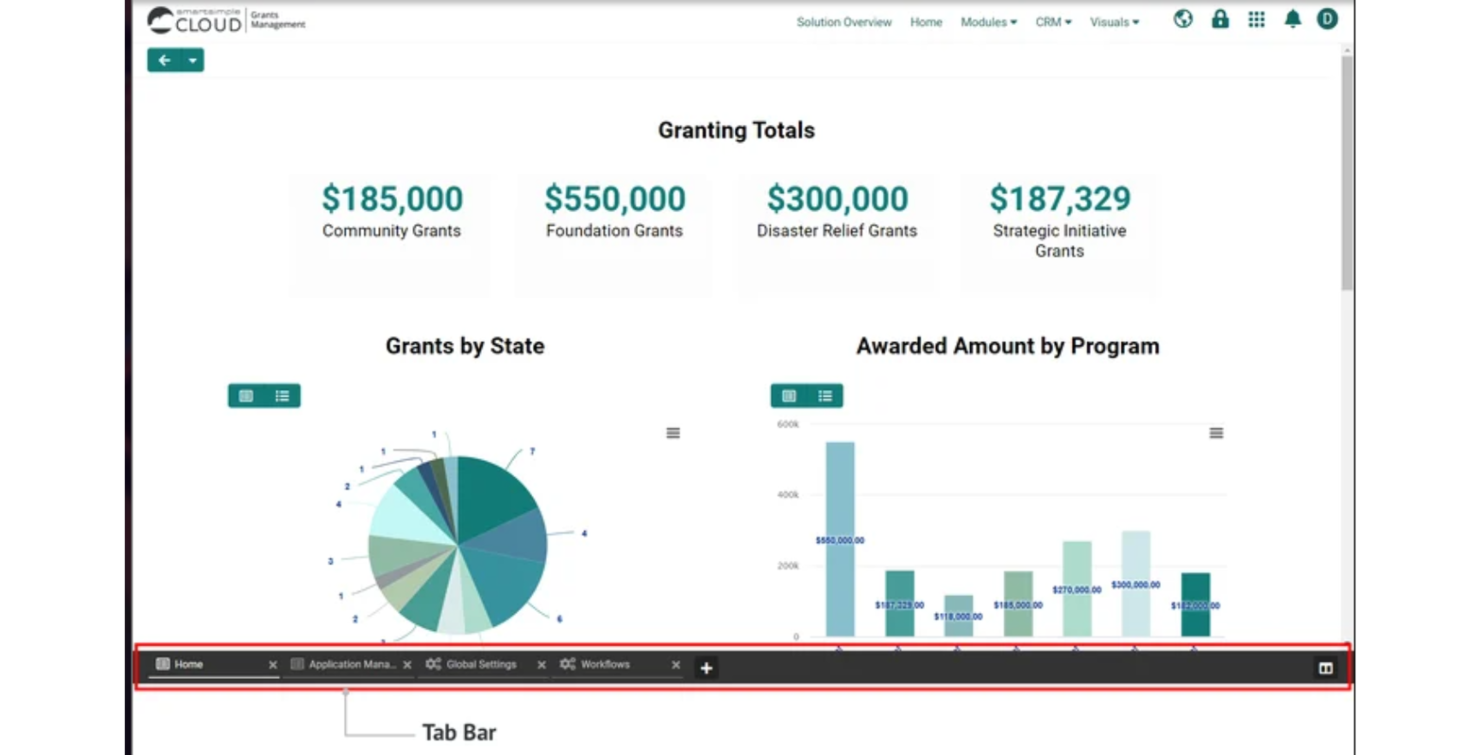
Grants Management è una piattaforma versatile progettata per organizzazioni di tutto il mondo, offrendo soluzioni per gestire l'intero processo di erogazione di fondi. È indicata per fondazioni, enti pubblici e organizzazioni non profit, permettendo loro di gestire le richieste, monitorare i finanziamenti e generare report.
Perché ho scelto Grants Management: È ideale per l'uso globale, poiché supporta diverse lingue e valute, aspetto fondamentale per le organizzazioni internazionali. La piattaforma include funzionalità come il supporto multilingue e la conversione di valuta, che aiutano a gestire l'erogazione di fondi in regioni diverse. Offre inoltre dashboard personalizzabili per adattare l'esperienza utente alle tue esigenze specifiche. Queste caratteristiche la rendono perfetta per le organizzazioni che operano su scala globale.
Funzionalità e integrazioni di rilievo:
Le funzionalità includono il supporto multilingue, la conversione di valuta e dashboard personalizzabili. Il supporto multilingue consente di operare in più lingue, rendendo la piattaforma accessibile a team internazionali. La conversione di valuta aiuta nella gestione delle finanze tra confini diversi. Le dashboard personalizzabili permettono di adattare l'interfaccia alle preferenze della tua organizzazione.
Le integrazioni includono Salesforce, Oracle, SAP, Microsoft Dynamics, Google Workspace, DocuSign, Zoom, Slack, Mailchimp e QuickBooks.
Pros and Cons
Pros:
- Supporta più lingue
- Gestisce diverse valute
- Interfaccia utente personalizzabile
- Adatta a team internazionali
- Scalabile per grandi organizzazioni
Cons:
- Processo di configurazione complesso
- Richiede formazione degli utenti
- Supporto mobile limitato
- Occasionali problemi di prestazioni
- Funzionalità di analisi di base

Ideale per la gestione completa del ciclo di vita delle sovvenzioni
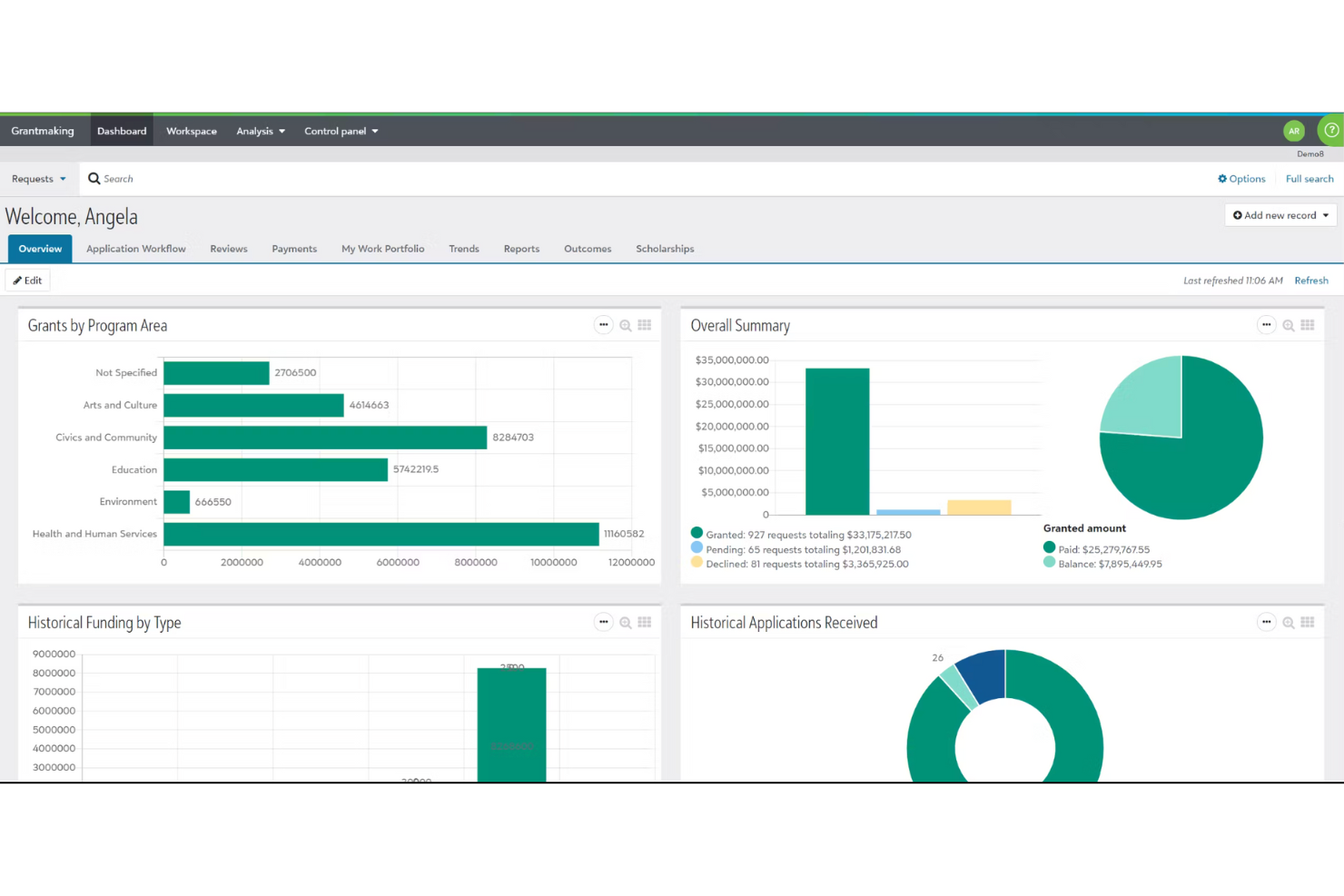
Blackbaud offre soluzioni software specificamente progettate per organizzazioni non profit e istituzioni educative, con un focus sulla gestione delle sovvenzioni. Il loro prodotto Grantmaking mira a migliorare il modo in cui le organizzazioni gestiscono i processi di assegnazione delle sovvenzioni.
Perché l'ho scelto
Ho scelto Blackbaud per le sue capacità di gestione delle sovvenzioni che coprono l'intero ciclo di vita delle sovvenzioni. Con moduli di domanda personalizzabili e flussi di lavoro automatizzati, puoi adattare il processo di assegnazione delle sovvenzioni alle tue esigenze, garantendo l'allineamento con i tuoi obiettivi. Gli strumenti di reportistica e analisi del software forniscono approfondimenti sui tuoi programmi di sovvenzione, permettendoti di valutare l'impatto e prendere decisioni informate.
Un altro motivo per cui ho scelto Blackbaud è la solida offerta di supporto e formazione. Blackbaud mette a disposizione risorse complete come documentazione, forum della community e Blackbaud University per aiutarti a sfruttare al meglio il software. Questa rete di supporto garantisce che tu non sia solo nell'affrontare le complessità della gestione delle sovvenzioni, facilitando l'adattamento e la crescita del tuo team insieme alla piattaforma.
Caratteristiche distintive - Formato descrittivo
Le caratteristiche includono un ecosistema flessibile che si adatta alle esigenze della tua organizzazione, assicurando che il software cresca con te. Blackbaud pone inoltre l'accento su soluzioni basate sull'intelligenza artificiale, offrendo strumenti innovativi per migliorare il focus strategico dei tuoi programmi di sovvenzioni. Infine, la piattaforma si integra con altri prodotti Blackbaud, come strumenti per la raccolta fondi e la gestione finanziaria, offrendo un approccio completo alla gestione delle esigenze della tua organizzazione.
Integrazioni
Le integrazioni includono Double the Donation Matching, Almabase, Funraise, iDonate, OneCause, PostOmatic, Luminate Online Integration, ImportOmatic, Snowball, 360MatchPro, VolunteerHub e Qgiv.
Pros and Cons
Pros:
- Capacità complete di domanda e revisione delle sovvenzioni, valutate molto positivamente dagli utenti.
- Efficienza nella gestione dell'intero processo di assegnazione, dalla domanda alla reportistica.
- Flussi di lavoro personalizzabili adattati a specifici processi di assegnazione delle sovvenzioni.
Cons:
- La personalizzazione può essere lunga e costosa, richiedendo competenze avanzate.
- Funzionalità limitata tra Blackbaud Grantmaking e altri prodotti Blackbaud senza connessioni personalizzate.


Aplos Software è una piattaforma di gestione basata su cloud progettata per organizzazioni non profit e chiese. Offre funzionalità chiave come la contabilità per fondi, la gestione dei donatori e le donazioni online per aiutare le organizzazioni a gestire in modo efficiente le proprie attività finanziarie.
Perché ho scelto Aplos Software: È pensato appositamente per le piccole organizzazioni non profit, diventando quindi una scelta ideale per chi dispone di risorse limitate. La piattaforma include strumenti per la contabilità dei fondi e la gestione dei donatori, essenziali per le piccole organizzazioni che devono tracciare i fondi e coinvolgere i donatori in modo efficace. Le funzionalità dedicate alle donazioni online semplificano il processo di donazione, migliorando l'esperienza del donatore. I report personalizzabili permettono di creare report su misura in base alle proprie esigenze specifiche, rendendo la gestione finanziaria semplice e chiara.
Funzionalità e integrazioni principali:
Le funzionalità includono donazioni online, report personalizzabili e email marketing. Le donazioni online facilitano il contributo dei tuoi donatori, mentre i report personalizzabili aiutano a generare i report specifici necessari alla tua organizzazione. Gli strumenti di email marketing permettono di coinvolgere il pubblico e tenerlo aggiornato sulle tue attività.
Le integrazioni includono Gusto, Bloomerang, Church Community Builder, DonorElf, Raisely, Keela, PEX e FACTS Management. È possibile creare integrazioni personalizzate tramite l'Aplos Open API.
Pros and Cons
Pros:
- Configurazione e onboarding semplici
- Interfaccia intuitiva
- Strumenti di contabilità completi
- Gestione efficace dei donatori
- Report personalizzabili
Cons:
- Funzionalità avanzate limitate
- Occasionali problemi software
- Tempo di risposta dell'assistenza clienti
- Curva di apprendimento per nuovi utenti
- Opzioni di personalizzazione limitate
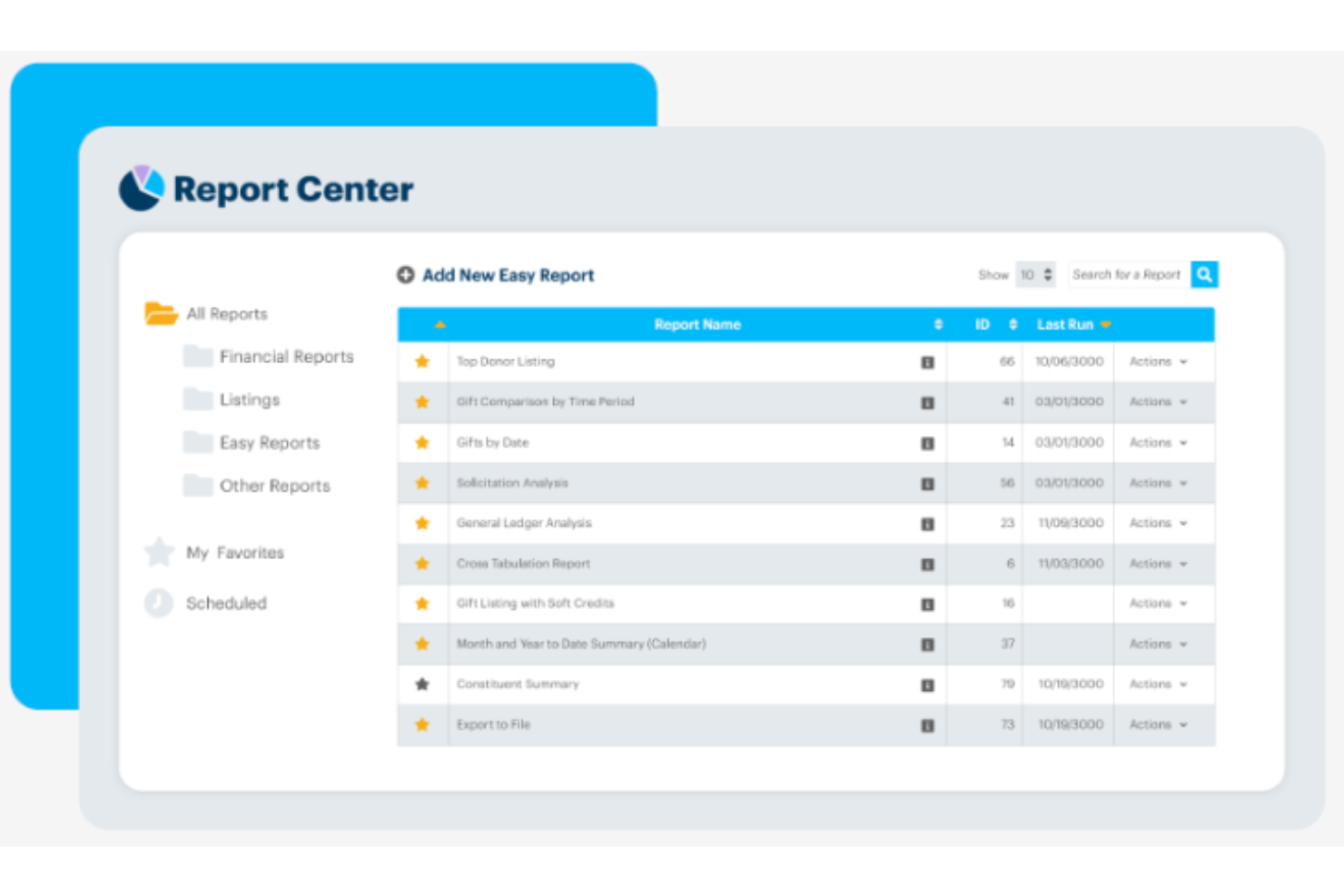
DonorPerfect Payment Services è uno strumento di gestione dei pagamenti e dei donatori che semplifica la raccolta delle donazioni e l'elaborazione dei pagamenti per chiese e organizzazioni non profit. Gestisce pagamenti di persona, via telefono, online e su dispositivi mobili, aiutando i responsabili delle chiese a risparmiare tempo ed energia, ridurre i costi, migliorare la comunicazione e snellire il lavoro amministrativo.
Perché ho scelto DonorPerfect Payment Services:
Questo strumento è ideale per organizzazioni basate sulla fede che cercano un modo centralizzato per gestire pagamenti e dati dei donatori. I suoi flussi di lavoro automatizzati per i pagamenti semplificano le donazioni mensili e i pagamenti per eventi, mentre report dettagliati forniscono approfondimenti utili sul comportamento dei donatori e sulle prestazioni della raccolta fondi. L'attenzione di DonorPerfect alla sicurezza dei dati e all'elaborazione mobile fluida supporta transazioni agevoli e affidabili in ogni contesto. Potrebbe essere meno adatto se hai bisogno di moduli di donazione altamente personalizzabili o di funzionalità approfondite per la gestione di sovvenzioni, ma eccelle nel semplificare la raccolta fondi quotidiana e l'elaborazione dei pagamenti.
Funzionalità principali e integrazioni:
Le funzionalità includono accettazione di pagamenti di persona e via telefono, programmi automatizzati di donazione mensile, moduli di donazione online, app per pagamenti mobili e strumenti di gestione di aste che migliorano la raccolta fondi durante gli eventi.
Le integrazioni includono QuickBooks, PayPal, Google Analytics, POINT, Kindsight, Raisin, ReadySetAuction, Sage Intacct Fundraising, SimpleTix, Volunteer Matrix e Winspire, collegando i dati dei pagamenti ai sistemi di contabilità, marketing, gestione di eventi e volontariato.
Pros and Cons
Pros:
- L'interfaccia intuitiva facilita la navigazione e le operazioni.
- L'integrazione con Constant Contact semplifica la gestione delle campagne e-mail.
- La gestione completa dei donatori tiene traccia di profili dettagliati e interazioni.
Cons:
- Le funzionalità avanzate di reportistica possono risultare complesse e poco intuitive.
- Personalizzazione limitata dei moduli di donazione e caricamenti dei profili dei donatori.

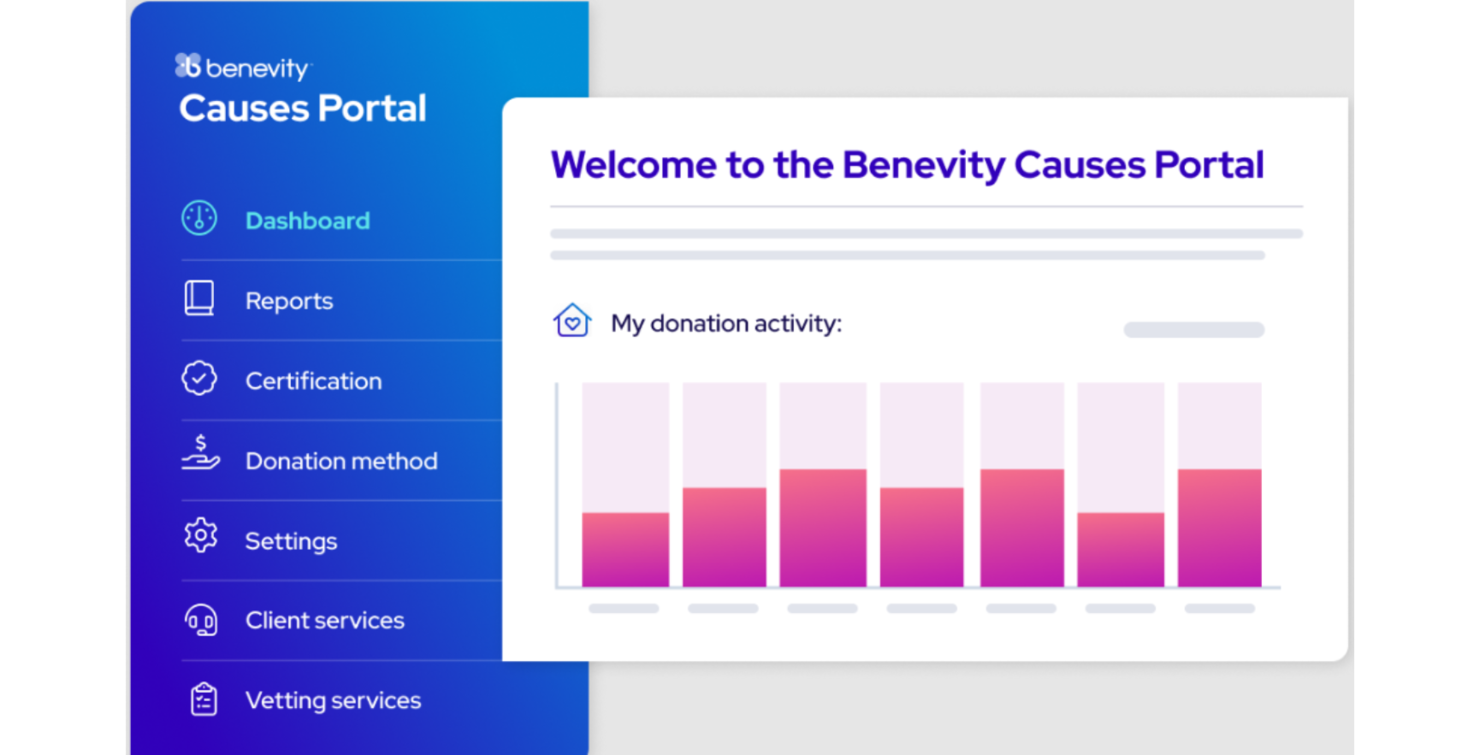
Benevity è una piattaforma di responsabilità sociale d'impresa progettata per le aziende che desiderano migliorare il coinvolgimento dei dipendenti e l'impatto sulla comunità. Aiuta le aziende a gestire programmi di donazione, iniziative di volontariato e attività di erogazione di sovvenzioni.
Perché ho scelto Benevity: È specificamente focalizzata sul coinvolgimento dei dipendenti, rendendola una scelta ideale per le aziende che vogliono coinvolgere il proprio personale nel restituire valore alla comunità. La piattaforma include funzionalità come il tracciamento delle attività di volontariato e l'abbinamento delle donazioni, che stimolano la partecipazione dei dipendenti. Puoi inoltre gestire le richieste di sovvenzione e monitorarne i risultati, allineando gli obiettivi di responsabilità sociale d'impresa con gli obiettivi aziendali. Queste capacità aiutano a promuovere una cultura della solidarietà all'interno dell'organizzazione.
Caratteristiche e integrazioni principali:
Caratteristiche quali tracciamento delle attività di volontariato, abbinamento delle donazioni e misurazione dell'impatto. Il tracciamento delle attività di volontariato ti consente di monitorare la partecipazione dei dipendenti ad attività di volontariato. L'abbinamento delle donazioni incentiva i dipendenti a donare grazie al contributo aziendale che raddoppia le loro iniziative. Gli strumenti di misurazione dell'impatto ti aiutano a valutare l'efficacia delle iniziative di responsabilità sociale della tua azienda.
Integrazioni includono Salesforce, Microsoft Dynamics, SAP, Workday, ADP, Okta, Google Workspace, Microsoft Teams, Slack e Zoom.
Pros and Cons
Pros:
- Incoraggia la partecipazione dei dipendenti
- Monitora le attività di volontariato
- Misura l'impatto in modo efficace
- Supporta l'abbinamento delle donazioni
- Si allinea con gli obiettivi aziendali
Cons:
- Impostazione iniziale complessa
- Richiede formazione agli utenti
- Accesso mobile limitato
- Rallentamenti occasionali del sistema
- Funzionalità di analisi di base


Neon One è una piattaforma di gestione delle relazioni per organizzazioni non profit creata per aiutare chiese e team ministeriali a ottenere una visione a 360° dei sostenitori. Copre la gestione dei donatori, il coordinamento di eventi e volontari, i flussi di lavoro per membri e moduli di donazione, aiutando i responsabili a dedicare meno tempo ai sistemi e più tempo alla connessione e alla missione.
Perché ho scelto Neon One:
Questo strumento è ideale per chiese o ministeri che stanno ampliando il loro coinvolgimento e desiderano un unico sistema invece di molte app. Riunisce raccolta fondi, volontariato ed eventi in un solo flusso di lavoro, così il personale non deve gestire strumenti separati. Al contrario, se siete un ministero molto piccolo con solo esigenze di mailing list di base, potreste preferire un CRM più leggero focalizzato solo su volontari e comunicazioni. Considerate delle alternative se non avete ancora bisogno di funzionalità orientate agli eventi.
Funzionalità e integrazioni di rilievo:
Le funzionalità includono profili dei donatori con storico delle donazioni, biglietteria per eventi e check-in, pianificazione dei volontari e tracciamento dei turni, reportistica su sovvenzioni e membri e moduli di donazione personalizzati con brand.
Le integrazioni comprendono QuickBooks, API aperta, flussi di lavoro per email e SMS, portali per sostenitori, utenti e moduli illimitati.
Pros and Cons
Pros:
- Database unificato che offre una visione di donazioni, turni dei volontari e partecipazione agli eventi in un unico luogo.
- Strumenti per eventi e biglietteria integrati nel CRM riducono la necessità di un sistema di biglietteria separato.
- Utenti e moduli illimitati semplificano l'accesso del team senza costi nascosti per gli utenti.
Cons:
- Il livello più basso può essere privo di automazioni avanzate per campagne complesse.
- Alcuni utenti segnalano che l'interfaccia dei report è meno flessibile rispetto agli strumenti di analisi di nicchia.
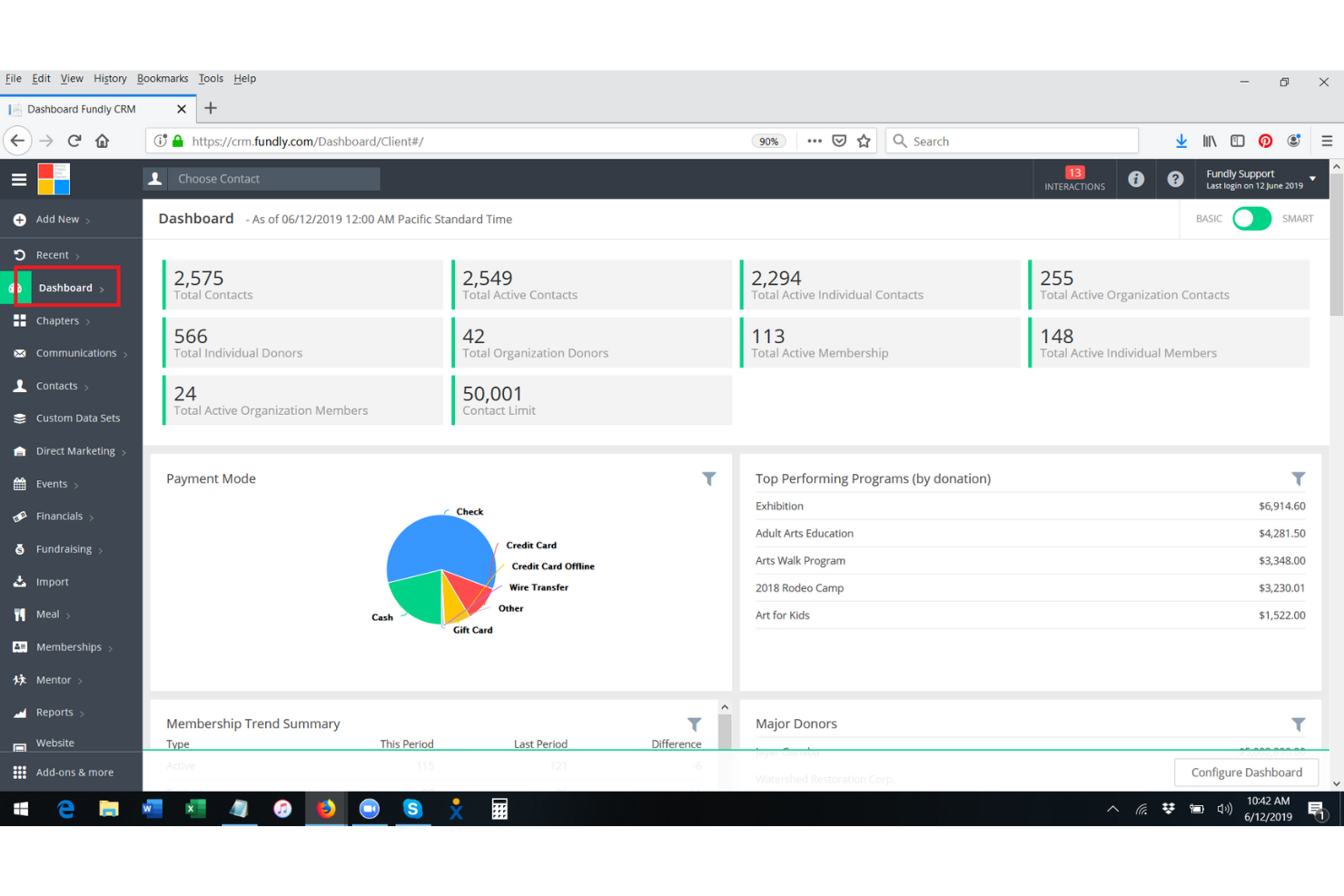
Fundly è una piattaforma di raccolta fondi che consente a chiese e team ministeriali di raccogliere fondi e coinvolgere i sostenitori. Permette la creazione di pagine per campagne ed eventi, il fundraising peer-to-peer e la condivisione sui social, aiutando i leader delle comunità religiose ad amplificare l’impatto e a mobilitare i donatori della comunità.
Perché ho scelto Fundly:
Questo strumento è ideale quando serve un canale digitale per la raccolta fondi che metta al centro lo storytelling e il coinvolgimento diffuso tra i pari—perfetto per viaggi missionari, progetti di sensibilizzazione o campagne di raccolta fondi di ampio respiro. È particolarmente utile per i team disposti a gestire l’amplificazione sui social e i flussi di lavoro per il coinvolgimento dei donatori. Viceversa, se hai bisogno di un sistema completo per la gestione dei donatori o di moduli complessi per donazioni ricorrenti, potresti dover valutare l’integrazione di Fundly con un CRM.
Funzionalità principali e integrazioni:
Le funzionalità includono vari modelli di pagine per le raccolte fondi, strumenti per la condivisione sui social, pagine di team per campagne peer-to-peer, monitoraggio delle donazioni in tempo reale ed esperienza utente ottimizzata per dispositivi mobili.
Integrazioni disponibili con Stripe per i pagamenti, integrazione con NonProfitEasy CRM e possibilità di incorporare la piattaforma in WordPress o Facebook.
Pros and Cons
Pros:
- La funzionalità peer-to-peer amplia la portata grazie alle reti dei sostenitori
- Interfaccia per donatori ottimizzata per dispositivi mobili, accessibile anche da smartphone
- Nessun costo di abbonamento consente alle chiese di avviare campagne senza investimento iniziale
Cons:
- Gestione integrata del ciclo di vita del donatore limitata, per le chiese che necessitano di workflow CRM completi
- L’assenza di un piano mensile fisso fa sì che le commissioni totali varino in base al volume delle campagne
Altri software di gestione delle sovvenzioni
Ecco altre opzioni di software di gestione delle sovvenzioni che non sono entrate nella mia selezione principale, ma che potrebbero comunque essere adatte alla tua chiesa, a seconda delle tue esigenze e del tuo budget:
- Fluxx
Ideale per la collaborazione
- CharityEngine
Ideale per operazioni di raccolta fondi unificate per il non profit
- YourCause GrantsConnect
Ideale per la filantropia aziendale
- Instrumentl
Ideale per la scoperta di sovvenzioni con intelligenza artificiale
- WizeHive
Ideale per la personalizzazione
- eCivis
Ideale per finanziamenti governativi
- Grant Lifecycle Manager
Ideale per fondazioni comunitarie
- DonorKite
Ideale per il tracciamento delle donazioni conforme IRS
- GEMS
Ideale per una configurazione semplice
- Submittable
Ideale per la prevenzione delle frodi


Come valuto il software di gestione delle sovvenzioni
Valuto gli strumenti di gestione delle sovvenzioni su due livelli: la base che ogni piattaforma deve coprire—come tracciare una sovvenzione dall'acquisizione alla chiusura—e i fattori differenzianti che distinguono le migliori opzioni.
Funzionalità di base (Requisiti fondamentali per questa lista)
Quando seleziono gli strumenti per la mia lista, assegno a ciascuno un punteggio da 0 (non offre la funzionalità) a 5 (eccelle in quest'area) per ogni funzionalità di base elencata qui sotto. Poi, calcolo il punteggio totale dello strumento come percentuale. Ogni strumento deve ottenere un punteggio totale minimo del 55% per essere preso in considerazione.
- Gestione del ciclo di vita della sovvenzione: Verifico se una piattaforma traccia ogni sovvenzione dalla domanda iniziale fino all'assegnazione, l'erogazione e la chiusura—ad esempio seguendo una sovvenzione per un fondo edilizio dalla proposta al rapporto finale.
- Tracciamento dei fondi vincolati: Ogni strumento dovrebbe permettere di etichettare e separare i fondi in base al tipo di vincolo, così una sovvenzione per il ministero giovanile e una per le missioni restano correttamente distinte nella contabilità.
- Reportistica e conformità: Cerco strumenti che generano report pronti per i finanziatori, soprattutto quelli che si allineano a modelli di reporting comuni delle denominazioni o delle fondazioni, che il tuo team finanziario dovrà realmente presentare.
- Automazione delle domande e dei flussi di lavoro: Moduli di acquisizione configurabili e processi di approvazione a più livelli sono fondamentali qui—pensa a un comitato di revisione che valuta proposte di outreach comunitario prima che arrivino al pastore senior.
- Gestione del budget e delle erogazioni: La piattaforma dovrebbe tracciare le erogazioni rispetto ai budget approvati, così puoi vedere a colpo d'occhio quanto resta su una sovvenzione pluriennale per il miglioramento delle strutture.
- Gestione dei documenti: Valuto come ogni strumento organizza contratti, ricevute e allegati per ogni sovvenzione, poiché la stagione degli audit è molto più semplice quando ogni documento di supporto si trova in un'unica posizione facilmente ricercabile.
Una volta individuati gli strumenti che soddisfano questi criteri, considero ciò che differenzia ciascuna piattaforma.
Fattori differenzianti (Cosa distingue i fornitori)
Ecco come confronto i diversi fornitori:
Funzionalità eccellenti
La gestione delle sotto-sovvenzioni è un forte elemento distintivo per le chiese multisito o le denominazioni che trasmettono fondi a ministeri affiliati. Cerco strumenti che tengano traccia di ogni sotto-assegnazione separatamente, ciascuna con il proprio budget e cronologia di rendicontazione. Anche il monitoraggio dei risultati e dell'impatto è cruciale—quando un finanziatore chiede quante famiglie la tua dispensa ha servito grazie alla sua sovvenzione, hai bisogno che questi dati siano collegati direttamente all'assegnazione. Un database integrato per la ricerca di sovvenzioni aiuta i team parrocchiali a trovare nuove opportunità di finanziamento a stampo religioso senza dover consultare manualmente le directory delle fondazioni.
Oltre le funzionalità
L'integrazione con il sistema di gestione della chiesa già in uso è importante—se il tuo strumento di sovvenzioni non può sincronizzarsi con piattaforme come Planning Center o Aplos, il tuo team finanziario finirà per inserire i dati due volte. Valuto anche il supporto all'onboarding, dato che molti amministratori parrocchiali non sono professionisti della finanza a tempo pieno e necessitano di una guida per la configurazione delle strutture di fondi e dei flussi di lavoro. Infine, la trasparenza dei prezzi per le organizzazioni non profit è un altro aspetto che considero, perché le piccole comunità devono sapere in anticipo se la piattaforma rientra nel loro budget, senza costi nascosti per ogni singola sovvenzione.
Come scegliere il software di gestione delle sovvenzioni giusto per la tua chiesa
Non lasciarti scoraggiare da un elenco di funzionalità elaborate o da modelli di prezzo confusi. Ecco una semplice lista di controllo che puoi utilizzare per valutare se una soluzione software di gestione delle sovvenzioni è adatta al tuo ministero:
| Fattore | Cosa considerare |
|---|---|
| Scalabilità | Crescerà insieme al vostro ministero? |
| Integrazioni | Funziona con gli strumenti che già utilizzate (contabilità, CRM, ecc.)? |
| Personalizzazione | Potete adattarlo al modo in cui la vostra chiesa gestisce le sovvenzioni? |
| Semplicità d’uso | Il vostro personale e i volontari possono imparare a usarlo rapidamente? |
| Budget | Rientra nei vostri limiti finanziari, inclusi configurazione e componenti aggiuntivi? |
| Sicurezza | Sono presenti protezioni per i dati finanziari sensibili? |
| Servizi di assistenza | Potete ricevere un aiuto concreto quando qualcosa non funziona? |
| Funzionalità di reportistica | Vi aiuterà a dimostrare l’impatto a donatori, consigli direttivi o enti finanziatori? |
Tendenze nei software per la gestione delle sovvenzioni che le chiese dovrebbero osservare
Durante la mia ricerca, ho notato alcune tendenze particolarmente rilevanti per le chiese e i ministeri:
- Analisi basate sull’IA: alcune piattaforme utilizzano l’IA per aiutarvi a capire cosa funziona e cosa no nelle vostre richieste di sovvenzione. Per le chiese più piccole che non hanno un esperto di sovvenzioni nel personale, questo può far risparmiare tempo e ridurre le congetture.
- Blockchain per la trasparenza: sebbene sia ancora una tecnologia emergente, alcuni strumenti stanno iniziando a utilizzare la blockchain per un monitoraggio sicuro e tracciabile dei fondi. Questo potrebbe essere utile quando i finanziatori richiedono una reportistica dettagliata.
- Strumenti di collaborazione migliori: sempre più piattaforme stanno migliorando il modo in cui i team possono condividere documenti, lasciare note e comunicare, tutto in un unico spazio. È un vantaggio quando sono coinvolti più membri del personale o volontari.
- Design intuitivo: i fornitori stanno investendo in interfacce più semplici. Se in passato avete avuto brutte esperienze con sistemi macchinosi, le opzioni più recenti potrebbero sorprendervi.
- Reportistica in tempo reale: i pannelli di controllo stanno diventando uno standard, così potete vedere a colpo d’occhio cosa è stato inviato, cosa è in sospeso e dove vengono destinati i fondi.
Che cos’è un software per la gestione delle sovvenzioni?
Il software per la gestione delle sovvenzioni aiuta chiese e ministeri a monitorare, richiedere e gestire le sovvenzioni dall’inizio alla fine. Dalla compilazione delle richieste al monitoraggio delle spese e alla reportistica per i finanziatori, questi strumenti sono progettati per far risparmiare tempo e ridurre gli errori.
Anche se la vostra chiesa non dispone di un’organizzazione del personale paragonabile a quella di una grande organizzazione non profit, il software giusto può offrirvi lo stesso livello di organizzazione e contribuire a garantire che nessuna opportunità vada persa.
Caratteristiche principali da cercare
Caratteristiche dei software per la gestione delle sovvenzioni
Quando scegliete un software per la gestione delle sovvenzioni, cercate le seguenti caratteristiche principali:
Monitoraggio delle richieste: tenete sotto controllo le richieste di sovvenzione dall’invio all’approvazione, monitorando ogni fase e stato in un unico pannello di controllo. Questo vi aiuta a individuare rapidamente i colli di bottiglia e a intervenire dove necessario.
Gestione dei documenti: organizzate, archiviate e recuperate i file importanti in modo sicuro. Con una gestione affidabile dei documenti, non dovrete più perdere tempo a cercare quel particolare foglio di calcolo del budget.
Flussi di lavoro personalizzabili: adattate processi e fasi di approvazione al ciclo di gestione delle sovvenzioni specifico della vostra organizzazione. Questa flessibilità vi evita di dover forzare il vostro flusso di lavoro all’interno di uno schema inadatto.
Reportistica e analisi: generate report utili con pochi clic per analizzare tassi di successo, conformità e distribuzione dei finanziamenti. La reportistica vi dà la possibilità di prendere decisioni basate su dati reali, non su congetture.
Strumenti di collaborazione: lavorate insieme a colleghi, revisori e parti interessate utilizzando note condivise, messaggistica e accessi basati sui ruoli, così tutti rimangono sulla stessa lunghezza d’onda, letteralmente.
Promemoria per scadenze e attività: configurate notifiche per le scadenze e le attività imminenti, così voi e il vostro team potrete evitare corse dell’ultimo minuto o opportunità perse.
Monitoraggio della conformità: controllate facilmente il rispetto dei requisiti dei finanziatori, così sarete sempre pronti per un audit e potrete dormire più serenamente.
Gestione del budget: pianificate, assegnate e monitorate le spese per ogni programma di sovvenzioni, assicurandovi che il budget torni e che nulla vada perso.
Funzionalità comuni dell’IA nei software per la gestione delle sovvenzioni
Oltre alle funzionalità standard dei software per la gestione delle sovvenzioni elencate sopra, molte di queste soluzioni integrano l’IA con funzionalità come:
Ricerca di sovvenzioni basata sull’IA: lasciate che l’IA analizzi database pubblici e privati per individuare nuove opportunità di finanziamento in linea con gli obiettivi della vostra organizzazione, risparmiandovi ore di ricerca manuale.
Screening automatizzato dell'idoneità: usa l'IA per valutare istantaneamente se il tuo progetto soddisfa i requisiti di un finanziatore, aiutandoti a dare priorità alle corrispondenze più promettenti ed evitare di sprecare tempo con possibilità remote.
Valutazione intelligente delle domande: l'IA analizza le tue bozze per prevedere il punteggio che potrebbero ottenere in base ai criteri storici, così puoi apportare miglioramenti prima dell'invio.
Elaborazione del linguaggio naturale per la redazione delle proposte: ricevi suggerimenti dell'IA in tempo reale per rendere più chiare le tue proposte, migliorarne il tono e allinearle alle linee guida dei finanziatori, aumentando le probabilità di ottenere il finanziamento.
Analisi predittiva dei risultati: l'IA esamina le tendenze relative alle domande e agli esiti precedenti per prevedere le tue probabilità di successo e perfezionare di conseguenza la tua strategia.
Perché le chiese traggono vantaggio dal software di gestione delle sovvenzioni
Ecco cosa può fare il software di gestione delle sovvenzioni più adatto per la tua chiesa:
- Farti risparmiare tempo automatizzando le attività amministrative ripetitive
- Aiutarti a rispettare gli obblighi relativi ai requisiti delle sovvenzioni e alle scadenze per la rendicontazione
- Migliorare il lavoro di squadra mantenendo tutti aggiornati
- Aiutarti a prendere decisioni migliori grazie ai dati finanziari e sulle sovvenzioni in tempo reale
- Ottimizzare le tue risorse monitorando l'utilizzo di ogni dollaro
- Semplificare la rendicontazione per i team dirigenziali e i finanziatori
Prezzi: quanto costa in genere il software di gestione delle sovvenzioni
Non tutte le chiese hanno bisogno del piano di livello più avanzato. Ecco un'idea generale di ciò che puoi aspettarti in base alle tue esigenze e alle dimensioni della tua organizzazione:
Tabella comparativa dei piani per il software di gestione delle sovvenzioni
| Tipo di piano | Prezzo medio | Funzionalità comuni |
|---|---|---|
| Piano gratuito | $0 | Monitoraggio di base delle domande, assistenza limitata, spazio di archiviazione minimo |
| Piano personale | $10-$30/utente/mese | Monitoraggio del budget, report di base, assistenza via e-mail |
| Piano aziendale | $40-$80/utente/mese | Strumenti per i team, integrazioni, flussi di lavoro personalizzati |
| Piano per grandi organizzazioni | $100-$200/utente/mese | Analisi complete, assistenza prioritaria, sicurezza avanzata |
Domande frequenti sul software per la gestione delle sovvenzioni (per pastori e team del ministero)
Se non hai mai gestito sovvenzioni—o sei semplicemente stanco di lottare con fogli di calcolo disordinati—queste domande comuni potrebbero aiutarti a fare chiarezza.
Vale davvero la pena sostenere il costo di un software per la gestione delle sovvenzioni per una piccola chiesa, o i fogli di calcolo saranno sufficienti?
Se la tua chiesa presenta domanda per poche sovvenzioni all’anno, i fogli di calcolo potrebbero essere sufficienti. Ma se devi tenere traccia di più sovvenzioni o presentare spesso relazioni ai finanziatori, il software può farti risparmiare grattacapi e aiutarti a evitare errori. Si tratta di valutare il carico di lavoro: se le pratiche burocratiche stanno consumando il tempo dedicato al ministero, spesso vale la pena investire in un piano software di base.
A quali costi nascosti dovrei prestare attenzione quando acquisto un software per la gestione delle sovvenzioni?
Fai attenzione a costi aggiuntivi come formazione, configurazione o componenti aggiuntivi per funzionalità che pensavi fossero incluse. Alcuni piani prevedono costi per utenti o spazio di archiviazione aggiuntivi. Chiedi sempre un dettaglio completo dei prezzi prima di iscriverti e verifica con attenzione quale assistenza è inclusa, per evitare sorprese in seguito.
Esistono modi per consentire alle chiese di condividere il costo di un software per la gestione delle sovvenzioni?
Sì, alcune chiese collaborano e dividono il costo, soprattutto se fanno parte di una rete o di una denominazione. Verifica se il software offre prezzi per più organizzazioni o sconti di gruppo. Vale la pena chiedere ai fornitori se supportano account condivisi o prezzi per acquisti in grandi quantità.
Quanto tempo dovremmo aspettarci di dedicare alla configurazione e all'apprendimento di un nuovo software per la gestione delle sovvenzioni?
Per la maggior parte dei team delle chiese, prevedi qualche ora per configurare le informazioni di base e un paio di sessioni di formazione per acquisire familiarità. Se il tuo team non ha molta dimestichezza con la tecnologia, considera di dedicare più tempo. I buoni fornitori offrono guide dettagliate e assistenza dal vivo: utilizza queste risorse per accelerare il processo.
Esistono sconti o sovvenzioni che aiutano le chiese a pagare un software per la gestione delle sovvenzioni?
Molte aziende di software offrono sconti per organizzazioni non profit: chiedi sempre. Alcune denominazioni o fondazioni locali offrono piccole sovvenzioni tecnologiche alle chiese. Cerca periodi di prova gratuiti e non esitare a negoziare una tariffa più bassa, soprattutto se il tuo budget è limitato.
Qual è il prossimo passo?
Iscriviti alla nostra newsletter per ricevere le ultime risorse, le migliori pratiche e approfondimenti sulla gestione delle chiese da parte di pastori esperti e leader di chiesa.