

Reseña de Sage Expense Management (anteriormente Fyle): Ventajas, Desventajas, Funciones y Precios
Sage Expense Management destaca por su interfaz fácil de usar y precios flexibles, lo que lo convierte en una de las mejores opciones para iglesias que buscan una gestión financiera sencilla.

Revisamos herramientas de manera independiente, y las comisiones ayudan a financiar nuestras pruebas. Consulta nuestra política de transparencia, nuestra metodología o sugiere una herramienta.
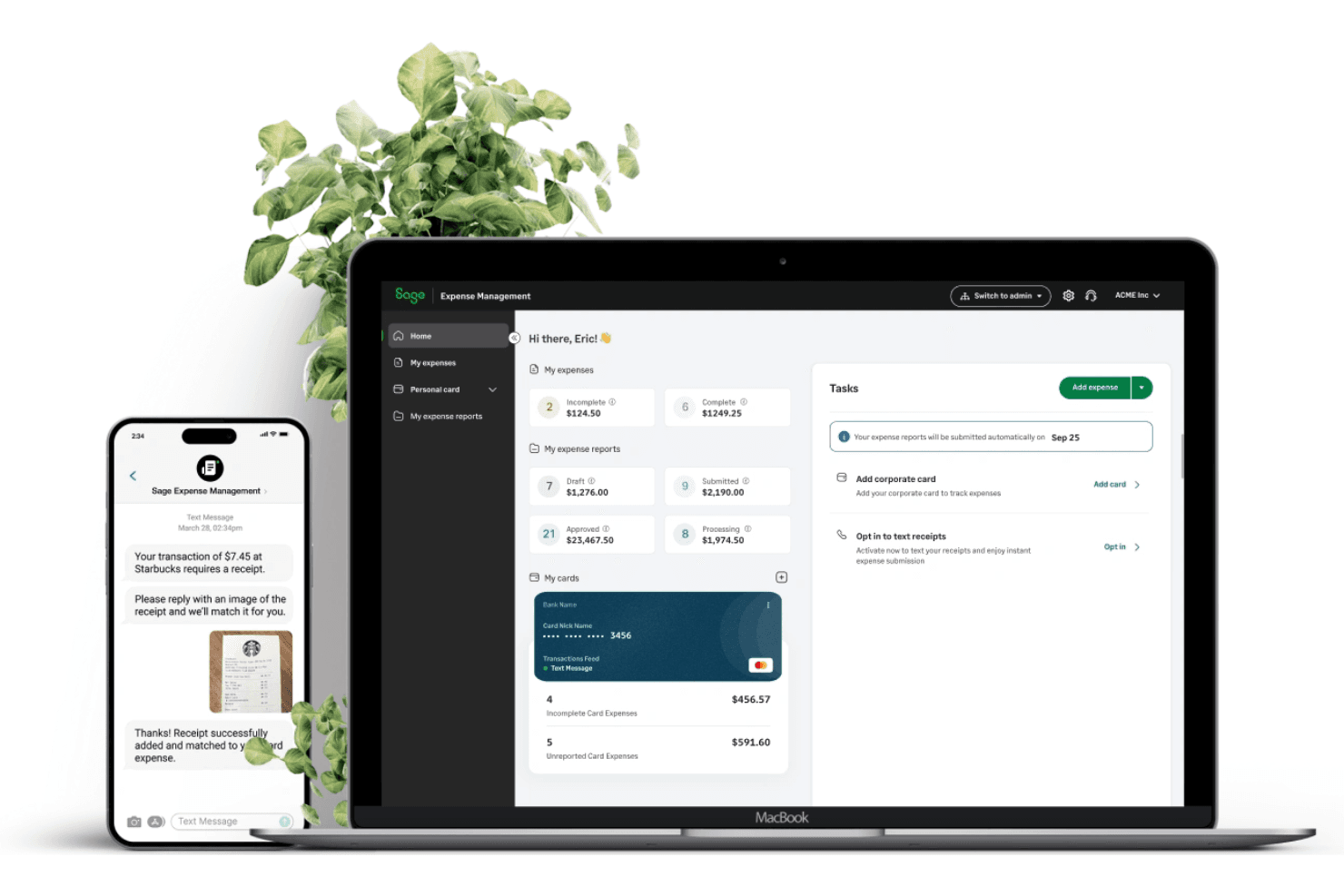
Sage Expense Management (formerly Fyle) is a church accounting software built around real-time expense tracking, receipt capture, and credit card reconciliation. It's worth a close look if your ministry staff and volunteers are submitting expenses in the field and you need those receipts matched and categorized without chasing anyone down. I'd choose it over Expensify if your church already runs on Sage Intacct—that native integration keeps your expense data and general ledger in sync without the manual back-and-forth.
Sage Expense Management (formerly Fyle) Evaluation Summary
4.6/5
- From $11.99/user/month (billed annually)
- Free demo available
Por qué confiar en nuestras recomendaciones de software
6,700+
Reviews
20
Industry experts
16+
Evaluation factors
14
Years
Nuestro equipo lleva probando y evaluando software desde 2012. Como líderes eclesiásticos, sabemos lo difícil —y lo importante— que es elegir el software adecuado.
Para esta guía, evaluamos las herramientas mediante pruebas prácticas e investigación independiente, puntuando las herramientas según nuestros criterios de selección.
Nuestras reseñas reflejan nuestro criterio editorial humano, no un discurso de ventas.
Sage Expense Management (formerly Fyle) Overview
In my opinion, Sage Expense Management is a solid choice for small to mid-sized churches looking for reliable accounting software. It offers a user-friendly interface and good value for money, especially with its modular pricing. While it might not have the advanced features some larger organizations need, it excels in ease of use and customer support. Compared to other tools, Sage stands out for its affordability and straightforward setup, making it ideal for churches without complex accounting needs. If your church needs basic expense tracking and reporting, this could be a great fit.
Pros
- You can easily track and report expenses with its intuitive interface.
- Your team benefits from efficient customer support that resolves issues quickly.
- It's designed with user-friendly features that make onboarding simple for everyone.
Cons
- Your team might find the reporting features limited for complex financial tasks.
- It may lack customization options that some churches require for specific needs.
- You could face challenges with scalability if your church grows significantly.
Is Sage Expense Management (formerly Fyle) Right For Your Needs?
Who Would be a Good Fit for Sage Expense Management (formerly Fyle)?
Sage Expense Management is ideal for small to mid-sized churches needing straightforward expense tracking. If your team values ease of use and efficient support, this software can meet your needs. Its intuitive interface ensures quick adoption, which is great for churches with limited tech resources. The focus on basic financial tasks makes it suitable for organizations that don't require complex accounting features.
- Small ChurchesYour small church benefits from its easy setup and user-friendly features.
- Finance TeamsYour finance team will find its expense tracking and reporting capabilities straightforward and efficient.
- Church TreasurersAs a treasurer, you'll appreciate the simplicity of managing budgets and expenses.
- Religious OrganizationsYour organization can easily handle financial tasks without needing extensive IT support.
- Volunteer-Run ChurchesVolunteers in your church will quickly learn and use the intuitive interface.
- Nonprofit OrganizationsYour nonprofit benefits from the efficient customer support and basic accounting functionalities.
Who Would be a Bad Fit for Sage Expense Management (formerly Fyle)?
Sage Expense Management isn't suitable for large churches or organizations needing advanced accounting features. If your team handles complex financial operations, you'll find its reporting tools limited. Churches with rapidly growing needs or those requiring extensive customization may struggle with its standard functionalities. Its lack of scalability can be an issue if you're planning for significant growth or expansion.
- Large EnterprisesYour large enterprise may find its features too basic for complex financial operations.
- Advanced AccountingYour advanced accounting team will miss out on the detailed reporting tools needed for intricate financial tasks.
- Rapid GrowthIf your church is experiencing rapid growth, you might find its scalability lacking.
- Custom SolutionsOrganizations needing custom solutions will find its limited customization options inadequate.
- IT-Heavy ChurchesYour IT-heavy church might require more technical features than what Sage offers.
- Complex Financial StructuresChurches with complex financial structures will need more advanced functionalities than what Sage provides.
Cómo Probamos y Puntuamos Herramientas
Hemos pasado años creando, refinando y mejorando nuestro sistema de prueba y puntuación de software. La rúbrica está diseñada para captar las particularidades de la selección de software y lo que hace que una herramienta sea efectiva, centrándose en los aspectos críticos del proceso de toma de decisiones. A continuación, puedes ver exactamente cómo funcionan nuestras pruebas y puntuaciones en siete criterios. Nos permite proporcionar una evaluación imparcial del software basada en la funcionalidad principal, características destacadas, facilidad de uso, incorporación, soporte al cliente, integraciones, reseñas de clientes y relación calidad-precio.
Funcionalidad principal (25% de la puntuación final)
El punto de partida de nuestra evaluación es siempre la funcionalidad principal de la herramienta. ¿Tiene las funciones y características básicas que un usuario esperaría ver? ¿Alguna de esas funciones principales está bloqueada en planes de precios superiores? En esencia, esperamos que una herramienta se mantenga frente a las capacidades mínimas de sus competidores.
Características destacadas (25% de la puntuación final)
A continuación, evaluamos características poco comunes que van más allá de la funcionalidad principal típicamente encontrada en herramientas de su tipo. Una puntuación alta refleja funciones especializadas o únicas que hacen que el producto sea más rápido, eficiente o que aporte valor adicional al usuario. También evaluamos lo fácil que es integrarse con otras herramientas habitualmente presentes en la infraestructura tecnológica, para ampliar la funcionalidad y utilidad del software. Las herramientas que ofrecen muchas integraciones nativas, conexiones con terceros y acceso API para crear integraciones personalizadas obtienen la mejor puntuación.
Facilidad de uso (10% de la puntuación final)
Consideramos qué tan rápido y fácil es ejecutar las tareas definidas en la funcionalidad principal utilizando la herramienta. El software con alta puntuación está bien diseñado, es intuitivo de usar, ofrece aplicaciones móviles, proporciona plantillas y hace que tareas relativamente complejas parezcan simples.
Incorporación (10% de la puntuación final)
Sabemos lo importante que es la rápida adopción por parte del equipo en una nueva plataforma, por lo que evaluamos lo fácil que es aprender y usar una herramienta con una formación mínima. Evaluamos lo rápido que un miembro del equipo puede configurarse y comenzar a usar la herramienta sin experiencia previa. Las soluciones mejor puntuadas indican que se requiere poco o ningún soporte.
Soporte al cliente (10% de la puntuación final)
Revisamos lo rápido y fácil que es obtener ayuda por teléfono, chat en vivo o base de conocimiento. Las herramientas y empresas que brindan soporte en tiempo real obtienen la mejor puntuación, mientras que los chatbots obtienen la peor.
Reseñas de clientes (10% de la puntuación final)
Más allá de nuestras propias pruebas y evaluaciones, consideramos la puntuación neta del promotor de clientes actuales y anteriores. Revisamos la probabilidad de que elegirían nuevamente la herramienta para la funcionalidad principal. Un software de alta puntuación refleja una puntuación neta del promotor elevada por parte de sus clientes actuales o pasados.
Relación calidad-precio (10% de la puntuación final)
Por último, en consideración del resto de los criterios, revisamos el precio promedio de los planes de nivel inicial frente a las funciones principales y consideramos el valor de los otros criterios de evaluación. El software que ofrece más, por menos, obtendrá una mejor puntuación.
Core Features
Expense Tracking: You can easily track expenses with real-time notifications, helping you manage your church's finances efficiently. This feature allows your team to input expenses quickly and view detailed summaries.
Budget Management: Manage your church's budget with tools that let you set limits and monitor spending. This helps you keep your finances in check and avoid overspending.
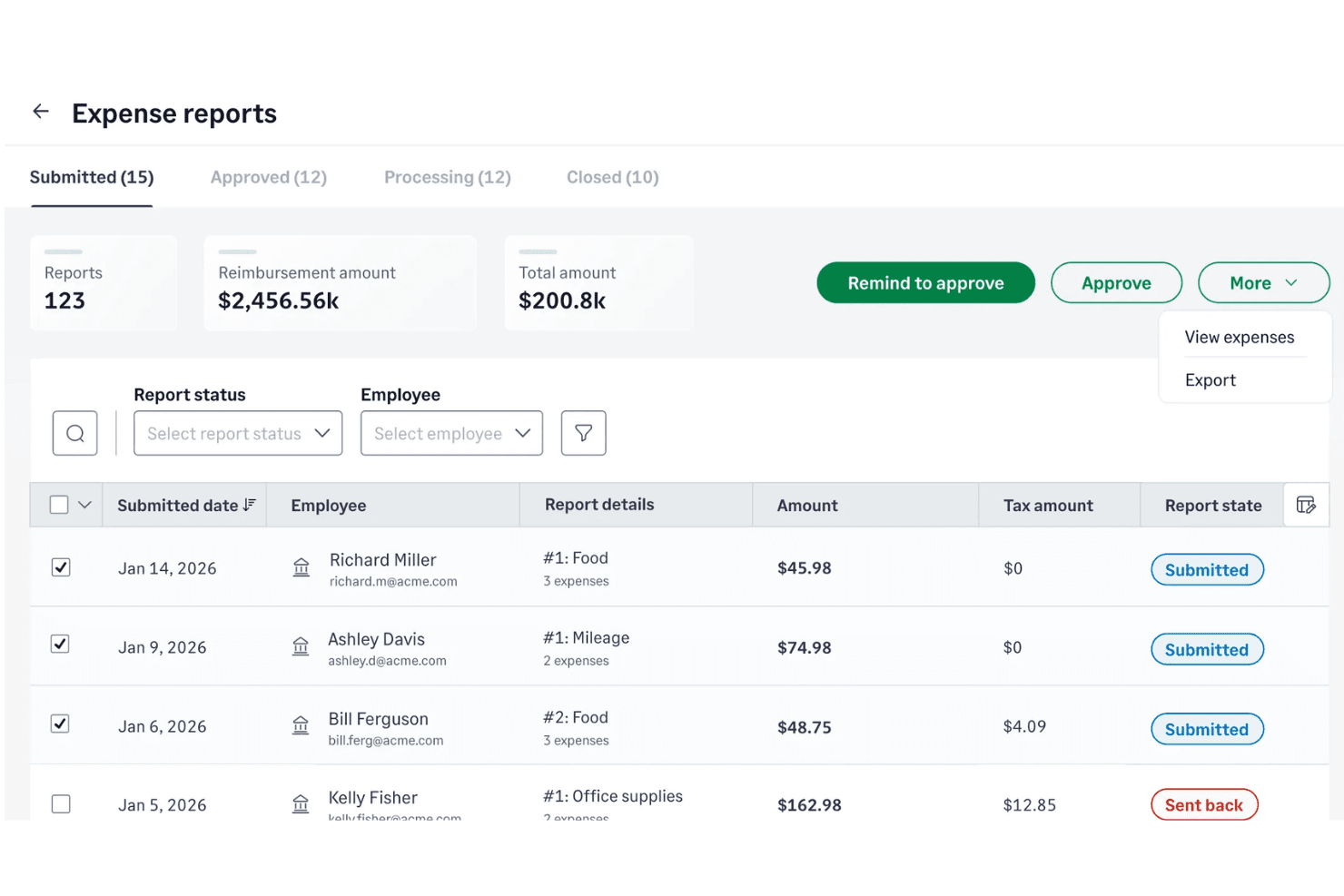
Reporting: Generate basic expense reports that give you insights into your church's financial health. Use these reports to make informed decisions for your organization.
User Access Control: Control who accesses financial data with customizable user permissions. This ensures only authorized team members can view or edit sensitive information.
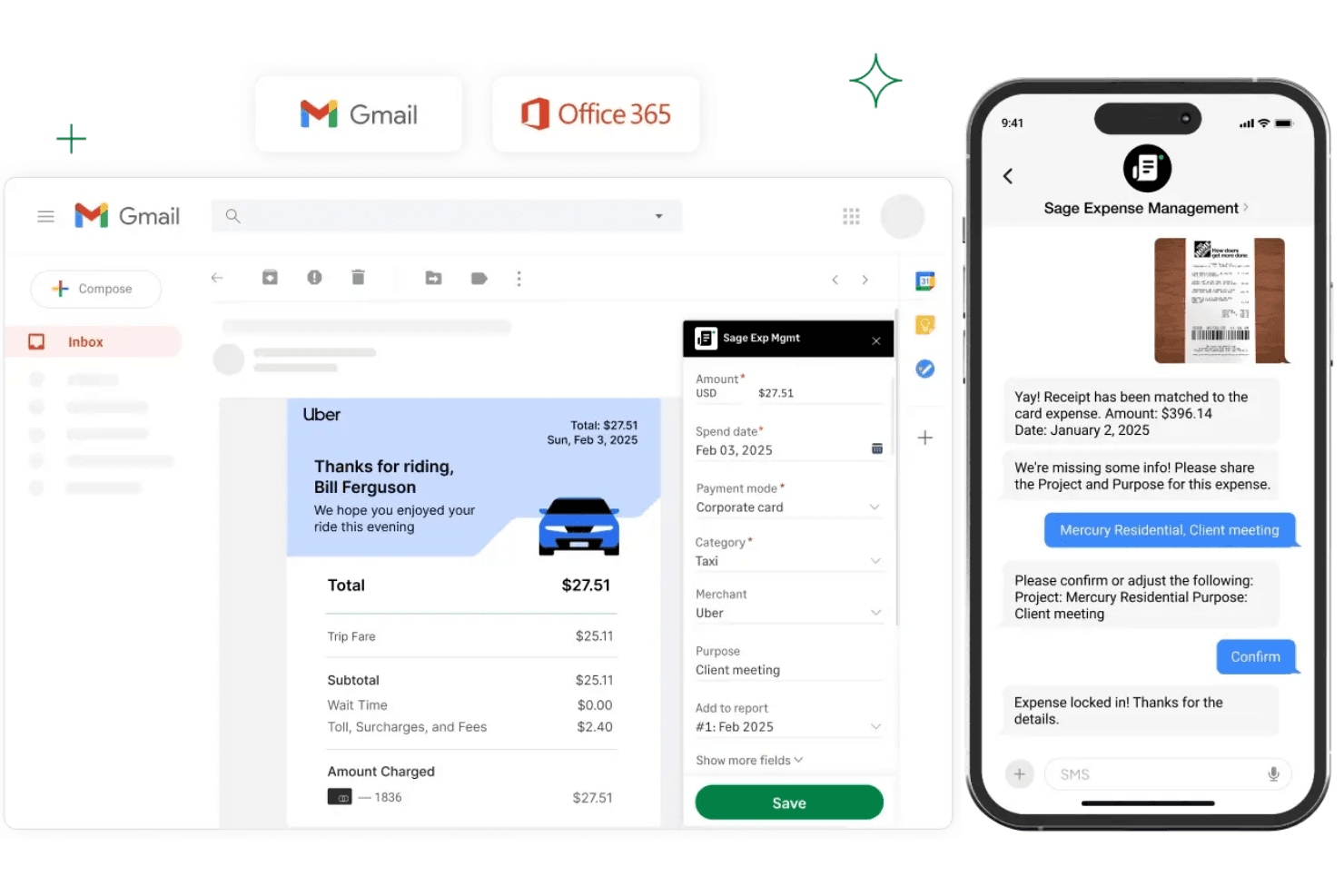
Receipt Management: Store and organize receipts digitally, so you have a clear record of all transactions. This feature simplifies record-keeping and is easy to use.
Audit Trail: Maintain a clear audit trail of all financial activities to ensure transparency and accountability. This feature helps you track changes and identify any discrepancies.
Ease of Use
Sage Expense Management shines in user-friendliness, making it a breeze for your team to handle church accounting tasks. The intuitive interface, optimized for both desktop and the mobile app, requires minimal training, so you can get started quickly without hassle. Its straightforward navigation and clear layout let you easily track expenses and manage budgets. Compared to other software, users appreciate how easily they can access essential features without digging through complicated menus, ensuring your work is efficient and stress-free.
Integrations
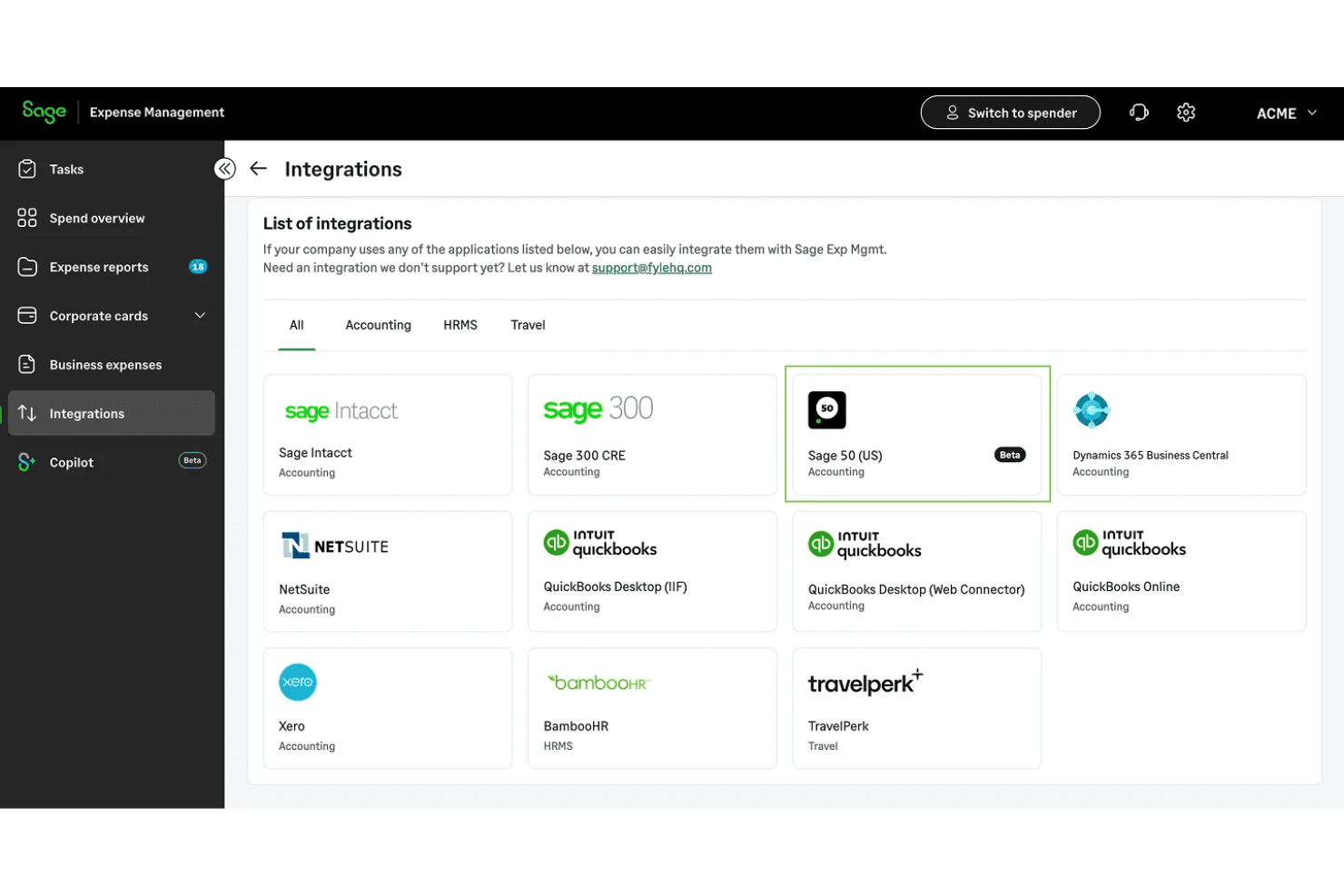
Sage Expense Management integrates with Sage accounting products including Sage Intacct, Sage 300 CRE, and Sage 50, and also connects with QuickBooks Online, QuickBooks Desktop, NetSuite, and Xero.
Sage Expense Management supports productivity tools like Gmail, Microsoft Outlook, and Slack, and provides an API for custom integrations and third-party automation workflows.
Sage Expense Management (formerly Fyle) Specs
- 2-Factor Authentication: Yes
- API: Yes
- Approval Workflows: Yes
- Audit Trail: Yes
- Balance Sheet: Yes
- Billing/Invoicing: Yes
- Budgeting: Yes
- Calendar Management: Yes
- Compliance Tracking: Yes
- Contact Management: Yes
- CRM Integration: Yes
- Custom Reports: Yes
- Customer Management: Yes
- Dashboard: Yes
- Data Export: Yes
- Data Import: Yes
- Data Visualization: Yes
- Document Management: Yes
- Expense Tracking: Yes
- External Integrations: Yes
- Forecasting: Yes
- Inventory Tracking: Yes
- Multi-Currency: Yes
- Multi-User: Yes
- Notifications: Yes
- P&L: Yes
- Risk Assessment: Yes
- SAP Integration: Yes
- Scheduling: Yes
- Supplier Management: Yes
- Workflow Management: Yes

