
Reseña de Calendly: Ventajas, Desventajas, Características y Precios Explicados


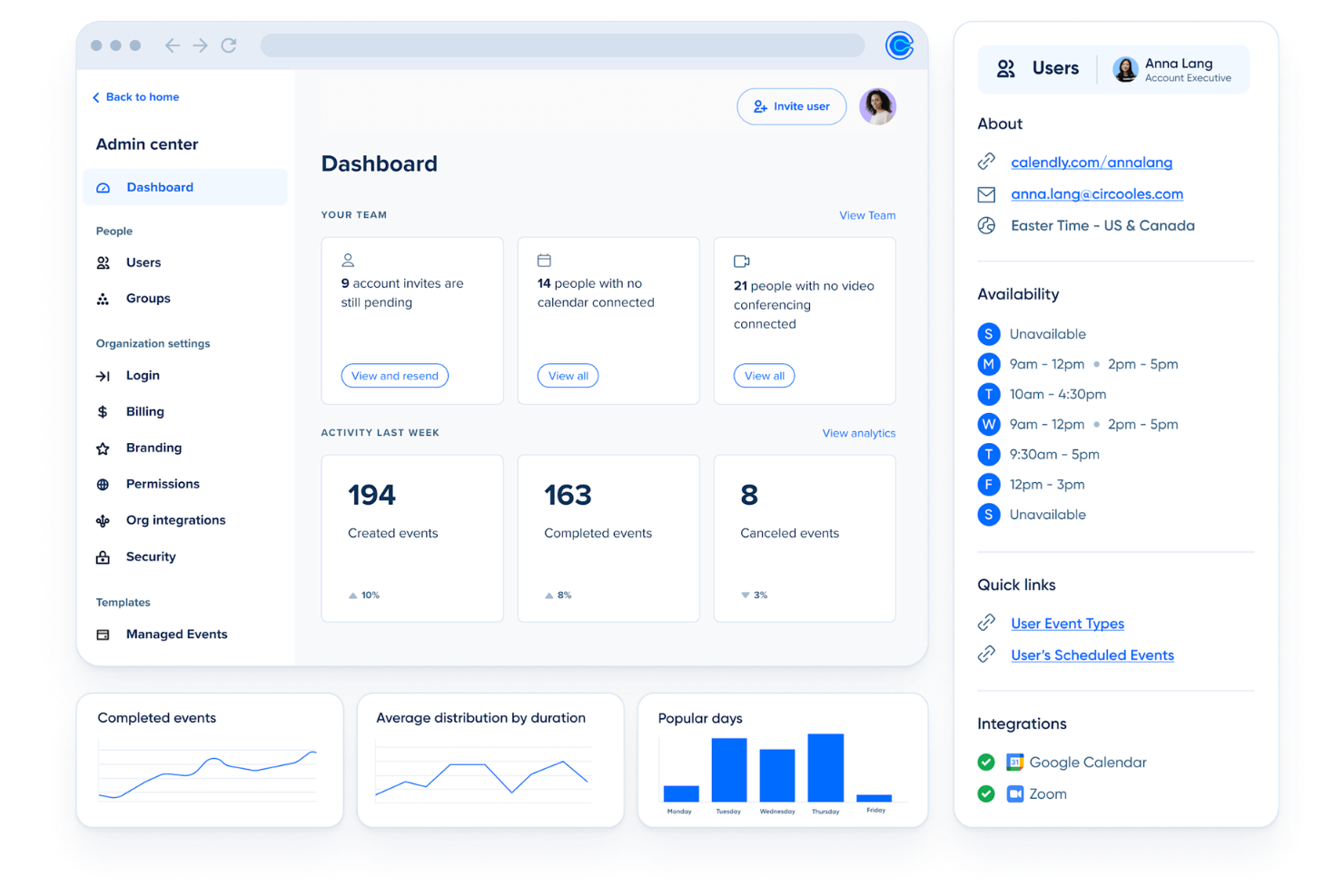
Calendly is a church scheduling software built around automated appointment booking and calendar management. It's worth considering if your team is coordinating pastoral counseling sessions, volunteer onboarding, or staff meetings—and you want people to book time without the back-and-forth. I'd choose it over Planning Center Scheduling if scheduling is your primary need, since Calendly keeps the setup simple and doesn't bundle you into a broader church management system you may not need.
Calendly Evaluation Summary
- From $10/seat/month (billed annually)
- 14-day free trial + free plan + free demo available
Por qué confiar en nuestras recomendaciones de software
Nuestro equipo lleva probando y evaluando software desde 2012. Como líderes eclesiásticos, sabemos lo difícil —y lo importante— que es elegir el software adecuado.
Para esta guía, evaluamos las herramientas mediante pruebas prácticas e investigación independiente, puntuando las herramientas según nuestros criterios de selección.
Nuestras reseñas reflejan nuestro criterio editorial humano, no un discurso de ventas.
Calendly Overview
When judging Calendly as a church scheduling software, its clean interface, quick onboarding, and strong calendar integrations set it apart for churches needing simple, automated bookings. While it lacks built-in tools for room management or volunteer coordination, its pricing is transparent and its overall functionality is solid. If you’re selecting a solution for basic meeting scheduling—like pastoral appointments or small group sign-ups—Calendly excels. However, for complex event planning, you may find its features limited compared to more specialized options. Overall, it’s a top pick for churches prioritizing ease of use and straightforward scheduling.
pros
-
Syncs with Google and Outlook calendars to prevent double.
-
Automates email and text reminders for scheduled meetings.
-
Offers meeting polls to find the best group time.
cons
-
Lacks built-in tools for room or resource management.
-
No volunteer scheduling or rotation features.
-
Free plan restricts advanced scheduling options and branding.
-

AskMyChurch
Visit Website -
ChMeetings
Visit WebsiteThis rating combines scores from multiple user review sites to reflect overall customer sentiment about the product.4.9 -
Subsplash
Visit WebsiteThis rating combines scores from multiple user review sites to reflect overall customer sentiment about the product.4.5





Cómo Probamos y Puntuamos Herramientas
Hemos pasado años creando, refinando y mejorando nuestro sistema de prueba y puntuación de software. La rúbrica está diseñada para captar las particularidades de la selección de software y lo que hace que una herramienta sea efectiva, centrándose en los aspectos críticos del proceso de toma de decisiones. A continuación, puedes ver exactamente cómo funcionan nuestras pruebas y puntuaciones en siete criterios. Nos permite proporcionar una evaluación imparcial del software basada en la funcionalidad principal, características destacadas, facilidad de uso, incorporación, soporte al cliente, integraciones, reseñas de clientes y relación calidad-precio.
Funcionalidad principal (25% de la puntuación final)
El punto de partida de nuestra evaluación es siempre la funcionalidad principal de la herramienta. ¿Tiene las funciones y características básicas que un usuario esperaría ver? ¿Alguna de esas funciones principales está bloqueada en planes de precios superiores? En esencia, esperamos que una herramienta se mantenga frente a las capacidades mínimas de sus competidores.
Características destacadas (25% de la puntuación final)
A continuación, evaluamos características poco comunes que van más allá de la funcionalidad principal típicamente encontrada en herramientas de su tipo. Una puntuación alta refleja funciones especializadas o únicas que hacen que el producto sea más rápido, eficiente o que aporte valor adicional al usuario. También evaluamos lo fácil que es integrarse con otras herramientas habitualmente presentes en la infraestructura tecnológica, para ampliar la funcionalidad y utilidad del software. Las herramientas que ofrecen muchas integraciones nativas, conexiones con terceros y acceso API para crear integraciones personalizadas obtienen la mejor puntuación.
Facilidad de uso (10% de la puntuación final)
Consideramos qué tan rápido y fácil es ejecutar las tareas definidas en la funcionalidad principal utilizando la herramienta. El software con alta puntuación está bien diseñado, es intuitivo de usar, ofrece aplicaciones móviles, proporciona plantillas y hace que tareas relativamente complejas parezcan simples.
Incorporación (10% de la puntuación final)
Sabemos lo importante que es la rápida adopción por parte del equipo en una nueva plataforma, por lo que evaluamos lo fácil que es aprender y usar una herramienta con una formación mínima. Evaluamos lo rápido que un miembro del equipo puede configurarse y comenzar a usar la herramienta sin experiencia previa. Las soluciones mejor puntuadas indican que se requiere poco o ningún soporte.
Soporte al cliente (10% de la puntuación final)
Revisamos lo rápido y fácil que es obtener ayuda por teléfono, chat en vivo o base de conocimiento. Las herramientas y empresas que brindan soporte en tiempo real obtienen la mejor puntuación, mientras que los chatbots obtienen la peor.
Reseñas de clientes (10% de la puntuación final)
Más allá de nuestras propias pruebas y evaluaciones, consideramos la puntuación neta del promotor de clientes actuales y anteriores. Revisamos la probabilidad de que elegirían nuevamente la herramienta para la funcionalidad principal. Un software de alta puntuación refleja una puntuación neta del promotor elevada por parte de sus clientes actuales o pasados.
Relación calidad-precio (10% de la puntuación final)
Por último, en consideración del resto de los criterios, revisamos el precio promedio de los planes de nivel inicial frente a las funciones principales y consideramos el valor de los otros criterios de evaluación. El software que ofrece más, por menos, obtendrá una mejor puntuación.
Core Features
Calendar Syncing
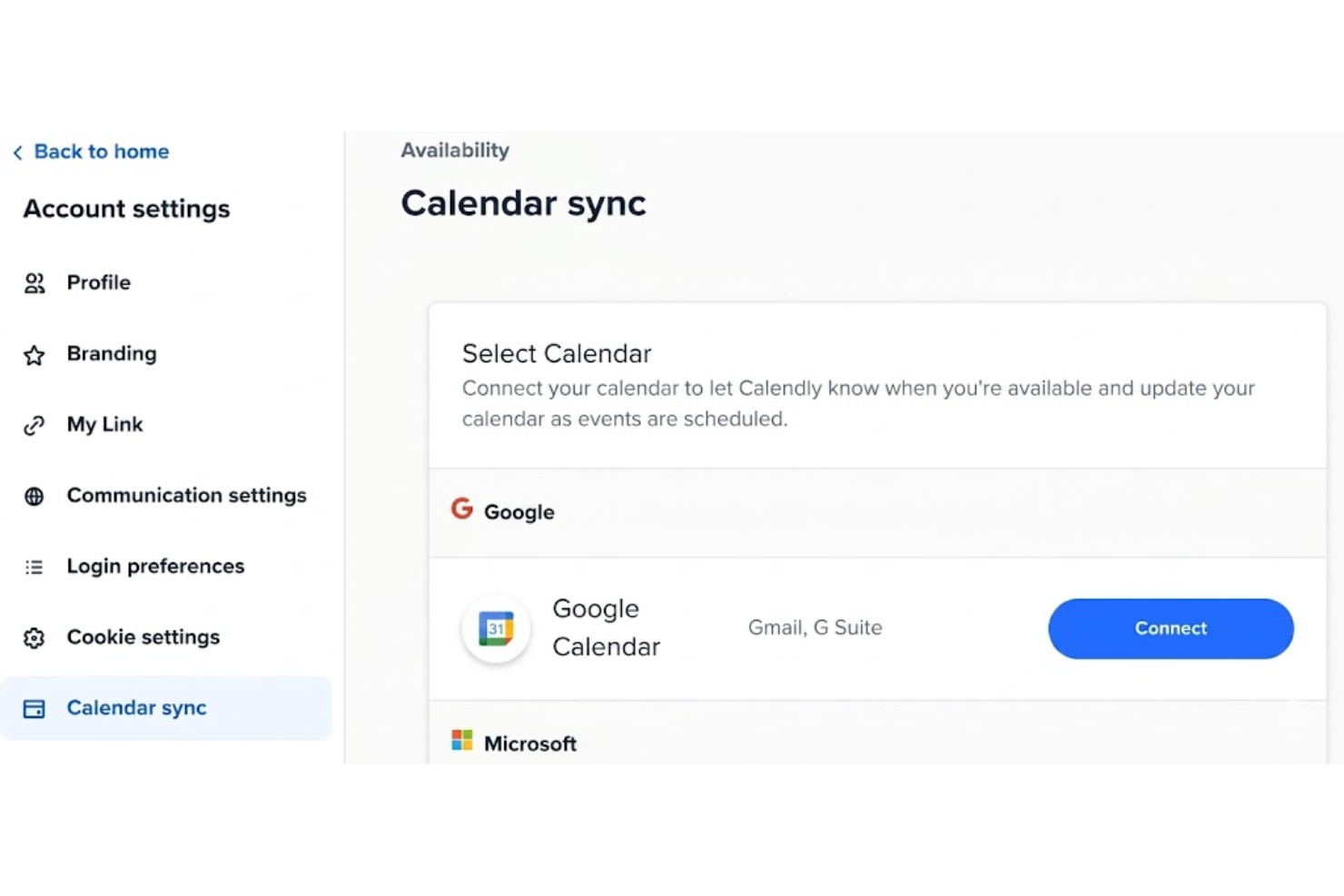
Calendly connects with Google, Outlook, and Exchange calendars to prevent double-booking and keep schedules up to date.
Custom Event Types
Create different meeting types, such as one-on-ones or group sessions, each with unique durations and settings.
Automated Reminders
Send automatic email and text reminders to reduce no-shows and keep attendees informed.
Meeting Polls
Allow groups to vote on the best meeting time, then automatically book the most popular slot.
Availability Management
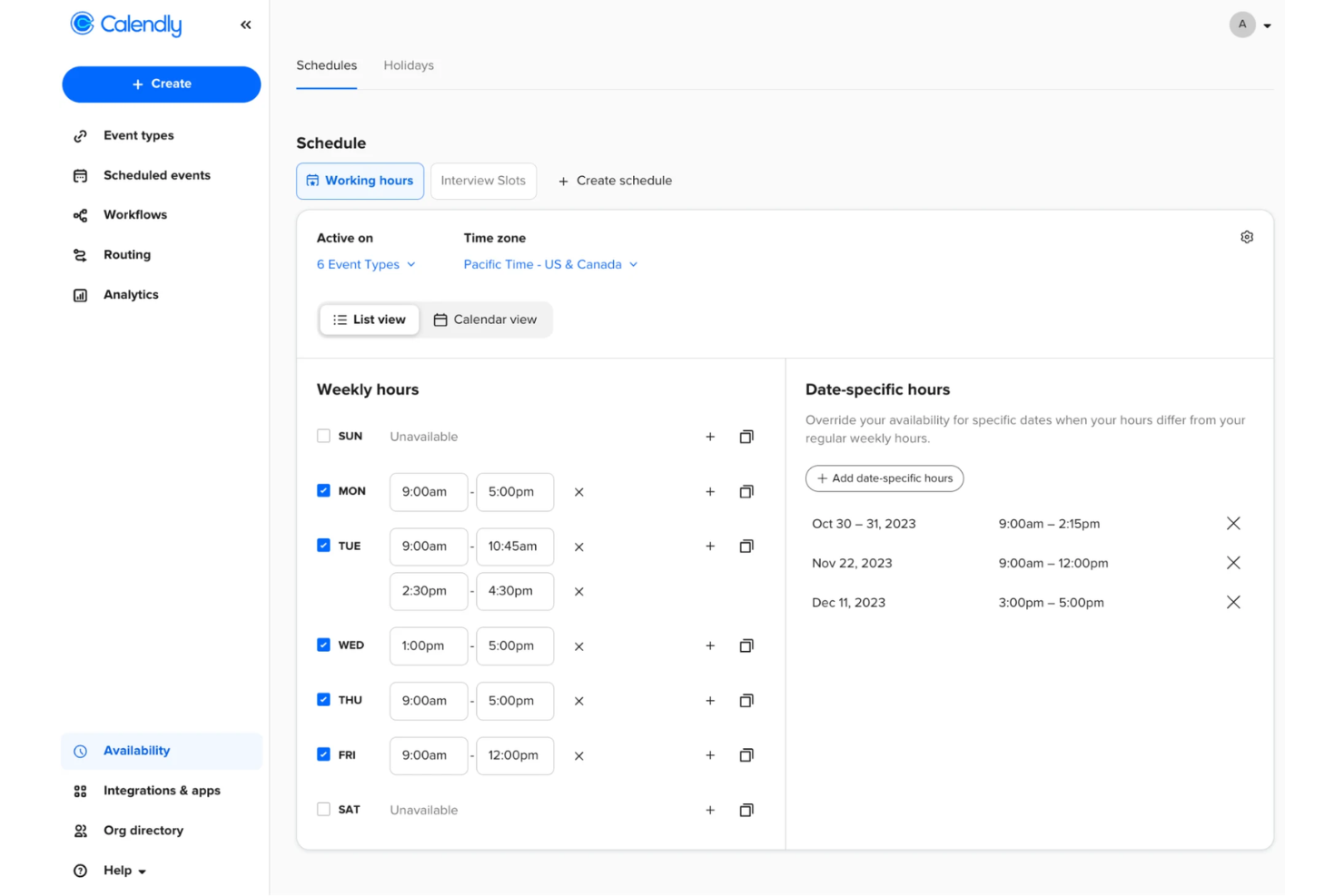
Set your available times, add buffers between meetings, and limit the number of daily bookings, ensuring smooth scheduling in real-time.
Routing Forms
Collect information from invitees before booking and direct them to the right scheduling page based on their responses.
Ease of Use
Calendly stands out for its clean interface and quick setup, making it approachable for church staff and volunteers with varying tech skills. Users consistently mention how easy it is to create booking links, adjust availability, and manage appointments without training. The platform’s intuitive design reduces administrative headaches and helps prevent scheduling mistakes. While it doesn’t offer advanced event management, its simplicity is a major advantage for churches focused on straightforward scheduling and seamless user experience.
Integrations
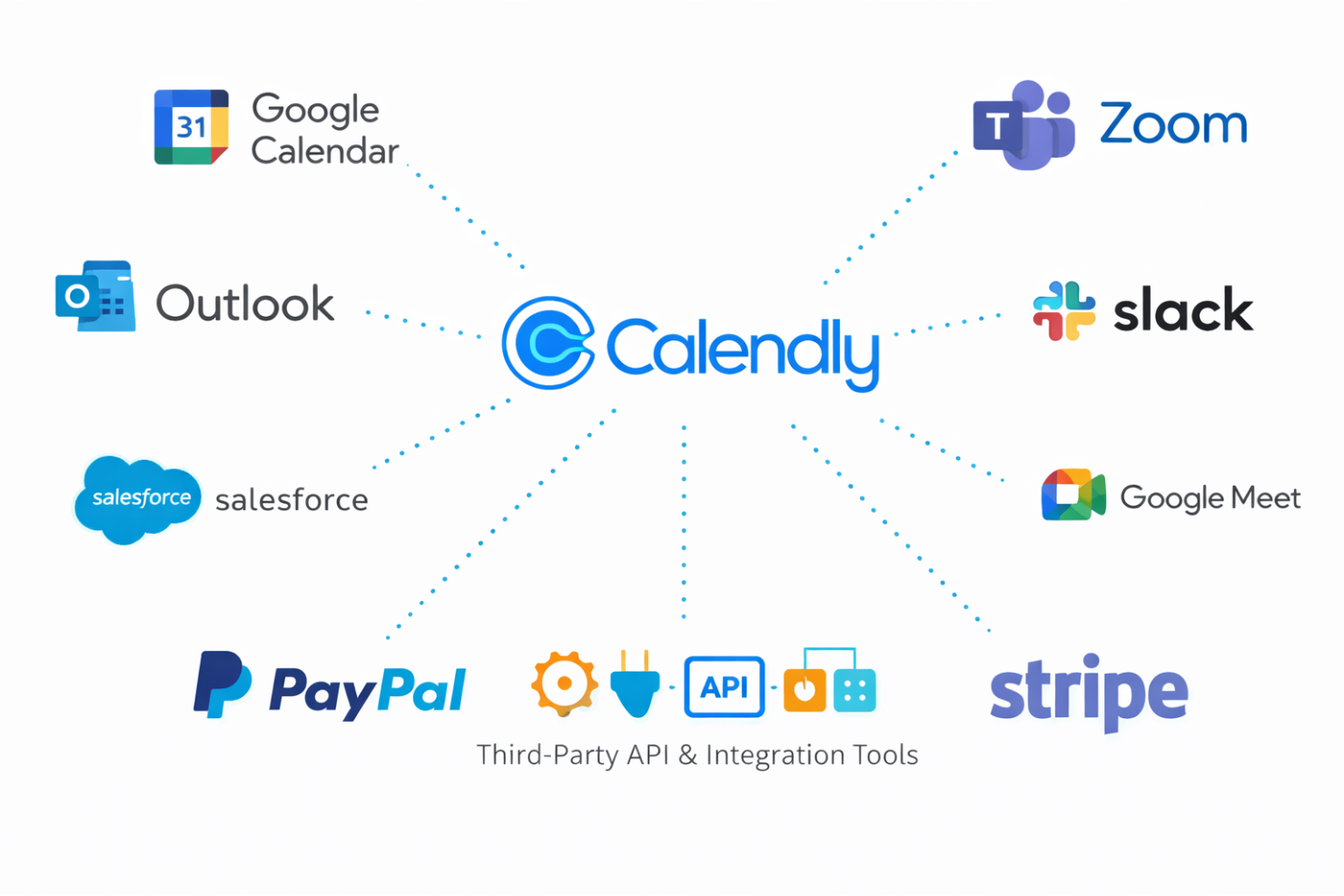
Calendly integrates with Google Calendar, Outlook, Microsoft Teams, Zoom, Slack, Salesforce, HubSpot, PayPal, Stripe, and Google Meet, among others.
Calendly also offers an API and connects with third-party integration tools like Zapier for expanded automation and connectivity.
Calendly Specs
- API
- Appointment Scheduling
- Attendance Tracking
- Calendar Management
- Contact Management
- Contact Sharing
- Dashboards
- Email Integration
- External Integrations
- Google Apps Integration
- Mobile App
- Multi-User
- Notifications
- Project Management
- Reports
- Resource Management
- Scheduling
- Task Scheduling/Tracking
- Time Management
- Vacation & Absence Calendar