
Sage Expense Management (ehemals Fyle) Testbericht: Vorteile, Nachteile, Funktionen und Preise


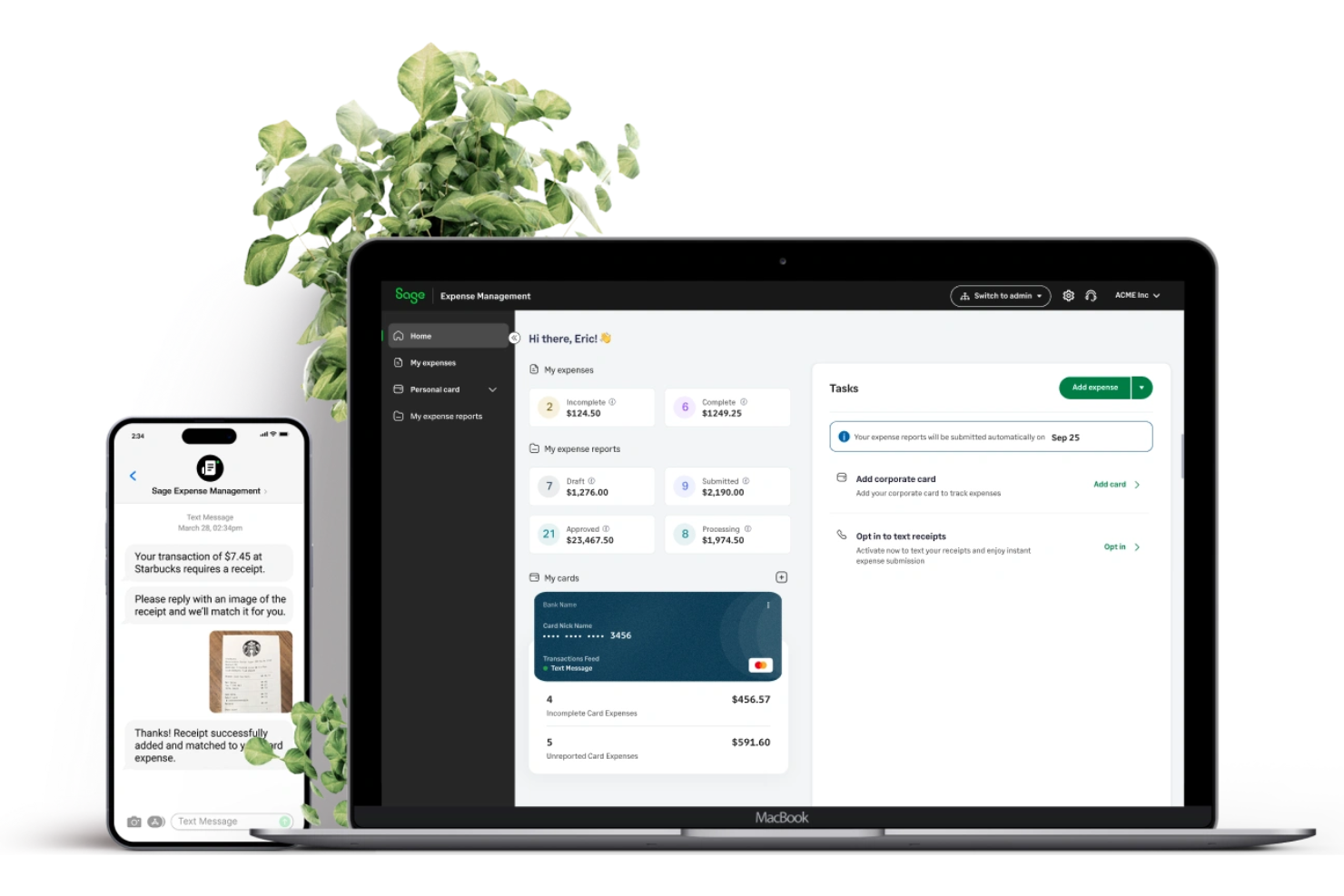
Sage Expense Management (formerly Fyle) is a church accounting software built around real-time expense tracking, receipt capture, and credit card reconciliation. It's worth a close look if your ministry staff and volunteers are submitting expenses in the field and you need those receipts matched and categorized without chasing anyone down. I'd choose it over Expensify if your church already runs on Sage Intacct—that native integration keeps your expense data and general ledger in sync without the manual back-and-forth.
Sage Expense Management (formerly Fyle) Evaluation Summary
- From $11.99/user/month (billed annually)
- Free demo available
Warum Sie unseren Software-Empfehlungen vertrauen können
Unser Team testet und bewertet Software seit 2012. Als Kirchenleiter wissen wir selbst, wie schwierig – und wichtig – es ist, die richtige Software auszuwählen.
Für diesen Leitfaden haben wir Tools mithilfe von praktischen Tests und unabhängiger Recherche bewertet und dabei unsere Bewertungskriterien angewendet.
Unsere Bewertungen spiegeln unser menschliches redaktionelles Urteilsvermögen wider, keine Verkaufsstrategie.
Sage Expense Management (formerly Fyle) Overview
In my opinion, Sage Expense Management is a solid choice for small to mid-sized churches looking for reliable accounting software. It offers a user-friendly interface and good value for money, especially with its modular pricing. While it might not have the advanced features some larger organizations need, it excels in ease of use and customer support. Compared to other tools, Sage stands out for its affordability and straightforward setup, making it ideal for churches without complex accounting needs. If your church needs basic expense tracking and reporting, this could be a great fit.
pros
-
You can easily track and report expenses with its intuitive interface.
-
Your team benefits from efficient customer support that resolves issues quickly.
-
It's designed with user-friendly features that make onboarding simple for everyone.
cons
-
Your team might find the reporting features limited for complex financial tasks.
-
It may lack customization options that some churches require for specific needs.
-
You could face challenges with scalability if your church grows significantly.
-

AskMyChurch
Visit Website -
ChMeetings
Visit WebsiteThis rating combines scores from multiple user review sites to reflect overall customer sentiment about the product.4.9 -
Subsplash
Visit WebsiteThis rating combines scores from multiple user review sites to reflect overall customer sentiment about the product.4.5





Wie wir Tools testen & bewerten
Wir haben jahrelang unser System zur Softwarebewertung entwickelt, verfeinert und verbessert. Der Bewertungsmaßstab erfasst die Feinheiten bei der Softwareauswahl und was ein Tool effektiv macht, mit Fokus auf die wichtigsten Entscheidungsaspekte. Nachfolgend sehen Sie genau, wie unsere Tests und Bewertungen in sieben Kategorien funktionieren. So können wir eine objektive Bewertung der Software anhand von Kernfunktionen, herausragenden Merkmalen, Benutzerfreundlichkeit, Onboarding, Kundensupport, Integrationen, Kundenbewertungen und Preis-Leistungs-Verhältnis liefern.
Kernfunktionalität (25% der Gesamtbewertung)
Der Ausgangspunkt unserer Bewertung ist immer die Basisfunktionalität des Tools. Verfügt es über die grundlegenden Funktionen und Merkmale, die ein Nutzer erwarten würde? Sind einige dieser Kernfunktionen auf höherpreisige Tarife beschränkt? Im Kern erwarten wir, dass ein Tool den Grundfunktionen seiner Mitbewerber standhält.
Herausragende Funktionen (25% der Gesamtbewertung)
Als Nächstes bewerten wir ungewöhnliche, herausragende Funktionen, die über die übliche Kernfunktionalität hinausgehen. Eine hohe Punktzahl spiegelt spezialisierte oder einzigartige Funktionen wider, die das Produkt schneller, effizienter oder für den Nutzer wertvoller machen. Wir bewerten außerdem, wie einfach sich das Tool mit anderen, typischerweise in der technologischen Infrastruktur verwendeten Tools integrieren lässt, um die Funktionalität und den Nutzen der Software zu erweitern. Tools mit vielen nativen Integrationen, Verbindungen zu Drittanbietern und API-Zugängen für maßgeschneiderte Integrationen schneiden am besten ab.
Benutzerfreundlichkeit (10% der Gesamtbewertung)
Wir betrachten, wie schnell und einfach sich die Kernfunktionen mit dem Tool ausführen lassen. Hoch bewertete Software ist gut gestaltet, intuitiv zu bedienen, bietet mobile Apps, stellt Vorlagen bereit und macht selbst komplexere Aufgaben einfach.
Onboarding (10% der Gesamtbewertung)
Wir wissen, wie wichtig eine schnelle Akzeptanz im Team für eine neue Plattform ist, daher bewerten wir, wie leicht ein Tool mit minimaler Schulung zu erlernen und zu nutzen ist. Entscheidend ist, wie schnell ein Teammitglied ohne Vorkenntnisse das Tool einrichten und verwenden kann. Lösungen mit hoher Bewertung erfordern wenig bis keine Unterstützung.
Kundensupport (10% der Gesamtbewertung)
Wir prüfen, wie schnell und unkompliziert Hilfe per Telefon, Live-Chat oder Wissensdatenbank erreichbar ist. Tools und Unternehmen, die Echtzeit-Support bieten, erzielen die besten Ergebnisse, während Chatbots am schlechtesten abschneiden.
Kundenbewertungen (10% der Gesamtbewertung)
Zusätzlich zu unseren eigenen Tests berücksichtigen wir auch den Net Promoter Score aktueller und ehemaliger Kunden. Wir analysieren, wie wahrscheinlich diese Kunden das Tool erneut für die Kernfunktionen wählen würden. Eine hohe Bewertung spiegelt einen hohen Net Promoter Score wider.
Preis-Leistungs-Verhältnis (10% der Gesamtbewertung)
Abschließend vergleichen wir den durchschnittlichen Preis der Einstiegstarife angesichts der Kernfunktionen und der anderen Bewertungskriterien. Software, die mehr für weniger bietet, erhält eine bessere Bewertung.
Core Features
Expense Tracking: You can easily track expenses with real-time notifications, helping you manage your church's finances efficiently. This feature allows your team to input expenses quickly and view detailed summaries.
Budget Management: Manage your church's budget with tools that let you set limits and monitor spending. This helps you keep your finances in check and avoid overspending.
Reporting: Generate basic expense reports that give you insights into your church's financial health. Use these reports to make informed decisions for your organization.
User Access Control: Control who accesses financial data with customizable user permissions. This ensures only authorized team members can view or edit sensitive information.
Receipt Management: Store and organize receipts digitally, so you have a clear record of all transactions. This feature simplifies record-keeping and is easy to use.
Audit Trail: Maintain a clear audit trail of all financial activities to ensure transparency and accountability. This feature helps you track changes and identify any discrepancies.
Ease of Use
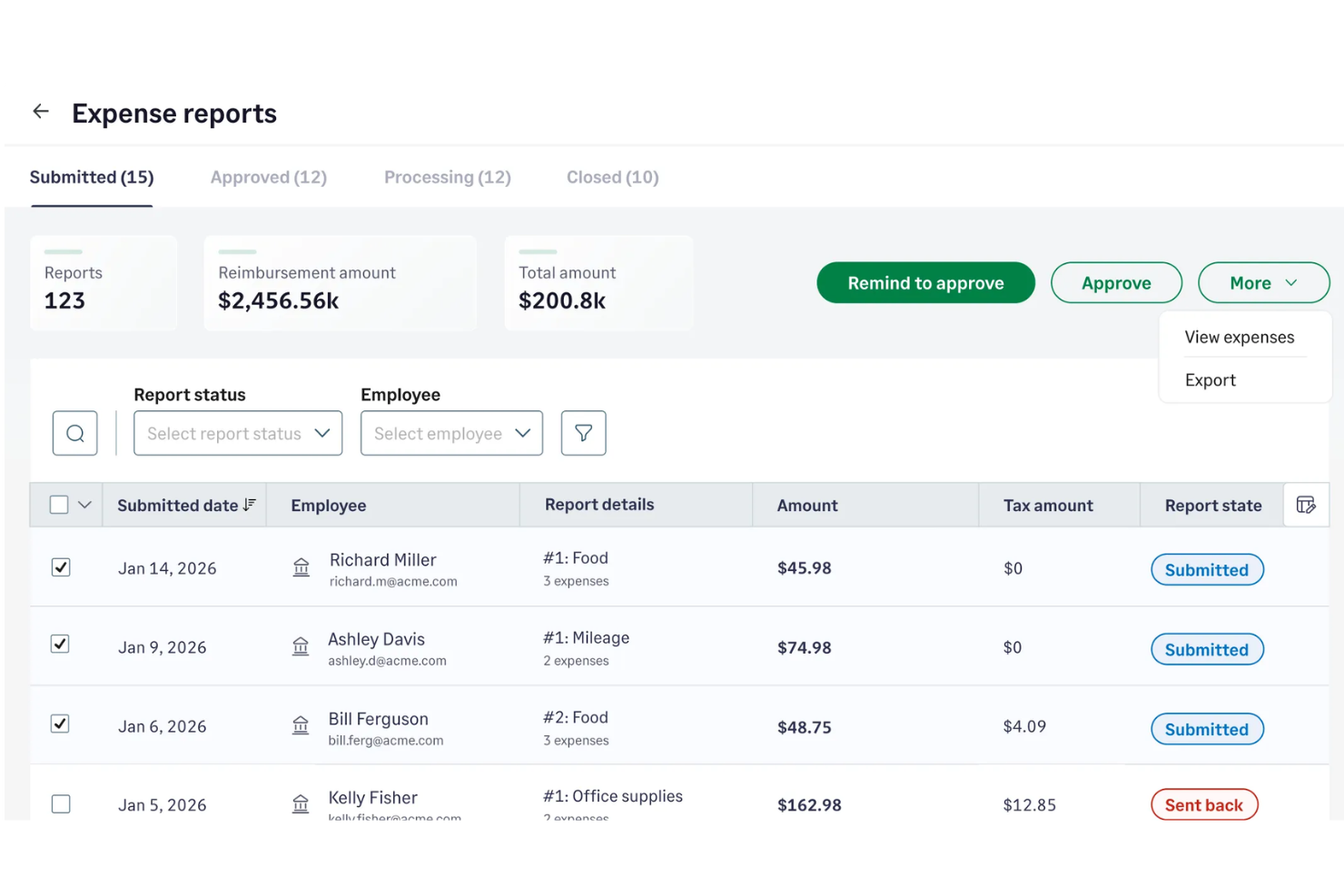
Sage Expense Management shines in user-friendliness, making it a breeze for your team to handle church accounting tasks. The intuitive interface, optimized for both desktop and the mobile app, requires minimal training, so you can get started quickly without hassle. Its straightforward navigation and clear layout let you easily track expenses and manage budgets. Compared to other software, users appreciate how easily they can access essential features without digging through complicated menus, ensuring your work is efficient and stress-free.
Integrations
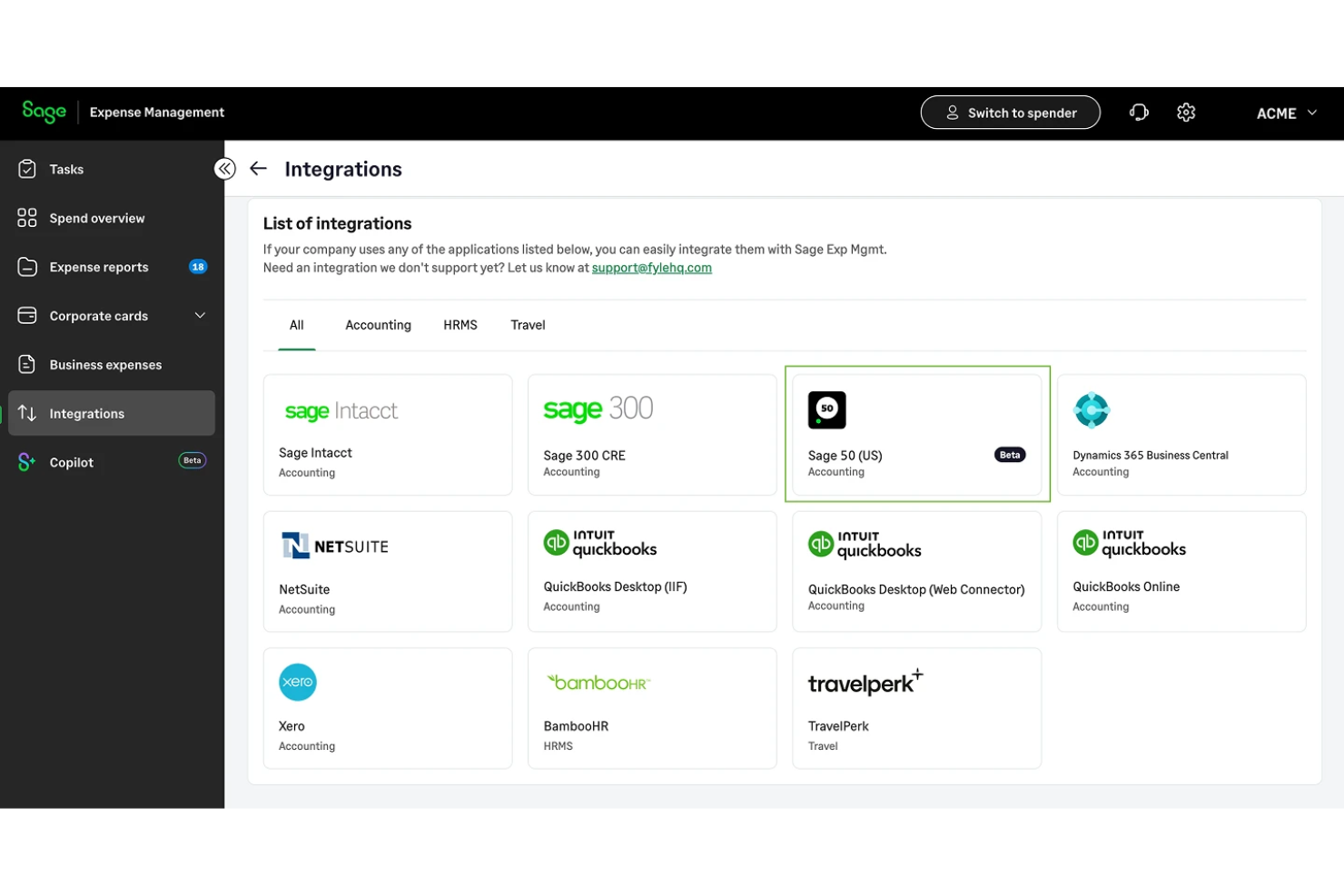
Sage Expense Management integrates with Sage accounting products including Sage Intacct, Sage 300 CRE, and Sage 50, and also connects with QuickBooks Online, QuickBooks Desktop, NetSuite, and Xero.
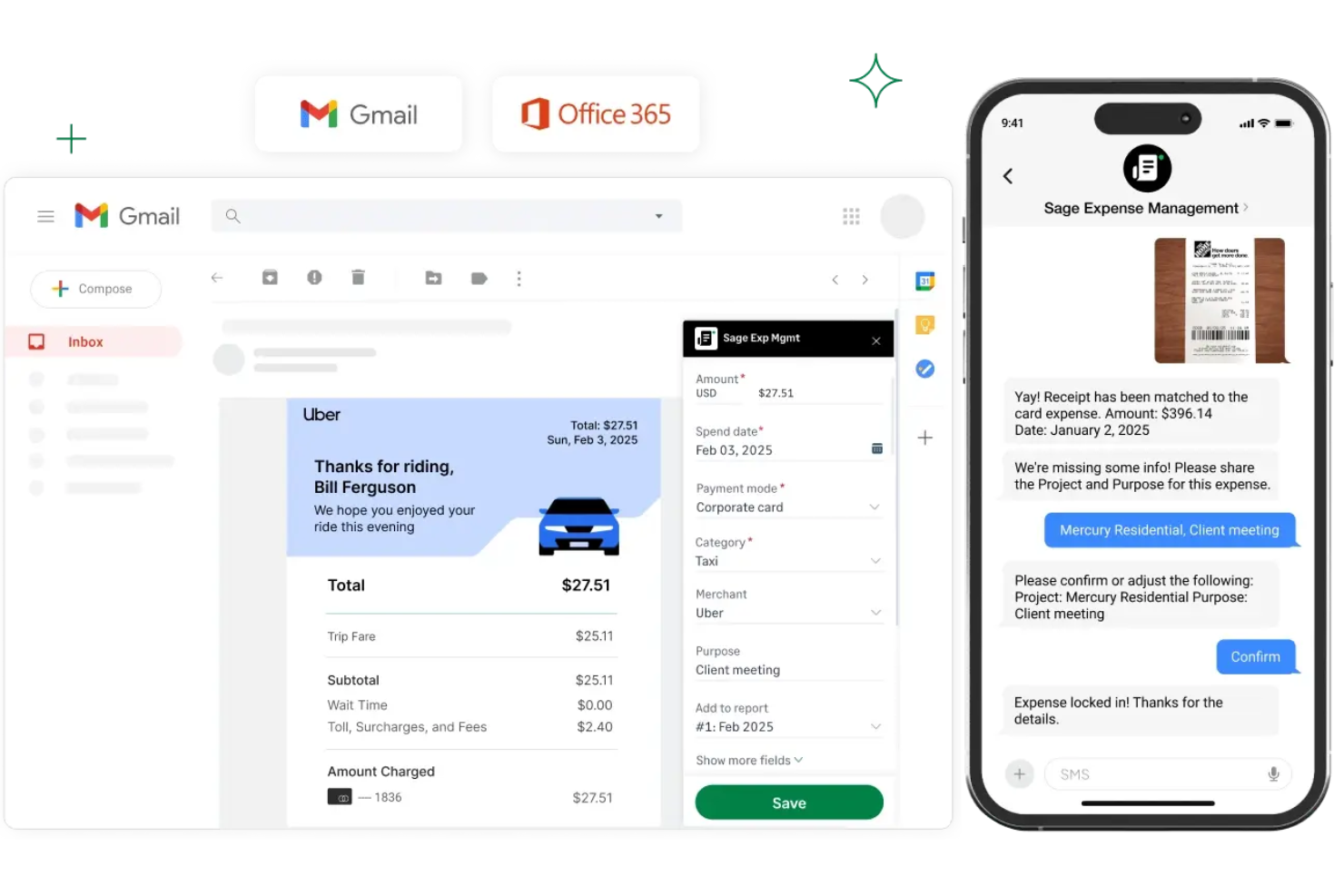
Sage Expense Management supports productivity tools like Gmail, Microsoft Outlook, and Slack, and provides an API for custom integrations and third-party automation workflows.
New Product Updates from Sage Expense Management (formerly Fyle)

Sage Expense Management Adds Reconciliation and Expense Review Updates
Sage Expense Management launched a new Reconciliation module that automatically matches uploaded card statements with existing expenses, while adding faster editing tools, expanded administrator controls, Copilot support for corporate cards, and email-based two-factor authentication. Highlights include:
- Reconciliation Module: Automatically categorizes uploaded card statement transactions into matched, missing, and review-needed items to simplify reconciliation.
- Inline and Bulk Expense Editing: Lets admins and approvers edit individual expenses directly from list views or update up to 50 expenses at once.
- Expanded Admin Controls: Introduces granular delegate permissions and optional restrictions for editing card-linked expense amounts and dates.
- Copilot for Corporate Cards: Enables admins to ask natural language questions about corporate cards and transactions.
- Email-Based Two-Factor Authentication: Adds an extra layer of account security by requiring a verification code during sign-in for non-SSO users.
Visit Sage Expense Management's official site for more details.
 for more details.
Sage Expense Management Adds Faster Reimbursements and Controls
Sage Expense Management has introduced Express ACH reimbursements, automation updates, budget controls, and mobile and regional settings. These updates help teams reduce manual work, track expenses, and manage reimbursement workflows more efficiently. Highlights include:
- Express ACH Reimbursements: Processes eligible expense reports up to $1,000 within 1–2 business days.
- Automatic Approvals: Approves low-risk expense reports based on predefined rules and conditions.
- Budget Visibility: Gives teams access to budget usage, remaining spend, historical data, exports, and status tracking.
- Automatic Report Submission: Lets admins group and submit expense reports based on payment mode, project, or cost center.
- Mobile Notifications: Sends real-time alerts for expenses, approvals, comments, and reimbursement updates.
- Regional Settings: Allows teams to configure date, time, and currency formats based on regional preferences.
Visit Sage Expense Management’s official site for more details.
Sage Expense Management (formerly Fyle) Specs
- 2-Factor Authentication
- API
- Approval Workflows
- Audit Trail
- Balance Sheet
- Billing/Invoicing
- Budgeting
- Calendar Management
- Compliance Tracking
- Contact Management
- CRM Integration
- Custom Reports
- Customer Management
- Dashboard
- Data Export
- Data Import
- Data Visualization
- Document Management
- Expense Tracking
- External Integrations
- Forecasting
- Inventory Tracking
- Multi-Currency
- Multi-User
- Notifications
- P&L
- Risk Assessment
- SAP Integration
- Scheduling
- Supplier Management
- Workflow Management