

10 migliori soluzioni software per la crescita delle chiese per 2026

Elenco dei migliori software per la crescita delle chiese


Il software per la crescita delle chiese ti aiuta a organizzare i dati dei membri della chiesa, monitorare il coinvolgimento e gestire le attività del ministero, così che la tua chiesa possa crescere con chiarezza e uno scopo preciso. Se stai cercando strumenti per supportare le esigenze della tua congregazione, migliorare la comunicazione e semplificare le attività amministrative, non sei il solo. Molti responsabili di chiesa si affidano a software per la gestione delle chiese per andare oltre i semplici fogli di calcolo e creare un database centralizzato della chiesa che supporti le operazioni quotidiane. Queste piattaforme spesso includono funzionalità come la contabilità della chiesa, la gestione del sito web della chiesa e strumenti progettati per le chiese di piccole dimensioni o per una nuova chiesa in crescita, il tutto all'interno di un sistema intuitivo supportato da un team di assistenza affidabile. Questo elenco ti aiuterà a confrontare i principali software per la crescita delle chiese nel 2026, così potrai trovare soluzioni adatte alla missione, alle dimensioni e al flusso di lavoro del tuo ministero.
Riepilogo dei migliori software per la crescita delle chiese
Questa tabella comparativa riassume i dettagli dei prezzi delle mie migliori selezioni di software per la crescita delle chiese, per aiutarti a trovare quello più adatto al tuo budget e alle esigenze della tua organizzazione.
| Tool | Best For | Trial Info | Price | ||
|---|---|---|---|---|---|
| 1 | Ideale per onboarding e configurazione rapidi | Demo gratuita disponibile | Da $72/mese | Website | |
| 2 | Ideale per soluzioni integrate di donazione | Prova gratuita di 30 giorni disponibile | Da $72/mese | Website | |
| 3 | Ideale per la gestione dei membri tutto-in-uno | Prova gratuita di 30 giorni + demo gratuita disponibile | Da $8/mese (fatturato annualmente) | Website | |
| 4 | Ideale per l'amministrazione delle parrocchie cattoliche | Demo gratuita disponibile | Prezzi su richiesta | Website | |
| 5 | Ideale per strumenti di pianificazione dei volontari | Piano gratuito + prova gratuita di 30 giorni disponibile | Da $15/20 membri/mese | Website | |
| 6 | Ideale per il monitoraggio dettagliato delle presenze | Demo gratuita disponibile | Da $$73.32/mese (fatturato annualmente) | Website | |
| 7 | Ideale per dashboard analitici in tempo reale | Piano gratuito disponibile | Prezzi su richiesta | Website | |
| 8 | Ideale per strumenti di discepolato integrati | Demo gratuita disponibile | Da $6,000 (fatturato annualmente) | Website | |
| 9 | Ideale per l'amministrazione multi-campus | Demo gratuita disponibile | Prezzo su richiesta | Website | |
| 10 | Ideale per comunicazioni via SMS e WhatsApp | Piano gratuito + demo gratuita disponibile | A partire da $20/mese | Website |
Perché fidarsi dei nostri consigli sui software
Il nostro team testa e recensisce software dal 2012. In quanto leader ecclesiastici noi stessi, sappiamo quanto sia difficile — e importante — scegliere il software giusto.
Per questa guida, abbiamo valutato gli strumenti attraverso test pratici e ricerche indipendenti, assegnando un punteggio agli strumenti in base ai nostri criteri di selezione.
Le nostre recensioni riflettono il nostro giudizio editoriale umano, non un discorso di vendita.
Recensioni dei software per la crescita delle chiese
Di seguito trovi i miei riepiloghi dettagliati dei software per la crescita delle chiese inclusi nel mio elenco. Le mie recensioni offrono un’analisi approfondita delle funzionalità, dei casi d’uso ideali e delle integrazioni di ciascuna piattaforma, per aiutarti a trovare quella più adatta alla tua chiesa.

Ideale per onboarding e configurazione rapidi
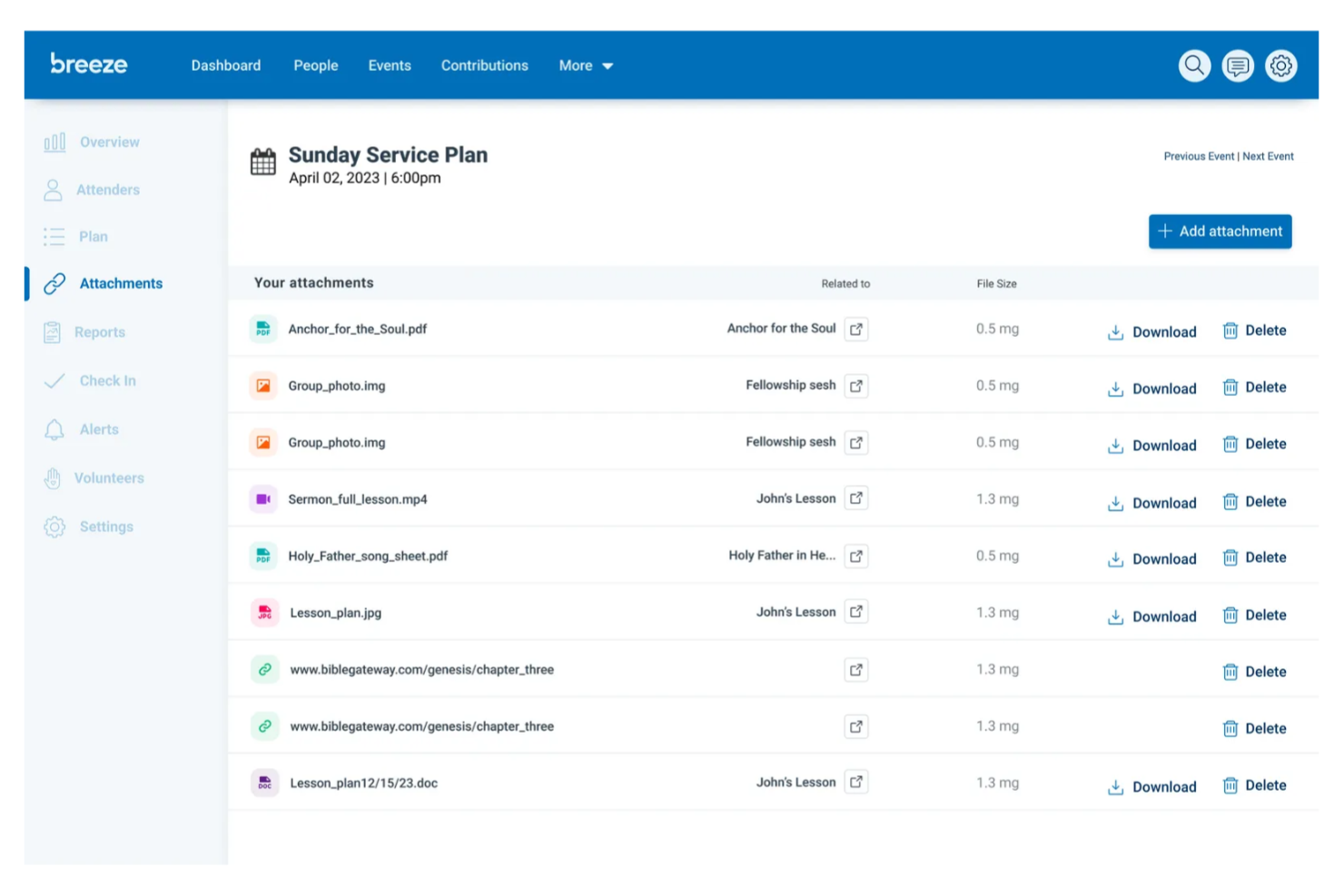
Per le chiese che desiderano iniziare rapidamente, Breeze ChMS offre un processo di configurazione progettato per ridurre al minimo il tempo di onboarding. Questo strumento è adatto ai responsabili che devono organizzare persone, eventi e donazioni senza una ripida curva di apprendimento. Il suo approccio semplice aiuta i team più piccoli o gli utenti alle prime armi a gestire subito i dati della chiesa e la comunicazione.
Perché ho scelto Breeze ChMS
Quando una chiesa deve organizzarsi senza un lungo processo di configurazione, Breeze ChMS si distingue per la sua rapidità di onboarding e setup. Ho scelto Breeze ChMS perché puoi importare i dati dei membri, creare gruppi e iniziare a tracciare le presenze in pochi passaggi. Gli strumenti di gestione eventi e comunicazione della piattaforma sono subito pronti all'uso, quindi non devi aspettare per iniziare a interagire con la tua congregazione. Per le chiese che vogliono muoversi velocemente ed evitare ostacoli tecnici, Breeze ChMS offre un percorso diretto per iniziare.
Funzionalità principali di Breeze ChMS
Altre funzionalità di Breeze ChMS possono aiutarti a gestire la crescita e il coinvolgimento della tua chiesa:
- Donazioni online: Accetta e traccia le donazioni tramite moduli personalizzabili per le offerte online.
- Gestione volontari: Organizza i team di volontari e programma le opportunità di servizio.
- Messaggistica tramite SMS ed email: Invia messaggi di gruppo o individuali direttamente dalla piattaforma.
- Report personalizzabili: Genera report su presenze, donazioni e coinvolgimento dei membri.
Integrazioni di Breeze ChMS
Le integrazioni includono QuickBooks, Tithely Giving, Tithely Church Apps, Tithely Sites, SongSelect, Mailchimp, Breeze Worship Tools e altro ancora.
Pros and Cons
Pros:
- L'elenco dei membri supporta campi e tag personalizzati
- Gli strumenti di comunicazione di massa includono SMS ed email
- La programmazione dei volontari è collegata ai calendari degli eventi
Cons:
- La registrazione agli eventi non offre opzioni di pagamento
- Nessuna funzionalità integrata per i controlli dei precedenti giudiziari

Tithe.ly
Ideale per soluzioni integrate di donazione
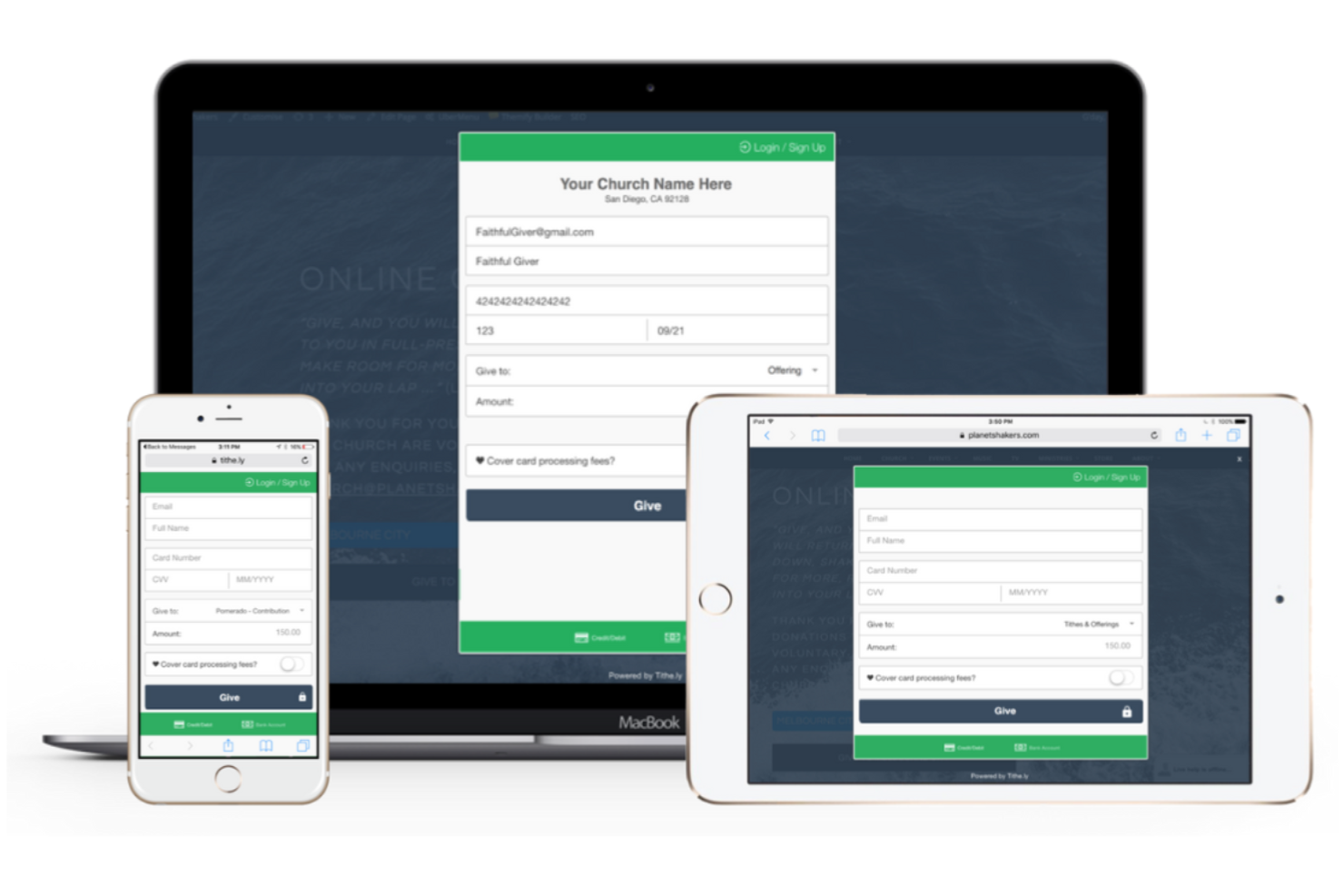
Se la tua chiesa sta cercando un modo per collegare donazioni, comunicazioni e gestione dei membri in un unico posto, Tithely è progettato per voi. Questa piattaforma è pensata per i responsabili che desiderano strumenti di donazione digitale integrati insieme alle funzionalità di gestione per la chiesa. Il suo focus su donazioni online e mobile semplificate aiuta le chiese a incentivare la generosità e a facilitare la gestione finanziaria.
Perché ho scelto Tithely
Per le chiese che vogliono rendere le donazioni semplici e accessibili, Tithely si distingue grazie alle sue soluzioni integrate di donazione. Ho scelto Tithely perché combina opzioni di donazione online, mobile e tramite SMS direttamente nella sua piattaforma gestionale per la chiesa. Lo strumento offre anche funzionalità come donazioni ricorrenti e un tracciamento dettagliato delle donazioni, che aiutano le chiese a promuovere una generosità costante e a gestire le finanze con trasparenza. Queste capacità rendono Tithely una scelta ideale per i leader che vogliono far crescere il proprio ministero facilitando la generosità della propria comunità.
Funzionalità principali di Tithely
Altre funzionalità che rendono Tithely utile per la crescita della chiesa includono:
- Gestione eventi: Programma, promuovi e monitora la presenza agli eventi della chiesa.
- Directory membri: Mantieni un database ricercabile di profili e recapiti dei membri.
- Messaggistica di gruppo: Invia messaggi mirati a gruppi o team specifici all’interno della tua chiesa.
- Pianificazione volontari: Organizza e assegna i volontari a ruoli e turni per servizi ed eventi.
Integrazioni Tithely
Le integrazioni includono QuickBooks, RockRMS, The StudioC, Engiven, Elvanto, Salesforce, MinistryPlatform, Shelby Systems, FellowshipOne e altri ancora.
Pros and Cons
Pros:
- Si integra con i principali sistemi di gestione della chiesa
- La gestione dei donatori traccia la storia delle donazioni e le tendenze
- La registrazione agli eventi è collegata direttamente agli strumenti di donazione
Cons:
- Le commissioni sulle donazioni non sono opzionali
- Nessuno strumento integrato per la pianificazione del culto o media

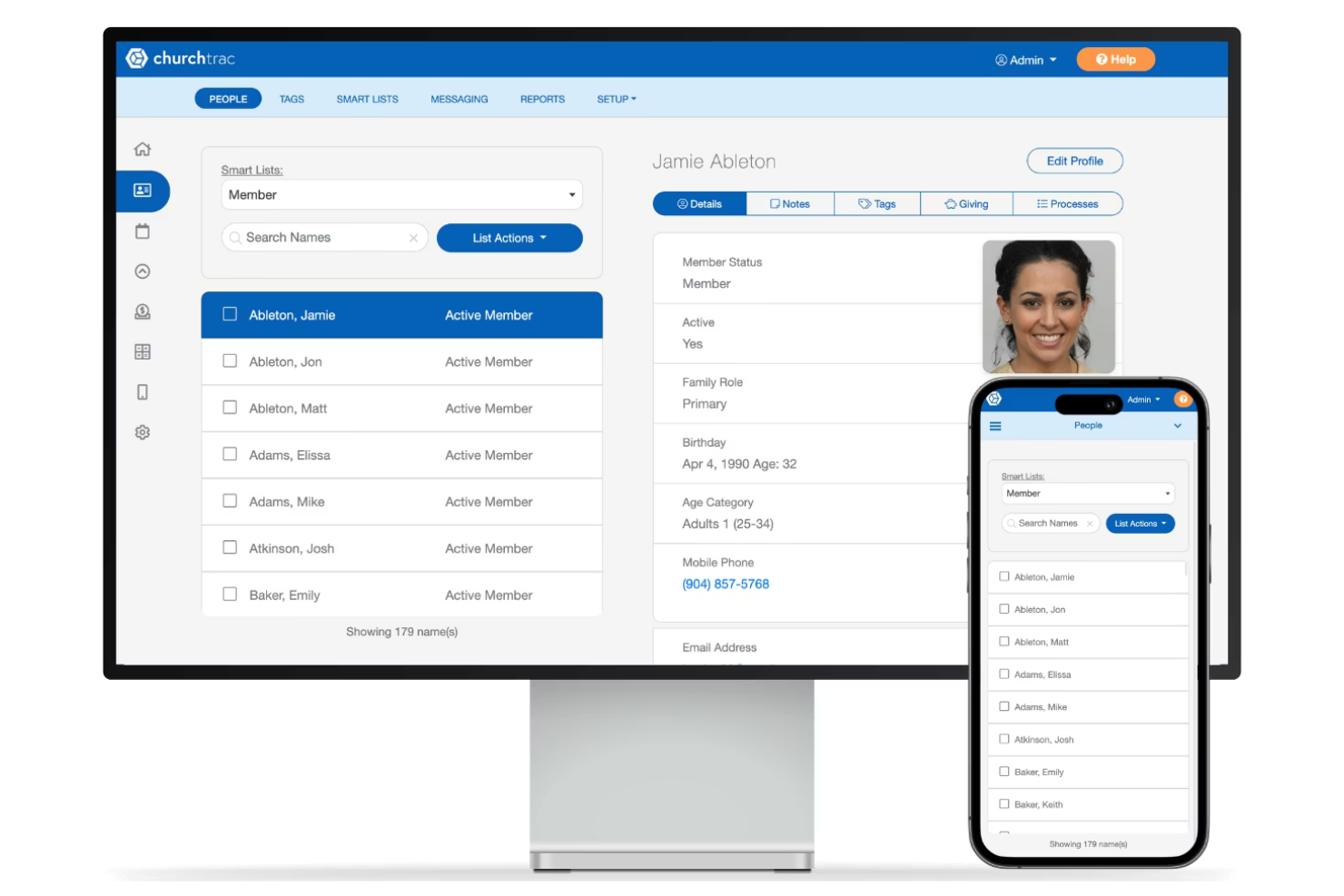
Se cerchi una piattaforma per la crescita della chiesa che riunisca tutte le attività di gestione dei membri in un unico posto, ChurchTrac merita un’attenzione particolare. Questo strumento è pensato per gli amministratori che vogliono monitorare la presenza, gestire le donazioni e organizzare eventi senza dover utilizzare sistemi diversi. L’approccio tutto-in-uno aiuta i responsabili a mantenere dati dei membri, comunicazione e pianificazione dei ministeri collegati e accessibili, supportando al tempo stesso funzioni come le donazioni con carta di credito per una gestione delle offerte più semplice.
Perché ho scelto ChurchTrac
Ho scelto ChurchTrac perché riunisce tutti gli elementi essenziali della gestione dei membri in un’unica piattaforma. Il database dei membri permette di tenere traccia di dettagli personali, presenze e partecipazione nei vari ministeri, il che è fondamentale per comprendere e sostenere la crescita della chiesa. Apprezzo anche la possibilità di gestire contributi e registri delle offerte direttamente accanto ai profili dei membri, semplificando di molto il controllo finanziario. Gli strumenti integrati per la gestione degli eventi aiutano a coordinare qualsiasi cosa, dai culti alle attività di evangelizzazione, così da mantenere la tua comunità unita e coinvolta.
Caratteristiche principali di ChurchTrac
Altre funzionalità di ChurchTrac ti aiutano a gestire la crescita e le operazioni quotidiane della tua chiesa:
- Moduli personalizzati: crea moduli digitali per registrazioni a eventi, adesioni di volontari o richieste di preghiera e raccogli tutte le risposte in un unico luogo.
- Messaggistica SMS ed email: invia messaggi mirati a singoli o gruppi direttamente dalla piattaforma per tenere informata la tua comunità.
- Pianificazione del culto: organizza gli elementi del servizio, pianifica i team e condividi i programmi con i responsabili del culto e i volontari.
- Check-in bambini: utilizza un sistema di check-in sicuro per il ministero dei bambini, per monitorare le presenze e garantire la sicurezza.
Integrazioni ChurchTrac
Le integrazioni includono Stripe, Twilio, SongSelect, MinistrySafe, Mailchimp e molto altro.
Pros and Cons
Pros:
- Include strumenti integrati per la pianificazione del culto
- Offre una funzione di check-in sicuro per i bambini
- Supporta messaggistica tramite SMS ed email a gruppi
Cons:
- Manca di funzioni integrate per la creazione di siti web
- Gli strumenti di pianificazione dei volontari sono basilari

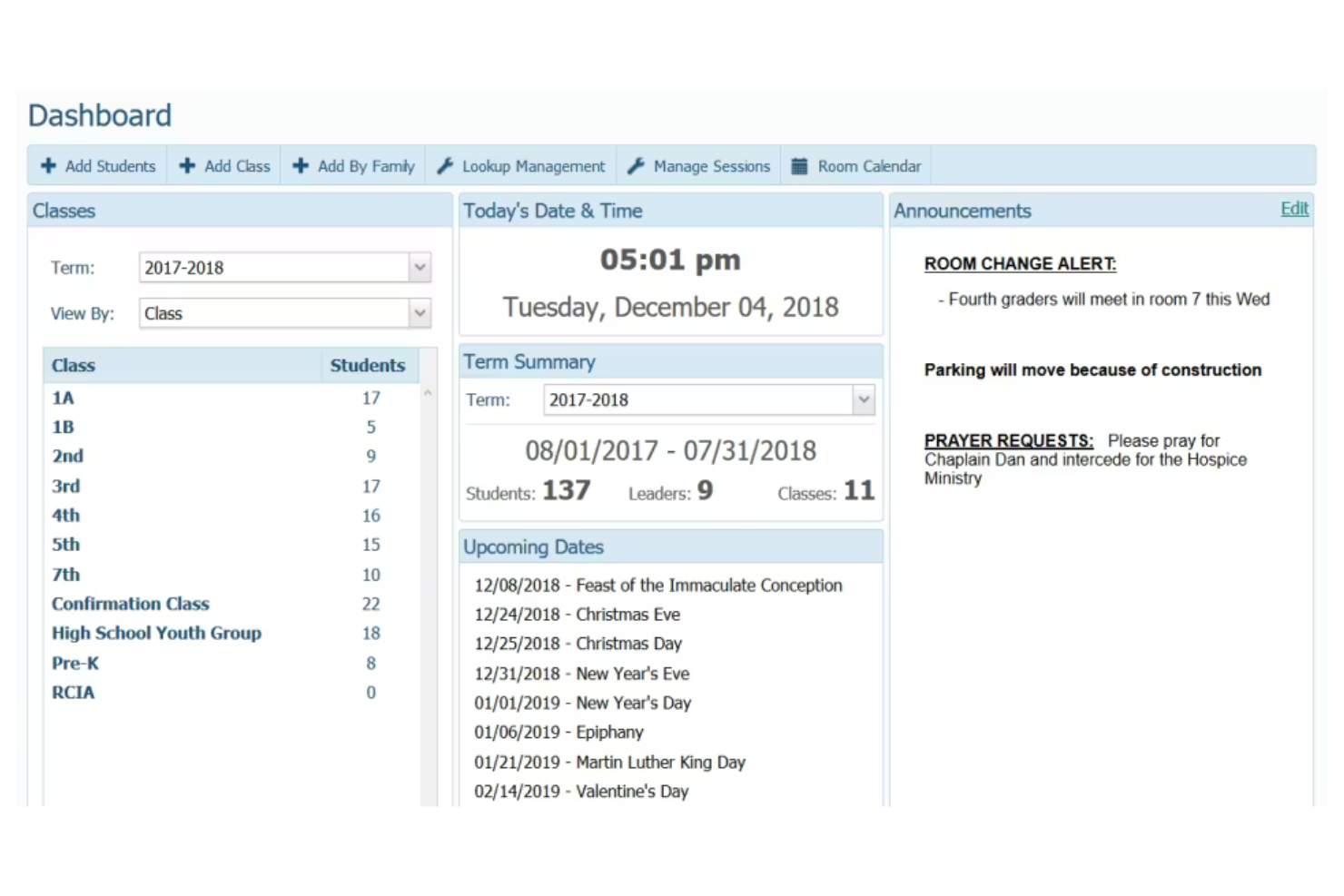
ParishSOFT è progettato specificamente per parrocchie e diocesi cattoliche che necessitano di gestire registri amministrativi e sacramentali complessi. Questa piattaforma è pensata per i responsabili ecclesiastici che desiderano strumenti su misura per i flussi di lavoro cattolici, inclusa la gestione dei parrocchiani, la formazione religiosa e il monitoraggio delle offerte. La sua attenzione alle esigenze specifiche cattoliche aiuta a semplificare le operazioni parrocchiali e a mantenere la conformità agli standard diocesani.
Perché ho scelto ParishSOFT
Ciò che distingue ParishSOFT è il suo profondo allineamento con le esigenze particolari dell'amministrazione parrocchiale cattolica. Ho scelto ParishSOFT perché offre la gestione dei registri sacramentali e il monitoraggio della formazione religiosa, entrambi essenziali per le parrocchie cattoliche. La piattaforma supporta inoltre la gestione delle offerte, adattata ai requisiti di rendicontazione diocesana. Queste funzionalità aiutano i responsabili cattolici a mantenere registri accurati e a rispettare gli standard di conformità, sostenendo al contempo la crescita della parrocchia.
Funzionalità Principali di ParishSOFT
Altre funzionalità che rendono ParishSOFT prezioso per la crescita della chiesa includono:
- Portale di donazioni online: Raccogli e tieni traccia delle donazioni online dei parrocchiani.
- Pianificazione dei volontari: Organizza e assegna i volontari per ministeri ed eventi.
- Directory delle famiglie: Mantieni registri dettagliati delle famiglie e dei loro membri.
- Registrazione agli eventi: Gestisci iscrizioni e presenze agli eventi parrocchiali.
Integrazioni ParishSOFT
Attualmente non sono elencate integrazioni native.
Pros and Cons
Pros:
- Monitoraggio della formazione religiosa per i programmi di catechesi
- La directory delle famiglie collega nuclei familiari e parrocchiani
- Il monitoraggio delle offerte è allineato con la rendicontazione diocesana
Cons:
- Nessuna integrazione nativa con piattaforme esterne
- Il portale delle donazioni online non supporta il sistema text-to-give

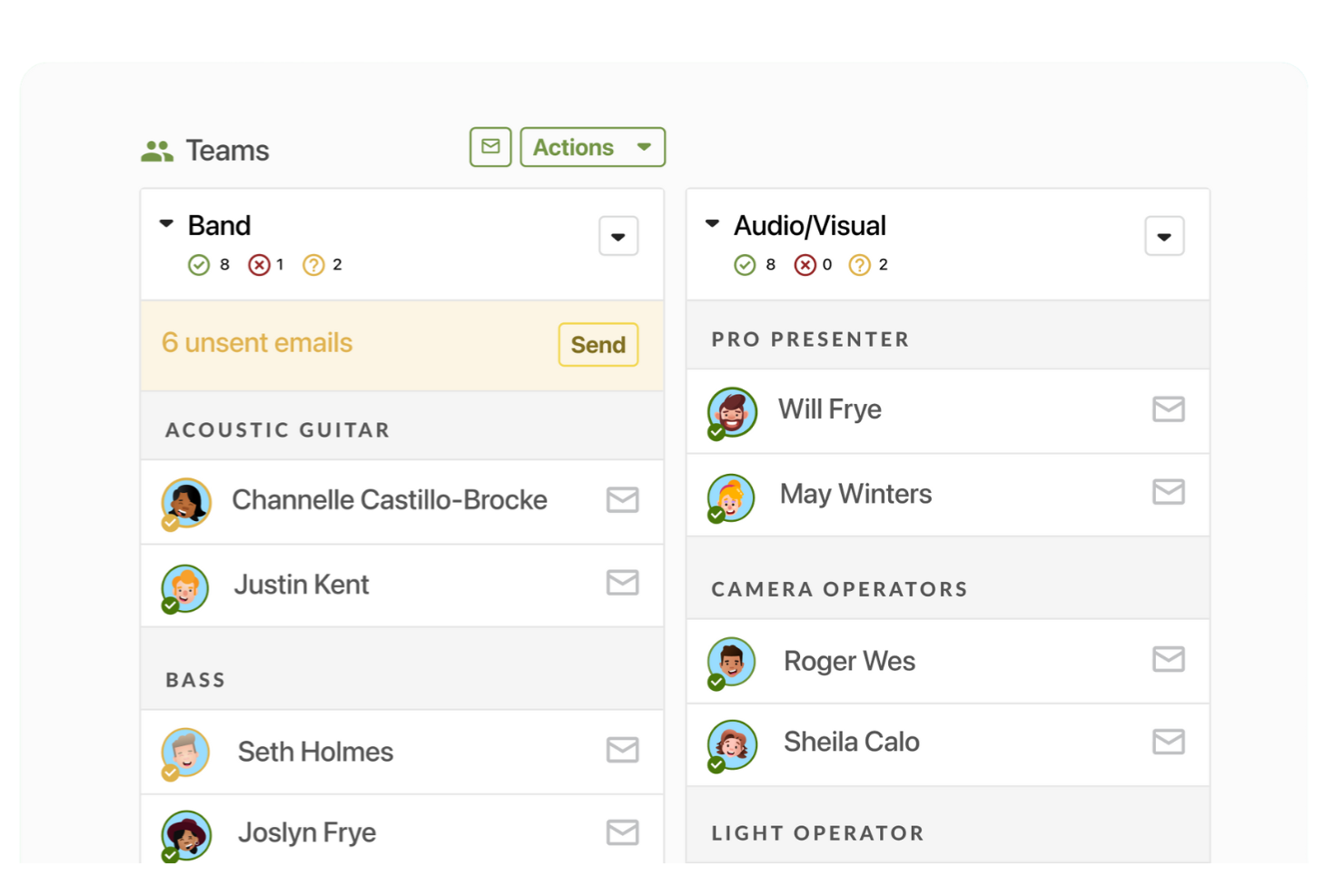
Se la tua chiesa ha bisogno di un modo affidabile per coordinare i volontari, Planning Center offre strumenti specializzati per la pianificazione e la comunicazione. Questa piattaforma è pensata per i responsabili di ministero che gestiscono team a rotazione, ruoli di servizio e personale per gli eventi. Le sue funzionalità di programmazione dei volontari ti aiutano a coprire le posizioni, monitorare la disponibilità e tenere tutti informati mentre la tua chiesa cresce.
Perché ho scelto Planning Center
La pianificazione dei volontari è una sfida per molte chiese in crescita, e Planning Center risponde a questa esigenza con strumenti appositamente studiati. Ho scelto Planning Center perché ti consente di creare squadre di volontari, assegnare ruoli e automatizzare i promemoria per le date di servizio imminenti. Il monitoraggio della disponibilità della piattaforma aiuta a evitare doppie assegnazioni e garantisce che ogni posizione sia coperta. Grazie al suo focus sulla coordinazione dei volontari, Planning Center supporta le chiese che si affidano a team organizzati e affidabili per servire la propria comunità.
Funzionalità principali di Planning Center
Altre funzionalità di Planning Center possono aiutarti a gestire le attività operative e il coinvolgimento della tua chiesa:
- Registrazione eventi: Raccogli iscrizioni, gestisci pagamenti e traccia la partecipazione agli eventi della chiesa.
- Check-in: Fornisci check-in sicuro dei bambini e monitoraggio delle presenze per classi e programmi.
- Gestione delle donazioni: Accetta, monitora e genera report sulle donazioni e sui contributi ricorrenti.
- Prenotazione risorse: Prenota sale, attrezzature e strutture per riunioni e attività di ministero.
Integrazioni di Planning Center
Le integrazioni includono BoxCast, Checkr, Mailchimp, PraiseCharts, RehearsalMix, SongSelect, Clearstream, MinistrySafe, Protect My Ministry e altro ancora.
Pros and Cons
Pros:
- La programmazione dei volontari supporta team ricorrenti e a rotazione
- La pianificazione dei servizi include librerie musicali e multimediali
- Il sistema di check-in offre il check-in sicuro dei bambini
Cons:
- Nessuna automazione del flusso di lavoro integrata per il follow-up
- Le integrazioni richiedono abbonamenti o account separati

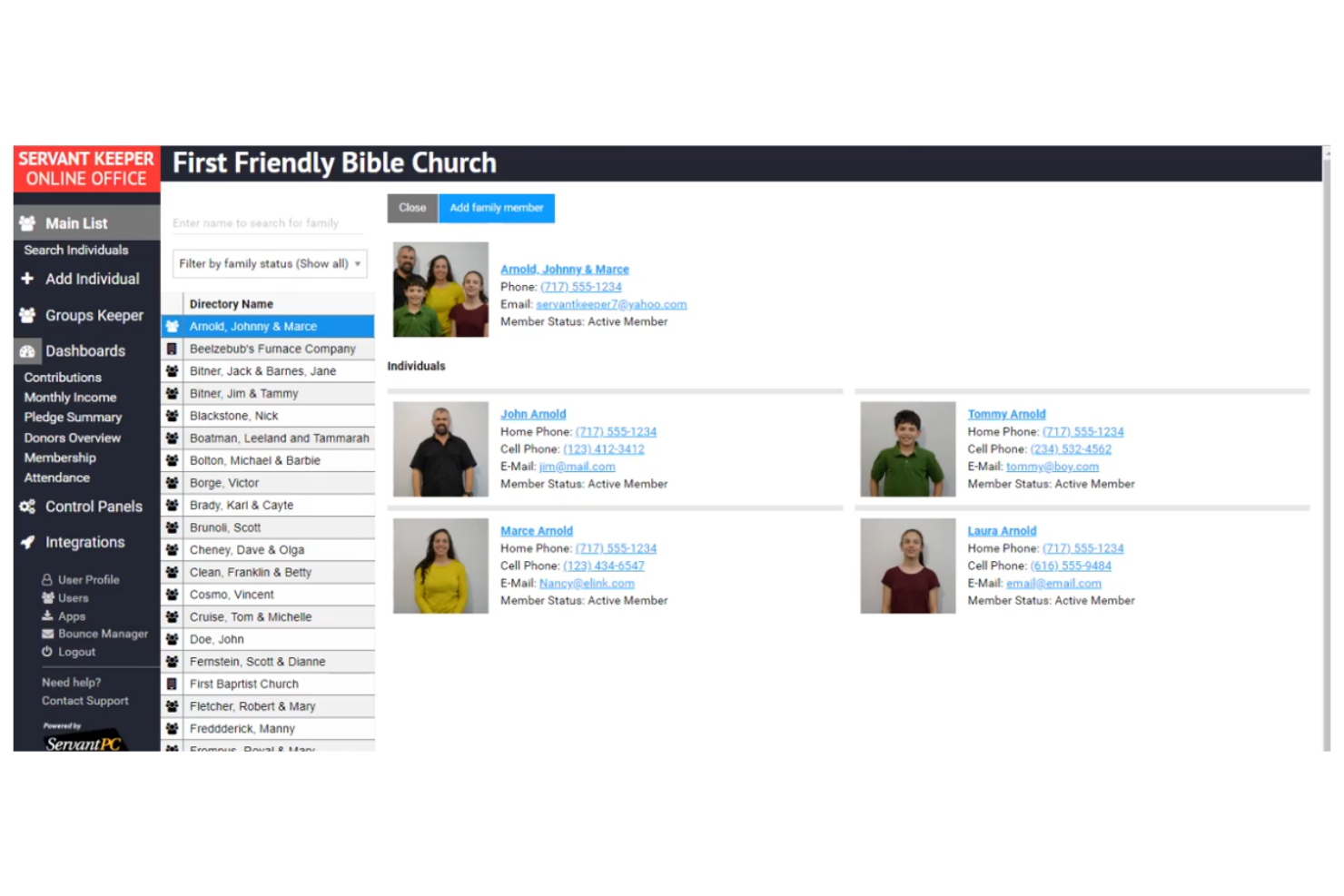
Se la tua chiesa ha bisogno di monitorare in dettaglio le presenze, Servant Keeper offre strumenti specializzati per questo scopo. Questa piattaforma è pensata per i responsabili che desiderano monitorare il coinvolgimento attraverso più ministeri, classi ed eventi. Le sue funzionalità flessibili per la rilevazione delle presenze ti aiutano a individuare tendenze e a seguire individui o gruppi che potrebbero aver bisogno di un'attenzione in più.
Perché ho scelto Servant Keeper
Per le chiese che vogliono andare oltre il semplice conteggio dei partecipanti, Servant Keeper offre un monitoraggio delle presenze dettagliato che favorisce un coinvolgimento più profondo. Ho scelto Servant Keeper perché consente di tracciare la presenza di singoli, gruppi o eventi, e persino di registrare i motivi delle assenze. I moduli di presenza personalizzabili e gli strumenti di reportistica del sistema aiutano a identificare le tendenze e a seguire i membri che potrebbero sfuggire all'attenzione. Questo livello di dettaglio è particolarmente prezioso per i ministeri che puntano a coltivare le relazioni e a sostenere la crescita della chiesa attraverso una connessione personale.
Caratteristiche principali di Servant Keeper
Oltre alle sue capacità di monitoraggio delle presenze, Servant Keeper offre diverse altre funzionalità a supporto della gestione della chiesa:
- Profili dei membri: Conserva informazioni dettagliate, inclusi i recapiti, le relazioni familiari e i campi personalizzati.
- Monitoraggio delle donazioni: Registra e genera report su donazioni, promesse e storici delle offerte per singoli e gruppi.
- Strumenti di comunicazione di massa: Invia e-mail, SMS o lettere stampate a gruppi selezionati o all'intera congregazione.
- Sistema di check-in per bambini: Gestisce il check-in e check-out sicuro per i ministeri e gli eventi dedicati ai bambini.
Integrazioni di Servant Keeper
Attualmente non sono elencate integrazioni native.
Pros and Cons
Pros:
- I report sulle presenze includono motivi di assenza personalizzati
- Il sistema di check-in per bambini supporta badge stampati
- Il monitoraggio delle donazioni è collegato ai profili dei membri
Cons:
- I resoconti delle donazioni non offrono opzioni avanzate di formattazione
- Gli strumenti di gestione degli eventi sono limitati nelle funzionalità

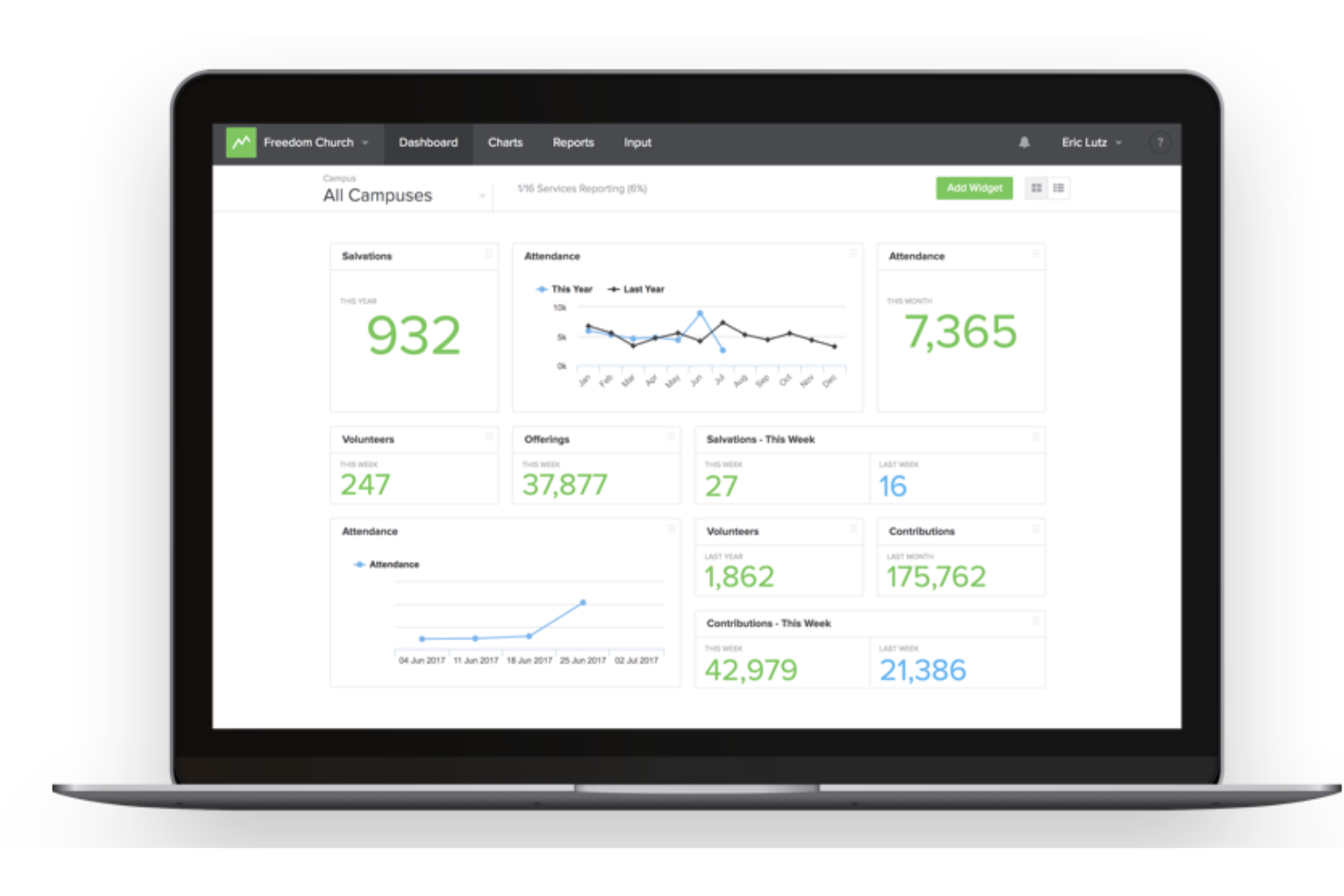
Se stai cercando un modo per monitorare presenze, donazioni e coinvolgimento della chiesa in tempo reale, Church Metrics è pensato per te. Questo strumento è ideale per pastori e responsabili di ministeri che desiderano visualizzare le tendenze e prendere decisioni basate sui dati in modo rapido. I dashboard personalizzabili e l'accesso mobile ti aiutano a tenere sotto controllo la salute e la crescita del ministero da qualsiasi luogo.
Perché ho scelto Church Metrics
Quando hai bisogno di una panoramica immediata sullo stato della tua chiesa, Church Metrics si distingue per i suoi dashboard di analisi in tempo reale. Ho scelto Church Metrics perché ti consente di monitorare presenze, donazioni, conversioni e altri parametri fondamentali non appena vengono inseriti i dati. I dashboard personalizzabili e gli strumenti di reportistica della piattaforma aiutano ad individuare tendenze e a rispondere prontamente ai cambiamenti nel ministero. Questo focus sui dati in tempo reale rende più semplice misurare la crescita e prendere decisioni informate di settimana in settimana.
Caratteristiche principali di Church Metrics
Altre caratteristiche che rendono Church Metrics utile per la crescita della chiesa includono:
- Monitoraggio Multi-Campus: Monitora e confronta i dati di più sedi della chiesa da un unico account.
- Creazione di metriche personalizzate: Configura e monitora punti dati unici specifici per le esigenze del tuo ministero.
- Accesso tramite app mobile: Inserisci e consulta i dati anche in movimento tramite app dedicate per iOS e Android.
- Permessi basati sui ruoli: Assegna livelli di accesso differenti a personale e volontari per inserimento dati e report.
Integrazioni di Church Metrics
Attualmente non sono elencate integrazioni native.
Pros and Cons
Pros:
- Le metriche personalizzate consentono di monitorare attività specifiche del ministero
- L'app mobile consente l'inserimento di dati ovunque
- I dashboard in tempo reale si aggiornano istantaneamente con i nuovi dati
Cons:
- Non c'è un sistema integrato di monitoraggio donazioni o offerte
- Le opzioni di importazione dati sono limitate per i nuovi utenti

TouchPoint Software è progettato per le chiese che desiderano collegare discepolato, comunicazione e amministrazione in un unico luogo. Questa piattaforma si rivolge ai leader che hanno bisogno di strumenti per monitorare la crescita spirituale, gestire i piccoli gruppi e seguire i membri. Le sue funzionalità integrate di discepolato ti aiutano a guidare le persone nei passi successivi e a mantenere il ministero focalizzato sullo sviluppo spirituale.
Perché ho scelto TouchPoint Software
Ciò che distingue TouchPoint Software è l'attenzione agli strumenti di discepolato integrati che aiutano le chiese a coltivare la crescita spirituale in ogni fase. Ho scelto TouchPoint Software perché permette di creare e gestire percorsi di discepolato, monitorare i progressi individuali e automatizzare le attività di follow-up per i prossimi passi come il battesimo o il volontariato. Le funzionalità di gestione dei piccoli gruppi e di registrazione delle presenze della piattaforma supportano anche i leader nel costruire connessioni più profonde all'interno della congregazione. Questi strumenti rendono più semplice mantenere il discepolato al centro della strategia di crescita della chiesa.
Funzionalità chiave di TouchPoint Software
Oltre agli strumenti di discepolato, TouchPoint Software offre diverse altre funzionalità che supportano la gestione della chiesa:
- Piattaforma per Donazioni Online: Accetta e monitora le donazioni tramite moduli di donazione online personalizzabili.
- App Mobile per i Membri: Fornisci un'app con il brand della chiesa dove i membri possono registrarsi agli eventi, donare e accedere alle risorse.
- Gestione dei Volontari: Pianifica, comunica e monitora i volontari per i vari ministeri ed eventi.
- Email e Messaggi di Testo: Invia comunicazioni mirate a singoli individui, gruppi o all'intera congregazione.
Integrazioni di TouchPoint Software
Le integrazioni native attualmente non sono elencate.
Pros and Cons
Pros:
- I percorsi di discepolato monitorano la crescita spirituale dei membri La programmazione dei volontari include promemoria automatici Messaggistica testuale integrata per il follow-up mirato
- La programmazione dei volontari include promemoria automatici
- Messaggistica testuale integrata per il follow-up mirato
Cons:
- La personalizzazione del portale membri richiede impostazioni aggiuntive
- La configurazione delle donazioni ricorrenti può essere complicata

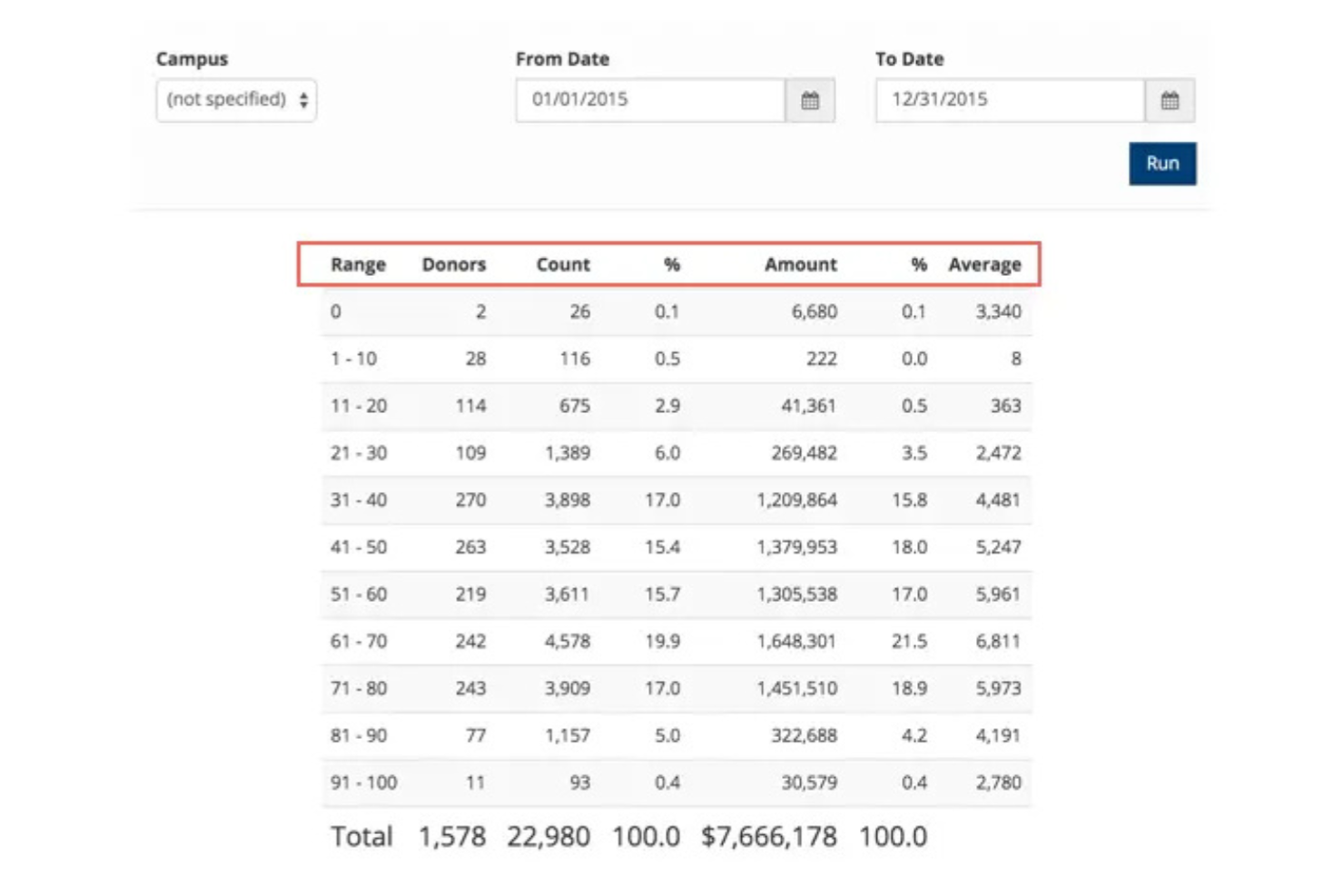
FellowshipOne è progettato per le chiese che gestiscono più campus o sedi sotto un unico ministero. Questa piattaforma si rivolge ai leader che devono coordinare persone, eventi e risorse su diversi siti senza perdere visibilità o controllo. I suoi strumenti di amministrazione centralizzata aiutano a unificare i dati, standardizzare i processi e supportare la crescita nell'intera organizzazione.
Perché ho scelto FellowshipOne
Per le chiese che operano su più campus, FellowshipOne offre strumenti che permettono di gestire strutture organizzative complesse da un'unica piattaforma. Ho scelto FellowshipOne perché consente di centralizzare i dati dei membri, la programmazione degli eventi e il coordinamento dei volontari per tutte le sedi. I report e le autorizzazioni specifici per campus della piattaforma permettono di mantenere sia la supervisione sia l'autonomia in ogni sede. Questo approccio sostiene la crescita della chiesa rendendo più facile espandere i ministeri e mantenere la coerenza durante l'espansione.
Caratteristiche principali di FellowshipOne
Altre funzionalità che rendono FellowshipOne utile per la crescita della chiesa includono:
- Strumenti per le offerte online: Accetta e traccia le donazioni tramite moduli di donazione online personalizzabili.
- Sistema di check-in per bambini: Gestisci il check-in e check-out sicuro per i ministeri e gli eventi dedicati ai bambini.
- Gestione dei gruppi: Organizza, monitora e comunica con piccoli gruppi o team ministeriali.
- Motore di workflow automatizzato: Configura processi automatici per il follow-up, la comunicazione e l'assegnazione dei compiti.
Integrazioni di FellowshipOne
Le integrazioni includono FellowshipOne Giving e FellowshipOne Financials. FellowshipOne offre anche un'API per integrazioni personalizzate.
Pros and Cons
Pros:
- La dashboard multi-campus centralizza tutti i dati delle sedi
- Il sistema di check-in per bambini supporta grandi eventi
- La gestione dei gruppi traccia la partecipazione ai ministeri
Cons:
- Le esportazioni dei report richiedono formattazione manuale
- La migrazione dei dati da altri sistemi può essere complessa
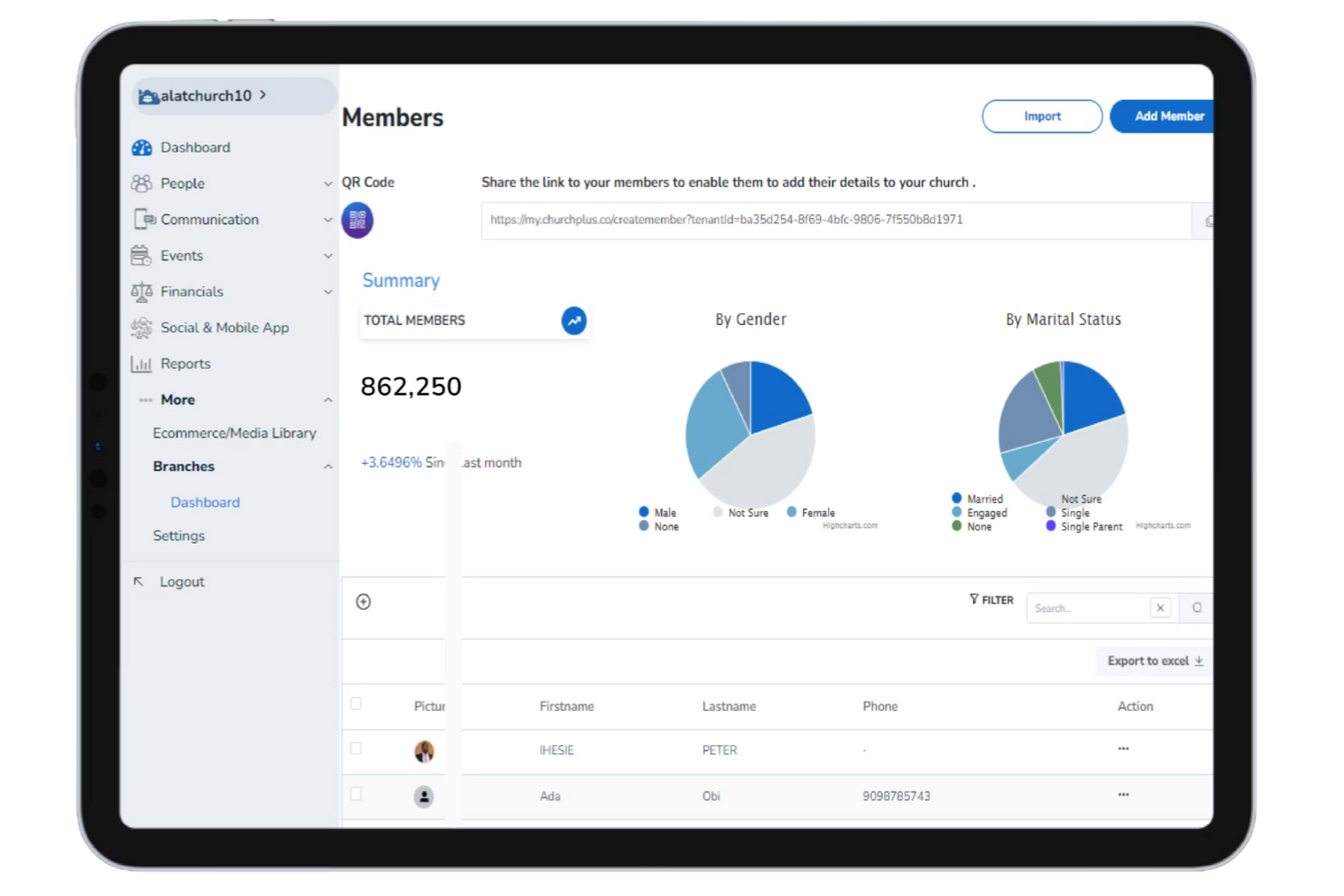
ChurchPlus si distingue per le chiese che desiderano raggiungere i membri tramite messaggi SMS e WhatsApp. Questa piattaforma è ideale per i leader che devono coordinare la comunicazione, inviare promemoria e coinvolgere le congregazioni dove sono più attive. Il suo focus sull'outreach diretto e mobile-first aiuta le chiese a tenere i membri informati e connessi in tempo reale.
Perché ho scelto ChurchPlus
La comunicazione diretta è essenziale per i leader ecclesiastici che desiderano mantenere le loro congregazioni coinvolte e informate. Ho scelto ChurchPlus perché offre messaggistica integrata SMS e WhatsApp, rendendo semplice raggiungere i membri sulle piattaforme che utilizzano di più. Lo strumento supporta anche l'invio di messaggi in massa e i promemoria automatici, utili alle chiese per coordinare eventi e fare follow-up con i partecipanti. Queste funzionalità rendono ChurchPlus una scelta forte per i ministeri focalizzati su un outreach puntuale e personale come parte della loro strategia di crescita.
Funzionalità principali di ChurchPlus
Altre funzionalità che rendono ChurchPlus utile per la crescita della chiesa includono:
- Database dei membri: Archivia e organizza profili dettagliati dei membri e informazioni di contatto.
- Monitoraggio presenze: Registra e monitora la presenza ai servizi e agli eventi.
- Donazioni online: Accetta e gestisce donazioni digitali tramite la piattaforma.
- Gestione eventi: Pianifica, programma e supervisiona gli eventi della chiesa da una dashboard centrale.
Integrazioni di ChurchPlus
Le integrazioni native al momento non sono elencate.
Pros and Cons
Pros:
- La messaggistica in massa supporta comunicazioni con grandi congregazioni
- Il monitoraggio delle presenze è collegato ai profili dei membri
- Le donazioni online supportano diversi gateway di pagamento
Cons:
- Nessuna libreria integrata di sermoni o media
- Le funzionalità di gestione volontari non sono incluse
Altri software per la crescita delle chiese
Ecco alcune opzioni aggiuntive di software per la crescita delle chiese che non sono entrate nel mio elenco, ma che vale comunque la pena valutare:
- ChMeetings
Ideale per l'accesso mobile-first della congregazione
- One Church Software
Ideale per l'automazione personalizzabile dei flussi di lavoro
- Gracely
Ideale per flussi di lavoro automatizzati di follow-up degli ospiti


Come Valuto i Software per la Crescita della Chiesa
Analizzo gli strumenti per la crescita della chiesa su due livelli: le funzionalità fondamentali imprescindibili come il follow-up degli ospiti e il monitoraggio del coinvolgimento, e i fattori differenzianti che distinguono le migliori piattaforme dalle altre.
Funzionalità di Base (Requisiti Minimi per Questa Lista)
Quando seleziono gli strumenti per la mia lista, valuto ciascuno su una scala da 0 (non offre la funzionalità) a 5 (eccelle in quest'area) per ogni funzionalità di base elencata di seguito. Successivamente, calcolo il punteggio totale dello strumento in percentuale. Ogni strumento deve raggiungere un punteggio minimo totale del 65% per essere considerato per l'inclusione.
- Follow-up Visitatori & Ospiti: Verifico se una piattaforma è in grado di acquisire informazioni sugli ospiti tramite schede di collegamento digitali e attivare sequenze di follow-up automatiche—come una serie di email di benvenuto per i visitatori alla prima esperienza.
- Monitoraggio del Coinvolgimento dei Membri: Ogni strumento dovrebbe tracciare il coinvolgimento in termini di presenza, donazioni, servizio e partecipazione ai gruppi così che i pastori possano individuare chi sta perdendo interesse prima che si allontani del tutto.
- Comunicazione Multicanale di Outreach: Valuto se è possibile raggiungere le persone tramite email, SMS e notifiche push con segmentazione del pubblico—ad esempio, inviando un invito mirato tramite SMS ai membri inattivi.
- Gruppi Piccoli & Percorsi di Assimilazione: Gli strumenti dovrebbero consentire di costruire percorsi di prossimi passi definiti che accompagnino qualcuno da ospite occasionale a membro di un gruppo e poi a volontario, con traguardi monitorabili lungo il percorso.
- Analisi & Reportistica sulla Crescita: Cerco dashboard che evidenzino indicatori chiave di crescita, come tendenze della partecipazione, tasso di ritorno degli ospiti e modelli di donazione, invece che semplici esportazioni di dati grezzi.
- Database dei Contatti & Segmentazione: Un database centralizzato delle persone con tag, campi personalizzati e creazione dinamica di liste è essenziale—come filtrare per "ha partecipato tre volte ma non è ancora entrato in un gruppo."
Quando ho una lista di strumenti che soddisfano questi criteri, considero cosa distingue ciascuna piattaforma dalle altre.
Fattori Differenzianti (Cosa Distingue i Fornitori)
Ecco come confronto e metto a fuoco i diversi fornitori:
Funzionalità Distintive
Gli strumenti per le donazioni online sono cruciali, perché le tendenze di generosità sono un indicatore diretto della crescita—cerco piattaforme che colleghino le donazioni ricorrenti e i dati "text-to-give" al monitoraggio del coinvolgimento. La pianificazione dei volontari è un altro elemento di differenziazione, poiché coinvolgere i presenti in ruoli di servizio è uno degli strumenti più forti per la fidelizzazione in chiesa. Valuto anche se una piattaforma offre un'app mobile personalizzata che mantiene la congregazione connessa tra una domenica e l'altra grazie a sermoni, iscrizioni agli eventi e notifiche push.
Oltre le Funzionalità
La struttura dei prezzi conta molto in questo ambito, perché la maggior parte delle chiese lavora con budget ristretti—verifico se le piattaforme crescono in base alla dimensione del database o degli utenti attivi, una differenza significativa per le comunità in crescita. Anche la compatibilità con le integrazioni è fondamentale; il tuo strumento per la crescita deve potersi sincronizzare con piattaforme come Planning Center o Breeze, così che i dati scorrano tra i sistemi senza esportazioni manuali. Valuto inoltre il supporto all'onboarding, dato che molte chiese si affidano a team amministrativi guidati da volontari che necessitano di risorse di configurazione e formazione pensate per utenti non tecnici.
Come scegliere il software per la crescita delle chiese
È facile perdersi in lunghi elenchi di funzionalità e strutture tariffarie complesse. Per aiutarti a rimanere concentrato mentre affronti il tuo esclusivo processo di selezione del software, ecco un elenco di fattori da tenere a mente:
| Fattore | Cosa considerare |
|---|---|
| Scalabilità | Il software supporterà la tua chiesa mentre cresce in termini di dimensioni, sedi o ministeri? Verifica i limiti degli utenti, i limiti dei dati e le opzioni di aggiornamento. |
| Integrazioni | Si collega agli strumenti che già utilizzi per la contabilità, la comunicazione o la pianificazione del culto? Verifica la presenza di integrazioni native, non solo di opzioni API. |
| Personalizzazione | Puoi adattare flussi di lavoro, moduli e comunicazioni ai processi e all'immagine distintiva della tua chiesa? Evita sistemi rigidi che ti costringono ad adottare un approccio uguale per tutti. |
| Facilità d'uso | Il personale e i volontari con diversi livelli di competenza tecnologica riusciranno a utilizzarlo con sicurezza? Cerca una navigazione chiara e requisiti minimi di formazione. |
| Implementazione e avviamento | Quanto tempo occorrerà per essere operativi? Informati sulla migrazione dei dati, sulle risorse formative e sull'assistenza durante la configurazione. |
| Costo | Tutti i costi sono trasparenti, comprese le commissioni sulle transazioni, le funzionalità aggiuntive e l'assistenza? Confronta il costo totale di gestione, non solo le tariffe mensili. |
| Misure di sicurezza | In che modo il fornitore protegge i dati sensibili dei membri e quelli finanziari? Cerca sistemi di crittografia, controlli degli accessi e conformità agli standard sulla privacy. |
| Disponibilità dell'assistenza | Quali canali di assistenza vengono offerti e in quali orari? Valuta se avrai bisogno di aiuto durante i fine settimana o al di fuori dell'orario lavorativo, soprattutto in occasione degli eventi principali. |
Che cos'è il software per la crescita della chiesa?
Il software per la crescita della chiesa è una piattaforma digitale progettata per aiutare le chiese a gestire le attività di sensibilizzazione, coinvolgimento e operative che favoriscono la crescita. Questi strumenti combinano in genere funzionalità per monitorare le presenze, gestire le offerte, organizzare eventi e comunicare con i membri. Centralizzando queste funzioni, il software per la crescita della chiesa aiuta i responsabili a comprendere le tendenze, coltivare le relazioni e coordinare in modo più efficace le attività della comunità.
Funzionalità del software per la crescita della chiesa
Quando scegli un software per la crescita della chiesa, presta attenzione alle seguenti funzionalità principali:
- Gestione dei membri: archivia, organizza e aggiorna dati dettagliati su membri, visitatori e famiglie, rendendo più semplice monitorare il coinvolgimento e ricontattare le persone.
- Monitoraggio delle presenze: registra le presenze alle funzioni, agli eventi e ai piccoli gruppi, aiutando i responsabili a individuare le tendenze e le opportunità di coinvolgimento.
- Offerte online: consente donazioni digitali sicure tramite web, dispositivi mobili o messaggi di testo e monitora lo storico delle offerte per singoli e nuclei familiari.
- Gestione degli eventi: pianifica, programma e promuove gli eventi della chiesa, con strumenti per le registrazioni, i promemoria e il coordinamento dei volontari.
- Strumenti di comunicazione: invia email, messaggi di testo o notifiche dell'app mirati a gruppi specifici o all'intera congregazione per aggiornamenti e annunci tempestivi.
- Programmazione dei volontari: assegna i compiti, organizza e comunica con i volontari per le funzioni, gli eventi e i ruoli continuativi nelle attività della comunità.
- Report e analisi: genera report sulle presenze, sulle offerte e sul coinvolgimento per supportare il processo decisionale e misurare l'impatto delle attività della comunità.
- Gestione dei gruppi: crea e gestisce piccoli gruppi, classi o squadre delle attività della comunità, inclusi elenchi dei membri, programmi degli incontri e comunicazioni.
- Capacità di integrazione: si collega ad altri software, come piattaforme contabili, strumenti per la pianificazione del culto o sistemi di email marketing, per semplificare i flussi di lavoro.
Vantaggi del software per la crescita della chiesa
L'implementazione di un software per la crescita della chiesa offre diversi vantaggi al tuo gruppo e alla tua attività. Ecco alcuni dei benefici che puoi aspettarti:
- Informazioni centralizzate: conserva in un unico luogo tutti i dati sui membri, sulle offerte e sugli eventi, rendendoli più facili da consultare e gestire.
- Maggiore coinvolgimento: utilizza gli strumenti di comunicazione e il monitoraggio delle presenze per entrare in contatto con membri e visitatori in modo più intenzionale.
- Offerte semplificate: offri diverse opzioni per le offerte digitali e monitora i contributi, sostenendo una situazione finanziaria stabile.
- Pianificazione semplificata degli eventi: coordina eventi, volontari e registrazioni da un'unica piattaforma, riducendo il lavoro amministrativo.
- Decisioni basate sui dati: genera report e analisi per comprendere le tendenze e misurare l'impatto delle attività della comunità.
- Migliore gestione dei volontari: programma, organizza e comunica con i volontari in modo efficiente, assicurandoti che i ruoli siano coperti e che i gruppi ricevano il supporto necessario.
- Crescita scalabile: adatta il software all'espansione della chiesa, aggiungendo nuovi utenti, attività o sedi senza interruzioni.
Costi e prezzi del software per la crescita della chiesa
La scelta di un software per la crescita della chiesa richiede la comprensione dei diversi modelli e piani tariffari disponibili. I costi variano in base alle funzionalità, alle dimensioni del gruppo, ai componenti aggiuntivi e ad altri fattori. La tabella seguente riassume i piani più comuni, i relativi prezzi medi e le funzionalità tipicamente incluse nelle soluzioni software per la crescita della chiesa:
Tabella comparativa dei piani per il software per la crescita della chiesa
| Tipo di piano | Prezzo medio | Funzionalità comuni |
|---|---|---|
| Piano gratuito | $0 | Gestione di base dei membri, programmazione limitata degli eventi, monitoraggio semplice delle presenze e report di base. |
| Piano personale | $10–$30/mese | Gestione dei membri e dei gruppi, offerte online, pianificazione degli eventi, comunicazione via email e analisi di base. |
| Piano aziendale | $40–$100/mese | Report avanzati, programmazione dei volontari, accesso all'applicazione mobile, opzioni di integrazione e identità visiva personalizzata. |
| Piano per grandi organizzazioni | $150–$400/mese | Supporto per più sedi, sicurezza avanzata, assistenza dedicata, flussi di lavoro personalizzati e utenti illimitati. |
Domande frequenti sul software per la crescita della chiesa
Ecco alcune risposte alle domande comuni sul software per la crescita della chiesa:
In che modo il software per la crescita della chiesa aiuta a coinvolgere i membri?
Il software per la crescita della chiesa aiuta a monitorare le presenze, ricontattare i visitatori e inviare comunicazioni mirate. In questo modo è più facile individuare le tendenze, contattare coloro che potrebbero allontanarsi e mantenere la congregazione connessa e informata.
Il software per la crescita della chiesa può gestire più campus o sedi?
Sì, molte soluzioni software per la crescita della chiesa offrono la gestione di più campus. Ciò consente di monitorare separatamente le presenze, le donazioni e gli eventi per ogni sede, fornendo al contempo una visione unificata alla dirigenza.
Cosa devo cercare quando trasferisco i dati a un nuovo software per la crescita della chiesa?
Cerca strumenti che offrano opzioni di importazione dei dati, supporto per la migrazione e una documentazione chiara. Informati sulla compatibilità con il sistema attuale e verifica se il fornitore offre assistenza per l’avvio o modelli per semplificare il processo.
Il software per la crescita della chiesa è sicuro per la gestione delle informazioni sensibili?
Sì, la maggior parte dei software affidabili per la crescita della chiesa utilizza la crittografia, controlli degli accessi e la conformità agli standard sulla privacy. Verifica sempre quali misure di sicurezza sono in atto e chi può accedere ai dati sensibili dei membri e alle informazioni finanziarie.
Quanto sono personalizzabili le piattaforme software per la crescita della chiesa?
La maggior parte delle piattaforme consente di personalizzare moduli, flussi di lavoro e modelli di comunicazione. Alcune permettono anche di modificare le autorizzazioni degli utenti, il branding e i report per adattarsi meglio alle esigenze specifiche della chiesa.
Quale tipo di assistenza è disponibile se riscontro dei problemi?
Le opzioni di assistenza variano, ma molti fornitori offrono chat dal vivo, assistenza via e-mail e telefono e centri di assistenza consultabili. Alcuni forniscono anche webinar introduttivi, video di formazione e community di utenti per un supporto continuo.