

10 mejores programas para el crecimiento de iglesias para 2026

Selección de software para el crecimiento de iglesias


El software para el crecimiento de iglesias te ayuda a organizar los datos de los miembros de la iglesia, hacer un seguimiento de la participación y gestionar las operaciones ministeriales para que tu iglesia pueda crecer con claridad y propósito. Si buscas herramientas que apoyen las necesidades de tu congregación, mejoren la comunicación y simplifiquen las tareas administrativas, no eres el único. Muchos líderes de iglesias confían en el software de gestión de iglesias para ir más allá de las hojas de cálculo básicas y crear una base de datos centralizada de la iglesia que respalde las operaciones diarias. Estas plataformas suelen incluir funciones como contabilidad para iglesias, gestión de sitios web de iglesias y herramientas diseñadas para iglesias pequeñas o para una nueva iglesia en crecimiento, todo dentro de un sistema fácil de usar y respaldado por un equipo de soporte confiable. Esta lista te ayudará a comparar los principales programas de software para el crecimiento de iglesias en 2026, para que puedas encontrar soluciones que se adapten a la misión, el tamaño y el flujo de trabajo de tu ministerio.
Resumen del mejor software para el crecimiento de iglesias
Esta tabla comparativa resume los detalles de precios de mis principales selecciones de software para el crecimiento de iglesias para ayudarte a encontrar la mejor opción para tu presupuesto y las necesidades de tu organización.
| Tool | Best For | Trial Info | Price | ||
|---|---|---|---|---|---|
| 1 | Ideal para una incorporación y configuración rápidas | Demostración gratuita disponible | Desde $72/mes | Website | |
| 2 | La mejor para soluciones de donaciones integradas | Prueba gratuita de 30 días disponible | Desde $72/mes | Website | |
| 3 | Ideal para la gestión integral de miembros | Prueba gratuita de 30 días + demo gratis disponible | Desde $8/mes (facturación anual) | Website | |
| 4 | Mejor para la administración parroquial católica | Demo gratuita disponible | Precios bajo solicitud | Website | |
| 5 | Ideal para herramientas de programación de voluntarios | Plan gratuito + prueba gratis de 30 días disponible | Desde $15/20 miembros/mes | Website | |
| 6 | Mejor para el seguimiento detallado de asistencia | Demo gratuita disponible | Desde $73.32/mes (facturado anualmente) | Website | |
| 7 | Ideal para paneles de análisis en tiempo real | Plan gratuito disponible | Precio a consultar | Website | |
| 8 | Ideal para herramientas integradas de discipulado | Demostración gratuita disponible | Desde $6,000 (facturado anualmente) | Website | |
| 9 | Ideal para administración multi-campus | Demostración gratuita disponible | Precios bajo solicitud | Website | |
| 10 | Ideal para comunicación por SMS y WhatsApp | Plan gratuito + demo gratis disponible | Desde $20/mes | Website |
Por qué confiar en nuestras recomendaciones de software
Nuestro equipo lleva probando y evaluando software desde 2012. Como líderes eclesiásticos, sabemos lo difícil —y lo importante— que es elegir el software adecuado.
Para esta guía, evaluamos las herramientas mediante pruebas prácticas e investigación independiente, puntuando las herramientas según nuestros criterios de selección.
Nuestras reseñas reflejan nuestro criterio editorial humano, no un discurso de ventas.
Reseñas de software para el crecimiento de iglesias
A continuación encontrarás mis resúmenes detallados del software para el crecimiento de iglesias que llegó a mi selección. Mis reseñas ofrecen una visión detallada de las funciones, los casos de uso más adecuados y las integraciones de cada plataforma para ayudarte a encontrar la mejor opción para tu iglesia.

Ideal para una incorporación y configuración rápidas

Para iglesias que desean comenzar rápidamente, Breeze ChMS ofrece un proceso de configuración diseñado para minimizar el tiempo de incorporación. Esta herramienta es adecuada para líderes que necesitan organizar personas, eventos y donaciones sin una curva de aprendizaje pronunciada. Su enfoque sencillo ayuda a equipos pequeños o usuarios primerizos a gestionar datos y la comunicación de la iglesia de inmediato.
Por qué elegí Breeze ChMS
Cuando una iglesia necesita organizarse sin un proceso de configuración prolongado, Breeze ChMS destaca por su incorporación y puesta en marcha rápidas. Elegí Breeze ChMS porque puedes importar datos de miembros, crear grupos y comenzar a registrar la asistencia en solo unos pocos pasos. Las herramientas de gestión de eventos y comunicación de la plataforma están listas para usar de inmediato, por lo que puedes empezar a conectar con tu congregación sin esperar. Para iglesias que quieren avanzar rápidamente y evitar obstáculos técnicos, Breeze ChMS ofrece un camino directo para comenzar.
Características clave de Breeze ChMS
Otras funciones de Breeze ChMS pueden ayudarte a gestionar el crecimiento y la participación en tu iglesia:
- Donaciones en línea: Acepta y realiza un seguimiento de las donaciones mediante formularios personalizables de donación en línea.
- Gestión de voluntarios: Organiza equipos de voluntarios y programa oportunidades de servicio.
- Mensajería por texto y correo electrónico: Envía mensajes grupales o individuales directamente desde la plataforma.
- Informes personalizables: Genera informes sobre asistencia, donaciones y participación de miembros.
Integraciones de Breeze ChMS
Las integraciones incluyen QuickBooks, Tithely Giving, Tithely Church Apps, Tithely Sites, SongSelect, Mailchimp, Breeze Worship Tools y más.
Pros and Cons
Pros:
- El directorio de miembros permite campos y etiquetas personalizadas
- Las herramientas de comunicación masiva incluyen texto y correo electrónico
- La programación de voluntarios se vincula a los calendarios de eventos
Cons:
- El registro a eventos no ofrece opciones de procesamiento de pagos
- No incluye función de verificación de antecedentes incorporada

Tithe.ly
La mejor para soluciones de donaciones integradas
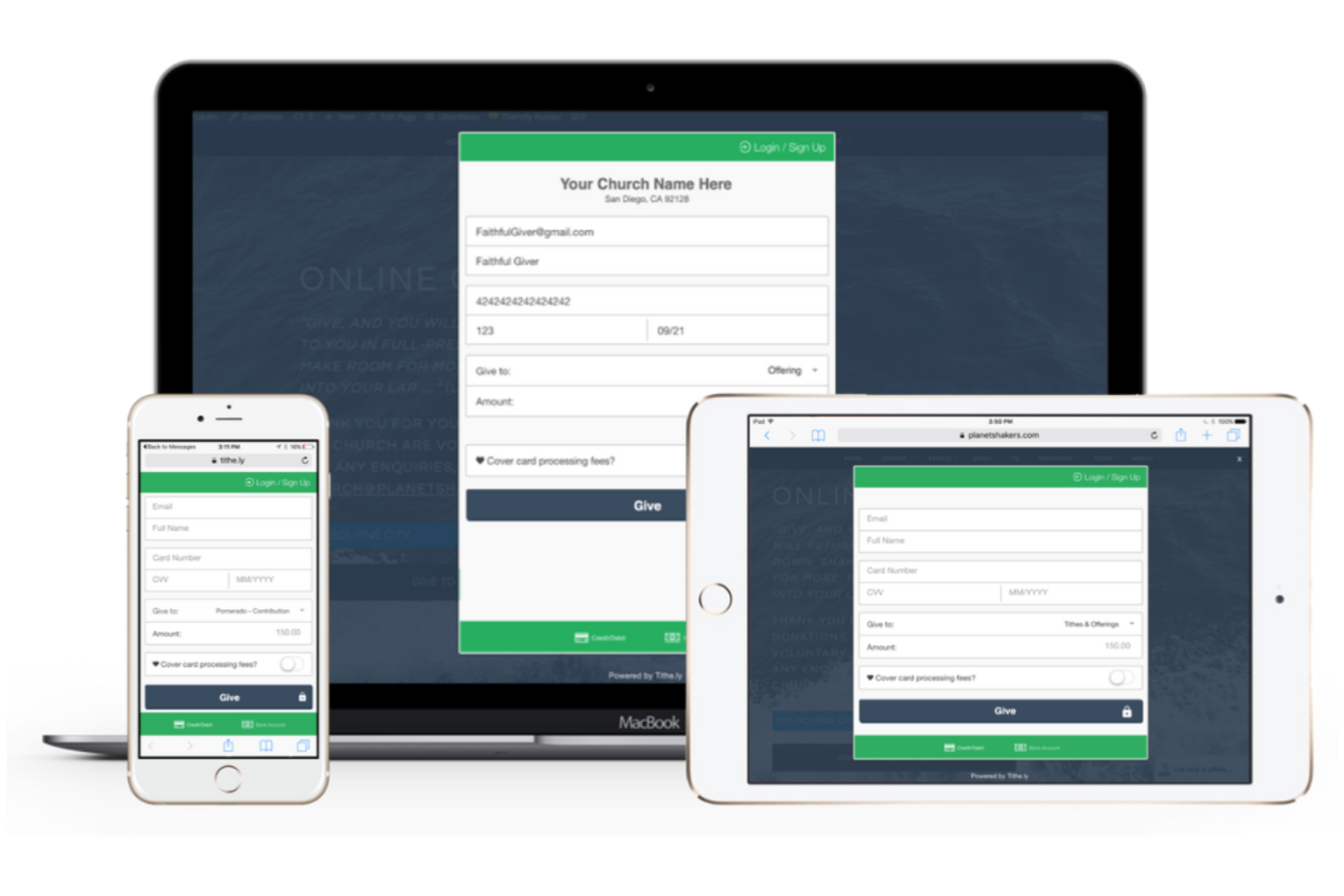
Si tu iglesia busca una manera de conectar las donaciones, la comunicación y la gestión de miembros en un solo lugar, Tithely está diseñado para ti. Esta plataforma atrae a líderes que desean herramientas digitales integradas para donaciones junto con funciones de gestión eclesiástica. Su enfoque en donaciones en línea y móviles facilita que las iglesias fomenten la generosidad y simplifiquen el seguimiento financiero.
Por qué elegí Tithely
Para las iglesias que quieren hacer que donar sea sencillo y accesible, Tithely destaca por sus soluciones integradas de donaciones. Elegí Tithely porque combina opciones de donación en línea, móvil y por mensaje de texto directamente dentro de su plataforma de gestión de iglesias. La herramienta también ofrece funciones como donaciones recurrentes y seguimiento detallado de los donativos, lo que ayuda a las iglesias a fomentar la generosidad constante y a gestionar las finanzas con transparencia. Estas capacidades hacen que Tithely sea ideal para líderes que buscan hacer crecer sus ministerios facilitando la generosidad de sus congregaciones.
Funciones clave de Tithely
Otras características que hacen a Tithely útil para el crecimiento de la iglesia incluyen:
- Gestión de eventos: Programa, promociona y haz seguimiento de la asistencia a los eventos de la iglesia.
- Directorio de miembros: Mantén una base de datos de perfiles de miembros y detalles de contacto fácilmente localizable.
- Mensajería grupal: Envía mensajes dirigidos a grupos o equipos específicos dentro de tu iglesia.
- Programación de voluntarios: Organiza y asigna voluntarios a roles y turnos para servicios y eventos.
Integraciones de Tithely
Las integraciones incluyen QuickBooks, RockRMS, The StudioC, Engiven, Elvanto, Salesforce, MinistryPlatform, Shelby Systems, FellowshipOne, y más.
Pros and Cons
Pros:
- Se integra con los principales sistemas de gestión eclesiástica
- La gestión de donantes controla el historial y tendencias de aportes
- El registro a eventos se vincula directamente con las herramientas de donaciones
Cons:
- Las comisiones por transacción de donaciones no son opcionales
- No incluye herramientas integradas para planificación de cultos o medios

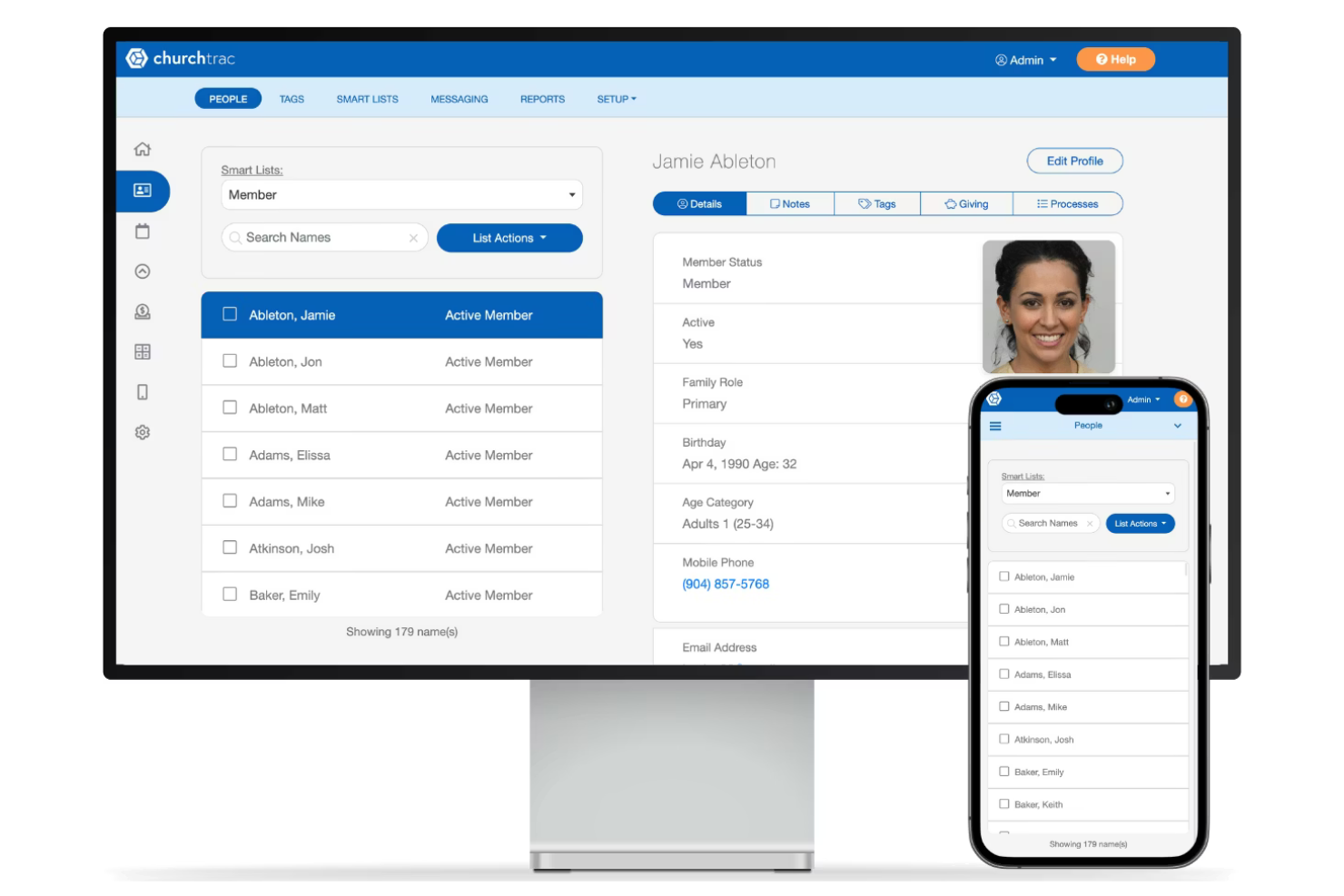
Si buscas una plataforma para el crecimiento de iglesias que reúna todas tus tareas de gestión de miembros en un solo lugar, ChurchTrac merece una mirada más cercana. Esta herramienta está diseñada para administradores de iglesias que desean llevar un seguimiento de la asistencia, gestionar donaciones y organizar eventos sin tener que alternar entre varios sistemas. Su enfoque todo en uno ayuda a los líderes a mantener los datos de los miembros, la comunicación y la planificación ministerial conectados y accesibles, además de respaldar funciones como donaciones con tarjeta de crédito para una gestión más sencilla de las ofrendas.
Por qué elegí ChurchTrac
Elegí ChurchTrac porque reúne todos los elementos fundamentales de la gestión de miembros en una sola plataforma. Su base de datos de miembros te permite hacer un seguimiento de los datos personales, la asistencia y la participación en los diferentes ministerios, lo cual es esencial para entender y respaldar el crecimiento de la iglesia. También me gusta que puedas gestionar las contribuciones y los registros de donaciones directamente junto a los perfiles de los miembros, lo que simplifica mucho el seguimiento financiero. Las herramientas integradas de gestión de eventos te ayudan a coordinar desde los servicios de adoración hasta las actividades de alcance, para que puedas mantener a la congregación conectada y comprometida.
Características clave de ChurchTrac
Otras funciones de ChurchTrac pueden ayudarte a gestionar el crecimiento y las operaciones diarias de tu iglesia:
- Formularios personalizados: Crea formularios digitales para inscripciones a eventos, voluntariado o peticiones de oración y recopila respuestas en un solo lugar.
- Mensajes de texto y correo electrónico: Envía mensajes dirigidos a personas o grupos directamente desde la plataforma para mantener informada a tu congregación.
- Planificación de cultos: Organiza los elementos del servicio, programa equipos y comparte planes con líderes y voluntarios de adoración.
- Registro de menores: Usa un sistema seguro de registro para el ministerio infantil para controlar la asistencia y garantizar la seguridad.
Integraciones de ChurchTrac
Las integraciones incluyen Stripe, Twilio, SongSelect, MinistrySafe, Mailchimp y más.
Pros and Cons
Pros:
- Incluye herramientas integradas de planificación de cultos
- Ofrece funcionalidad segura de registro de menores
- Permite enviar mensajes de texto y correo electrónico a grupos
Cons:
- Carece de funciones integradas para crear sitios web
- Las herramientas de programación de voluntarios son básicas

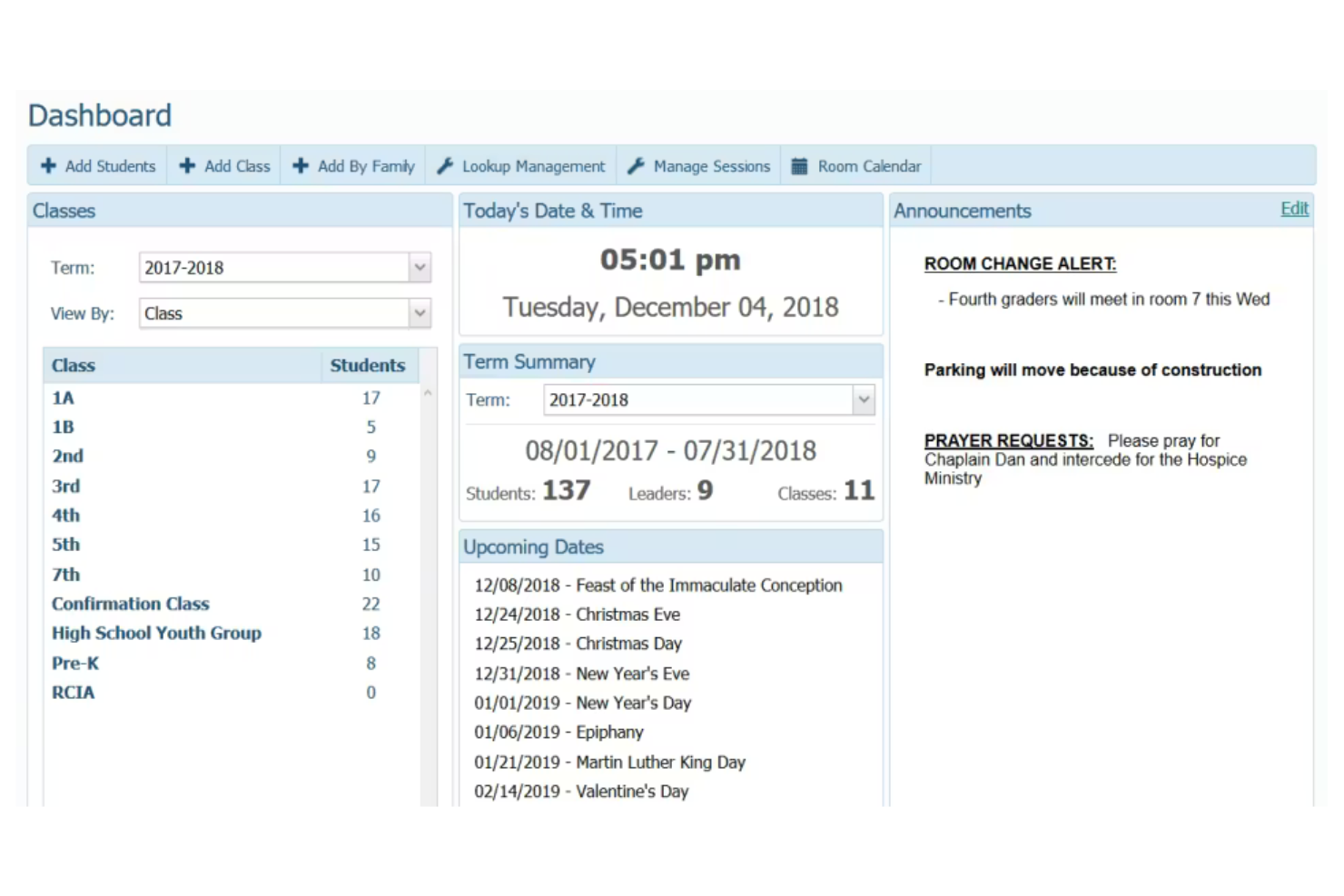
ParishSOFT está diseñado específicamente para parroquias y diócesis católicas que necesitan gestionar registros administrativos y sacramentales complejos. Esta plataforma atrae a los líderes parroquiales que buscan herramientas adaptadas a los flujos de trabajo católicos, incluida la gestión de feligreses, la educación religiosa y el seguimiento de contribuciones. Su enfoque en las necesidades específicas de la Iglesia Católica ayuda a simplificar las operaciones parroquiales y mantener el cumplimiento de los estándares diocesanos.
Por qué elegí ParishSOFT
Lo que distingue a ParishSOFT es su profunda alineación con las necesidades únicas de la administración parroquial católica. Elegí ParishSOFT porque ofrece gestión de registros sacramentales y seguimiento de la educación religiosa, ambos esenciales para las parroquias católicas. La plataforma también admite la gestión de contribuciones adaptada a los requisitos de informes diocesanos. Estas funciones ayudan a los líderes católicos a mantener registros precisos y cumplir con los estándares de cumplimiento, al tiempo que apoyan el crecimiento parroquial.
Características clave de ParishSOFT
Otras funciones que hacen valioso a ParishSOFT para el crecimiento parroquial incluyen:
- Portal de donaciones en línea: Acepte y gestione donaciones en línea de los feligreses.
- Programación de voluntarios: Organice y asigne voluntarios para ministerios y eventos.
- Directorio familiar: Mantenga registros detallados de los hogares y de los miembros de la familia.
- Registro de eventos: Gestione inscripciones y asistencia a los eventos parroquiales.
Integraciones de ParishSOFT
Actualmente no se listan integraciones nativas.
Pros and Cons
Pros:
- Seguimiento de la educación religiosa para programas de formación en la fe
- El directorio familiar vincula hogares y feligreses
- El seguimiento de contribuciones se ajusta a los informes diocesanos
Cons:
- No hay integraciones nativas con plataformas externas
- El portal de donaciones en línea no admite donaciones por SMS

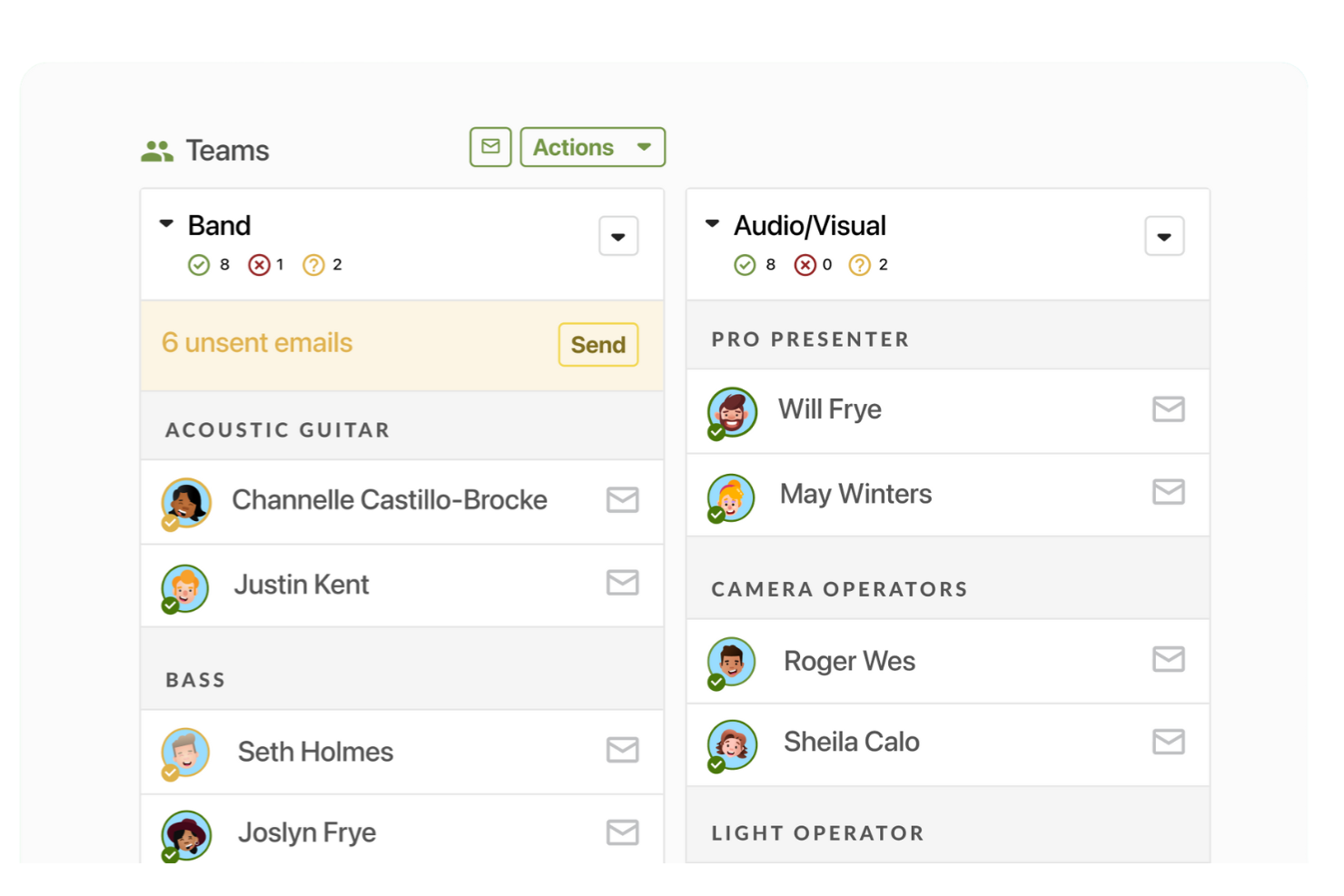
Si tu iglesia necesita una forma confiable de coordinar voluntarios, Planning Center ofrece herramientas especializadas para la programación y comunicación. Esta plataforma está diseñada para líderes ministeriales que gestionan equipos rotativos, roles de servicio y personal para eventos. Sus funciones de programación de voluntarios te ayudan a cubrir puestos, rastrear la disponibilidad y mantener a todos informados a medida que tu iglesia crece.
Por qué elegí Planning Center
La programación de voluntarios es un desafío para muchas iglesias en crecimiento y Planning Center cubre esta necesidad con herramientas creadas para este propósito. Elegí Planning Center porque te permite crear equipos de voluntarios, asignar roles y automatizar recordatorios para las próximas fechas de servicio. El seguimiento de disponibilidad de la plataforma te ayuda a evitar dobles reservas y asegura que cada puesto esté cubierto. Con su enfoque en la coordinación de voluntarios, Planning Center apoya a las iglesias que dependen de equipos organizados y confiables para servir a sus comunidades.
Funciones clave de Planning Center
Otras funciones de Planning Center pueden ayudarte a gestionar las operaciones y el compromiso de tu iglesia:
- Registro de eventos: Recoge inscripciones, gestiona pagos y sigue la asistencia a los eventos de la iglesia.
- Check-Ins: Ofrece registro seguro de niños y seguimiento de asistencia para clases y programas.
- Gestión de donativos: Acepta, rastrea e informa sobre donaciones y aportaciones periódicas.
- Reserva de recursos: Reserva salas, equipos e instalaciones para reuniones y actividades ministeriales.
Integraciones de Planning Center
Las integraciones incluyen BoxCast, Checkr, Mailchimp, PraiseCharts, RehearsalMix, SongSelect, Clearstream, MinistrySafe, Protect My Ministry y más.
Pros and Cons
Pros:
- La programación de voluntarios admite equipos recurrentes y rotativos
- La planificación de servicios incluye bibliotecas de música y medios
- El sistema de check-in ofrece registro seguro de niños
Cons:
- No hay automatización de flujos de trabajo integrada para seguimiento
- Las integraciones requieren suscripciones o cuentas independientes


Si su iglesia necesita realizar un seguimiento detallado de los patrones de asistencia, Servant Keeper ofrece herramientas especializadas para este propósito. Esta plataforma está diseñada para líderes que desean monitorear la participación en múltiples ministerios, clases y eventos. Sus funciones flexibles de seguimiento de asistencia le ayudan a detectar tendencias y a dar seguimiento a individuos o grupos que puedan necesitar atención adicional.
Por qué elegí Servant Keeper
Para las iglesias que quieren ir más allá de los conteos básicos de asistentes, Servant Keeper ofrece un seguimiento detallado de asistencia que apoya una mayor participación. Elegí Servant Keeper porque le permite rastrear la asistencia por persona, grupo o evento, e incluso registrar las razones de las ausencias. Los formularios de asistencia personalizables y las herramientas de reporte del sistema le ayudan a identificar tendencias y a hacer seguimiento con los miembros que puedan estar alejándose. Este nivel de detalle es especialmente valioso para los ministerios enfocados en fomentar relaciones y apoyar el crecimiento de la iglesia a través de la conexión personal.
Características clave de Servant Keeper
Además de sus capacidades de seguimiento de asistencia, Servant Keeper ofrece varias otras funciones que apoyan la gestión de la iglesia:
- Perfiles de miembros: Almacene información detallada, incluyendo datos de contacto, relaciones familiares y campos personalizados.
- Seguimiento de contribuciones: Registre e informe sobre donaciones, promesas y el historial de ofrendas para individuos y grupos.
- Herramientas de comunicación masiva: Envíe correos electrónicos, mensajes de texto o cartas impresas a grupos específicos o a toda la congregación.
- Sistema de registro de niños: Gestione el ingreso y salida segura para los ministerios y eventos infantiles.
Integraciones de Servant Keeper
Actualmente no se listan integraciones nativas.
Pros and Cons
Pros:
- Los informes de asistencia incluyen motivos personalizados de ausencia
- El sistema de registro de niños admite credenciales impresas
- El seguimiento de contribuciones se vincula a los perfiles de los miembros
Cons:
- Los estados de contribución carecen de opciones avanzadas de formato
- Las herramientas de gestión de eventos son limitadas en alcance


Si buscas una forma de hacer un seguimiento de la asistencia, donaciones y participación en tu iglesia en tiempo real, Church Metrics está diseñado para ti. Esta herramienta atrae a pastores y líderes de ministerio que desean visualizar tendencias y tomar decisiones basadas en datos de forma rápida. Sus paneles personalizables y acceso móvil te ayudan a monitorear la salud y el crecimiento del ministerio desde cualquier lugar.
Por qué elegí Church Metrics
Cuando necesitas información instantánea sobre la salud de tu iglesia, Church Metrics destaca por sus paneles de analítica en tiempo real. Elegí Church Metrics porque te permite rastrear asistencia, donaciones, conversiones y otros indicadores clave tan pronto como se ingresan los datos. Los paneles personalizables y las herramientas de informes de la plataforma te ayudan a detectar tendencias y responder rápidamente a los cambios en tu ministerio. Este enfoque en datos en vivo facilita medir el crecimiento y tomar decisiones informadas semana a semana.
Características clave de Church Metrics
Otras características que hacen que Church Metrics sea útil para el crecimiento de la iglesia incluyen:
- Seguimiento multicampus: Supervisa y compara datos en varias ubicaciones de la iglesia desde una sola cuenta.
- Creación de métricas personalizadas: Configura y rastrea puntos de datos únicos específicos de las necesidades de tu ministerio.
- Acceso desde la aplicación móvil: Ingresa y visualiza datos sobre la marcha usando las aplicaciones dedicadas para iOS y Android.
- Permisos según rol: Asigna diferentes niveles de acceso a personal y voluntarios para el ingreso y reporte de datos.
Integraciones de Church Metrics
Actualmente no se listan integraciones nativas.
Pros and Cons
Pros:
- Las métricas personalizadas rastrean actividades exclusivas del ministerio
- La app móvil permite el ingreso de datos en cualquier lugar
- Los paneles en tiempo real se actualizan al instante con nuevos datos
Cons:
- No incluye seguimiento incorporado de donaciones o ofrendas
- Las opciones de importación de datos son limitadas para nuevos usuarios

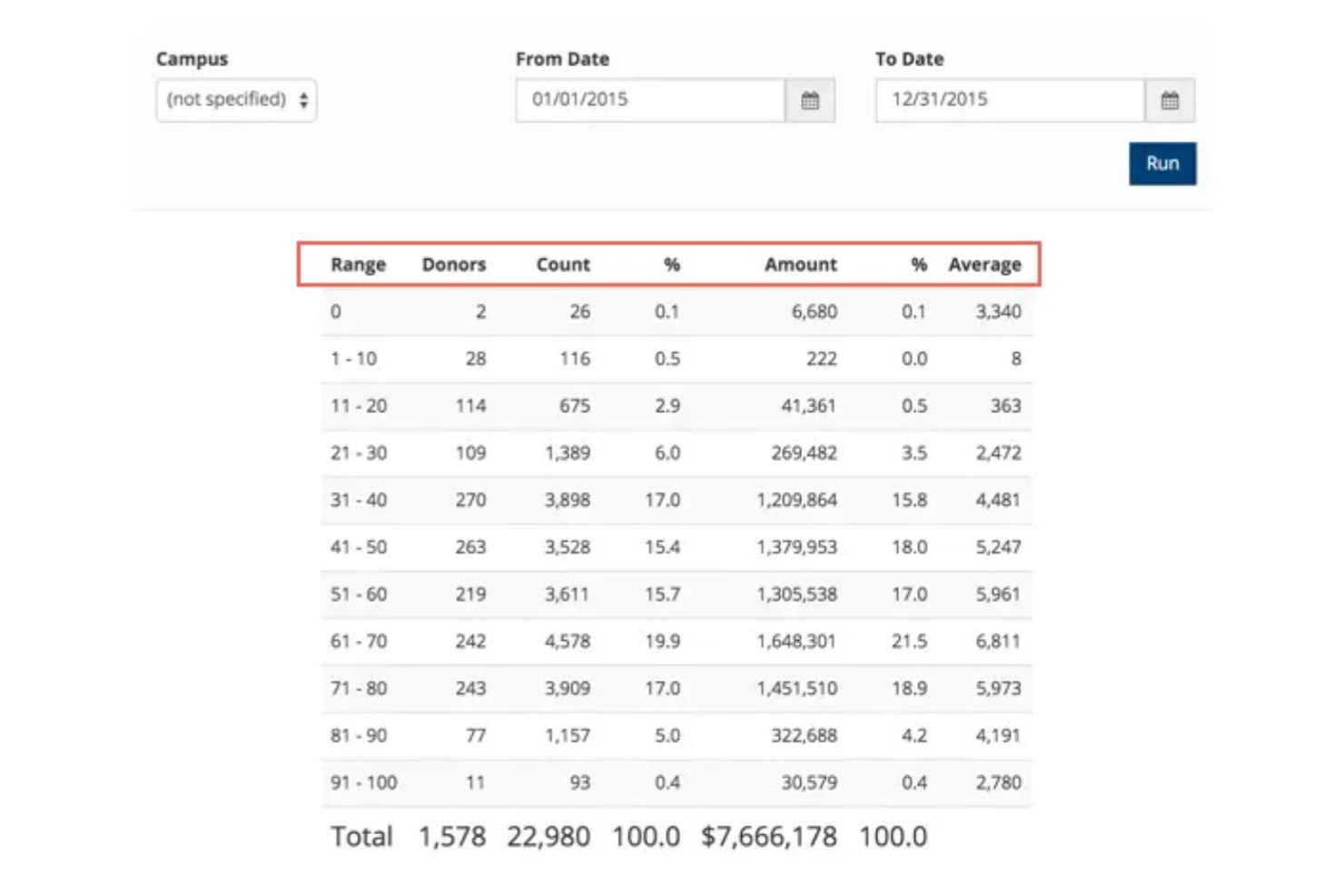
TouchPoint Software está diseñado para iglesias que desean conectar el discipulado, la comunicación y la administración en un solo lugar. Esta plataforma resulta atractiva para líderes que necesitan herramientas para rastrear el crecimiento espiritual, gestionar grupos pequeños y hacer seguimiento a los miembros. Sus funciones integradas de discipulado te ayudan a guiar a las personas en los siguientes pasos y mantener tu ministerio enfocado en el desarrollo espiritual.
Por qué elegí TouchPoint Software
Lo que distingue a TouchPoint Software es su enfoque en herramientas de discipulado integradas que ayudan a las iglesias a fomentar el crecimiento espiritual en cada etapa. Elegí TouchPoint Software porque te permite crear y gestionar trayectorias de discipulado, seguir el progreso individual y automatizar tareas de seguimiento para próximos pasos como el bautismo o el voluntariado. Las funciones de gestión de grupos pequeños y seguimiento de asistencia de la plataforma también apoyan a los líderes a construir relaciones más profundas dentro de la congregación. Estas herramientas facilitan mantener el discipulado en el centro de la estrategia de crecimiento de tu iglesia.
Características clave de TouchPoint Software
Además de sus herramientas de discipulado, TouchPoint Software ofrece varias otras funciones que apoyan la gestión de iglesias:
- Plataforma de donaciones en línea: Permite aceptar y registrar donaciones a través de formularios personalizados de donación en línea.
- Aplicación móvil para miembros: Ofrece una aplicación con la imagen de la iglesia donde los miembros pueden registrarse a eventos, donar y acceder a recursos.
- Gestión de voluntarios: Programa, comunica y registra a los voluntarios para distintos ministerios y eventos.
- Correo electrónico y mensajería de texto: Envía comunicaciones personalizadas a individuos, grupos o a toda la congregación.
Integraciones de TouchPoint Software
Actualmente no se enumeran integraciones nativas.
Pros and Cons
Pros:
- Las trayectorias de discipulado permiten rastrear el crecimiento espiritual de los miembros La programación de voluntarios incluye recordatorios automáticos Mensajería de texto incorporada para seguimiento personalizado
- La programación de voluntarios incluye recordatorios automáticos
- Mensajería de texto incorporada para seguimiento personalizado
Cons:
- La personalización del portal para miembros requiere configuración adicional
- La configuración de donaciones recurrentes puede ser confusa

FellowshipOne está diseñado para iglesias que gestionan múltiples campus o sedes bajo un solo ministerio. Esta plataforma atrae a líderes que necesitan coordinar personas, eventos y recursos en varias ubicaciones sin perder visibilidad ni control. Sus herramientas de administración centralizada te ayudan a unificar datos, estandarizar procesos y apoyar el crecimiento en toda tu organización.
Por qué elegí FellowshipOne
Para iglesias que operan en múltiples campus, FellowshipOne ofrece herramientas que te ayudan a gestionar estructuras organizativas complejas desde una sola plataforma. Elegí FellowshipOne porque te permite centralizar la información de los miembros, la programación de eventos y la coordinación de voluntarios para todas tus sedes. Los informes y permisos específicos por campus de la plataforma hacen posible mantener tanto la supervisión como la autonomía en cada sitio. Este enfoque favorece el crecimiento de la iglesia al facilitar la ampliación de ministerios y mantener la consistencia a medida que te expandes.
Características clave de FellowshipOne
Otras características que hacen que FellowshipOne sea útil para el crecimiento de la iglesia incluyen:
- Herramientas de donaciones en línea: Acepta y rastrea donaciones a través de formularios de donación en línea personalizables.
- Sistema de registro de niños: Gestiona el registro y la salida segura de niños en los ministerios y eventos infantiles.
- Gestión de grupos: Organiza, rastrea y comunícate con pequeños grupos o equipos ministeriales.
- Motor de flujos de trabajo automatizados: Configura procesos automáticos para el seguimiento, la comunicación y la asignación de tareas.
Integraciones de FellowshipOne
Las integraciones incluyen FellowshipOne Giving y FellowshipOne Financials. FellowshipOne también ofrece una API para integraciones personalizadas.
Pros and Cons
Pros:
- El panel multi-campus centraliza toda la información de las ubicaciones
- El sistema de registro infantil apoya grandes eventos
- La gestión de grupos rastrea la participación en los ministerios
Cons:
- Las exportaciones de informes requieren formato manual
- La migración de datos desde otros sistemas puede ser compleja
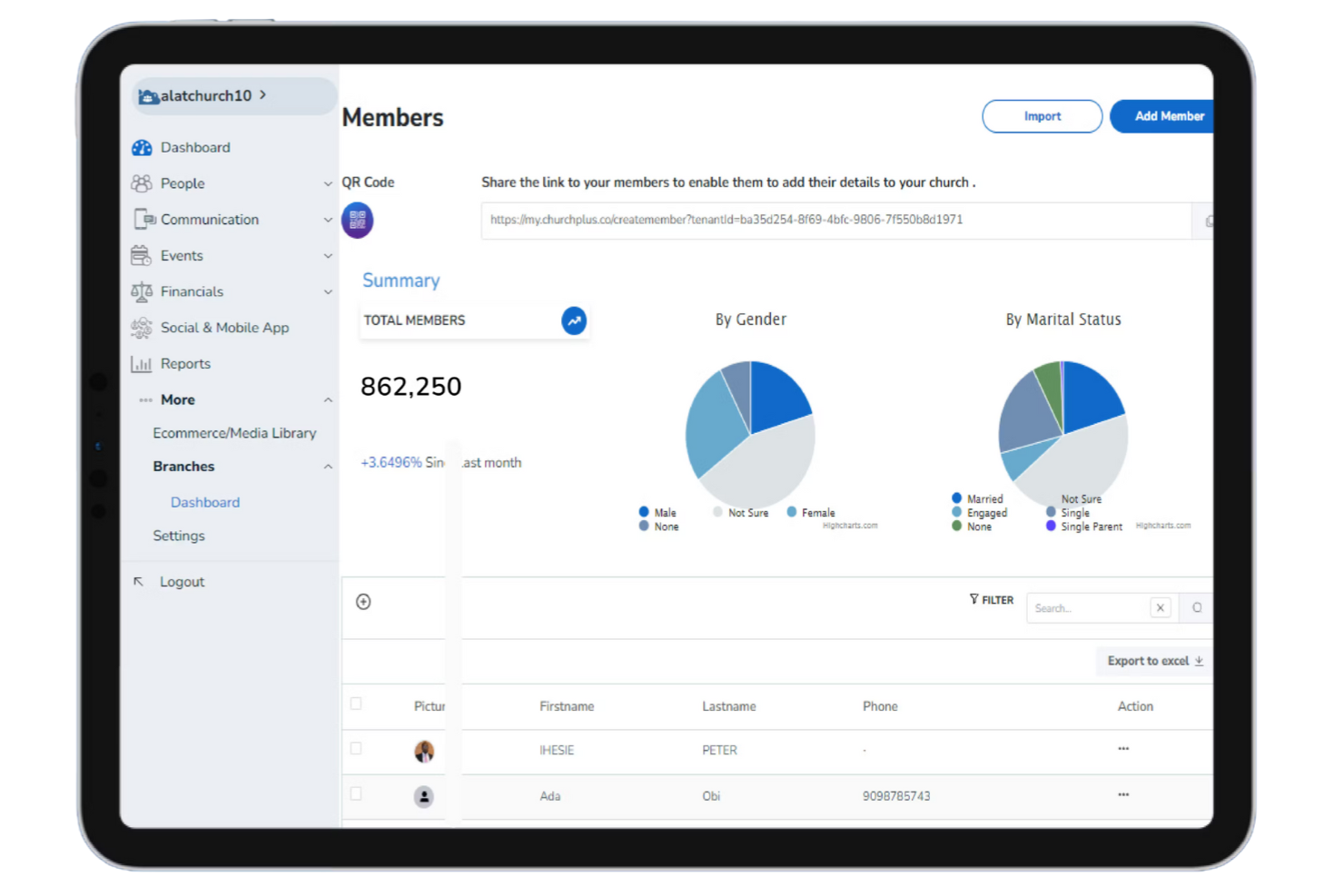
ChurchPlus destaca para las iglesias que desean comunicarse con sus miembros a través de mensajes SMS y WhatsApp. Esta plataforma es ideal para líderes que necesitan coordinar la comunicación, enviar recordatorios e involucrar a las congregaciones en los canales donde están más activos. Su enfoque en el contacto directo y prioritario en dispositivos móviles ayuda a mantener a los miembros informados y conectados en tiempo real.
Por qué elegí ChurchPlus
La comunicación directa es esencial para los líderes de iglesia que desean mantener a sus congregaciones informadas y comprometidas. Elegí ChurchPlus porque ofrece mensajería integrada por SMS y WhatsApp, facilitando el contacto con los miembros en las plataformas que más utilizan. La herramienta también permite el envío masivo de mensajes y recordatorios automáticos, lo que ayuda a coordinar eventos y hacer seguimiento a los asistentes. Estas características hacen de ChurchPlus una excelente opción para los ministerios enfocados en un alcance rápido y personalizado como parte de su estrategia de crecimiento.
Funciones clave de ChurchPlus
Otras funciones que hacen útil a ChurchPlus para el crecimiento de la iglesia incluyen:
- Base de datos de miembros: Almacena y organiza perfiles detallados y la información de contacto de los miembros.
- Control de asistencia: Registra y supervisa la asistencia a servicios y eventos.
- Donaciones en línea: Recibe y administra donaciones digitales a través de la plataforma.
- Gestión de eventos: Planifica, programa y supervisa los eventos de la iglesia desde un panel centralizado.
Integraciones de ChurchPlus
Actualmente no se indican integraciones nativas.
Pros and Cons
Pros:
- La mensajería masiva permite el alcance a grandes congregaciones
- El control de asistencia se vincula a los perfiles de los miembros
- La opción de donaciones en línea admite múltiples pasarelas de pago
Cons:
- No cuenta con biblioteca integrada de sermones o medios
- No incluye funciones de gestión de voluntarios
Otro software para el crecimiento de iglesias
Estas son algunas opciones adicionales de software para el crecimiento de iglesias que no llegaron a mi selección, pero que aun así vale la pena considerar:
- ChMeetings
Ideal para acceso congregacional centrado en el móvil
- One Church Software
Ideal para automatización de flujos de trabajo personalizables
- Gracely
Ideal para flujos de trabajo automatizados de seguimiento a invitados


Cómo Evalúo el Software para el Crecimiento de Iglesias
Analizo las herramientas para el crecimiento de iglesias en dos niveles: los elementos imprescindibles como el seguimiento de visitantes y el rastreo de la participación, y los diferenciadores que separan a las mejores plataformas del resto.
Funcionalidad Básica (Requisitos Indispensables Para Esta Lista)
Al seleccionar herramientas para mi lista, califico cada una en una escala de 0 (no ofrece la funcionalidad) a 5 (destaca en esta área) por cada funcionalidad básica que se menciona a continuación. Luego calculo la puntuación total de la herramienta y la convierto en un porcentaje. Cada herramienta debe alcanzar un puntaje total mínimo del 65% para ser considerada para su inclusión.
- Seguimiento de Visitantes e Invitados: Verifico si una plataforma puede captar información de los visitantes mediante tarjetas de conexión digitales y activar secuencias automáticas de seguimiento—como una serie de correos de bienvenida para los visitantes por primera vez.
- Rastreo de Participación de Miembros: Cada herramienta debe rastrear la participación en asistencia, ofrendas, servicio y grupos, para que los pastores puedan identificar quién está desconectándose antes de que desaparezca por completo.
- Comunicación Multicanal de Alcance: Evalúo si se puede llegar a las personas por correo electrónico, SMS y notificaciones push con segmentación de audiencia—por ejemplo, enviar un mensaje dirigido a los miembros inactivos.
- Grupos Pequeños y Caminos de Asimilación: Las herramientas deben permitirte construir recorridos definidos de próximos pasos que lleven a alguien de ser un visitante a miembro de un grupo pequeño y luego a voluntario, con hitos rastreables en el proceso.
- Análisis y Reportes de Crecimiento: Busco paneles que muestren indicadores clave de crecimiento como tendencias de asistencia, tasas de retorno de invitados y patrones de ofrendas, y no solo exportaciones de datos en bruto.
- Base de Datos de Contactos y Segmentación: Es esencial contar con una base de datos centralizada de personas con etiquetas, campos personalizados y creación dinámica de listas—piensa en filtrar por “asistió tres veces pero no se ha unido a un grupo”.
Una vez que tengo una lista de herramientas que cumplen con estos criterios, considero qué diferencia a cada plataforma.
Factores Diferenciadores (Lo que Distingue a los Proveedores)
Así es como comparo y contrasto diferentes proveedores:
Características Destacadas
Las herramientas de donaciones en línea son importantes aquí porque las tendencias de generosidad son un indicador directo de crecimiento—busco plataformas que conecten las donaciones recurrentes y los datos de donación por mensaje de texto con el seguimiento de la participación. La programación de voluntarios es otro diferenciador, ya que movilizar asistentes hacia roles de servicio es una de las estrategias más efectivas de retención en una iglesia. También evalúo si una plataforma ofrece una aplicación móvil personalizada que mantiene a la congregación conectada entre domingos mediante sermones, inscripciones a eventos y notificaciones push.
Más Allá de las Funcionalidades
La estructura de precios es un factor clave en este ámbito porque la mayoría de las iglesias trabajan con presupuestos ajustados—verifico si las plataformas escalan según el tamaño de la base de datos o la cantidad de miembros activos, lo cual hace una gran diferencia para las congregaciones en crecimiento. La compatibilidad de integraciones es igualmente importante; tu herramienta de crecimiento debe sincronizar con plataformas como Planning Center o Breeze para que los datos fluyan entre sistemas sin necesidad de exportaciones manuales. También evalúo el soporte de incorporación, ya que muchas iglesias dependen de equipos administrativos voluntarios que necesitan recursos guiados de configuración y capacitación diseñados para usuarios sin conocimientos técnicos.
Cómo elegir un software para el crecimiento de iglesias
Es fácil quedar atrapado en listas interminables de funciones y estructuras de precios complejas. Para ayudarte a mantener la atención mientras avanzas en tu proceso único de selección de software, aquí tienes una lista de factores que debes tener en cuenta:
| Factor | Qué debes considerar |
|---|---|
| Escalabilidad | ¿El software será compatible con tu iglesia a medida que crezca en tamaño, campus o ministerios? Comprueba los límites de usuarios, los límites de datos y las opciones de actualización. |
| Integraciones | ¿Se conecta con tus herramientas actuales de contabilidad, comunicación o planificación del culto? Confirma que incluya integraciones nativas y no solo opciones de API. |
| Personalización | ¿Puedes adaptar los flujos de trabajo, formularios y comunicaciones para que se ajusten a los procesos y la identidad de marca únicos de tu iglesia? Evita los sistemas rígidos que te obliguen a adoptar un enfoque único para todos. |
| Facilidad de uso | ¿El personal y los voluntarios con distintos niveles de conocimientos tecnológicos podrán utilizarlo con confianza? Busca una navegación clara y requisitos mínimos de capacitación. |
| Implementación e incorporación | ¿Cuánto tiempo tardarás en ponerlo en marcha? Pregunta por la migración de datos, los recursos de capacitación y el soporte durante la configuración. |
| Coste | ¿Todos los costes son transparentes, incluidas las comisiones por transacción, los complementos y el soporte? Compara el coste total de propiedad, no solo las tarifas mensuales. |
| Medidas de seguridad | ¿Cómo protege el proveedor los datos confidenciales de los miembros y los datos financieros? Busca cifrado, controles de acceso y cumplimiento de las normas de privacidad. |
| Disponibilidad del soporte | ¿Qué canales de soporte se ofrecen y en qué horarios? Considera si necesitarás ayuda durante los fines de semana o fuera del horario habitual, especialmente en torno a eventos importantes. |
¿Qué es el software para el crecimiento de iglesias?
El software para el crecimiento de iglesias es una plataforma digital diseñada para ayudar a las iglesias a gestionar las tareas de alcance, participación y operaciones que respaldan el crecimiento. Estas herramientas suelen combinar funciones para hacer un seguimiento de la asistencia, gestionar las donaciones, organizar eventos y comunicarse con los miembros. Al centralizar estas funciones, el software para el crecimiento de iglesias ayuda a los líderes a comprender las tendencias, cultivar las relaciones y coordinar los esfuerzos ministeriales de manera más eficaz.
Características del software para el crecimiento de iglesias
Al seleccionar un software para el crecimiento de iglesias, presta atención a las siguientes características clave:
- Gestión de miembros: Almacena, organiza y actualiza registros detallados de miembros, visitantes y familias, lo que facilita el seguimiento de la participación y el contacto posterior.
- Seguimiento de la asistencia: Registra la asistencia a servicios, eventos y grupos pequeños, ayudando a los líderes a detectar tendencias e identificar oportunidades de alcance.
- Donaciones en línea: Permite realizar donaciones digitales seguras a través de la web, dispositivos móviles o mensajes de texto, y realiza un seguimiento del historial de donaciones de personas y hogares.
- Gestión de eventos: Planifica, programa y promociona eventos de la iglesia, con herramientas para el registro, los recordatorios y la coordinación de voluntarios.
- Herramientas de comunicación: Envía correos electrónicos, mensajes de texto o notificaciones de la aplicación dirigidos a grupos específicos o a toda la congregación para comunicar actualizaciones y anuncios oportunos.
- Programación de voluntarios: Asigna, organiza y se comunica con los voluntarios para los servicios, eventos y funciones ministeriales continuas.
- Informes y análisis: Genera informes sobre la asistencia, las donaciones y la participación para fundamentar la toma de decisiones y medir el impacto ministerial.
- Gestión de grupos: Crea y gestiona grupos pequeños, clases o equipos ministeriales, incluidos los listados de miembros, los horarios de reuniones y la comunicación.
- Capacidades de integración: Se conecta con otros programas, como plataformas contables, herramientas de planificación del culto o sistemas de marketing por correo electrónico, para optimizar los flujos de trabajo.
Beneficios del software para el crecimiento de iglesias
La implementación de un software para el crecimiento de iglesias ofrece varios beneficios para tu equipo y tu negocio. Estos son algunos de los que puedes esperar:
- Información centralizada: Mantén todos los datos de miembros, donaciones y eventos en un solo lugar, lo que facilita su acceso y gestión.
- Mayor participación: Utiliza las herramientas de comunicación y el seguimiento de la asistencia para conectar de forma más intencional con los miembros y visitantes.
- Donaciones simplificadas: Ofrece varias opciones de donación digital y realiza un seguimiento de las contribuciones, respaldando una salud financiera constante.
- Planificación de eventos simplificada: Coordina eventos, voluntarios y registros desde una sola plataforma, reduciendo el trabajo administrativo.
- Decisiones basadas en datos: Genera informes y análisis para comprender las tendencias y medir el impacto ministerial.
- Mejor gestión de voluntarios: Programa, organiza y comunícate con los voluntarios de manera eficiente, asegurándote de que las funciones estén cubiertas y los equipos reciban apoyo.
- Crecimiento escalable: Adapta el software a medida que tu iglesia se expande, añadiendo nuevos usuarios, ministerios o campus sin interrupciones.
Costos y precios del software para el crecimiento de iglesias
Seleccionar un software para el crecimiento de iglesias requiere comprender los diversos modelos de precios y planes disponibles. Los costos varían según las características, el tamaño del equipo, los complementos y otros factores. La siguiente tabla resume los planes habituales, sus precios promedio y las características que suelen incluir las soluciones de software para el crecimiento de iglesias:
Tabla comparativa de planes de software para el crecimiento de iglesias
| Tipo de plan | Precio promedio | Características habituales |
|---|---|---|
| Plan gratuito | $0 | Gestión básica de miembros, programación limitada de eventos, seguimiento sencillo de la asistencia e informes básicos. |
| Plan personal | $10–$30/mes | Gestión de miembros y grupos, donaciones en línea, planificación de eventos, comunicación por correo electrónico y análisis básicos. |
| Plan empresarial | $40–$100/mes | Informes avanzados, programación de voluntarios, acceso a la aplicación móvil, opciones de integración y marca personalizada. |
| Plan empresarial avanzado | $150–$400/mes | Compatibilidad con varios campus, seguridad avanzada, asistencia especializada, flujos de trabajo personalizados y usuarios ilimitados. |
Preguntas frecuentes sobre el software de crecimiento de iglesias
Aquí tienes respuestas a preguntas frecuentes sobre el software de crecimiento de iglesias:
¿Cómo ayuda el software de crecimiento de iglesias a fomentar la participación de los miembros?
El software de crecimiento de iglesias te ayuda a hacer un seguimiento de la asistencia, contactar posteriormente con los visitantes y enviar comunicaciones específicas. Esto facilita la identificación de tendencias, el contacto con quienes podrían estar desvinculándose y mantener a la congregación conectada e informada.
¿Puede el software de crecimiento de iglesias gestionar varios campus o ubicaciones?
Sí, muchas soluciones de software de crecimiento de iglesias ofrecen gestión de varios campus. Esto permite hacer un seguimiento de la asistencia, las donaciones y los eventos por separado para cada ubicación, a la vez que proporciona una visión unificada para el liderazgo.
¿Qué debo tener en cuenta al migrar datos a un nuevo software de crecimiento de iglesias?
Busca herramientas que ofrezcan opciones de importación de datos, asistencia para la migración y documentación clara. Pregunta por la compatibilidad con tu sistema actual y si el proveedor ofrece ayuda para la incorporación o plantillas que simplifiquen el proceso.
¿Es seguro el software de crecimiento de iglesias para gestionar información confidencial?
Sí, la mayoría de los programas de software de crecimiento de iglesias reconocidos utilizan cifrado, controles de acceso y cumplen con las normas de privacidad. Confirma siempre qué medidas de seguridad están implementadas y quién puede acceder a los datos confidenciales de los miembros y financieros.
¿Qué nivel de personalización ofrecen las plataformas de software de crecimiento de iglesias?
La mayoría de las plataformas permiten personalizar formularios, flujos de trabajo y plantillas de comunicación. Algunas también permiten ajustar los permisos de usuario, la identidad de marca y los informes para adaptarse mejor a las necesidades específicas de tu iglesia.
¿Qué tipo de asistencia hay disponible si tengo algún problema?
Las opciones de asistencia varían, pero muchos proveedores ofrecen chat en directo, asistencia por correo electrónico y teléfono, además de centros de ayuda con función de búsqueda. Algunos también proporcionan seminarios web de incorporación, vídeos de formación y comunidades de usuarios para ofrecer ayuda continua.