

10 migliori software per bollettini parrocchiali recensiti nel 2026

Migliori Software per Bollettini Parrocchiali - Shortlist


Gestire una parrocchia non è un compito semplice. Devi occuparti di molte responsabilità, dall'organizzazione degli eventi al mantenere la tua comunità informata. È qui che il software per bollettini parrocchiali entra in gioco. Ti aiuta a comunicare in modo efficace e tiene tutti aggiornati.
Ho trascorso molto tempo a testare e recensire software in modo indipendente, immergendomi nel settore della gestione parrocchiale. Voglio condividere con te le mie migliori scelte, offrendoti una panoramica chiara sulle migliori opzioni disponibili.
In questo articolo troverai recensioni imparziali e ben documentate dei migliori software per bollettini parrocchiali. Il mio obiettivo è rendere la tua decisione più semplice, così da poterti concentrare su ciò che conta davvero: servire la tua comunità.
Perché fidarsi dei nostri consigli sui software
Il nostro team testa e recensisce software dal 2012. In quanto leader ecclesiastici noi stessi, sappiamo quanto sia difficile — e importante — scegliere il software giusto.
Per questa guida, abbiamo valutato gli strumenti attraverso test pratici e ricerche indipendenti, assegnando un punteggio agli strumenti in base ai nostri criteri di selezione.
Le nostre recensioni riflettono il nostro giudizio editoriale umano, non un discorso di vendita.
Perché Fidarsi delle Nostre Recensioni Software
Dall'inizio del 2020 testiamo e recensiamo software di gestione per parrocchie. In quanto responsabili parrocchiali, sappiamo quanto sia fondamentale e difficile prendere la decisione giusta nella scelta dei software. Investiamo molto nella ricerca per aiutare il nostro pubblico a fare acquisti informati.
Abbiamo testato oltre 2.000 strumenti per diversi casi d'uso di gestione parrocchiale e scritto più di 1.000 recensioni dettagliate di software. Scopri come rimaniamo trasparenti e dai un'occhiata alla nostra metodologia di recensione software.
Sommario dei Migliori Software per Bollettini Parrocchiali
u003cspan style=u0022font-weight: 400u0022u003eQuesta tabella comparativa riassume i dettagli sui prezzi delle mie migliori selezioni di software per bollettini parrocchiali per aiutarti a trovare quello più adatto al tuo budget e alle esigenze della tua attività.u003c/spanu003e
| Tool | Best For | Trial Info | Price | ||
|---|---|---|---|---|---|
| 1 | Ideale per i modelli grafici | Disponibile un piano gratuito | Da $12/mese (fatturato annualmente) | Website | |
| 2 | Ideale per la collaborazione su cloud | Piano gratuito + prova disponibile | Da $7/utente/mese (fatturato annualmente) | Website | |
| 3 | Ideale per chi vuole utilizzare soluzioni open-source | Piano gratuito disponibile | Prezzo su richiesta | Website | |
| 4 | Ideale per la modifica offline | Piano gratuito disponibile | Da $99.99/anno | Website | |
| 5 | Ideale per la personalizzazione della stampa | Not available | Website | ||
| 6 | Ideale per le chiese ortodosse | Not available | Website | ||
| 7 | Ideale per l'editing collaborativo | Not available | Website | ||
| 8 | Ideale per display digitali | Not available | Website | ||
| 9 | Ideale per l'accesso da dispositivi mobili | Not available | Website | ||
| 10 | Ideale per l'integrazione degli eventi | Not available | Website |
Recensioni dei Migliori Software per Bollettini Parrocchiali
u003cspan style=u0022font-weight: 400u0022u003eQui sotto trovi i miei riassunti dettagliati dei migliori software per bollettini parrocchiali che sono entrati nella mia shortlist. Le mie recensioni offrono una panoramica dettagliata delle caratteristiche principali, pro e contro, integrazioni e casi d’uso ideali di ciascun strumento per aiutarti a trovare quello più adatto a te.u003c/spanu003e

Canva
Ideale per i modelli grafici
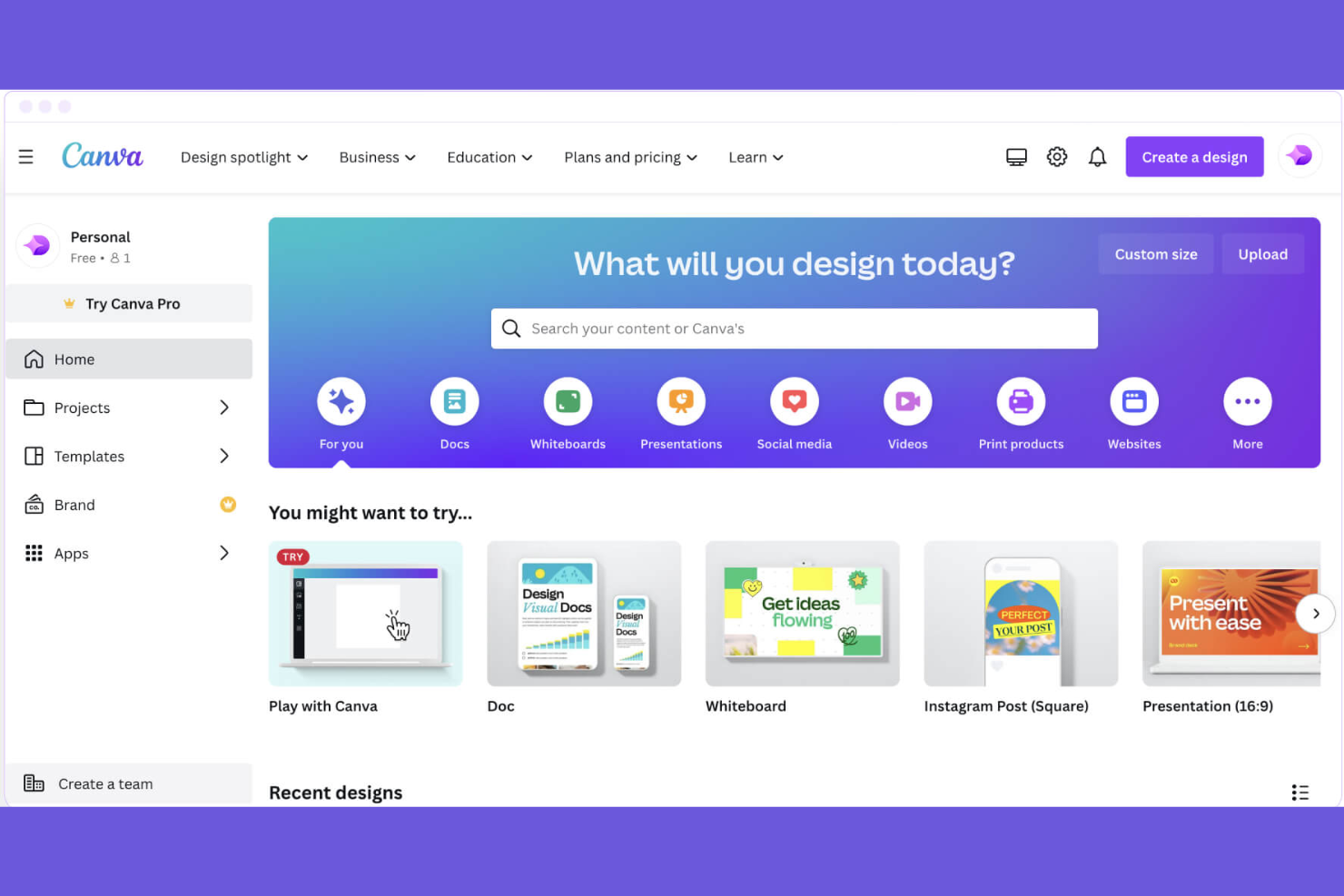
Canva è una piattaforma di progettazione grafica ampiamente utilizzata per creare bollettini parrocchiali visivamente accattivanti. Si rivolge ad amministratori e volontari di chiesa che desiderano realizzare bollettini dall'aspetto professionale senza bisogno di competenze approfondite di design.
Perché ho scelto Canva: Offre una vasta libreria di modelli grafici, che facilita la creazione di bollettini straordinari. Puoi scegliere tra migliaia di modelli e personalizzarli con il marchio della tua chiesa. Canva offre una funzionalità di trascinamento, che permette di aggiungere testi, immagini e altri elementi con facilità. Grazie alla sua interfaccia intuitiva, non è necessario avere esperienza di design per realizzare materiali attraenti.
Funzionalità e integrazioni principali:
Funzionalità includono l'accesso a una vasta varietà di font, la possibilità di collaborare in tempo reale con i membri del team e opzioni per esportare i progetti in diversi formati. Puoi anche salvare i tuoi progetti e accedervi da qualsiasi dispositivo, assicurando flessibilità. La piattaforma offre un editor di foto che consente di migliorare le immagini direttamente all'interno del bollettino.
Integrazioni includono Dropbox, Google Drive, Instagram, Facebook, Pinterest, Slack, Mailchimp, HubSpot, Typeform e LinkedIn.
Pros and Cons
Pros:
- Ampia libreria di modelli
- Funzioni di collaborazione in tempo reale
- Accesso da qualsiasi dispositivo
Cons:
- Personalizzazione limitata dei modelli
- La qualità dell'esportazione può variare

Ideale per la collaborazione su cloud

Google Docs è uno strumento di elaborazione testi basato su cloud che consente agli utenti di creare e modificare documenti online. È ampiamente utilizzato dai team delle chiese che devono collaborare in tempo reale alla creazione di bollettini e altri documenti.
Perché ho scelto Google Docs: Si distingue per la collaborazione sul cloud, permettendo al tuo team di lavorare insieme contemporaneamente da diverse località. È possibile commentare e suggerire modifiche ai documenti, facilitando la comunicazione e la revisione. Lo strumento salva automaticamente le modifiche, garantendo la sicurezza del lavoro. Nella mia esperienza, Google Docs offre una piattaforma semplice per creare e condividere facilmente i bollettini della chiesa.
Funzionalità e integrazioni di spicco:
Funzionalità includono modifica e commenti in tempo reale, la possibilità di accedere ai documenti da qualsiasi dispositivo connesso a Internet e il salvataggio automatico delle modifiche. Puoi anche utilizzare la digitazione vocale per la creazione di documenti a mani libere. La piattaforma supporta la cronologia delle versioni, permettendoti di tracciare i cambiamenti nel tempo.
Integrazioni includono Google Drive, Google Sheets, Google Slides, Gmail, Google Calendar, Google Meet, Google Keep, Google Forms, Google Sites e Google Chat.
Pros and Cons
Pros:
- Collaborazione in tempo reale
- Salvataggio automatico delle modifiche
- Accessibile da qualsiasi dispositivo
Cons:
- Richiede connessione Internet costante
- Opzioni di formattazione limitate

Ideale per chi vuole utilizzare soluzioni open-source

LibreOffice è una suite per ufficio gratuita e open-source che offre strumenti per creare documenti, fogli di calcolo e presentazioni. È molto apprezzata dai gruppi parrocchiali che prediligono software open-source per realizzare bollettini parrocchiali e altri documenti.
Perché ho scelto LibreOffice: Offre la flessibilità open-source, permettendo di personalizzare e adattare il software alle proprie esigenze specifiche. È possibile creare bollettini dettagliati grazie al suo word processor, Writer, che supporta un'ampia gamma di formati. Il software garantisce un'interfaccia familiare che rende facile la transizione da altre suite per ufficio. Nella mia esperienza, LibreOffice rappresenta una soluzione economica per le chiese che cercano uno strumento versatile senza costi di abbonamento.
Funzionalità e integrazioni principali:
Funzionalità comprendono il supporto per una varietà di formati di documento, un potente word processor per creare layout dettagliati e strumenti per la creazione di grafici e diagrammi. È inoltre possibile personalizzare le barre degli strumenti e i menu in base alle proprie necessità di lavoro. Il software viene costantemente aggiornato da una comunità di sviluppatori, garantendo che rimanga sempre attuale.
Integrazioni includono compatibilità con Microsoft Word, Microsoft Excel, Microsoft PowerPoint, PDF, HTML e CSV.
Pros and Cons
Pros:
- Flessibilità open-source
- Nessun costo di abbonamento
- Aggiornamenti regolari dalla community
Cons:
- Curva di apprendimento per i nuovi utenti
- Meno funzionalità avanzate rispetto ai concorrenti


Microsoft Word è un software di elaborazione testi ampiamente utilizzato che aiuta individui e gruppi nella creazione di documenti, inclusi i bollettini parrocchiali. Viene principalmente utilizzato dal personale della chiesa che necessita di uno strumento affidabile per la creazione e la modifica di documenti senza la necessità di una connessione internet.
Perché ho scelto Microsoft Word: Eccelle nella modifica offline, consentendo di lavorare sui bollettini anche senza essere online. Puoi facilmente formattare il testo, inserire immagini e creare tabelle per organizzare i tuoi contenuti. Il software offre una varietà di modelli che puoi personalizzare in base alle esigenze della tua chiesa. Secondo la mia esperienza, Microsoft Word offre un'interfaccia familiare che aiuta a creare rapidamente bollettini dall'aspetto professionale.
Funzionalità principali & integrazioni:
Funzionalità includono un'ampia gamma di strumenti di formattazione, la possibilità di tracciare modifiche e commenti per un editing collaborativo e il supporto per la creazione di layout complessi con tabelle e colonne. Puoi anche inserire elementi grafici e grafici per rendere il bollettino più accattivante. Gli strumenti di controllo ortografico e grammaticale del software aiutano a garantire l'accuratezza nei tuoi bollettini.
Integrazioni includono Microsoft Excel, Microsoft PowerPoint, Microsoft Outlook, OneDrive, SharePoint, Microsoft Teams, Adobe Acrobat, Dropbox e LinkedIn.
Pros and Cons
Pros:
- Interfaccia utente familiare
- Supporta layout di documenti complessi
- Strumenti di controllo ortografico e grammaticale
Cons:
- Alcune funzionalità avanzate richiedono formazione
- Non è basato su cloud senza OneDrive

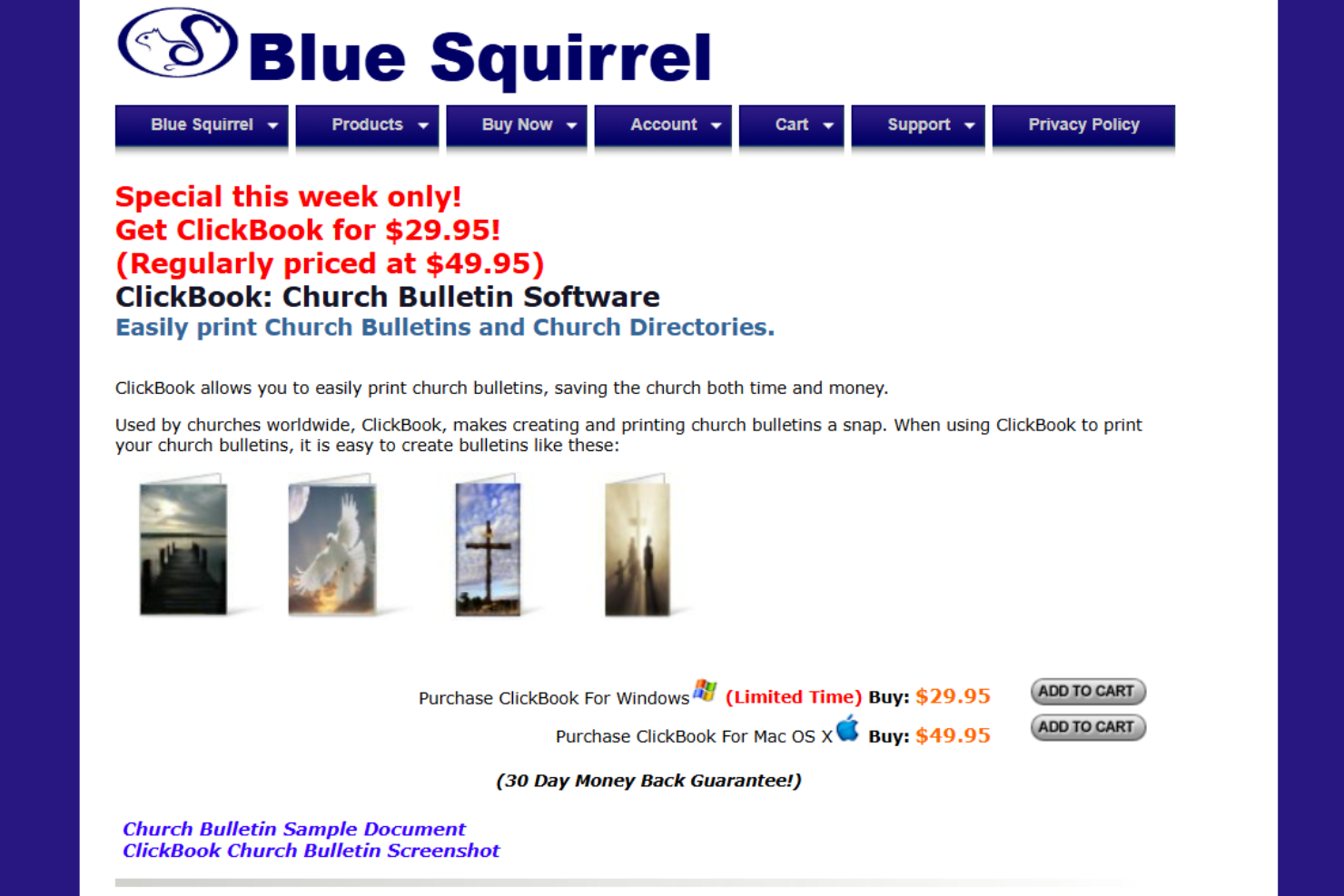
ClickBook è un'applicazione software desktop progettata per creare e stampare bollettini personalizzati per le chiese. Si rivolge agli amministratori parrocchiali che preferiscono un approccio diretto nella progettazione e stampa dei bollettini internamente.
Perché ho scelto ClickBook: Offre ampie opzioni di personalizzazione della stampa, rendendolo ideale per chi desidera adattare i propri bollettini a formati specifici. È possibile regolare layout e dimensioni delle pagine per soddisfare diverse esigenze di stampa. Il software consente di creare libretti, brochure e volantini, offrendo flessibilità nella presentazione. Nella mia esperienza, ClickBook semplifica il processo di stampa, permettendo di produrre bollettini di alta qualità con efficienza.
Funzionalità e integrazioni principali:
Funzionalità includono la possibilità di stampare in diversi formati come libretti e opuscoli, layout di pagina personalizzabili e la capacità di adattare i contenuti a vari formati di carta. È anche possibile creare copertine dall’aspetto professionale e inserire pagine aggiuntive per una finitura raffinata. Il software supporta la stampa fronte-retro, aiutando a risparmiare carta e risorse.
Integrazioni includono la compatibilità con la maggior parte delle stampanti e la stampa diretta dalle applicazioni più diffuse come Microsoft Word, Adobe Acrobat e Corel WordPerfect.
Pros and Cons
Pros:
- Stampa fronte-retro efficiente
- Compatibile con molte stampanti
- Stampa diretta dalle applicazioni
Cons:
- Richiede installazione su desktop
- Funzionalità online limitate

Bulletin Builder è un software per bollettini parrocchiali progettato specificamente per le chiese ortodosse. Permette agli utenti di creare bollettini dall'aspetto professionale con facilità, rivolgendosi agli amministratori di chiesa che necessitano di strumenti di comunicazione efficienti.
Perché ho scelto Bulletin Builder: Offre una particolare attenzione alle esigenze delle chiese ortodosse, che lo rende unico sul mercato. Lo strumento mette a disposizione modelli predefiniti dedicati alle liturgie ortodosse, risparmiando tempo. È possibile personalizzare il bollettino facilmente trascinando e rilasciando gli elementi. L'interfaccia intuitiva della piattaforma garantisce che il tuo team non abbia bisogno di competenze tecniche per iniziare.
Funzionalità e integrazioni di rilievo:
Funzionalità includono una libreria di modelli specifici per chiese ortodosse, una facile personalizzazione tramite trascinamento e rilascio, e opzioni per includere testi liturgici. È anche possibile aggiungere immagini personalizzate e annunci per soddisfare le necessità specifiche della tua parrocchia. Il design intuitivo garantisce la creazione rapida dei bollettini senza una lunga curva di apprendimento.
Integrazioni includono Google Calendar, Dropbox, Mailchimp, Facebook e Twitter.
Pros and Cons
Pros:
- Adatto ai servizi ortodossi
- Nessuna competenza tecnica richiesta
- Interfaccia facile da usare con trascinamento
Cons:
- Nessuna analisi avanzata
- Canali di supporto limitati


Jilster è una piattaforma online per creare e pubblicare riviste digitali e cartacee, inclusi i bollettini parrocchiali. È ideale per i gruppi parrocchiali che desiderano collaborare nella creazione e distribuzione dei bollettini.
Perché ho scelto Jilster: consente a più utenti di lavorare contemporaneamente sullo stesso bollettino, rendendolo perfetto per progetti collaborativi. Puoi assegnare ruoli diversi ai membri del team, assicurando che ognuno contribuisca in modo efficace. Lo strumento offre una gamma di modelli personalizzabili per adattarsi allo stile della tua chiesa. Con Jilster puoi facilmente passare dal formato digitale a quello stampato, offrendo flessibilità nel modo in cui condividi i bollettini.
Funzionalità principali & integrazioni:
Funzionalità includono una varietà di modelli personalizzabili, la possibilità di passare tra formato digitale e cartaceo e un accesso con ruoli differenziati per la collaborazione nel team. Puoi aggiungere elementi multimediali ai tuoi bollettini per renderli più coinvolgenti. La piattaforma consente inoltre una facile condivisione dei bollettini finiti attraverso diversi canali.
Integrazioni includono opzioni di condivisione via email, piattaforme social come Facebook e Twitter e incorporamento su siti web.
Pros and Cons
Pros:
- Supporta la collaborazione in team
- Assegnazione facile dei ruoli
- Passaggio semplice tra formati
Cons:
- Richiede apprendimento per i nuovi utenti
- Flessibilità di design limitata

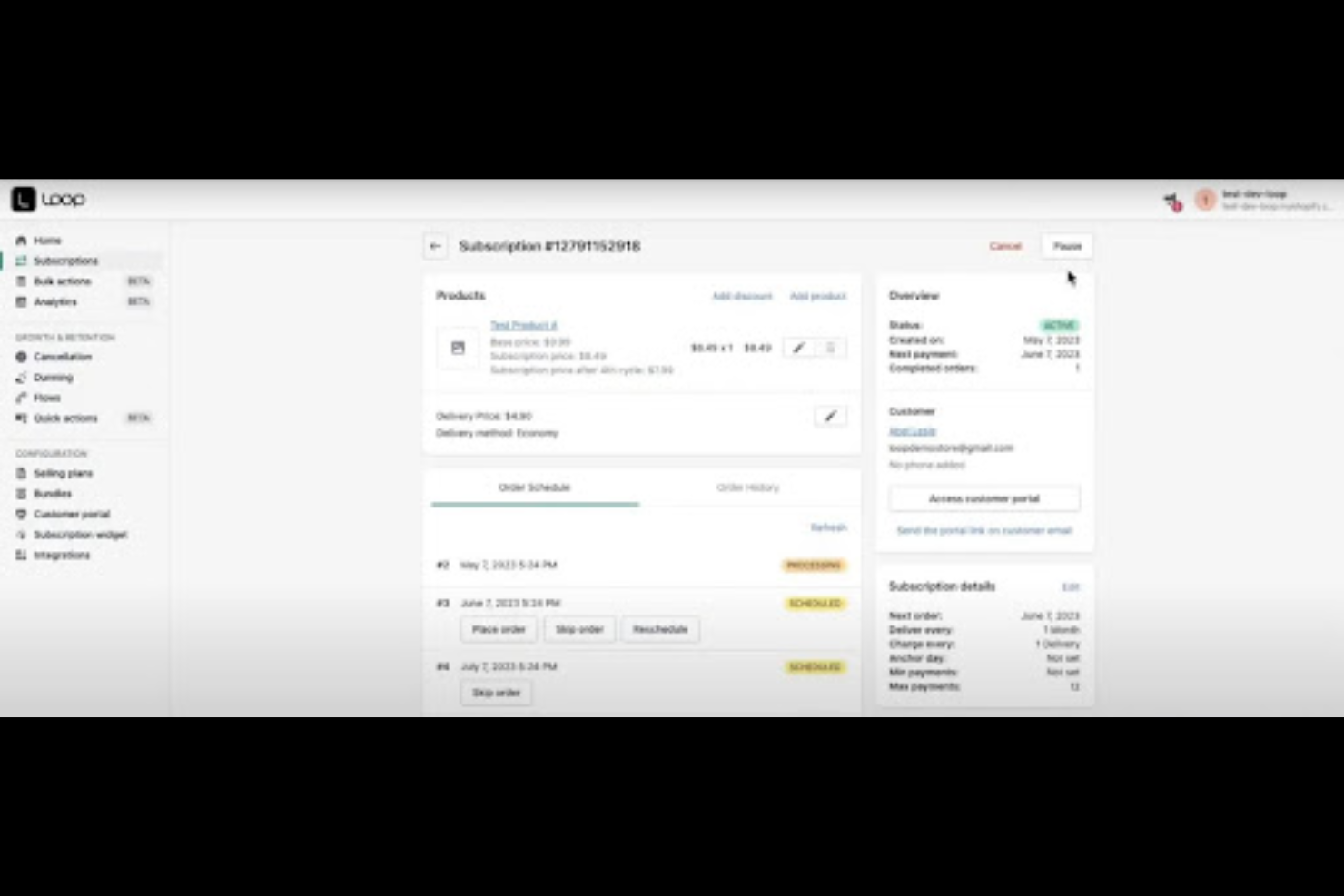
Loop Bulletin è un software per bollettini digitali progettato per le chiese che desiderano modernizzare la loro comunicazione. Si rivolge agli amministratori delle chiese che necessitano di un modo semplice per condividere informazioni con le loro congregazioni utilizzando piattaforme digitali.
Perché ho scelto Loop Bulletin: Eccelle nell'offrire display digitali, rendendolo ideale per le chiese che vogliono eliminare la carta. Puoi aggiornare il bollettino istantaneamente, assicurando che tutti abbiano sempre le informazioni più recenti. Lo strumento permette di condividere i bollettini via email, messaggi di testo o QR code, rendendoli accessibili a tutti. Con Loop Bulletin, risparmi tempo e denaro eliminando la necessità di stampare.
Funzionalità principali & integrazioni:
Funzionalità includono la possibilità di personalizzare i bollettini con sezioni trascinabili, l'anteprima in tempo reale delle modifiche e la programmazione di pubblicazioni future. Puoi aggiungere elementi come annunci, richieste di preghiera e informazioni sugli eventi per tenere aggiornata la tua congregazione. Lo strumento supporta anche le donazioni online e le schede di collegamento digitali.
Integrazioni includono Google Calendar, Mailchimp, Facebook, Twitter, YouTube, Vimeo e Instagram.
Pros and Cons
Pros:
- Aggiornamenti digitali istantanei
- Condivisione facile tramite QR code
- Nessuna app da scaricare
Cons:
- Accesso limitato offline
- Richiede la connessione a internet


bltn è un software per bollettini parrocchiali che consente di creare sia bollettini digitali che stampati. È rivolto agli amministratori di chiesa che desiderano uno strumento versatile per raggiungere la propria congregazione attraverso diversi canali.
Perché ho scelto bltn: È progettato per un facile accesso da dispositivi mobili, rendendo comodo per gli utenti creare e distribuire bollettini ovunque si trovino. Il builder drag-and-drop consente di personalizzare i bollettini con facilità, posizionando i contenuti esattamente dove si desidera. Si possono includere annunci, appunti per il sermone ed elementi multimediali dalla sua libreria di blocchi. Il design intuitivo della piattaforma garantisce che tu e il tuo team possiate imparare rapidamente a utilizzarla senza difficoltà.
Funzionalità e integrazioni principali:
Funzionalità includono un'interfaccia drag-and-drop intuitiva, la possibilità di creare sia bollettini digitali che stampati e un editor basato su blocchi per aggiungere contenuti di vario tipo. Puoi anche inviare newsletter via email e coinvolgere la congregazione tramite social media ed SMS broadcast. La piattaforma utilizza tecnologie moderne per garantire un'esperienza fluida.
Integrazioni includono Mailchimp, Facebook, Twitter, Instagram, Google Calendar, YouTube, Vimeo, Slack, Dropbox e LinkedIn.
Pros and Cons
Pros:
- Apprendimento rapido
- Personalizzazione drag-and-drop
- Varie opzioni di distribuzione
Cons:
- Funzionalità di analisi basilari
- Capacità offline limitate


BulletinPlus è un software per i bollettini delle chiese progettato per aiutare le comunità religiose a gestire e distribuire in modo efficiente le informazioni sugli eventi. È pensato per gli amministratori di chiesa che necessitano di un sistema affidabile per comunicare i dettagli degli eventi ai propri membri.
Perché ho scelto BulletinPlus: Si distingue per l'integrazione dei dettagli degli eventi direttamente nei bollettini, rendendo semplice tenere informata la congregazione. Puoi creare e condividere bollettini specifici per ogni evento, completi di opzioni RSVP. Lo strumento ti permette di personalizzare i layout in base alla brand identity della chiesa. BulletinPlus garantisce che il tuo team possa gestire la comunicazione degli eventi senza difficoltà, risparmiando tempo e fatica.
Funzionalità e integrazioni principali:
Funzionalità includono la possibilità di creare pagine evento personalizzate, l'integrazione con i calendari per la pianificazione e opzioni per inviare promemoria automatici. Puoi anche progettare bollettini con elementi interattivi come link RSVP e mappe. La piattaforma offre analisi per monitorare il coinvolgimento e la partecipazione.
Integrazioni disponibili con Google Calendar, Mailchimp, Facebook, Twitter, Instagram, YouTube, Vimeo, Dropbox, Slack e LinkedIn.
Pros and Cons
Pros:
- Integrazione degli eventi semplificata
- Layout dei bollettini personalizzabili
- Elementi interattivi disponibili
Cons:
- Flessibilità di design limitata
- Richiede internet per tutte le funzionalità
Altri Software per Bollettini Parrocchiali
u003cspan style=u0022font-weight: 400u0022u003eEcco alcune opzioni aggiuntive di software per bollettini parrocchiali che non sono entrate nella mia shortlist, ma che vale comunque la pena considerare:u003c/spanu003e
- Happybulletin
Ideale per chi cerca facilità d’uso
- Service Bulletin Builder
Ideale per la pianificazione dei servizi


Come valuto il software per il bollettino della chiesa
Il software per il bollettino della chiesa si occupa di tutto, dalla stampa di un ordine di servizio a tre ante all'invio di un bollettino digitale cliccabile con un pulsante per le donazioni, tutto su una scadenza settimanale che non aspetta nessuno. Quando valuto gli strumenti in questa categoria, cerco uno standard minimo che ogni scelta deve soddisfare, poi considero i fattori che differenziano una soluzione e la rendono più adatta di un'altra.
Funzionalità di base (requisiti indispensabili per questa lista)
Per il software del bollettino della chiesa, le funzionalità di base che valuto sono:
- Modelli di bollettino: Cerco layout specifici per le chiese, come i formati a due o tre ante, con sezioni preimpostate per l'ordine del servizio, gli annunci e le richieste di preghiera.
- Modifica visiva: Gli editor drag-and-drop o WYSIWYG sono importanti perché di solito sono i volontari, e non i designer, a costruire il bollettino ogni settimana.
- Distribuzione digitale: Verifico se lo strumento può condividere i bollettini via email, SMS, codice QR o un link permanente che i fedeli possono consultare sui loro telefoni durante il servizio.
- Esportazione pronta per la stampa: Anche gli strumenti nativi digitali devono produrre un PDF pulito. Molte congregazioni distribuiscono ancora bollettini stampati, quindi valuto la qualità dell'output e le opzioni di formato.
- Programmazione e pubblicazione: Le scadenze settimanali sono implacabili. Cerco la possibilità di preparare i bollettini con giorni di anticipo e di programmarne la pubblicazione automatica prima della domenica.
- Aggiornamenti in tempo reale: Le modifiche dell'ultimo minuto sono all'ordine del giorno. Lo strumento dovrebbe permettere di modificare un bollettino digitale pubblicato e far sì che queste modifiche si riflettano immediatamente per i lettori.
- Personalizzazione dell'identità visiva della chiesa: Ogni chiesa ha la propria identità grafica. Valuto quanto controllo hai su colori, font, loghi e immagini per rispecchiare lo stile della tua congregazione.
- Visualizzazione ottimizzata per dispositivi mobili: La maggior parte dei fedeli apre i bollettini digitali sui propri telefoni, quindi il risultato finale deve essere ben visualizzabile su qualsiasi dimensione di schermo senza bisogno di pizzicare o zoomare.
Uno strumento deve offrire la maggior parte di queste funzionalità per meritare un posto nella lista. Da qui, considero cosa distingue ogni strumento dalla concorrenza.
Funzionalità distintive (ciò che distingue le scelte)
Considero quanto profondamente ogni strumento si integri con sistemi di gestione della chiesa e piattaforme di donazione online: poter inserire eventi o collegare link per le offerte può fare una grande differenza per le squadre ministeriali più impegnate. Alcuni fornitori offrono analisi automatiche che mostrano visualizzazioni, clic e coinvolgimento dei lettori, aiutando i responsabili a capire cosa coinvolge davvero la propria comunità. In alcuni casi, verifico la presenza di modelli specifici per denominazione o il supporto completo alla liturgia, particolarmente preziosi per le chiese con formati di servizio complessi o calendari liturgici tradizionali.
Cosa valuto oltre le funzionalità
Il prezzo conta molto qui perché le chiese si basano sulle donazioni. Valuto se esistano versioni gratuite o sconti per enti non profit e presto attenzione a costi nascosti come commissioni per messaggi o limiti massimi di iscritti. La facilità per i volontari è un altro fattore importante: se un nuovo volontario non riesce a capire il funzionamento dello strumento in una sola seduta, causerà problemi ogni volta che qualcuno lascia il team bollettini. Considero anche se uno strumento si adatta sia a piccole chiese che gestiscono tutto da sole sia a grandi congregazioni che usano già piattaforme come Planning Center o Tithely.
Come Scegliere un Software per Bollettini Parrocchiali
È facile perdersi tra lunghe liste di funzionalità e strutture di prezzo complesse. Per aiutarti a rimanere concentrato durante il percorso di selezione del software più adatto alle tue esigenze, ecco una checklist dei fattori da tenere presente:
| Fattore | Cosa Considerare |
| Scalabilità | Il software crescerà con la tua chiesa? Valuta l'espansione futura e se lo strumento può gestire un volume o una complessità maggiori man mano che la congregazione cresce. |
| Integrazioni | Si collega con i sistemi esistenti? Verifica se supporta l'integrazione con il software di gestione della chiesa, servizi e-mail o piattaforme social. |
| Personalizzazione | Puoi adattarlo alle tue esigenze? Cerca opzioni per modificare modelli, layout e branding per riflettere lo stile e il messaggio unici della tua chiesa. |
| Facilità d'uso | È intuitivo per il tuo team? Valuta l'interfaccia e chiediti se i membri della squadra con diversi livelli di abilità tecnica possono utilizzarlo efficacemente. |
| Implementazione e onboarding | Quanto è fluida la transizione? Esamina le risorse disponibili per l'onboarding, come tutorial e supporto, e considera il tempo necessario per implementare completamente il software. |
| Costo | È in linea con il tuo budget? Confronta i piani tariffari, presta attenzione a costi nascosti e verifica se il software offre sconti per enti non profit come le chiese. |
| Tutele di sicurezza | Quanto sono sicuri i tuoi dati? Verifica standard di crittografia, routine di backup e controlli di accesso per proteggere informazioni sensibili relative alla congregazione. |
| Disponibilità del supporto | L’assistenza è accessibile quando necessario? Conferma la disponibilità del supporto clienti, come servizio 24/7, live chat o account manager dedicati. |
Che cos'è un software per bollettini parrocchiali?
Il software per bollettini parrocchiali è uno strumento che aiuta le chiese a creare e distribuire bollettini ai membri della comunità. Amministratori e volontari della chiesa utilizzano solitamente questi strumenti per gestire e condividere informazioni importanti in modo efficiente. Modelli personalizzabili, opzioni di condivisione digitale e funzionalità di integrazione consentono di realizzare bollettini coinvolgenti, raggiungendo tutti in modo efficace. Questi strumenti fanno risparmiare tempo e assicurano una comunicazione chiara all’interno della comunità ecclesiale.
Funzionalità del software per bollettini parrocchiali
Quando scegli un software per bollettini parrocchiali, fai attenzione alle seguenti funzionalità chiave:
- Modelli personalizzabili: Ti permette di personalizzare i bollettini per adattarli all'immagine e allo stile della tua chiesa, garantendo un aspetto coerente.
- Opzioni di condivisione digitale: Consente di distribuire i bollettini tramite e-mail, social media o codici QR, facilitando la comunicazione con la congregazione.
- Funzionalità di integrazione: Si collega ad altri sistemi e strumenti di gestione parrocchiale, snellendo i processi di comunicazione e raccolta dati.
- Accesso da dispositivi mobili: Permette di creare e modificare i bollettini anche in movimento, offrendo flessibilità a staff e volontari impegnati.
- Collaborazione in tempo reale: Favorisce il lavoro di squadra consentendo a più utenti di lavorare contemporaneamente sui bollettini, aumentando la produttività.
- Opzioni di stampa: Supporta diversi formati di stampa, permettendo anche la produzione di copie cartacee per chi le preferisce.
- Analisi e tracciamento: Fornisce informazioni su come vengono visualizzati e utilizzati i bollettini, aiutandoti a migliorare la strategia di comunicazione.
- Tutele di sicurezza: Protegge le informazioni sensibili della chiesa mediante crittografia e controlli di accesso, garantendo la sicurezza dei dati.
- Pianificazione automatica: Ti permette di programmare e pubblicare i bollettini in orari specifici, riducendo il lavoro manuale.
- Interfaccia intuitiva: Garantisce facilità d’uso per i membri del team con diversi livelli di competenza tecnica, riducendo la curva di apprendimento.
Vantaggi del software per bollettini parrocchiali
L’implementazione di un software per bollettini in chiesa offre numerosi vantaggi per il tuo team e la tua organizzazione. Ecco alcuni benefici a cui puoi aspirare:
- Comunicazione migliorata: Facilita la condivisione di informazioni tramite bollettini digitali e cartacei, assicurando che tutti siano aggiornati.
- Risparmio di tempo: Automatizza attività come la programmazione e la distribuzione, liberando il tuo team per altre responsabilità.
- Collaborazione potenziata: Supporta la collaborazione in tempo reale, permettendo a più utenti di partecipare simultaneamente alla creazione dei bollettini.
- Efficienza nei costi: Riduce la necessità di materiale stampato grazie alla distribuzione digitale, risparmiando sui costi di stampa.
- Maggiore coinvolgimento: Coinvolge la congregazione con contenuti multimediali ed elementi interattivi, rendendo i bollettini più accattivanti.
- Sicurezza dei dati: Protegge le informazioni sensibili grazie a solide misure di sicurezza, garantendo tranquillità.
- Branding personalizzato: Consente di utilizzare modelli personalizzati che riflettono l’identità unica della chiesa, mantenendo coerenza di immagine.
Costi e prezzi del software per bollettini parrocchiali
La scelta del software per il bollettino parrocchiale richiede la comprensione dei diversi modelli di prezzo e dei piani disponibili. I costi variano in base alle funzionalità, alla dimensione del team, agli add-on e ad altri fattori. La tabella seguente riassume i piani più comuni, i loro prezzi medi e le caratteristiche tipiche incluse nelle soluzioni di software per bollettini parrocchiali:
Tabella di Confronto dei Piani per Software di Bollettini Parrocchiali
| Tipo di Piano | Prezzo Medio | Funzionalità Comuni |
| Piano Gratuito | $0 | Modelli base, personalizzazione limitata e opzioni di condivisione basilari. |
| Piano Personale | $5-$25/user/month | Modelli personalizzabili, opzioni di condivisione digitale e analisi di base. |
| Piano Business | $30-$50/user/month | Personalizzazione avanzata, capacità di integrazione e collaborazione in tempo reale. |
| Piano Enterprise | $60-$100/user/month | Personalizzazione completa, supporto dedicato e analisi e sicurezza complete. |
FAQ sul Software per Bollettini Parrocchiali
u003cspan style=u0022font-weight: 400u0022u003eEcco alcune risposte alle domande più comuni sul software per bollettini parrocchiali:u003c/spanu003e
Come possono i fedeli accedere a un bollettino parrocchiale digitale?
u003cspan style=u0022font-weight: 400u0022u003eI fedeli possono accedere ai bollettini parrocchiali digitali tramite smartphone, tablet o computer. Ricevono i bollettini via email, messaggi di testo o scannerizzando codici QR in chiesa. Questo metodo garantisce a tutti, sia in presenza che online, di avere gli ultimi aggiornamenti.u003c/spanu003e
Posso aggiornare i bollettini in tempo reale?
u003cspan style=u0022font-weight: 400u0022u003eSì, molte soluzioni di software per bollettini parrocchiali permettono di aggiornare i bollettini in tempo reale. Questa funzione assicura che eventuali cambiamenti o nuovi annunci siano subito visibili, informando tempestivamente i fedeli con le informazioni più recenti.u003c/spanu003e
Come migliorano il coinvolgimento le funzionalità interattive?
u003cspan style=u0022font-weight: 400u0022u003eFunzionalità interattive come link cliccabili, video ed elementi multimediali aumentano il coinvolgimento rendendo i bollettini più dinamici e interessanti. Questi elementi invogliano i fedeli ad approfondire i contenuti e a rimanere connessi con la comunità parrocchiale.u003c/spanu003e
Quali sono i vantaggi economici dei bollettini digitali?
u003cspan style=u0022font-weight: 400u0022u003eI bollettini digitali consentono di risparmiare sui costi riducendo la necessità di carta, stampa e distribuzione. Inoltre, offrono scalabilità senza spese aggiuntive, permettendo di raggiungere più persone in modo efficiente. Nel tempo, questi risparmi possono essere significativi per il budget delle parrocchie.u003c/spanu003e
Quanto sono sicuri i dati nei software per bollettini parrocchiali?
u003cspan style=u0022font-weight: 400u0022u003eI software per bollettini parrocchiali includono tipicamente misure di sicurezza come la crittografia e i controlli sugli accessi per proteggere le informazioni sensibili. È importante verificare queste funzioni per garantire che i dati della comunità rimangano protetti da accessi non autorizzati.u003c/spanu003e
Quali opzioni di supporto sono disponibili con questi strumenti?
u003cspan style=u0022font-weight: 400u0022u003eLa maggior parte dei fornitori di software per bollettini parrocchiali offre diverse opzioni di supporto, tra cui live chat, email, assistenza telefonica e un’ampia gamma di risorse online. Queste opzioni assicurano che tu e il tuo team possiate risolvere rapidamente qualsiasi problema e continuare a utilizzare efficacemente il software.u003c/spanu003e
Cosa succede dopo:
Se stai cercando un software per il bollettino parrocchiale, contatta un consulente SoftwareSelect per ricevere gratuitamente raccomandazioni personalizzate.
Compili un modulo e fai una breve chiacchierata dove approfondiscono le tue esigenze. Riceverai quindi una lista ristretta di software da valutare. Ti supporteranno anche durante tutto il processo d'acquisto, incluse eventuali negoziazioni di prezzo.