

10 migliori software per elenchi della chiesa recensiti nel 2026

Elenco ristretto dei migliori software per directory della chiesa


Gestire una comunità ecclesiale presenta una serie di sfide specifiche. Dal tenere traccia dei membri al coordinamento degli eventi, gli impegni da gestire sono numerosi. I software per directory della chiesa possono aiutarti a gestire queste attività in modo più efficiente, facendoti risparmiare tempo e riducendo lo stress.
Nella mia esperienza, questi strumenti offrono un modo per organizzare le informazioni sui membri e migliorare la comunicazione all'interno della congregazione. Semplificano il processo di connessione con la comunità, permettendoti di concentrarti su ciò che conta davvero.
Ho testato e recensito diverse soluzioni e condividerò le mie migliori scelte. Troverai valutazioni imparziali di ciò che offre ciascun software, così potrai scegliere quello più adatto al tuo team. Esaminiamo le opzioni che possono rendere un po' più semplici le tue attività di gestione della chiesa.
Perché fidarsi dei nostri consigli sui software
Il nostro team testa e recensisce software dal 2012. In quanto leader ecclesiastici noi stessi, sappiamo quanto sia difficile — e importante — scegliere il software giusto.
Per questa guida, abbiamo valutato gli strumenti attraverso test pratici e ricerche indipendenti, assegnando un punteggio agli strumenti in base ai nostri criteri di selezione.
Le nostre recensioni riflettono il nostro giudizio editoriale umano, non un discorso di vendita.
Riepilogo dei migliori software per directory della chiesa
Questa tabella comparativa riassume i dettagli dei prezzi delle mie migliori selezioni di software per directory della chiesa, per aiutarti a trovare quello più adatto al tuo budget e alle esigenze della tua organizzazione.
| Tool | Best For | Trial Info | Price | ||
|---|---|---|---|---|---|
| 1 | Ideale per la gestione degli eventi | Piano gratuito disponibile | Da $12/mese (fatturato mensilmente) | Website | |
| 2 | Ideale per portali personalizzati per le chiese | Piano gratuito disponibile | Da $19/mese | Website | |
| 3 | Ideale per la facilità d'uso | Demo gratuita disponibile | Da $72/mese | Website | |
| 4 | Ideale per la pianificazione delle celebrazioni | Prova gratuita di 30 giorni disponibile | Da $15/mese | Website | |
| 5 | Ideale per interfaccia intuitiva | Prova gratuita di 30 giorni | A partire da $9.99/mese | Website | |
| 6 | Ideale per opzioni personalizzabili | Prova gratuita disponibile | Da $114/anno | Website | |
| 7 | Ideale per funzionalità integrate nel sito web | Prova gratuita disponibile | Da $71/mese | Website | |
| 8 | Ideale per accesso da dispositivi mobili | Prova gratuita di 30 giorni + piano gratuito + demo gratuita disponibile | Da $19/mese (fatturazione annuale) | Website | |
| 9 | Ideale per una configurazione semplice | Prova gratuita di 30 giorni | Da $9/mese | Website | |
| 10 | Ideale per piccole congregazioni | Prova gratuita di 30 giorni | Da $10.99/mese | Website |
Recensione dei migliori software per directory della chiesa
Di seguito trovi i miei riepiloghi dettagliati dei migliori software per directory della chiesa inclusi nel mio elenco ristretto. Le mie recensioni offrono uno sguardo approfondito alle funzionalità principali, ai vantaggi e agli svantaggi, alle integrazioni e ai casi d’uso ideali di ogni strumento, per aiutarti a trovare quello più adatto a te.

Ideale per la gestione degli eventi
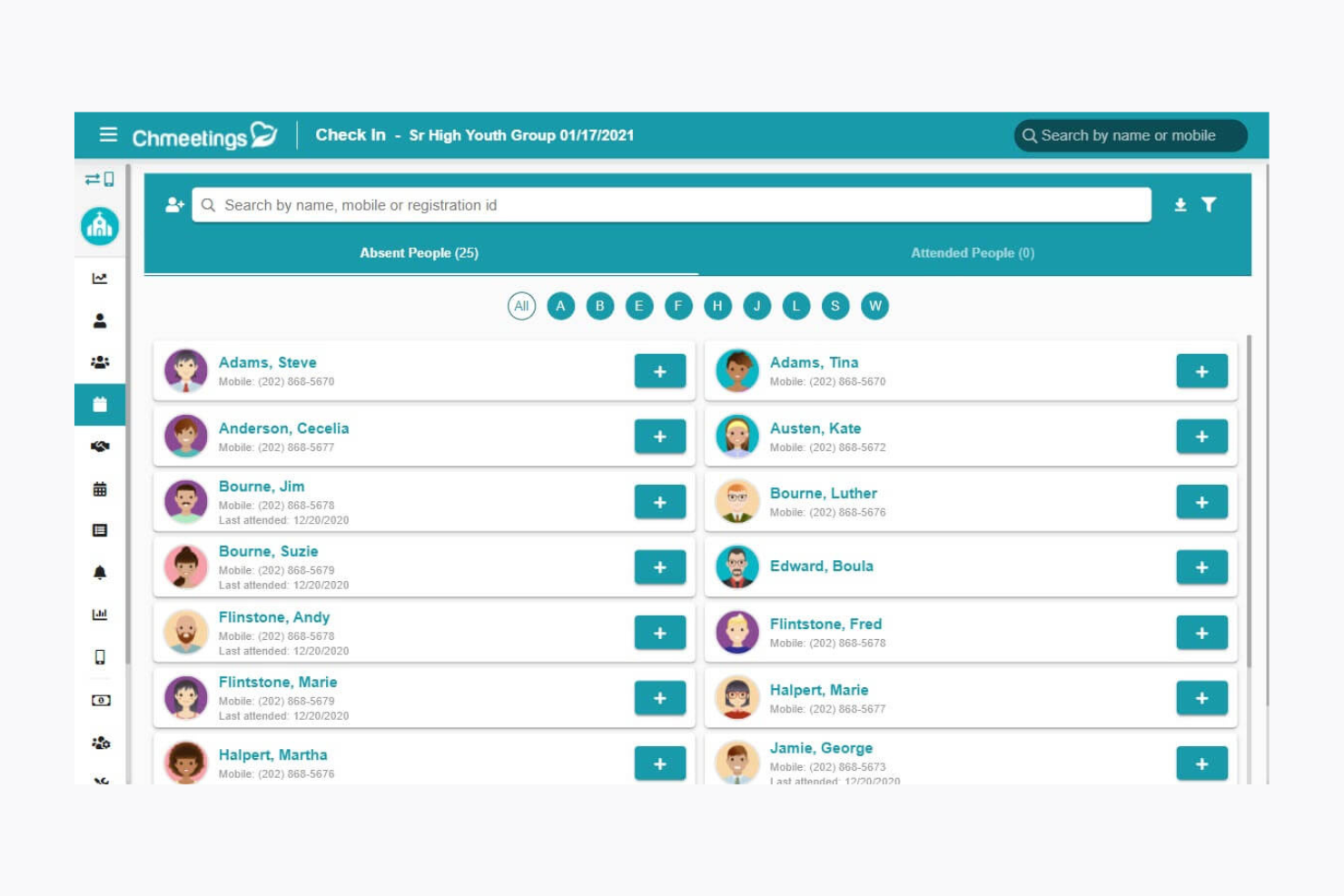
ChMeetings è un software di gestione parrocchiale progettato per organizzare e gestire eventi e dati dei membri della chiesa. I principali utenti sono i responsabili e gli amministratori della chiesa che necessitano di un modo efficiente per supervisionare la pianificazione degli eventi e i registri dei membri. Il software fornisce strumenti per la programmazione, la comunicazione e il monitoraggio dei membri.
Perché ho scelto ChMeetings: ChMeetings rende la pianificazione degli eventi semplice grazie a strumenti che ti aiutano a programmare e inviare aggiornamenti ai partecipanti. Si possono monitorare i membri in modo dettagliato, facilitando l’organizzazione di gruppi e attività. L’interfaccia è facile da usare, così il tuo team non avrà difficoltà a iniziare.
Caratteristiche principali e integrazioni:
Funzionalità includono promemoria automatici che tengono informata la congregazione sui prossimi eventi. La funzionalità di directory dei membri consente un facile accesso alle informazioni di contatto e una gestione semplice dei gruppi. È anche possibile creare report personalizzati per ottenere informazioni sulle attività e la partecipazione della chiesa.
Integrazioni includono Mailchimp, Google Calendar, Microsoft Outlook, Slack, Zoom, Facebook, Twitter, Instagram, QuickBooks e Dropbox.
Pros and Cons
Pros:
- Pianificazione efficiente degli eventi
- Promemoria automatici
- Monitoraggio dettagliato dei membri
Cons:
- Opzioni di personalizzazione limitate
- Strumenti di analisi di base
New Product Updates from ChMeetings

ChMeetings Improves Reconciliation and Adds Fund By Month Report
ChMeetings adds a direct Reconcile button, improved save-for-later support, and a new Fund By Month report. These updates make reconciliation easier to resume and give teams clearer month-by-month fund visibility. For more information, visit ChMeetings’ official site.
 .
.
Gracely
Ideale per portali personalizzati per le chiese
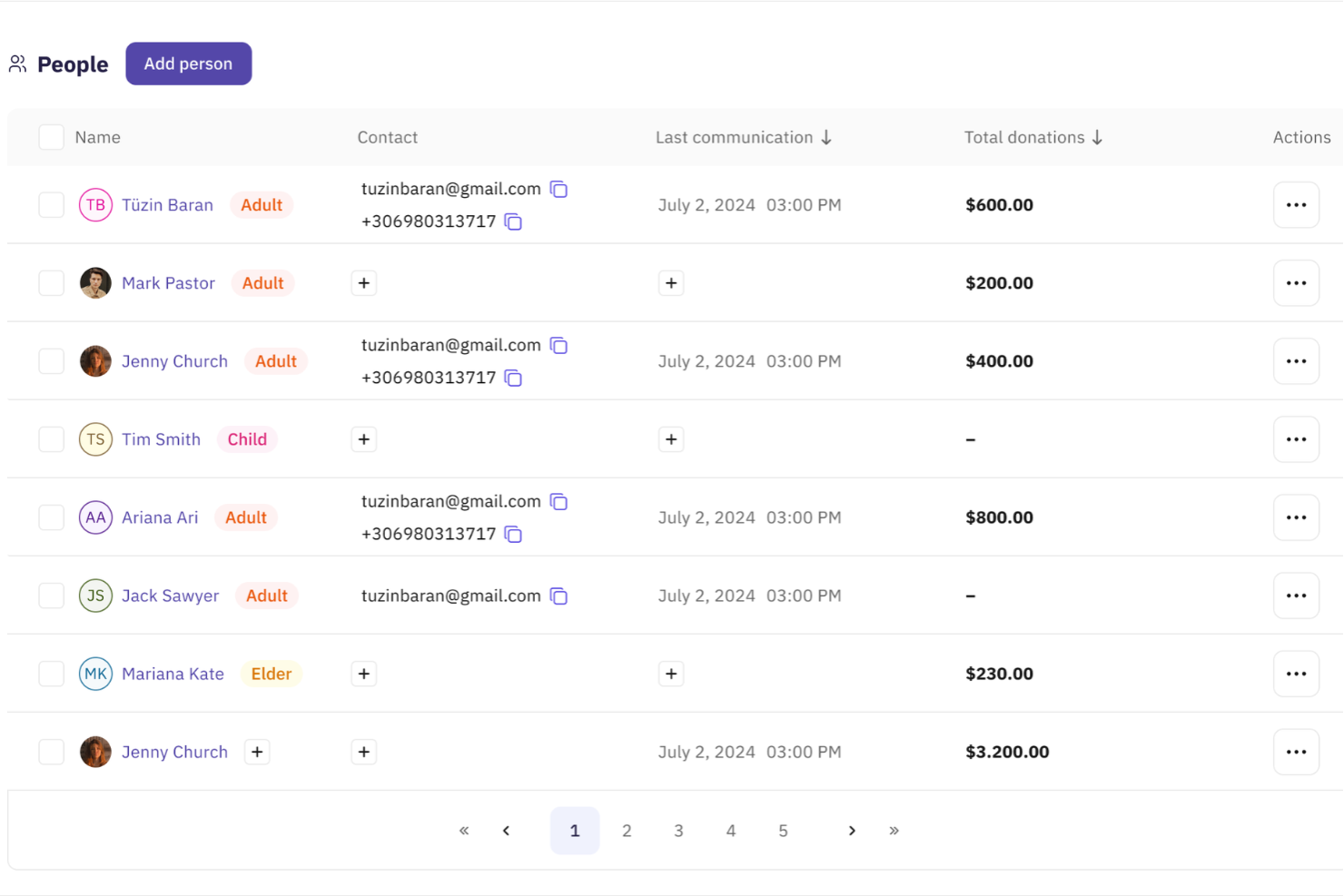
Gracely è un software di gestione e directory per chiese progettato per aiutarti a soddisfare le diverse esigenze della tua congregazione. Offre una suite completa di strumenti per gestire tutto, dall'elenco dei membri e l'organizzazione dei gruppi al monitoraggio finanziario e alla pianificazione degli eventi.
Perché ho scelto Gracely: Ho scelto Gracely per le sue solide funzionalità di gestione degli elenchi e delle persone, che rendono facile organizzare i profili dei membri, tenere traccia delle presenze e gestire i piccoli gruppi. Il suo portale personalizzato per la chiesa permette ai membri di aggiornare i propri dati, iscriversi agli eventi e visualizzare la cronologia delle donazioni, contribuendo a rafforzare il senso di comunità. Oltre a queste capacità, Gracely semplifica le donazioni con pagamenti online sicuri e offre strumenti finanziari avanzati per il monitoraggio dei contributi e delle spese.
Caratteristiche principali e integrazioni:
Le funzionalità includono un portale personalizzato per la chiesa, report contabili e finanziari e trasferimento dati gratuito. Il portale consente ai membri di aggiornare il proprio profilo, visualizzare la cronologia delle donazioni e iscriversi agli eventi, incentivando il senso di comunità. I report contabili e finanziari semplificano la gestione economica monitorando entrate e spese, mentre il trasferimento dati gratuito assicura una migrazione facile verso Gracely, permettendoti di iniziare senza intoppi.
Le integrazioni al momento non sono elencate da Gracely.
Pros and Cons
Pros:
- Piano gratuito disponibile
- Strumenti integrati per donazioni ricorrenti e monitoraggio eventi
- Consente di monitorare i profili dei membri, la partecipazione agli eventi e le donazioni
Cons:
- L'assenza di funzionalità contabili integrate potrebbe richiedere strumenti aggiuntivi per la gestione finanziaria
- Mancano funzionalità di analisi avanzata per report dettagliati
New Product Updates from Gracely

Gracely Rebuilds Accounting for Church Finance Management
Gracely rebuilds Accounting with fund tracking, income and expenses, transfers, reports, and exports. This gives churches a more complete way to manage finances in one place. For more information, visit Gracely’s official site.
 .
.
Ideale per la facilità d'uso
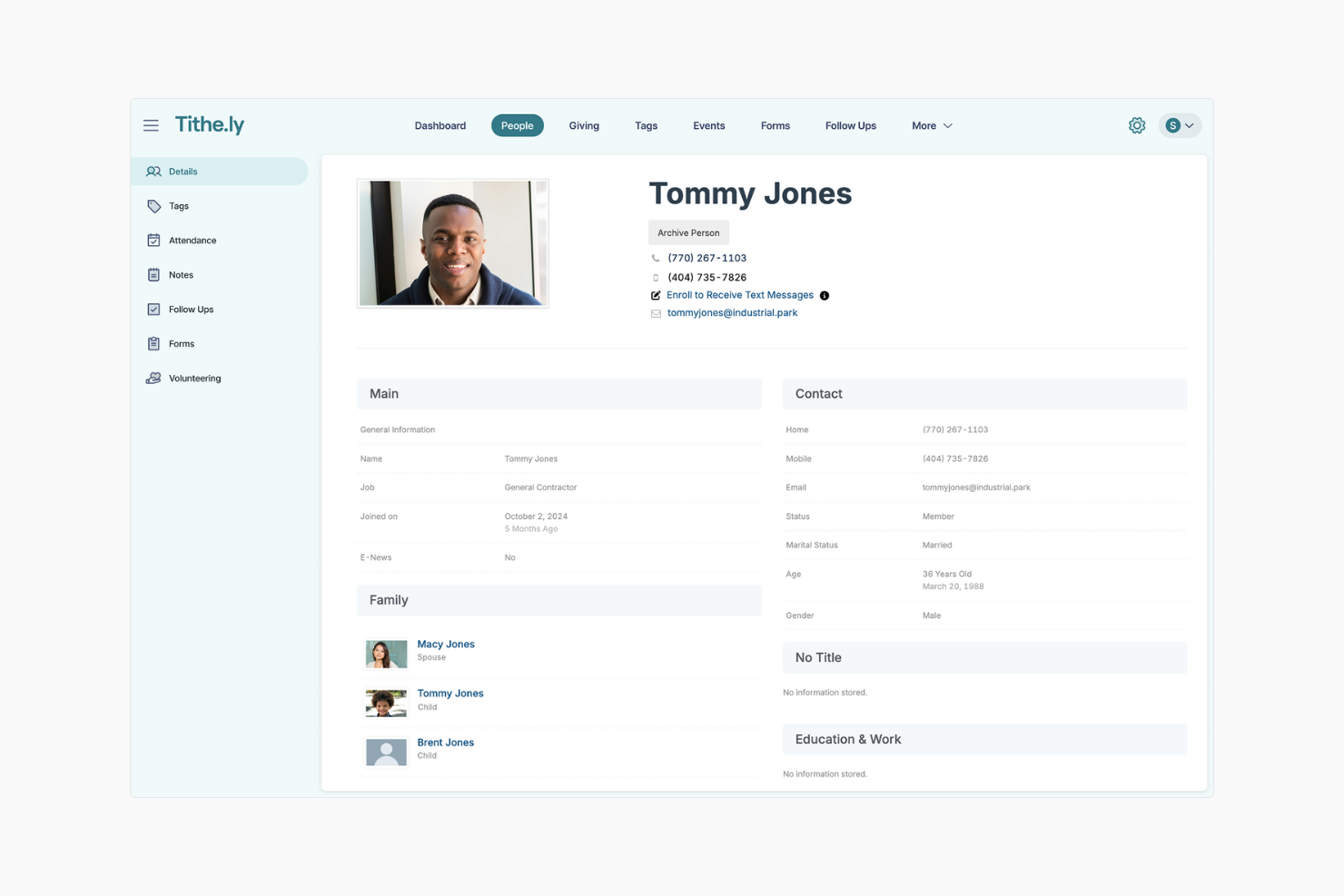
Breeze ChMS è un software di gestione per chiese progettato per comunità di qualsiasi dimensione, utile per gestire gli elenchi, le donazioni e gli eventi. È utilizzato principalmente dallo staff e dagli amministratori delle chiese che hanno bisogno di uno strumento semplice per gestire le operazioni quotidiane. Il software include strumenti per il monitoraggio dei membri, la programmazione degli eventi e la gestione delle finanze.
Perché ho scelto Breeze ChMS: Breeze ChMS è facile da usare, anche se tu o il tuo team non siete esperti di tecnologia. Puoi gestire facilmente le informazioni dei membri e tenere traccia delle donazioni senza difficoltà. Gli strumenti per gli eventi semplificano la pianificazione delle attività della chiesa. Inoltre, hai a disposizione report chiari per monitorare l’andamento della comunità e delle sue finanze.
Funzionalità e integrazioni principali:
Funzionalità includono profili membri personalizzabili che permettono di registrare informazioni dettagliate. La funzione di monitoraggio delle donazioni garantisce trasparenza nella gestione finanziaria. È inoltre disponibile uno strumento per registrare la partecipazione agli eventi in modo efficace.
Integrazioni includono Mailchimp, QuickBooks, Google Calendar, Planning Center, Slack, Zoom, Facebook, Twitter, Instagram e Dropbox.
Pros and Cons
Pros:
- Interfaccia intuitiva
- Gestione dei membri efficiente
- Monitoraggio finanziario semplice
Cons:
- Personalizzazione avanzata limitata
- Strumenti di analisi basilari

Ideale per la pianificazione delle celebrazioni
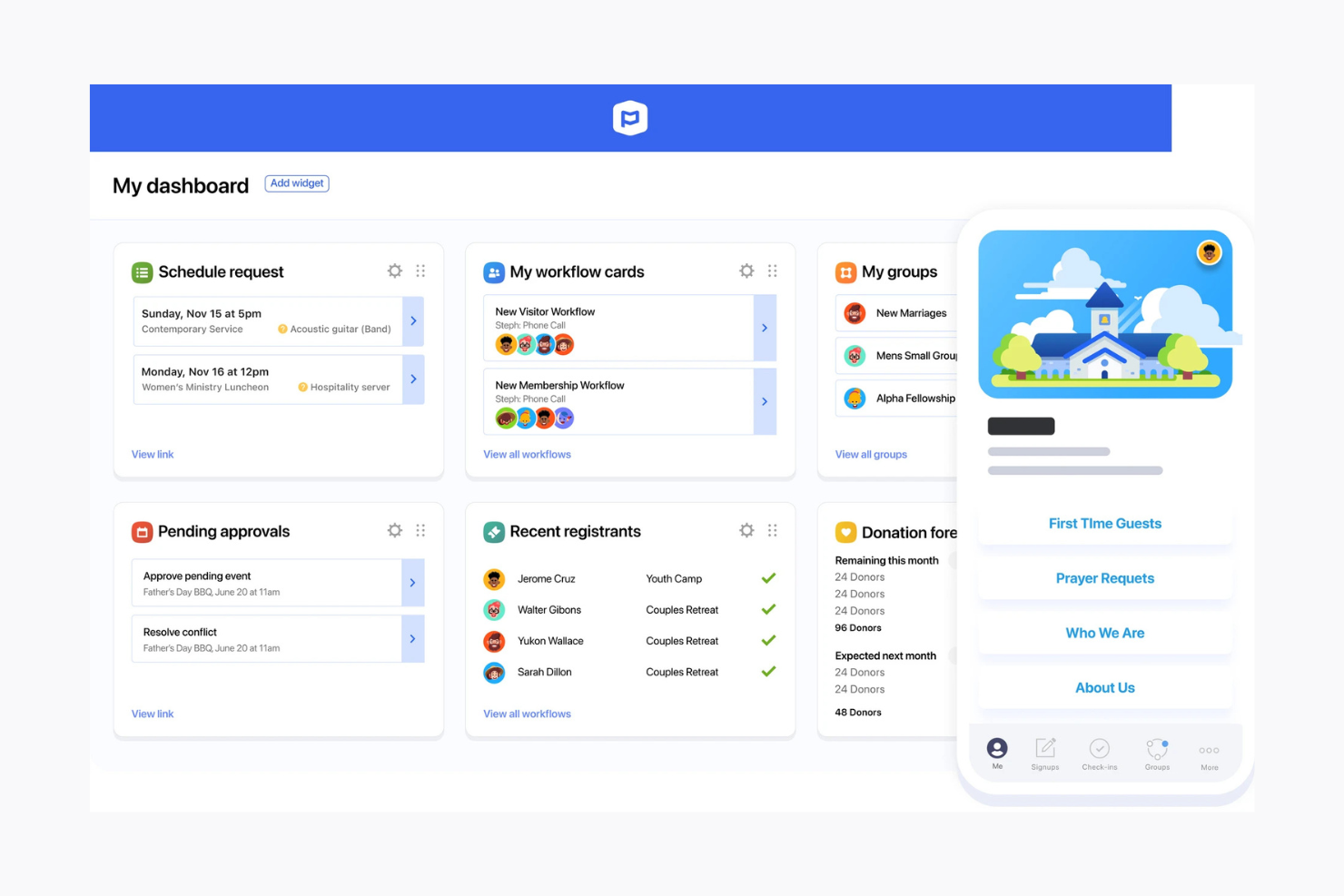
Planning Center è un software di gestione parrocchiale creato per aiutare le chiese a gestire le operazioni quotidiane, in particolare la pianificazione del culto e la gestione dei membri. È principalmente utilizzato dai responsabili di chiesa e dai team di culto che hanno bisogno di strumenti per organizzare i servizi e gestire le informazioni sui membri. La piattaforma supporta la pianificazione, la comunicazione e la gestione delle risorse della chiesa.
Perché ho scelto Planning Center: Planning Center offre potenti strumenti per la pianificazione del culto che ti aiutano a organizzare i servizi e gestire il tuo team di adorazione. Puoi pianificare i volontari, organizzare i dettagli dei servizi e tenere traccia dei brani tutto in un unico posto. Gli strumenti di comunicazione integrati mantengono aggiornato tutto il team. Puoi anche adattare i flussi di lavoro alle modalità operative della tua chiesa.
Funzionalità e integrazioni principali:
Funzionalità includono strumenti per la gestione delle risorse che ti aiutano ad assegnare e monitorare i beni della chiesa. La funzione di monitoraggio delle presenze offre una panoramica della partecipazione ai servizi. Puoi anche utilizzare gli strumenti di gestione dei gruppi per organizzare e comunicare efficacemente con i diversi team ministeriali.
Integrazioni incluse: Mailchimp, Google Calendar, Microsoft Outlook, Slack, Zoom, Facebook, Twitter, Instagram, QuickBooks e Dropbox.
Pros and Cons
Pros:
- Strumenti completi per la pianificazione del culto
- Opzioni di pianificazione flessibili
- Gestione dettagliata delle risorse
Cons:
- Analisi avanzate limitate
- Strumenti di reportistica basilari

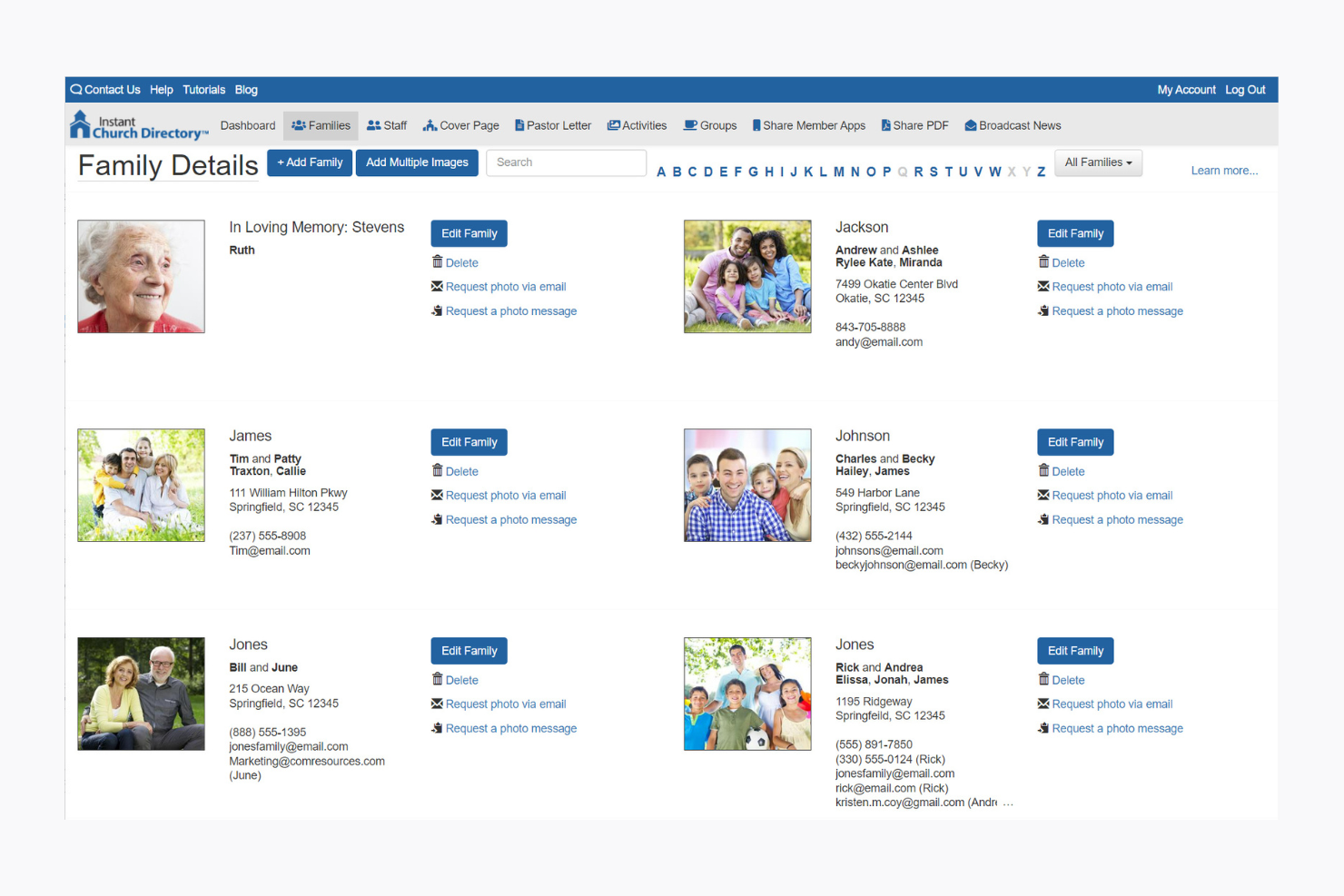
Instant Church Directory è uno strumento online che aiuta le chiese a creare e gestire elenchi fotografici dei membri. È pensato per gli amministratori e i membri delle chiese che necessitano di un accesso rapido a dettagli di contatto sempre aggiornati. La piattaforma supporta aggiornamenti in tempo reale e offre sia versioni digitali che stampabili dell'elenco dei membri.
Perché ho scelto Instant Church Directory: L'interfaccia di Instant Church Directory è semplice, quindi sia tu che il tuo team potete aggiornare le informazioni senza confusione. L'app mobile mantiene tutto sincronizzato, così tutti vedono sempre i dati più recenti. Puoi modificare il layout per adattarlo allo stile della tua chiesa. La piattaforma mantiene inoltre le informazioni dei membri private e sicure.
Caratteristiche e integrazioni principali:
Caratteristiche includono un facile inserimento delle informazioni dei membri, con aggiornamenti sincronizzati tra dispositivi per un'accuratezza in tempo reale. Puoi gestire i gruppi della chiesa, monitorare compleanni e anniversari ed esportare dati per etichette postali. Le opzioni di personalizzazione per il design dell'elenco ti permettono di personalizzarne l'aspetto e la struttura.
Integrazioni includono Mailchimp, Google Calendar, Microsoft Outlook, Slack, Zoom, Facebook, Twitter, Instagram, QuickBooks e Dropbox.
Pros and Cons
Pros:
- Interfaccia intuitiva
- Aggiornamenti in tempo reale
- Layout personalizzabili
Cons:
- Funzionalità avanzate limitate
- Nessuna integrazione con gestione delle buste paga

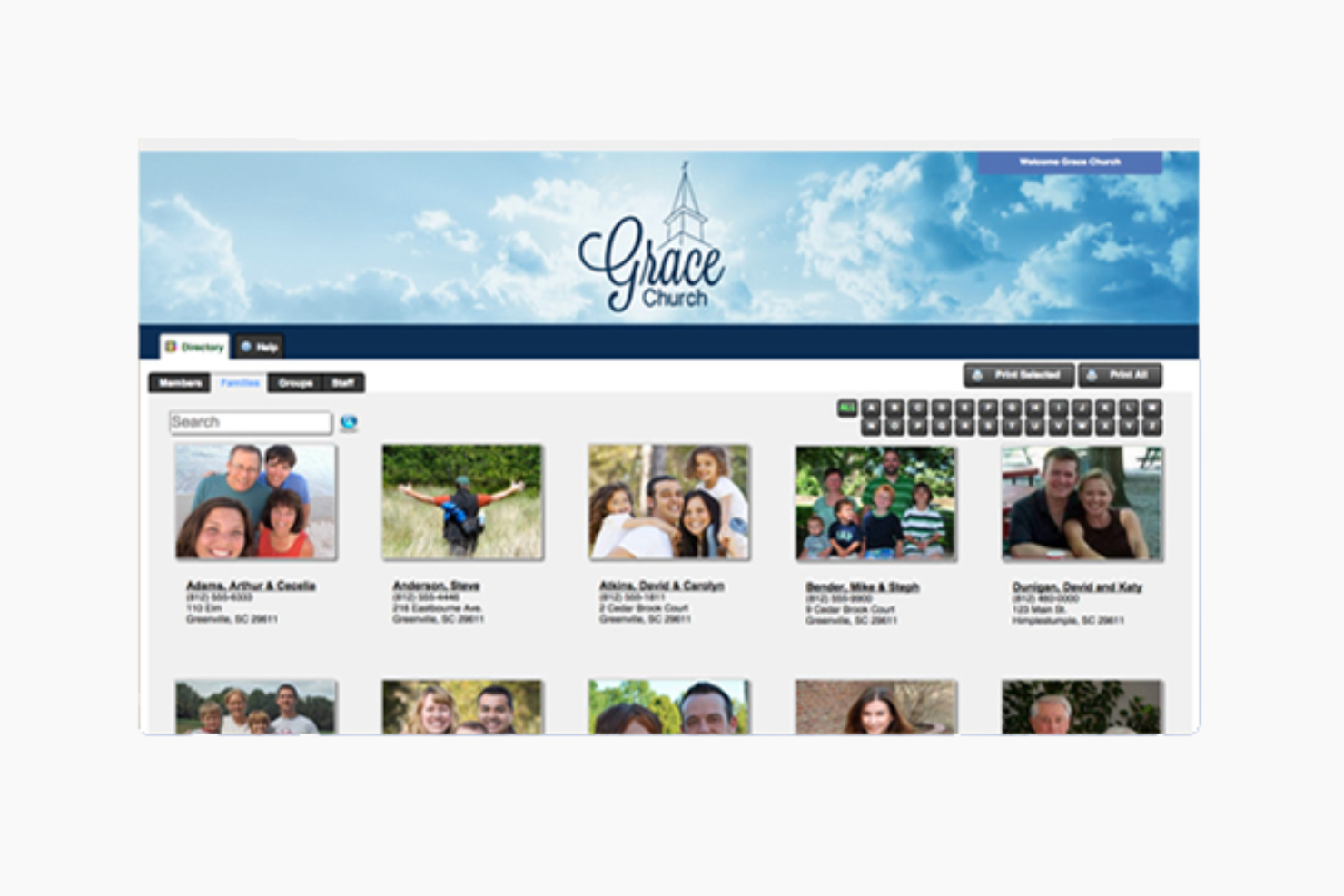
Online Church Directory offre a te e al tuo team l'accesso 24/7 alle informazioni di contatto aggiornate tramite web e app mobile. Puoi permettere ai membri di aggiornare i propri dati, stampare la directory quando necessario e mantenere riservate le informazioni dei membri.
Perché ho scelto Online Church Directory: Online Church Directory ti consente di adattare la configurazione alle esigenze della tua chiesa. Puoi aggiornare facilmente i profili dei membri e l'app mobile ti consente l'accesso ovunque tu sia. Puoi anche stampare directory personalizzate per eventi o usi speciali. Le impostazioni di privacy garantiscono che solo le persone autorizzate vedano le informazioni dei membri.
Funzionalità e integrazioni distintive:
Funzionalità includono opzioni di stampa personalizzabili che ti consentono di creare directory adatte alle tue specifiche esigenze. La protezione della privacy assicura che le informazioni dei membri siano mantenute al sicuro. L'app mobile offre capacità di messaggistica illimitata, facilitando la comunicazione con la congregazione.
Integrazioni includono Google Calendar, Mailchimp, Microsoft Outlook, Slack, Zoom, Facebook, Twitter, Instagram, QuickBooks e Dropbox.
Pros and Cons
Pros:
- Opzioni di directory personalizzabili
- Funzionalità di privacy sicure
- Messaggistica illimitata
Cons:
- Analisi avanzate limitate
- Nessuna integrazione per il libro paga

ChurchSpring Directory è una piattaforma digitale creata per le chiese che consente di gestire sia le directory dei membri che i siti web. È utilizzata principalmente dagli amministratori di chiesa che hanno bisogno di un unico strumento per gestire i contatti e mantenere una presenza online. Le principali funzionalità includono aggiornamenti dei membri, hosting del sito web e gestione degli eventi.
Perché ho scelto ChurchSpring Directory: ChurchSpring Directory ti permette di gestire il sito web della chiesa e la directory in un unico posto. Puoi usare i template integrati per creare un sito pulito e semplice senza grande sforzo. Include anche strumenti per gli eventi che aiutano a pianificare e condividere le attività della chiesa. La directory è collegata al sito, quindi i dati dei membri sono sempre aggiornati.
Funzionalità e integrazioni principali:
Funzionalità includono template del sito web personalizzabili che permettono di adattare la presenza online della chiesa. Gli strumenti per la gestione degli eventi aiutano a organizzare e promuovere in modo efficiente le attività della chiesa. La piattaforma offre anche l'elaborazione delle donazioni integrata, rendendo semplice per i membri contribuire online.
Integrazioni includono Planning Center, Mailchimp, Google Calendar, Microsoft Outlook, Slack, Zoom, Facebook, Twitter, Instagram, QuickBooks e Dropbox.
Pros and Cons
Pros:
- Funzionalità integrate per i siti web
- Gestione eventi semplice
- Elaborazione donazioni integrata
Cons:
- Analisi avanzate limitate
- Nessuna integrazione con paghe

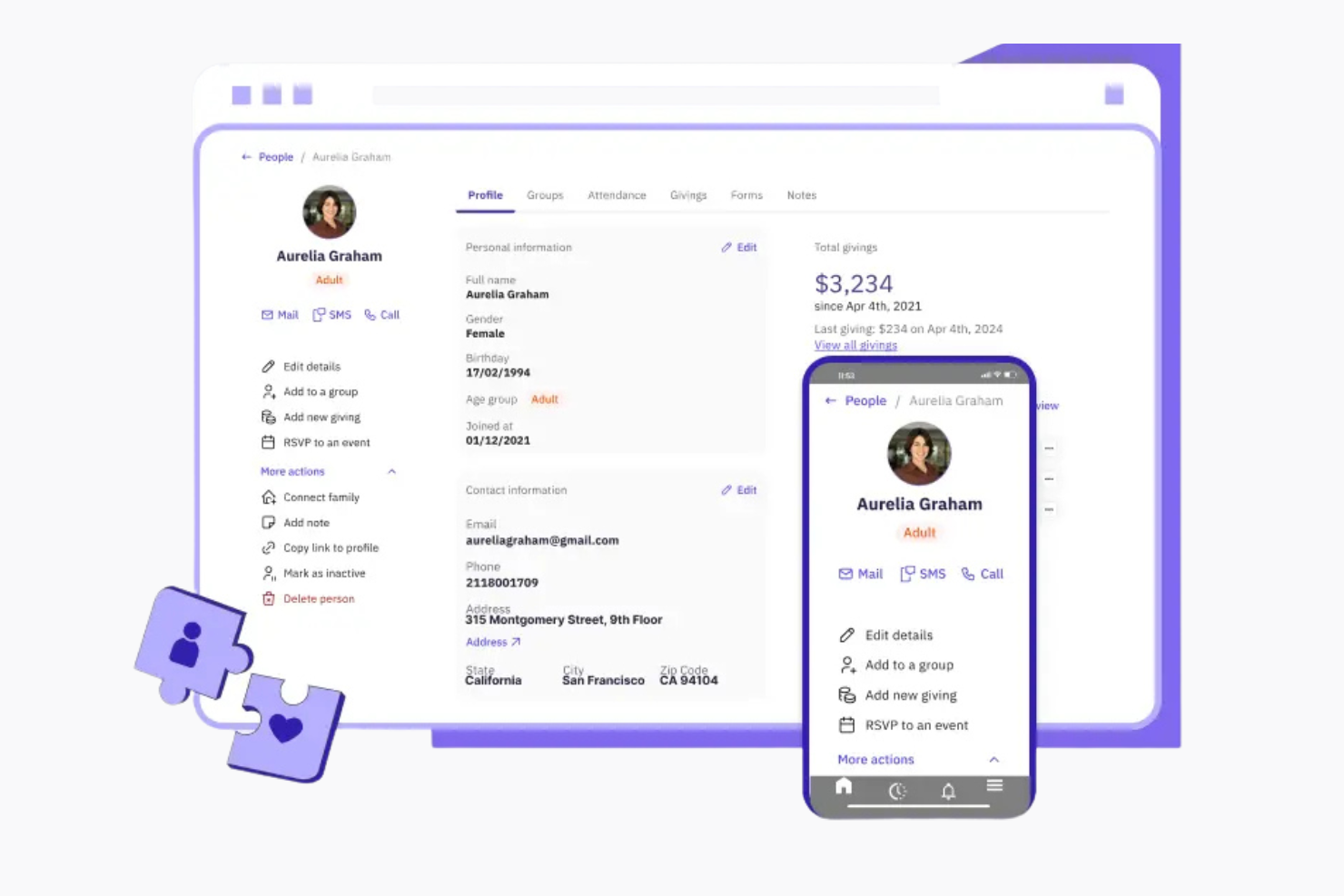
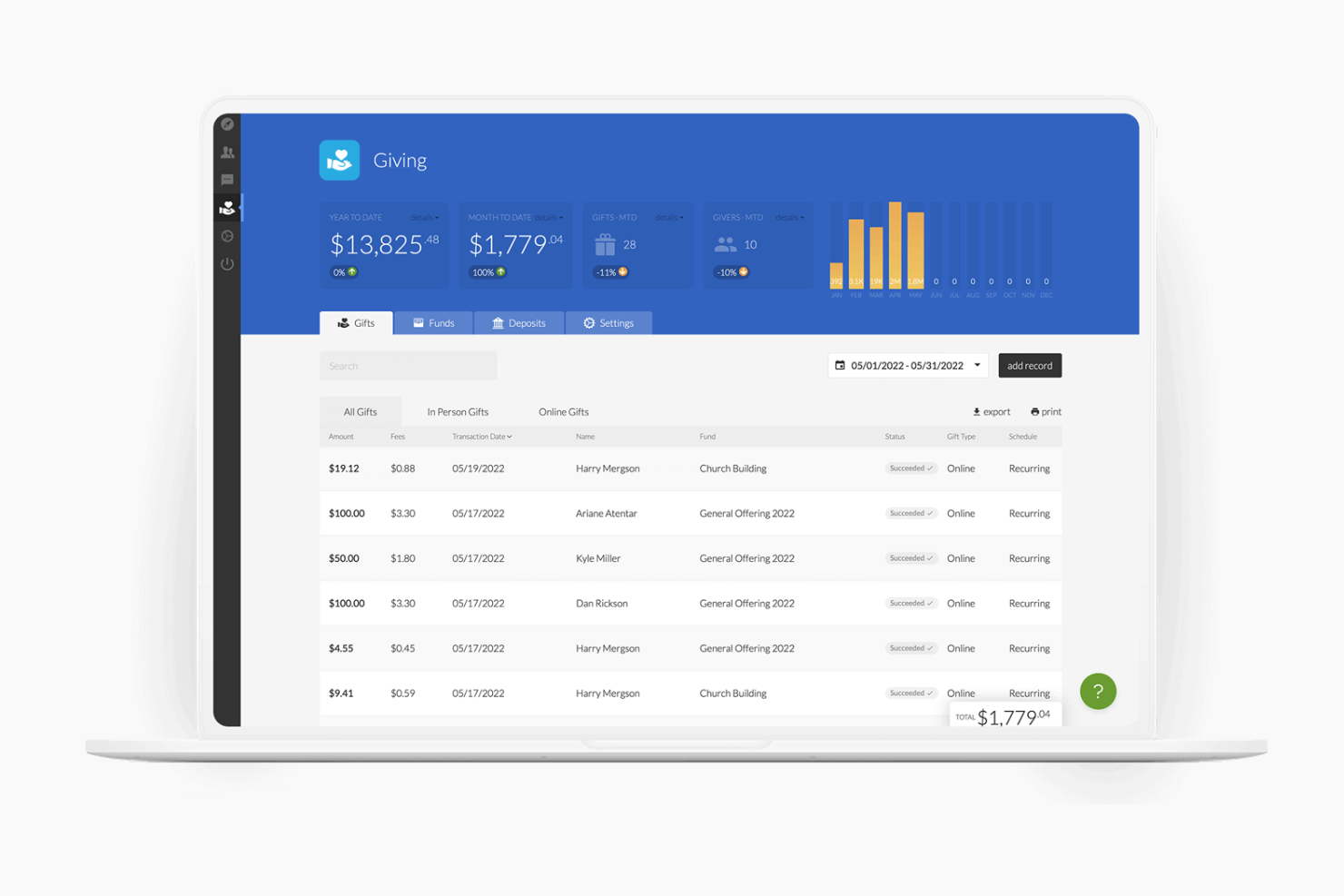
Gracely è uno strumento tutto-in-uno per la gestione delle chiese che ti aiuta a gestire membri, eventi e donazioni. È pensato per i leader e gli amministratori di chiesa che desiderano qualcosa di facile da usare. Puoi gestire le persone, configurare le donazioni online e pianificare gli eventi tutto in un unico posto.
Perché ho scelto Gracely: Gracely offre accesso mobile così tu e il tuo team potete restare connessi ovunque vi troviate. Puoi gestire i dati dei membri, tracciare le donazioni e pianificare gli eventi direttamente dal telefono. I membri possono accedere per aggiornare i loro profili e verificare la cronologia delle loro donazioni. La configurazione ottimizzata per dispositivi mobili rende facile essere coinvolti anche in movimento.
Funzionalità e integrazioni principali:
Funzionalità includono moduli personalizzabili per iscrizioni e sondaggi, rendendo la raccolta dati semplice e diretta. La funzione di rendicontazione contabile e finanziaria ti aiuta a gestire le finanze della chiesa in modo trasparente. Puoi inoltre utilizzare il portale della chiesa per coinvolgere i membri e favorire la costruzione della comunità.
Le integrazioni includono Mailchimp, Google Calendar, Microsoft Outlook, Slack, Zoom, Facebook, Twitter, Instagram, QuickBooks e Dropbox.
Pros and Cons
Pros:
- Accesso mobile pratico
- Gestione completa dei membri
- Organizzazione eventi semplice
Cons:
- Analisi avanzate limitate
- Nessuna integrazione con paghe e stipendi

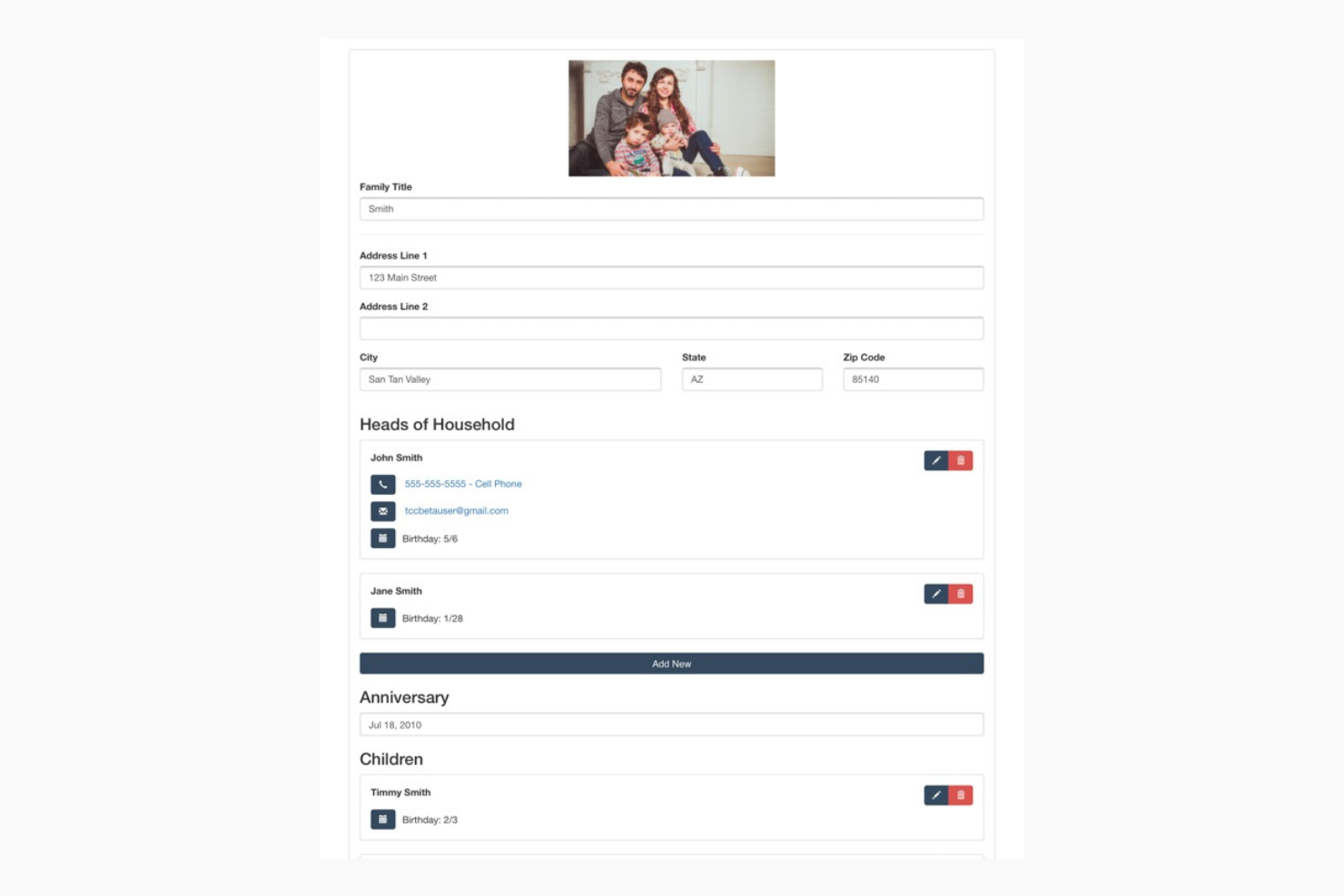
The Church Connectory è una soluzione di directory online pensata per le comunità ecclesiastiche. È progettata per amministratori e membri della chiesa che necessitano di un accesso semplice a una directory aggiornata regolarmente sia da web che da dispositivi mobili.
Perché ho scelto The Church Connectory: The Church Connectory consente di configurare rapidamente la tua directory senza impostazioni complicate. Tu e i tuoi membri potete aggiornare e consultare la directory in qualsiasi momento tramite l'app mobile. Supporta più lingue, il che è utile se la tua chiesa ha una congregazione eterogenea. Puoi anche collegare le directory per condividere informazioni con altre chiese mantenendo il controllo. I dati sono criptati per proteggere le informazioni dei tuoi membri.
Caratteristiche distintive e integrazioni:
Funzionalità includono accesso tramite app mobile per aggiornamenti in movimento, supporto multilingue per congregazioni diverse e collegamento di directory per connettersi con altre chiese. Le funzionalità di sicurezza comprendono la crittografia SSL e la revoca dell'accesso specifica per membro, garantendo la sicurezza dei dati.
Integrazioni includono Mailchimp, Google Calendar, Microsoft Outlook, Slack, Zoom, Facebook, Twitter, Instagram, QuickBooks e Dropbox.
Pros and Cons
Pros:
- Processo di configurazione semplice
- Supporto multilingue
- App mobile per aggiornamenti
Cons:
- Funzionalità avanzate limitate
- Strumenti di reportistica di base

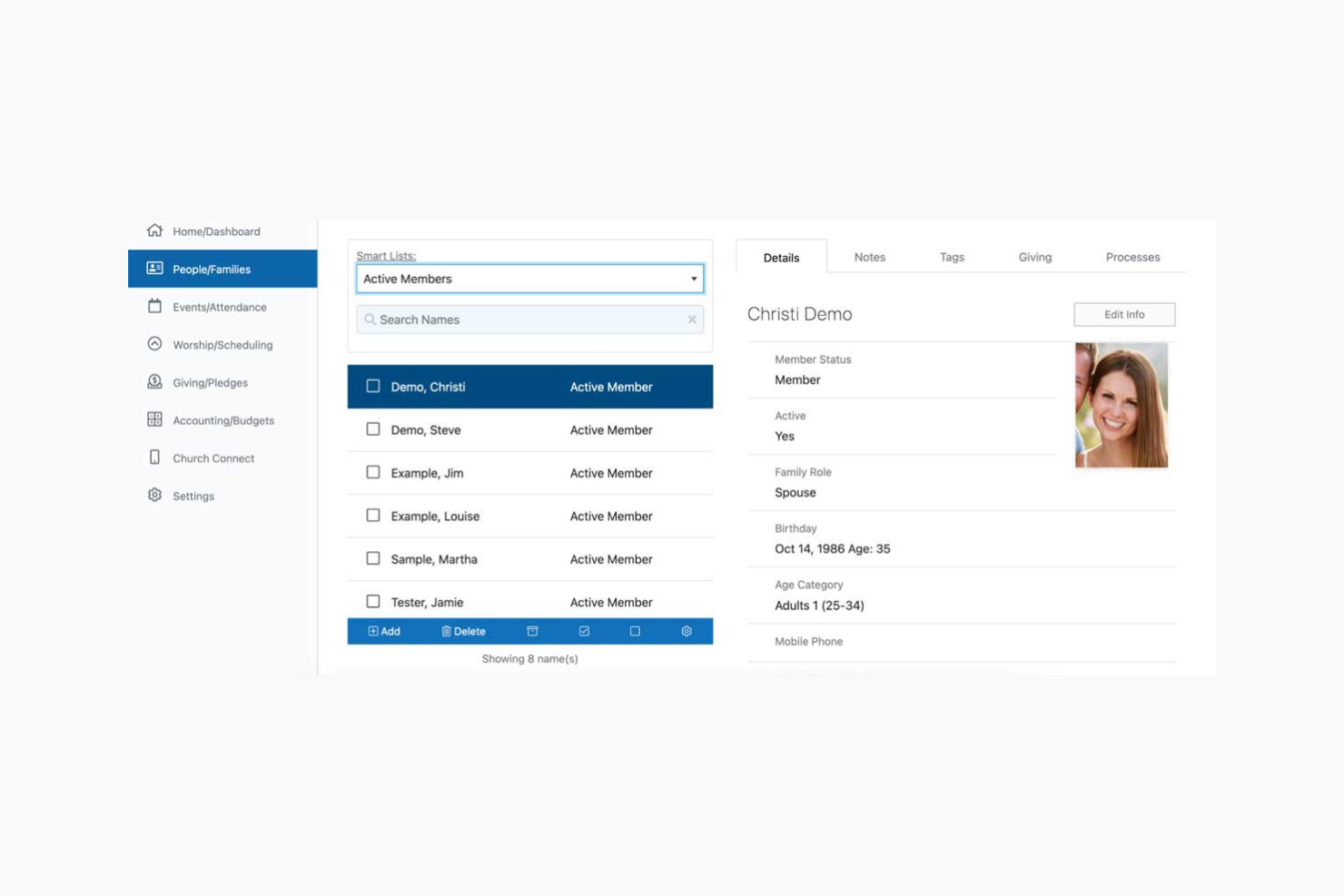
My Church Directory è una piattaforma online progettata per consentire alle chiese di creare e gestire elenchi dei membri. Viene utilizzata dagli amministratori delle chiese e dai membri che hanno bisogno di un accesso rapido alle informazioni di contatto aggiornate. La piattaforma supporta sia elenchi digitali che stampabili, offrendo modelli personalizzabili per ciascuno.
Perché ho scelto My Church Directory: My Church Directory è adatto a piccole congregazioni perché è semplice da configurare ed economico. Puoi aggiungere fino a tre editor extra senza costi aggiuntivi, così il tuo team può condividere il lavoro. I membri possono aggiornare i loro dati tramite l'app, mantenendo l'elenco sempre aggiornato. La piattaforma mantiene al sicuro le informazioni dei membri.
Caratteristiche principali & integrazioni:
Caratteristiche includono modelli di elenco personalizzabili sia per i formati digitali sia per quelli stampabili. Le app mobili consentono ai membri di accedere e aggiornare comodamente le proprie informazioni. Puoi anche tenere traccia di compleanni e anniversari, aiutandoti a mantenere i rapporti nella comunità.
Integrazioni includono l'importazione di file CSV per la gestione dei dati, consentendo aggiornamenti senza interruzioni.
Pros and Cons
Pros:
- Procedura di configurazione rapida
- Interfaccia intuitiva
- Prezzo accessibile
Cons:
- Tempo iniziale di configurazione per gruppi numerosi
- Sfide tecnologiche per alcuni utenti
Altri software per directory della chiesa
Ecco alcune opzioni aggiuntive di software per directory della chiesa che non sono entrate nel mio elenco ristretto, ma che vale comunque la pena prendere in considerazione:
- ChurchTrac
La scelta migliore per prezzi economici
- Subsplash
Ideale per l'integrazione multimediale
- SteepleMate
Ideale per la gestione dei volontari


Come Valuto i Software per Directory Parrocchiali
Suddivido la mia valutazione in requisiti fondamentali—come l'output di una directory fotografica e il self-service per i membri—e i fattori differenzianti che rendono uno strumento più adatto rispetto a un altro.
Funzionalità di Base (Requisiti Essenziali per Questa Lista)
Quando seleziono gli strumenti per il mio elenco, valuto ciascuno su una scala da 0 (non offre la funzionalità) a 5 (eccelle in quest'area) per ogni funzionalità di base elencata di seguito. Successivamente, calcolo il punteggio totale dello strumento in percentuale. Ogni strumento deve raggiungere un punteggio minimo totale del 65% per essere considerato nell'elenco.
- Profili dei Membri e delle Famiglie: Verifico se lo strumento collega i singoli ai nuclei familiari, così una ricerca di famiglia restituisce genitori, figli e dettagli di contatto in un'unica vista.
- Output Directory Fotografica: Ogni piattaforma dovrebbe permettere di generare una directory stampabile o digitale con le foto dei membri—non solo esportare un elenco di contatti grezzo.
- App Mobile per Membri: Cerco un'app mobile rivolta ai membri in cui i parrocchiani possano consultare la directory e aggiornare i propri numeri di telefono o indirizzi.
- Segmentazione di Gruppi e Ministeri: L’etichettatura dei membri per piccolo gruppo, équipe di culto o ministero giovanile è importante, quindi valuto come ogni strumento organizza e filtra i gruppi.
- Privacy e Controllo degli Accessi: Considero se gli amministratori possono limitare quali campi sono visibili ai membri—come nascondere gli indirizzi nella directory generale ma lasciarli visibili ai pastori.
- Strumenti di Comunicazione: La possibilità di inviare email o messaggi di testo a uno specifico gruppo ministeriale direttamente dalla directory permette allo staff di non dover cambiare piattaforma, quindi cerco una messaggistica integrata.
Una volta ottenuto l’elenco degli strumenti che soddisfano i criteri, considero cosa distingue ciascuna piattaforma.
Fattori di Differenziazione (Cosa Distingue i Fornitori)
Ecco come confronto e metto in risalto i diversi fornitori:
Funzionalità Distintive
La donazione online collegata direttamente ai profili dei membri è un grande elemento differenziante—permette allo staff di ottenere rapporti di stewardship senza dover confrontare dati provenienti da sistemi separati. Cerco anche flussi di lavoro automatizzati che attivano follow-up quando un nuovo visitatore compila una scheda di contatto o un membro manca a diversi incontri consecutivi. Un'app personalizzata col nome e il logo della tua chiesa invece che del fornitore rafforza la familiarità e incentiva un’adozione più convinta tra i parrocchiani.
Oltre le Funzionalità
La struttura dei prezzi conta molto—alcune piattaforme applicano un costo per membro, che può rapidamente mettere sotto pressione il budget di una chiesa in crescita, quindi valuto se il modello è scalabile in modo equo. La migrazione dei dati è un altro aspetto che considero, perché la maggior parte delle chiese passa da fogli di calcolo o da un vecchio ChMS e necessita di una chiara procedura di importazione. Esamino inoltre quanto bene ogni strumento si integra con il resto delle soluzioni ministeriali, come la sincronizzazione dei dati delle donazioni con QuickBooks o l’importazione dei contatti in Mailchimp per le newsletter settimanali.
Come scegliere un software per directory della chiesa
È facile perdersi in lunghi elenchi di funzionalità e strutture tariffarie complesse. Per aiutarti a rimanere concentrato mentre affronti il tuo processo di selezione del software, ecco una lista di fattori da tenere a mente:
| Fattore | Cosa considerare |
|---|---|
| Scalabilità | Supporterà la tua crescita? Valuta se il software è in grado di gestire un numero maggiore di membri e dati con l'espansione della tua chiesa. Cerca opzioni che crescano insieme a te. |
| Integrazioni | Funziona con gli strumenti che utilizzi attualmente? Verifica la compatibilità con i sistemi esistenti, come posta elettronica, contabilità e calendario, per evitare lavoro aggiuntivo. |
| Personalizzazione | Puoi adattarlo alle tue esigenze? Verifica se puoi modificare il software affinché rispecchi i processi e l'identità visiva specifici della tua chiesa. |
| Semplicità d'uso | È semplice per tutti? Assicurati che il software sia intuitivo sia per gli utenti esperti di tecnologia sia per quelli che hanno meno dimestichezza con essa. |
| Implementazione e avvio | Quanto velocemente puoi iniziare? Cerca guide di configurazione chiare, risorse per la formazione e assistenza per facilitare la transizione. |
| Costo | Rientra nel tuo budget? Confronta i piani tariffari e verifica la presenza di costi nascosti. Valuta gli sconti per chiese o organizzazioni senza scopo di lucro. |
| Misure di sicurezza | I tuoi dati sono protetti? Assicurati che il software disponga di solide misure di sicurezza, come crittografia e controlli degli accessi, per proteggere le informazioni dei membri. |
| Disponibilità dell'assistenza | Puoi ricevere aiuto quando ne hai bisogno? Verifica se il fornitore offre un'assistenza tempestiva tramite chat, telefono o posta elettronica, soprattutto nei momenti critici. |
Che cos'è il software per la gestione dell'elenco della chiesa?
Il software per la gestione dell'elenco della chiesa è uno strumento progettato per aiutare le chiese a gestire le informazioni sui membri, monitorare le presenze e facilitare la comunicazione. Questi strumenti vengono generalmente utilizzati dagli amministratori della chiesa, dai pastori e dai volontari che devono mantenere le proprie congregazioni organizzate e informate.
Funzionalità come la gestione dei contatti, la programmazione degli eventi e gli strumenti di comunicazione aiutano a mantenere aggiornati i dati dei membri, pianificare le attività e coinvolgere la comunità. Nel complesso, questi strumenti fanno risparmiare tempo e migliorano l'efficienza delle attività della chiesa.
Funzionalità del software per la gestione dell'elenco della chiesa
Quando scegli il software per la gestione dell'elenco della chiesa, presta attenzione alle seguenti funzionalità principali:
- Gestione dei contatti: organizza le informazioni sui membri in un database centralizzato, rendendole facili da aggiornare e consultare.
- Programmazione degli eventi: consente di pianificare e gestire gli eventi della chiesa, assicurando che tutti rimangano informati e organizzati.
- Strumenti di comunicazione: facilitano l'invio di messaggi e annunci per mantenere la congregazione connessa e coinvolta.
- Monitoraggio delle presenze: controlla la partecipazione alle funzioni e agli eventi, aiutando a comprendere il coinvolgimento dei membri.
- Accesso da dispositivi mobili: offre accesso in mobilità agli elenchi e agli strumenti, consentendo di gestire le attività della chiesa ovunque.
- Modelli personalizzabili: permette di adattare elenchi e report alle esigenze e all'immagine della propria chiesa.
- Monitoraggio delle donazioni: registra i contributi e fornisce una visione d'insieme delle finanze, supportando una gestione finanziaria trasparente.
- Gestione dei volontari: aiuta a organizzare e programmare i volontari, garantendo il regolare svolgimento delle attività della chiesa.
- Misure di sicurezza: protegge i dati sensibili dei membri mediante crittografia e controlli degli accessi, garantendo privacy e conformità.
- Capacità di integrazione: si collega agli strumenti esistenti, come i software per la posta elettronica e la contabilità, riducendo le attività duplicate.
Vantaggi del software per la gestione dell'elenco della chiesa
L'implementazione del software per la gestione dell'elenco della chiesa offre diversi vantaggi al tuo team e alla tua organizzazione. Ecco alcuni dei vantaggi che puoi aspettarti:
- Organizzazione migliorata: centralizza le informazioni sui membri, semplificando la gestione e l'accesso efficiente ai dati.
- Comunicazione potenziata: facilita l'invio rapido ed efficace di messaggi all'interno della congregazione, mantenendo tutti informati e coinvolti.
- Risparmio di tempo: automatizza le attività amministrative, come il monitoraggio delle presenze e la programmazione degli eventi, liberando tempo per altre attività importanti.
- Maggiore coinvolgimento: offre strumenti come la gestione dei volontari e la pianificazione degli eventi per aumentare la partecipazione e il coinvolgimento nelle attività della chiesa.
- Trasparenza finanziaria: monitora le donazioni e fornisce informazioni sui contributi finanziari, promuovendo responsabilità e fiducia.
- Sicurezza dei dati: protegge le informazioni sensibili dei membri con solide misure di sicurezza, garantendo privacy e conformità.
- Accessibilità: offre accesso da dispositivi mobili agli elenchi e agli strumenti di gestione, consentendo di lavorare e restare connessi ovunque.
Costi e prezzi del software per la gestione dell'elenco della chiesa
La scelta del software per la gestione dell'elenco della chiesa richiede una comprensione dei vari modelli di prezzo e dei piani disponibili. I costi variano in base alle funzionalità, alle dimensioni del team, ai componenti aggiuntivi e ad altri fattori. La tabella seguente riassume i piani più comuni, i relativi prezzi medi e le funzionalità tipicamente incluse nelle soluzioni software per la gestione dell'elenco della chiesa:
Tabella comparativa dei piani per il software per la gestione dell'elenco della chiesa
| Tipo di piano | Prezzo medio | Funzionalità comuni |
|---|---|---|
| Piano gratuito | $0/user/month | Gestione di base dei membri, assistenza limitata e accesso ristretto alle funzionalità. |
| Piano personale | $5 - $25/user/month | Elenco dei membri, programmazione degli eventi, notifiche via e-mail e reportistica di base. |
| Piano aziendale | $30 - $50/user/month | Reportistica avanzata, gestione dei volontari, monitoraggio delle donazioni e accesso da dispositivi mobili. |
| Piano per grandi organizzazioni | $60-$100/user/month | Funzionalità personalizzabili, capacità di integrazione, assistenza dedicata e misure di sicurezza avanzate. |
Domande frequenti sul software per la directory della chiesa
Ecco alcune risposte alle domande comuni sul software per la directory della chiesa:
Come posso creare una directory della chiesa?
La creazione di una directory della chiesa implica la raccolta delle informazioni sui membri, come i dati di contatto e le foto. Utilizza uno strumento software che consenta di inserire e organizzare questi dati in modo efficiente. Assicurati di avere le autorizzazioni per condividere i dati dei membri e offri loro la possibilità di aggiornare le proprie informazioni secondo necessità.
Quanto costa il software per la directory della chiesa?
Il costo del software per la directory della chiesa può variare in base alle funzionalità e alle dimensioni della congregazione. In media, potresti trovare piani che vanno da $5 a $100 al mese. Valuta quali funzionalità sono essenziali per la tua chiesa e scegli un piano che offra il miglior rapporto qualità-prezzo per le tue esigenze.
Come posso configurare una directory istantanea della chiesa?
La configurazione di una directory istantanea della chiesa implica l’importazione dei dati dei membri, la loro organizzazione e la personalizzazione del formato della directory. La maggior parte degli strumenti software offre modelli e guide per aiutarti durante il processo. Assicurati che l’elenco dei membri sia accurato e completo per una configurazione senza problemi.
Quali funzionalità dovrei cercare nel software per la directory della chiesa?
Cerca funzionalità come la gestione dei contatti dei membri, la programmazione degli eventi e gli strumenti di comunicazione. Queste funzionalità ti aiutano a mantenere la congregazione organizzata e informata. Inoltre, valuta l’accesso da dispositivi mobili e le misure di sicurezza per proteggere i dati dei membri.
Posso integrare il software per la directory della chiesa con altri strumenti?
Sì, molte soluzioni software per la directory della chiesa offrono integrazioni con strumenti come piattaforme email, calendari e software di contabilità. Verifica le capacità di integrazione del software per assicurarti che sia compatibile con i sistemi e i flussi di lavoro esistenti.
Come posso garantire la privacy dei dati con il software per la directory della chiesa?
Per garantire la privacy dei dati, scegli un software con solide funzionalità di sicurezza, come la crittografia e i controlli degli accessi. Assicurati che il software sia conforme alle normative sulla protezione dei dati e offra ai membri opzioni per controllare la visibilità delle proprie informazioni.
Qual è il prossimo passo?
Se stai cercando un software per la directory della chiesa, contatta gratuitamente un consulente di SoftwareSelect per ricevere consigli.
Compili un modulo e fai una breve conversazione durante la quale il consulente approfondirà le tue esigenze specifiche. Dopodiché riceverai una lista ristretta di software da esaminare. Ti assisterà anche durante l'intero processo di acquisto, comprese le trattative sul prezzo.