

10 mejores programas de directorios de iglesias analizados en 2026

Mejor selección de software de directorio para iglesias


Gestionar una comunidad religiosa presenta su propio conjunto de desafíos. Desde llevar un registro de los miembros hasta coordinar eventos, tienes mucho de lo que ocuparte. El software de directorio para iglesias puede ayudarte a gestionar estas tareas de forma más eficiente, ahorrándote tiempo y reduciendo el estrés.
Según mi experiencia, estas herramientas ofrecen una forma de organizar la información de los miembros y mejorar la comunicación dentro de tu congregación. Simplifican el proceso de conectar con tu comunidad, permitiéndote centrarte en lo que realmente importa.
He probado y analizado varias soluciones, y compartiré mis principales recomendaciones. Encontrarás información imparcial sobre lo que ofrece cada software, para que puedas elegir la opción que mejor se adapte a tu equipo. Veamos las opciones que pueden facilitar un poco tus tareas de gestión de la iglesia.
Por qué confiar en nuestras recomendaciones de software
Nuestro equipo lleva probando y evaluando software desde 2012. Como líderes eclesiásticos, sabemos lo difícil —y lo importante— que es elegir el software adecuado.
Para esta guía, evaluamos las herramientas mediante pruebas prácticas e investigación independiente, puntuando las herramientas según nuestros criterios de selección.
Nuestras reseñas reflejan nuestro criterio editorial humano, no un discurso de ventas.
Resumen del mejor software de directorio para iglesias
Esta tabla comparativa resume los detalles de precios de mis principales selecciones de software de directorio para iglesias para ayudarte a encontrar la mejor opción según tu presupuesto y las necesidades de tu organización.
| Tool | Best For | Trial Info | Price | ||
|---|---|---|---|---|---|
| 1 | Ideal para la gestión de eventos | Plan gratuito disponible | Desde $12/mes (facturado mensualmente) | Website | |
| 2 | Mejor para portales personalizados de iglesia | Plan gratuito disponible | Desde $19/mes | Website | |
| 3 | Mejor por su facilidad de uso | Demostración gratuita disponible | Desde $72/mes | Website | |
| 4 | Ideal para la planificación de la adoración | Prueba gratuita de 30 días disponible | Desde $15/mes | Website | |
| 5 | Ideal por su interfaz fácil de usar | Prueba gratuita de 30 días | Desde $9.99/mes | Website | |
| 6 | Mejor para opciones personalizables | Prueba gratuita disponible | Desde $114/año | Website | |
| 7 | Ideal para funciones integradas de sitio web | Prueba gratuita disponible | Desde $71/mes | Website | |
| 8 | Ideal para acceso móvil | Prueba gratuita de 30 días + plan gratuito + demo gratis disponible | Desde $19/mes (facturado anualmente) | Website | |
| 9 | Ideal para una configuración sencilla | Prueba gratuita de 30 días | Desde $9/mes | Website | |
| 10 | Ideal para congregaciones pequeñas | Prueba gratuita de 30 días | Desde $10.99/mes | Website |
Análisis del mejor software de directorio para iglesias
A continuación se muestran mis resúmenes detallados del mejor software de directorio para iglesias que llegó a mi selección. Mis análisis ofrecen una visión detallada de las funciones principales, ventajas y desventajas, integraciones y casos de uso ideales de cada herramienta para ayudarte a encontrar la mejor opción para ti.

Ideal para la gestión de eventos
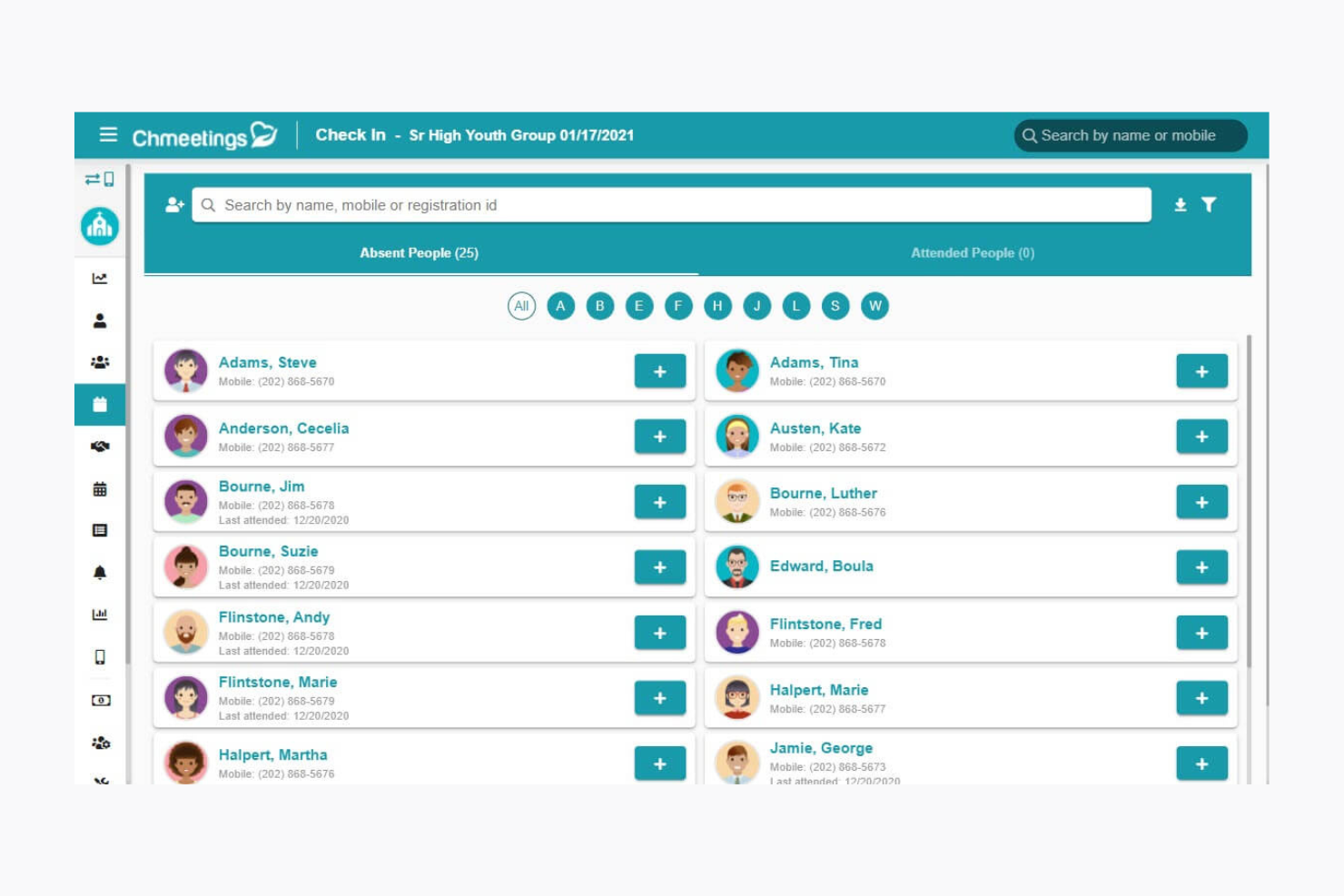
ChMeetings es un software de gestión eclesiástica diseñado para organizar y administrar eventos de la iglesia y datos de los miembros. Sus principales usuarios son líderes y administradores de iglesias que necesitan una forma eficiente de supervisar la planificación de eventos y los registros de membresía. El software proporciona herramientas para programación, comunicación y seguimiento de los miembros.
Por qué elegí ChMeetings: ChMeetings facilita la planificación de eventos con herramientas que te ayudan a programar y enviar actualizaciones a tus asistentes. Puedes hacer un seguimiento detallado de los miembros, lo que ayuda a organizar grupos y actividades. El diseño es fácil de usar, por lo que tu equipo no tendrá problemas para comenzar.
Características destacadas e integraciones:
Funciones incluyen recordatorios automáticos que mantienen a tu congregación informada sobre los próximos eventos. La función de directorio de miembros permite un fácil acceso a la información de contacto y gestión de grupos. También puedes crear informes personalizados para obtener información sobre las actividades y la asistencia de tu iglesia.
Integraciones incluyen Mailchimp, Google Calendar, Microsoft Outlook, Slack, Zoom, Facebook, Twitter, Instagram, QuickBooks y Dropbox.
Pros and Cons
Pros:
- Programación eficiente de eventos
- Recordatorios automáticos
- Seguimiento detallado de miembros
Cons:
- Opciones de personalización limitadas
- Herramientas de análisis básicas
New Product Updates from ChMeetings

ChMeetings Improves Reconciliation and Adds Fund By Month Report
ChMeetings adds a direct Reconcile button, improved save-for-later support, and a new Fund By Month report. These updates make reconciliation easier to resume and give teams clearer month-by-month fund visibility. For more information, visit ChMeetings’ official site.
 .
.
Gracely
Mejor para portales personalizados de iglesia
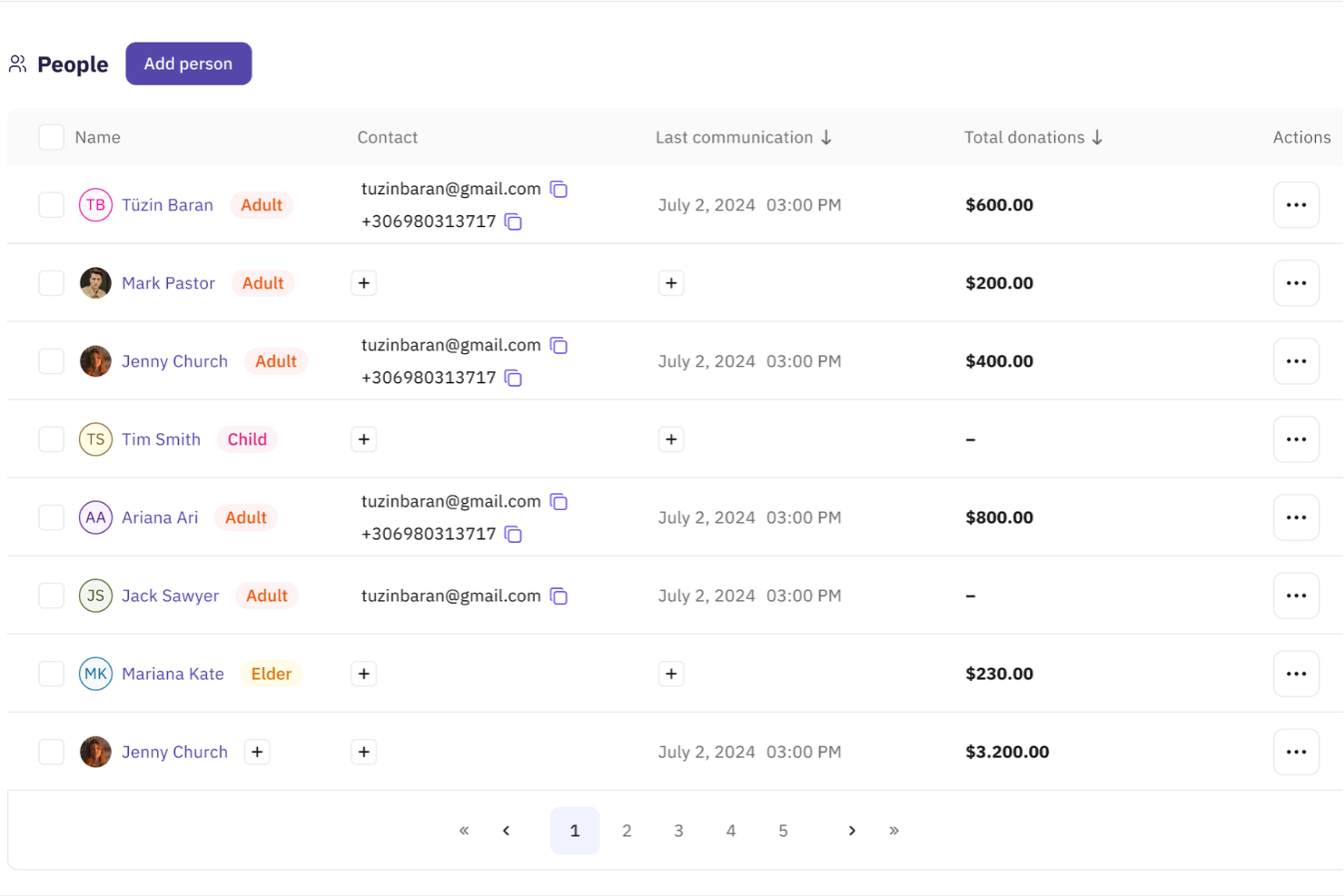
Gracely es un software de gestión y directorio de iglesias diseñado para ayudarte a manejar las diversas necesidades de tu congregación. Ofrece un conjunto completo de herramientas para administrar todo, desde directorios de miembros y organización de grupos hasta el seguimiento financiero y la planificación de eventos.
Por qué elegí Gracely: Elegí Gracely por sus sólidas funciones de gestión de directorios y personas, lo que facilita organizar los perfiles de miembros, registrar la asistencia y gestionar los grupos pequeños. Su portal personalizado para la iglesia permite que los miembros actualicen sus datos, se inscriban en eventos y consulten el historial de donaciones, contribuyendo así a fortalecer el sentido de comunidad. Junto a estas capacidades, Gracely simplifica las donaciones con un sistema seguro en línea y ofrece robustas herramientas financieras para el seguimiento de contribuciones y gastos.
Funciones destacadas e integraciones:
Las funciones incluyen un portal personalizado para la iglesia, informes contables y financieros, y transferencia gratuita de datos. El portal personalizado permite que los miembros actualicen sus perfiles, consulten el historial de donaciones y se inscriban en eventos, fomentando el sentido de comunidad. Los informes contables y financieros simplifican la gestión económica al registrar ingresos y gastos, mientras que la transferencia gratuita de datos permite migrar fácilmente a Gracely para que puedas comenzar sin inconvenientes.
Las integraciones no se especifican actualmente en Gracely.
Pros and Cons
Pros:
- Plan gratuito disponible
- Herramientas integradas para donaciones recurrentes y seguimiento de eventos
- Permite hacer seguimiento de los perfiles de miembros, participación en eventos y donaciones
Cons:
- La ausencia de funciones contables incorporadas podría requerir herramientas adicionales para la gestión financiera
- Carece de funciones avanzadas de análisis para informes detallados
New Product Updates from Gracely

Gracely Rebuilds Accounting for Church Finance Management
Gracely rebuilds Accounting with fund tracking, income and expenses, transfers, reports, and exports. This gives churches a more complete way to manage finances in one place. For more information, visit Gracely’s official site.
 .
.
Mejor por su facilidad de uso
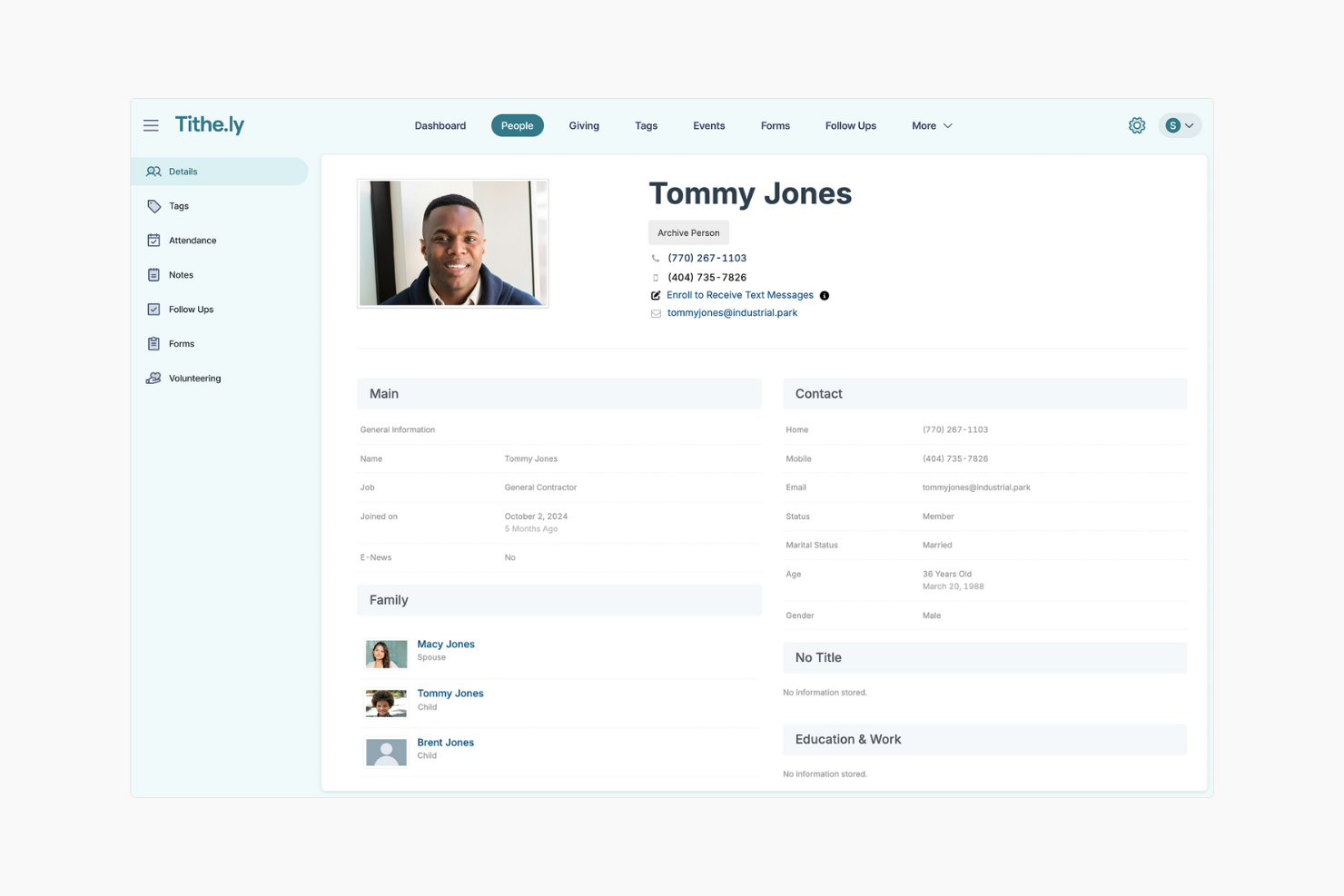
Breeze ChMS es un software de gestión para iglesias diseñado para congregaciones de cualquier tamaño que necesiten administrar directorios, contribuciones y eventos. Está dirigido principalmente al personal y administradores que buscan una manera sencilla de gestionar las operaciones diarias. El software incluye herramientas para el seguimiento de miembros, programación de eventos y gestión financiera.
Por qué elegí Breeze ChMS: Breeze ChMS es fácil de usar, incluso si tú o tu equipo no tienen experiencia técnica. Puedes gestionar la información de los miembros y seguir las donaciones sin complicaciones. Las herramientas para eventos facilitan la organización de actividades de la iglesia. También obtienes informes claros para ver el estado de tu iglesia y sus finanzas.
Características destacadas e integraciones:
Características incluyen perfiles de miembros personalizables que te permiten registrar información detallada. La función de seguimiento de contribuciones brinda transparencia en la gestión financiera. También puedes usar la herramienta de seguimiento de asistencia para monitorizar la participación en los eventos de manera efectiva.
Integraciones disponibles con Mailchimp, QuickBooks, Google Calendar, Planning Center, Slack, Zoom, Facebook, Twitter, Instagram y Dropbox.
Pros and Cons
Pros:
- Interfaz intuitiva
- Gestión eficiente de miembros
- Seguimiento financiero sencillo
Cons:
- Personalización avanzada limitada
- Herramientas de análisis básicas

Ideal para la planificación de la adoración
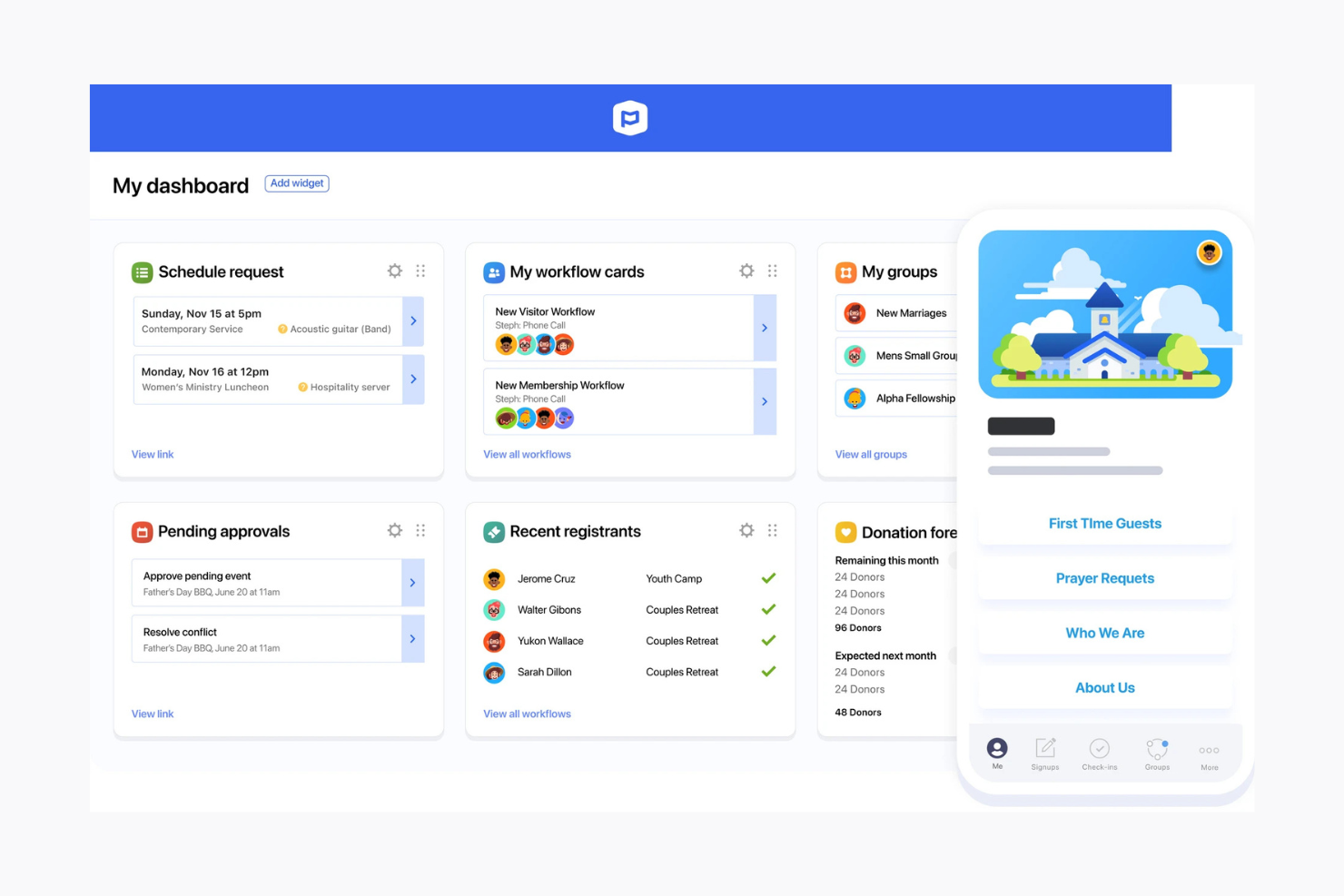
Planning Center es un software de gestión para iglesias diseñado para ayudar a las congregaciones con las operaciones diarias, especialmente la planificación de las reuniones de adoración y la gestión de miembros. Está dirigido principalmente a líderes de iglesias y equipos de alabanza que necesitan herramientas para organizar los servicios y manejar la información de los miembros. La plataforma facilita la programación, comunicación y administración de recursos de la iglesia.
Por qué elegí Planning Center: Planning Center ofrece potentes herramientas para la planificación de la adoración que te ayudan a organizar los servicios y gestionar tu equipo de alabanza. Puedes programar voluntarios, planificar los detalles de los servicios y controlar las canciones en un solo lugar. Las herramientas de comunicación integradas mantienen a tu equipo informado. Además, puedes ajustar los flujos de trabajo según el funcionamiento de tu iglesia.
Funciones destacadas e integraciones:
Funciones incluyen herramientas de gestión de recursos que te ayudan a asignar y controlar los activos de la iglesia. La función de seguimiento de asistencia ofrece información relevante sobre la participación en los servicios. También puedes utilizar las opciones de gestión de grupos para organizar y comunicarte de manera efectiva con los distintos equipos ministeriales.
Integraciones incluyen Mailchimp, Google Calendar, Microsoft Outlook, Slack, Zoom, Facebook, Twitter, Instagram, QuickBooks y Dropbox.
Pros and Cons
Pros:
- Herramientas completas para la planificación de la adoración
- Opciones de programación flexibles
- Gestión detallada de recursos
Cons:
- Análisis avanzados limitados
- Herramientas de informes básicas

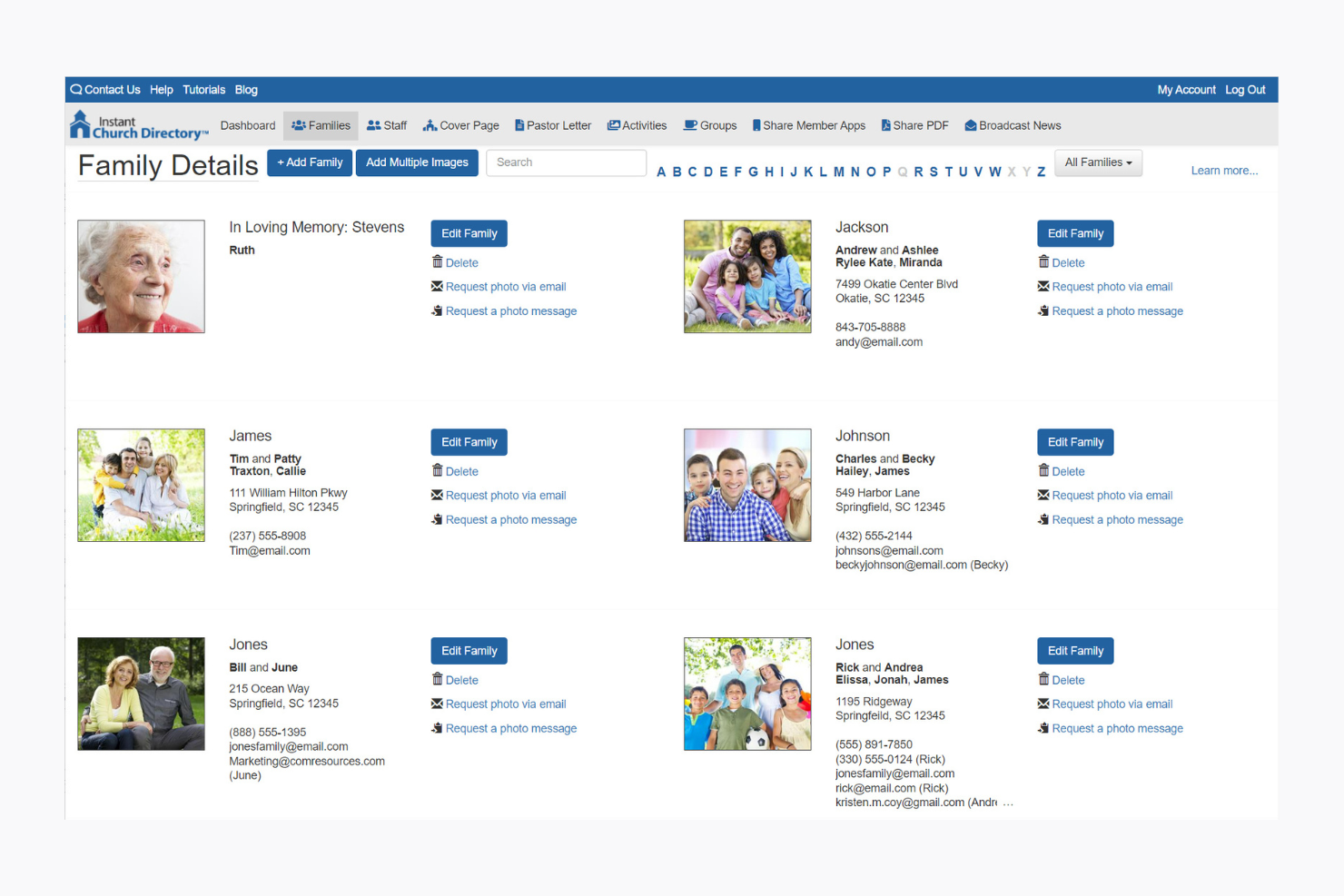
Instant Church Directory es una herramienta en línea que ayuda a las iglesias a crear y gestionar directorios fotográficos. Está diseñada para administradores y miembros de iglesias que necesitan acceso rápido a datos de contacto actualizados. La plataforma admite actualizaciones en tiempo real y ofrece versiones tanto digitales como imprimibles del directorio.
Por qué elegí Instant Church Directory: La interfaz de Instant Church Directory es sencilla, así que tú y tu equipo podéis actualizar la información sin ninguna confusión. La aplicación móvil mantiene todo sincronizado, por lo que todos siempre ven los datos más recientes. Puedes ajustar el diseño para que se adapte al estilo de tu iglesia. La plataforma también mantiene la información de los miembros privada y segura.
Funciones y conexiones destacadas:
Funciones incluyen una introducción sencilla de la información de los miembros, con actualizaciones sincronizadas entre dispositivos para garantizar precisión en tiempo real. Puedes gestionar grupos de la iglesia, registrar cumpleaños y aniversarios, y exportar datos para etiquetas postales. Las opciones de personalización para el diseño del directorio te permiten adaptar la apariencia y el formato.
Conexiones incluyen Mailchimp, Google Calendar, Microsoft Outlook, Slack, Zoom, Facebook, Twitter, Instagram, QuickBooks y Dropbox.
Pros and Cons
Pros:
- Interfaz intuitiva
- Actualizaciones en tiempo real
- Diseños personalizables
Cons:
- Funciones avanzadas limitadas
- Sin integración de nómina

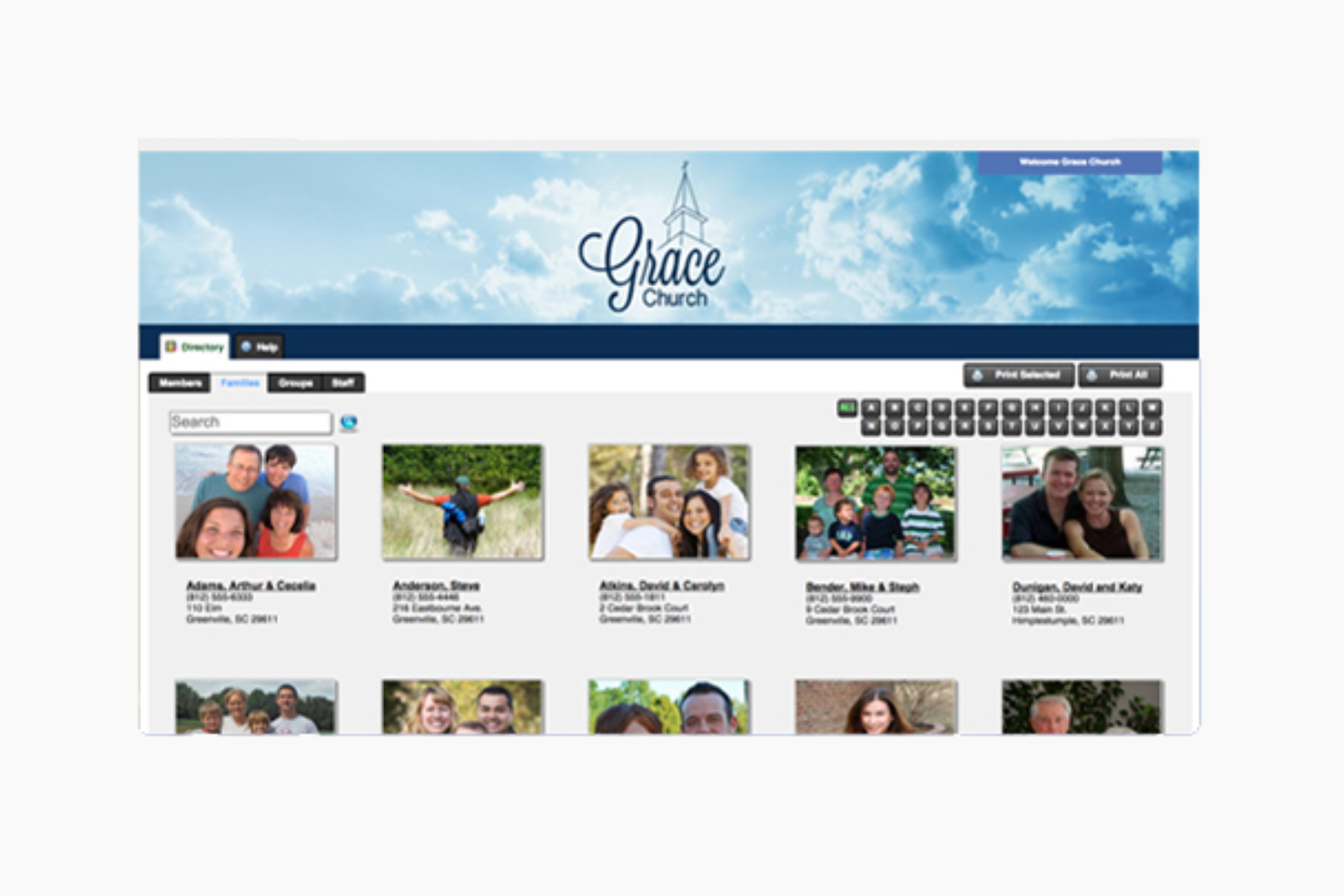
El Directorio de Iglesia en Línea te da a ti y a tu equipo acceso 24/7 a información de contacto actualizada a través de la web y la app móvil. Puedes permitir que los miembros actualicen sus datos, imprimir el directorio cuando lo necesites y mantener la información de los miembros privada.
Por qué elegí Directorio de Iglesia en Línea: Directorio de Iglesia en Línea te permite ajustar la configuración para adaptarla a las necesidades de tu iglesia. Puedes actualizar fácilmente los perfiles de los miembros, y la app móvil te da acceso estés donde estés. También puedes imprimir directorios personalizados para eventos o usos especiales. Los ajustes de privacidad aseguran que solo las personas autorizadas vean la información de los miembros.
Funciones destacadas e integraciones:
Funciones incluyen opciones de impresión personalizables que te permiten crear directorios a medida. La protección de la privacidad garantiza que la información de los miembros se mantenga segura. La app móvil ofrece mensajería ilimitada, facilitando la comunicación con tu congregación.
Integraciones incluyen Google Calendar, Mailchimp, Microsoft Outlook, Slack, Zoom, Facebook, Twitter, Instagram, QuickBooks y Dropbox.
Pros and Cons
Pros:
- Opciones de directorio personalizables
- Funciones de privacidad seguras
- Mensajería ilimitada
Cons:
- Análisis avanzados limitados
- Sin integración de nómina

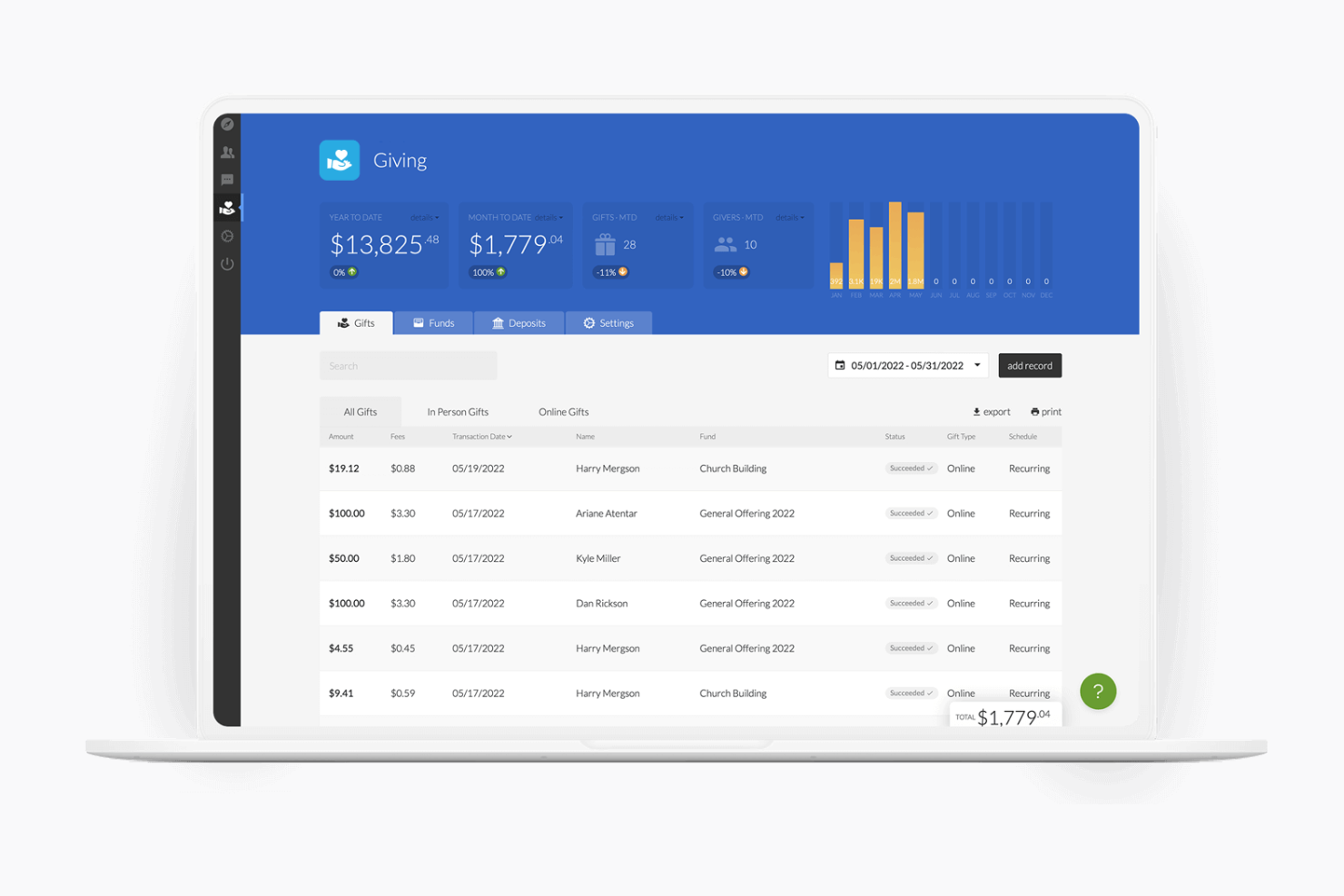
ChurchSpring Directory es una plataforma digital creada para que las iglesias gestionen tanto sus directorios de miembros como sus sitios web. Está dirigida principalmente a los administradores de iglesias que necesitan una sola herramienta para manejar la información de contacto y mantener la presencia en línea. Las características clave incluyen actualizaciones de miembros, alojamiento web y gestión de eventos.
Por qué elegí ChurchSpring Directory: ChurchSpring Directory te permite administrar el sitio web de tu iglesia y el directorio en un solo lugar. Puedes usar las plantillas integradas para crear un sitio limpio y sencillo sin mucho esfuerzo. También incluye herramientas para eventos que te ayudan a planificar y compartir las actividades de la iglesia. El directorio se conecta con el sitio web, por lo que la información de los miembros siempre está actualizada.
Funciones y integraciones destacadas:
Funciones incluyen plantillas de sitio web personalizables que te permiten adaptar la presencia en línea de tu iglesia. Las herramientas de gestión de eventos te ayudan a organizar y promover las actividades de la iglesia de manera eficiente. La plataforma también ofrece procesamiento de donaciones integrado, facilitando que los miembros puedan contribuir en línea.
Integraciones incluyen Planning Center, Mailchimp, Google Calendar, Microsoft Outlook, Slack, Zoom, Facebook, Twitter, Instagram, QuickBooks y Dropbox.
Pros and Cons
Pros:
- Funciones de sitio web integradas
- Gestión de eventos sencilla
- Procesamiento de donaciones integrado
Cons:
- Análisis avanzados limitados
- Sin integración de nómina

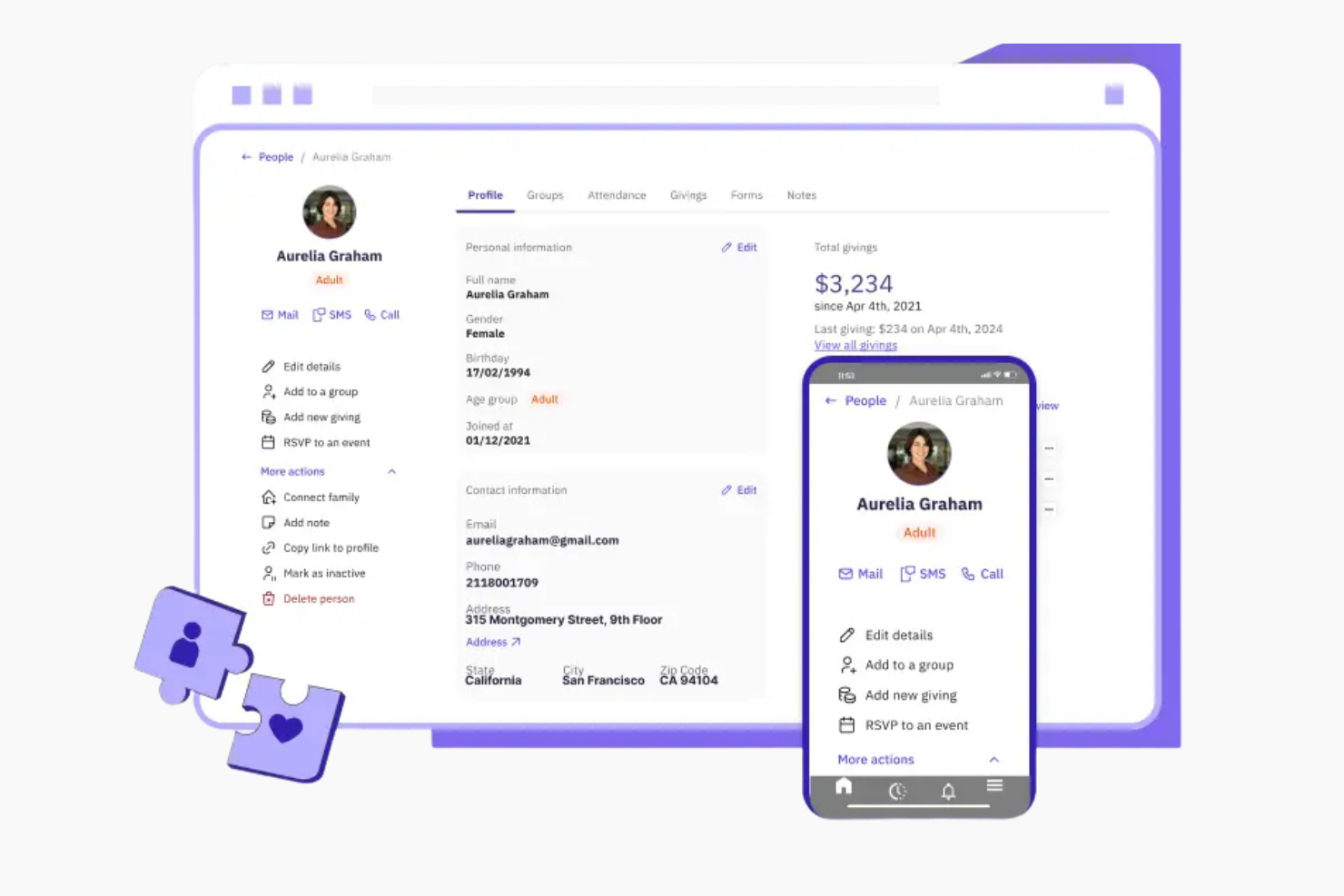
Gracely es una herramienta todo en uno para la gestión de iglesias que te ayuda a manejar miembros, eventos y donaciones. Está diseñada para líderes y administradores de iglesias que buscan algo fácil de usar. Puedes gestionar personas, configurar donaciones en línea y planificar eventos todo en un solo lugar.
Por qué elegí Gracely: Gracely ofrece acceso móvil para que tú y tu equipo puedan mantenerse conectados estén donde estén. Puedes gestionar la información de los miembros, rastrear las donaciones y planear eventos directamente desde tu teléfono. Los miembros pueden iniciar sesión para actualizar sus perfiles y consultar su historial de donaciones. Su diseño compatible con dispositivos móviles facilita la participación sobre la marcha.
Características destacadas e integraciones:
Características incluye formularios personalizables para registros y encuestas, lo que simplifica la recopilación de datos. La función de informes contables y financieros te ayuda a gestionar las finanzas de la iglesia con transparencia. También puedes utilizar el portal de la iglesia para involucrar a los miembros y fomentar la comunidad.
Integraciones incluye Mailchimp, Google Calendar, Microsoft Outlook, Slack, Zoom, Facebook, Twitter, Instagram, QuickBooks y Dropbox.
Pros and Cons
Pros:
- Acceso móvil conveniente
- Gestión integral de miembros
- Organización de eventos fácil
Cons:
- Análisis avanzados limitados
- Sin integración de nómina

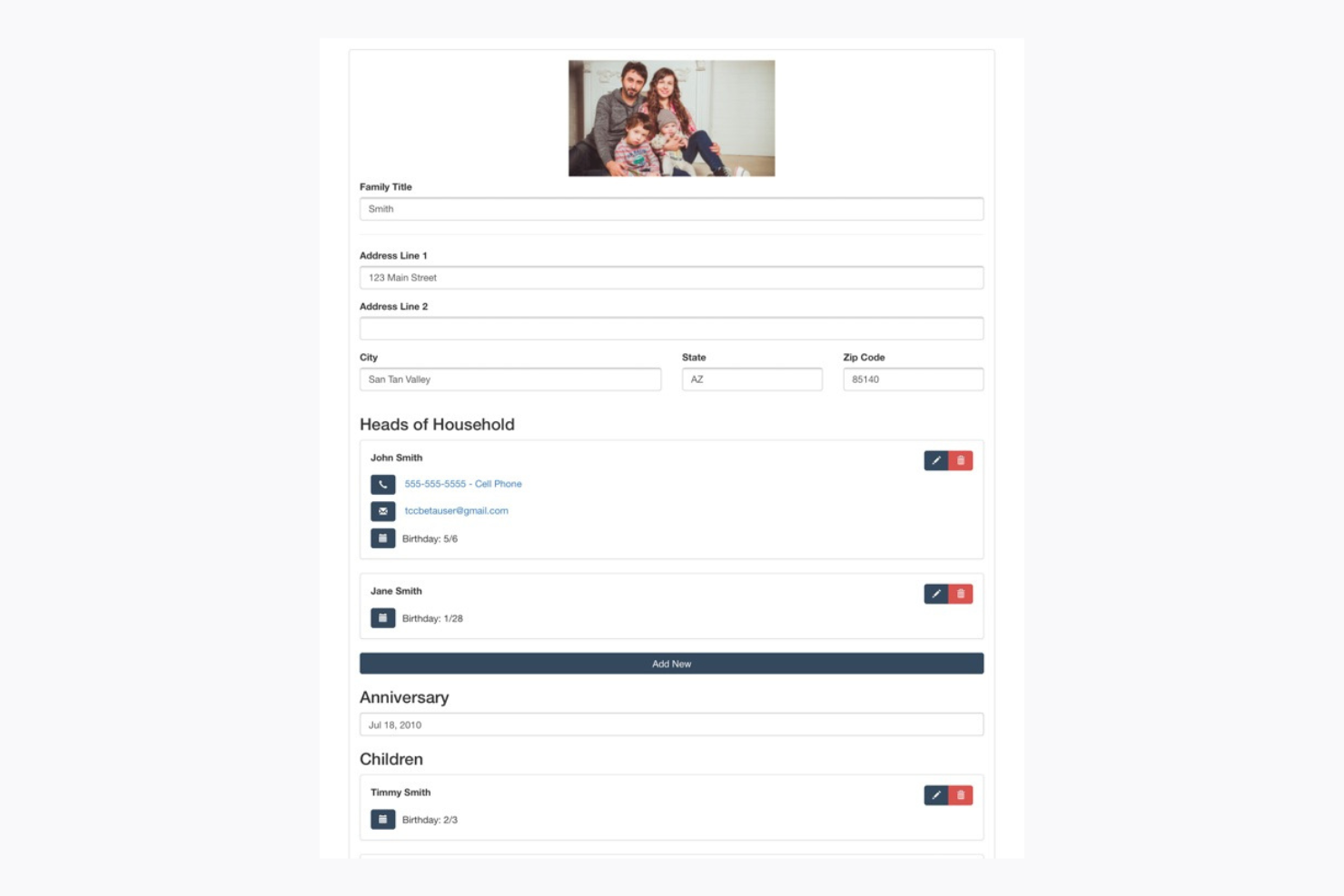
The Church Connectory es una solución de directorio en línea creada para comunidades de iglesias. Está diseñada para administradores de iglesias y miembros que necesitan acceso sencillo a un directorio actualizado regularmente desde plataformas web y móviles.
Por qué elegí The Church Connectory: The Church Connectory te permite poner en marcha tu directorio rápidamente sin una configuración complicada. Tanto tú como los miembros pueden actualizar y consultar el directorio en cualquier momento usando la aplicación móvil. Ofrece soporte para múltiples idiomas, lo que es útil si tu iglesia tiene una congregación diversa. También puedes vincular directorios para compartir información con otras iglesias mientras mantienes el control. Los datos están encriptados para ayudar a mantener la información de tus miembros segura.
Funciones destacadas e integraciones:
Funciones incluyen acceso mediante aplicación móvil para actualizaciones en cualquier lugar, soporte multilingüe para congregaciones diversas y vinculación de directorios para conectar con otras iglesias. Las funciones de seguridad incluyen encriptación SSL y revocación de acceso específico para miembros, garantizando la protección de los datos.
Integraciones incluyen Mailchimp, Google Calendar, Microsoft Outlook, Slack, Zoom, Facebook, Twitter, Instagram, QuickBooks y Dropbox.
Pros and Cons
Pros:
- Proceso de configuración sencillo
- Soporte multilingüe
- Aplicación móvil para actualizaciones
Cons:
- Funciones avanzadas limitadas
- Herramientas de informes básicas

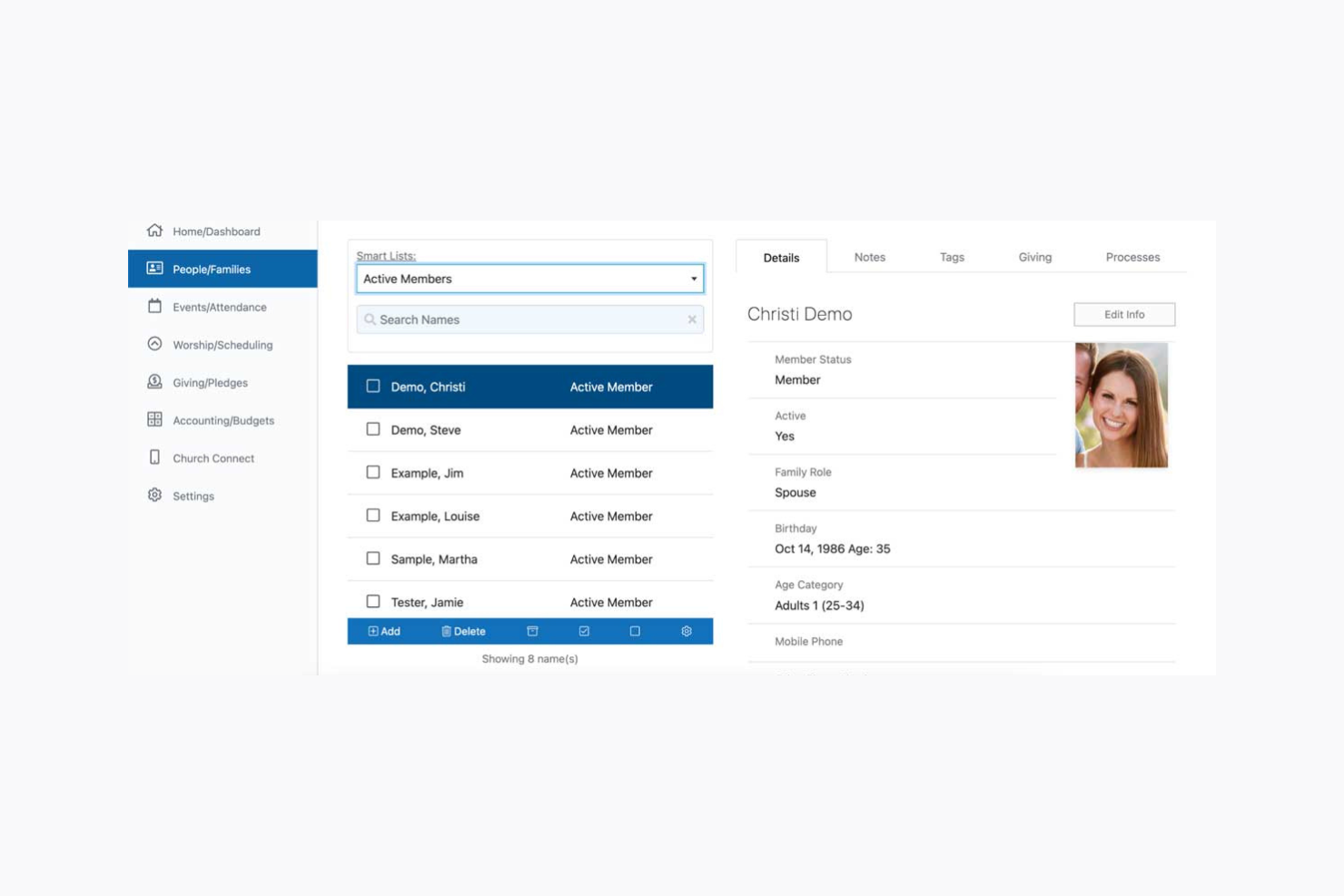
My Church Directory es una plataforma en línea diseñada para que las iglesias creen y gestionen directorios de miembros. Es utilizada por administradores de iglesias y miembros que necesitan acceso rápido a información de contacto actualizada. La plataforma admite directorios tanto digitales como imprimibles y ofrece plantillas personalizables para cada uno.
Por qué elegí My Church Directory: My Church Directory es ideal para congregaciones pequeñas porque es fácil de configurar y económica. Puedes agregar hasta tres editores adicionales sin costo extra, de modo que tu equipo pueda compartir las tareas. Los miembros pueden actualizar sus datos a través de la aplicación, manteniendo el directorio actualizado. La plataforma mantiene segura la información de los miembros.
Características y integraciones destacadas:
Características incluyen plantillas de directorio personalizables para formatos digitales e impresos. Las aplicaciones móviles permiten que los miembros accedan y actualicen su información fácilmente. También puedes llevar un seguimiento de cumpleaños y aniversarios, lo que ayuda a mantener la conexión en la comunidad.
Integraciones incluyen importación de archivos CSV para la gestión de datos, lo que permite actualizaciones sencillas.
Pros and Cons
Pros:
- Proceso de configuración rápido
- Interfaz fácil de usar
- Precios asequibles
Cons:
- Tiempo inicial de configuración para grupos grandes
- Desafíos tecnológicos para algunos usuarios
Otro software de directorio para iglesias
Estas son algunas opciones adicionales de software de directorio para iglesias que no llegaron a mi selección, pero que aún merece la pena considerar:
- ChurchTrac
Ideal para precios económicos
- Subsplash
Ideal para integración multimedia
- SteepleMate
Mejor para la gestión de voluntarios


Cómo evalúo el software de directorio de iglesias
Divido mi evaluación en funciones imprescindibles—como la salida del directorio fotográfico y el autoservicio de miembros—y los diferenciadores que hacen que una herramienta sea mejor que otra.
Funcionalidad básica (requisitos fundamentales para esta lista)
Cuando selecciono las herramientas para mi lista, califico cada una en una escala del 0 (no ofrece la funcionalidad) al 5 (sobresale en esta área) por cada funcionalidad básica que se detalla a continuación. Luego, calculo la puntuación total de la herramienta como un porcentaje. Cada herramienta necesita lograr una puntuación total mínima del 65% para ser considerada para su inclusión.
- Perfiles de miembros y familias: Verifico si la herramienta vincula a los individuos en sus hogares para que una búsqueda familiar muestre padres, hijos y datos de contacto en una sola vista.
- Salida del directorio fotográfico: Cada plataforma debe permitir generar un directorio imprimible o digital con fotografías de los miembros, no solo exportar una lista de contactos sin formato.
- App móvil para miembros: Busco una app móvil dirigida a los miembros en la que los congregantes puedan consultar el directorio y actualizar sus propios números de teléfono o direcciones.
- Segmentación de grupos y ministerios: Es importante etiquetar a los miembros por grupo pequeño, equipo de alabanza o ministerio juvenil, así que evalúo cómo organiza y filtra grupos cada herramienta.
- Privacidad y controles de acceso: Considero si los administradores pueden restringir cuáles campos ven los miembros—como ocultar direcciones del directorio general pero mantenerlas visibles para los pastores.
- Herramientas de comunicación: Poder enviar correos electrónicos o mensajes de texto directamente a un grupo de ministerio específico desde el directorio ahorra tiempo al personal y evita alternar entre plataformas; por eso, busco mensajería integrada.
Una vez tengo una lista de herramientas que cumplen con los criterios, considero qué hace única a cada plataforma.
Factores diferenciadores (qué distingue a los proveedores)
Así comparo y contrasto los diferentes proveedores:
Funciones destacadas
La donación en línea vinculada directamente a los perfiles de los miembros es un gran diferenciador—permite al personal obtener informes de mayordomía sin tener que reconciliar datos de sistemas separados. También busco flujos de trabajo automatizados que inicien seguimientos cuando un visitante complete una tarjeta de conexión por primera vez o cuando un miembro falte varias semanas. Una aplicación personalizada con el nombre y el logo de tu iglesia, en lugar de los del proveedor, genera familiaridad y favorece una mejor adopción entre los congregantes.
Más allá de las funcionalidades
La estructura de precios es muy relevante aquí—algunas plataformas cobran por miembro, lo que puede afectar rápido el presupuesto de una iglesia en crecimiento, así que evalúo si el modelo escala de manera justa. La migración de datos es otro factor que considero, ya que la mayoría de las iglesias migran desde hojas de cálculo o un sistema ChMS antiguo y necesitan una vía clara de importación. También reviso cuán bien se conecta cada herramienta con la infraestructura ministerial más amplia, como sincronizar los datos de donativos con QuickBooks o importar contactos en Mailchimp para boletines semanales.
Cómo elegir un software de directorio para iglesias
Es fácil perderse entre largas listas de funciones y estructuras de precios complejas. Para ayudarte a mantenerte centrado mientras avanzas en tu proceso particular de selección de software, aquí tienes una lista de factores que debes tener en cuenta:
| Factor | Qué debes considerar |
|---|---|
| Escalabilidad | ¿Admitirá tu crecimiento? Considera si el software puede gestionar más miembros y datos a medida que tu iglesia crece. Busca opciones que crezcan contigo. |
| Integraciones | ¿Funciona con tus herramientas actuales? Comprueba la compatibilidad con sistemas existentes como el correo electrónico, la contabilidad y el calendario para evitar trabajo adicional. |
| Personalización | ¿Puedes adaptarlo a tus necesidades? Evalúa si puedes modificar el software para que se ajuste a los procesos y la imagen de marca específicos de tu iglesia. |
| Facilidad de uso | ¿Es sencillo para todos? Asegúrate de que el software sea intuitivo tanto para los usuarios con experiencia tecnológica como para quienes se sienten menos cómodos con la tecnología. |
| Implementación e incorporación | ¿Con qué rapidez puedes empezar? Busca guías de configuración claras, recursos de formación y asistencia para facilitar la transición. |
| Coste | ¿Se ajusta a tu presupuesto? Compara los planes de precios y comprueba si existen cargos ocultos. Considera los descuentos para iglesias u organizaciones sin ánimo de lucro. |
| Medidas de seguridad | ¿Están protegidos tus datos? Asegúrate de que el software cuente con medidas de seguridad sólidas, como cifrado y controles de acceso, para proteger la información de los miembros. |
| Disponibilidad de asistencia | ¿Puedes obtener ayuda cuando la necesitas? Comprueba si el proveedor ofrece asistencia oportuna por chat, teléfono o correo electrónico, especialmente en momentos críticos. |
¿Qué es el software de directorio de iglesias?
El software de directorio de iglesias es una herramienta diseñada para ayudar a las iglesias a gestionar la información de sus miembros, realizar un seguimiento de la asistencia y facilitar la comunicación. Estas herramientas suelen ser utilizadas por administradores de iglesias, pastores y voluntarios que necesitan mantener a sus congregaciones organizadas e informadas.
Funciones como la gestión de contactos, la programación de eventos y las herramientas de comunicación ayudan a mantener los registros de los miembros, planificar actividades y fomentar la participación de la comunidad. En general, estas herramientas ahorran tiempo y mejoran la eficiencia de las operaciones de la iglesia.
Funciones del software de directorio de iglesias
Al seleccionar un software de directorio de iglesias, presta atención a las siguientes funciones clave:
- Gestión de contactos: Organiza la información de los miembros en una base de datos centralizada, lo que facilita su actualización y acceso.
- Programación de eventos: Permite planificar y gestionar eventos de la iglesia, asegurando que todos se mantengan informados y organizados.
- Herramientas de comunicación: Facilita el envío de mensajes y anuncios para mantener a tu congregación conectada y comprometida.
- Seguimiento de la asistencia: Supervisa la participación en servicios y eventos, ayudándote a comprender el nivel de compromiso de los miembros.
- Acceso móvil: Proporciona acceso a directorios y herramientas desde cualquier lugar, permitiéndote gestionar las actividades de la iglesia estés donde estés.
- Plantillas personalizables: Ofrece la posibilidad de adaptar los directorios e informes a las necesidades y la identidad visual de tu iglesia.
- Seguimiento de donaciones: Registra las contribuciones y proporciona información financiera, fomentando una gestión financiera transparente.
- Gestión de voluntarios: Ayuda a organizar y programar a los voluntarios, asegurando el buen funcionamiento de las actividades de la iglesia.
- Medidas de seguridad: Protege los datos confidenciales de los miembros mediante cifrado y controles de acceso, garantizando la privacidad y el cumplimiento normativo.
- Capacidades de integración: Se conecta con herramientas existentes, como el correo electrónico y el software de contabilidad, reduciendo los esfuerzos duplicados.
Beneficios del software de directorio de iglesias
Implementar un software de directorio de iglesias ofrece varios beneficios para tu equipo y tu organización. Estos son algunos de los que puedes esperar:
- Mejor organización: Centraliza la información de los miembros, facilitando la gestión y el acceso eficiente a los datos.
- Comunicación mejorada: Facilita una comunicación rápida y eficaz dentro de tu congregación, manteniendo a todos informados y comprometidos.
- Ahorro de tiempo: Automatiza tareas administrativas como el seguimiento de la asistencia y la programación de eventos, liberando tiempo para otras actividades importantes.
- Mayor participación: Ofrece herramientas como la gestión de voluntarios y la planificación de eventos para impulsar la participación y la implicación en las actividades de la iglesia.
- Transparencia financiera: Realiza un seguimiento de las donaciones y proporciona información sobre las contribuciones financieras, fomentando la responsabilidad y la confianza.
- Seguridad de los datos: Protege la información confidencial de los miembros mediante sólidas medidas de seguridad, garantizando la privacidad y el cumplimiento normativo.
- Accesibilidad: Proporciona acceso móvil a directorios y herramientas de gestión, permitiéndote trabajar y conectarte desde cualquier lugar.
Costes y precios del software de directorio de iglesias
Seleccionar un software de directorio de iglesias requiere comprender los distintos modelos de precios y planes disponibles. Los costes varían según las funciones, el tamaño del equipo, los complementos y otros factores. La siguiente tabla resume los planes habituales, sus precios medios y las funciones que suelen incluir las soluciones de software de directorio de iglesias:
Tabla comparativa de planes de software de directorio de iglesias
| Tipo de plan | Precio medio | Funciones habituales |
|---|---|---|
| Plan gratuito | $0/user/month | Gestión básica de miembros, asistencia limitada y acceso restringido a las funciones. |
| Plan personal | $5 - $25/user/month | Directorio de miembros, programación de eventos, notificaciones por correo electrónico e informes básicos. |
| Plan empresarial | $30 - $50/user/month | Informes avanzados, gestión de voluntarios, seguimiento de donaciones y acceso móvil. |
| Plan empresarial avanzado | $60-$100/user/month | Funciones personalizables, capacidades de integración, asistencia exclusiva y medidas de seguridad mejoradas. |